
Collioure — History & Facts
Could beauty survive in a century of chaos? In Collioure, a moment of serenity stands in stark contrast to the turbulent world beyond its frame. Look to the left at the painting's gentle waves, their rhythmic brushstrokes echoing a tranquil sea. Notice how the vibrant hues of blue and green dance in the sunlight, creating a dynamic interplay between light and water. The terracotta rooftops of the village rise steeply against the backdrop of a clear sky, each stroke revealing Lismann's meticulous attention to detail.
The warm tones of the buildings starkly contrast with the cool sea, inviting the viewer to explore the harmonious relationship between nature and architecture. Within this idyllic coastal scene lies a tension between the calmness of the landscape and the underlying currents of change. The idyllic setting reflects a nostalgic longing for simplicity amidst the chaos of the 20th century. The vivid colors symbolize both hope and the fragility of beauty, suggesting that even in moments of peace, shadows of disruption linger just beyond the horizon.
Lismann captures more than a view; he encapsulates an emotional landscape fraught with history. In 1928, Hermann Lismann was immersed in a post-World War I Europe, where artists sought refuge from the realities of modernity in the beauty of the natural world. Living in France, he reflected the regional charm of places like Collioure, an artist’s haven that had attracted many during this period. This work, painted during a time of artistic experimentation and renewal, captures a brief moment of tranquility before the tumult of the coming years.
More Artworks by Hermann Lismann
Browse all →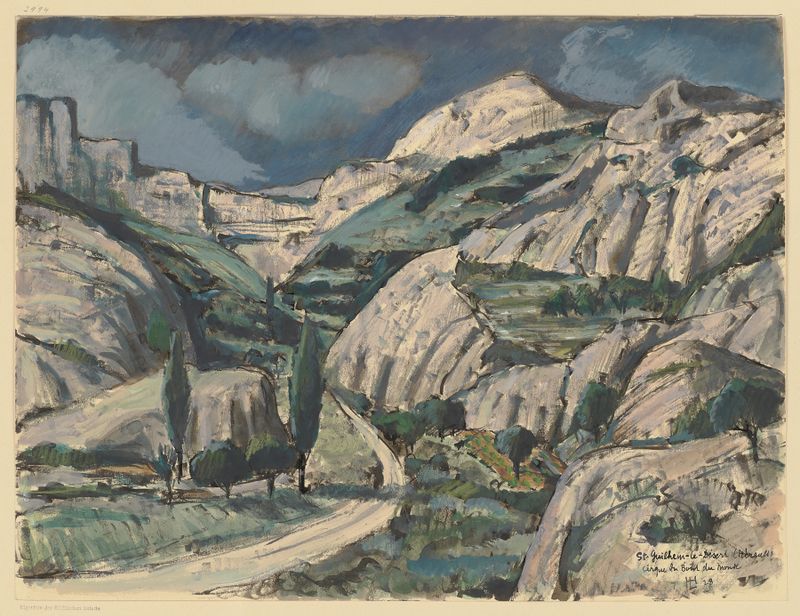
St.-Guilhem-le-Désert (Hérault), cirque du Bout du Monde
Hermann Lismann
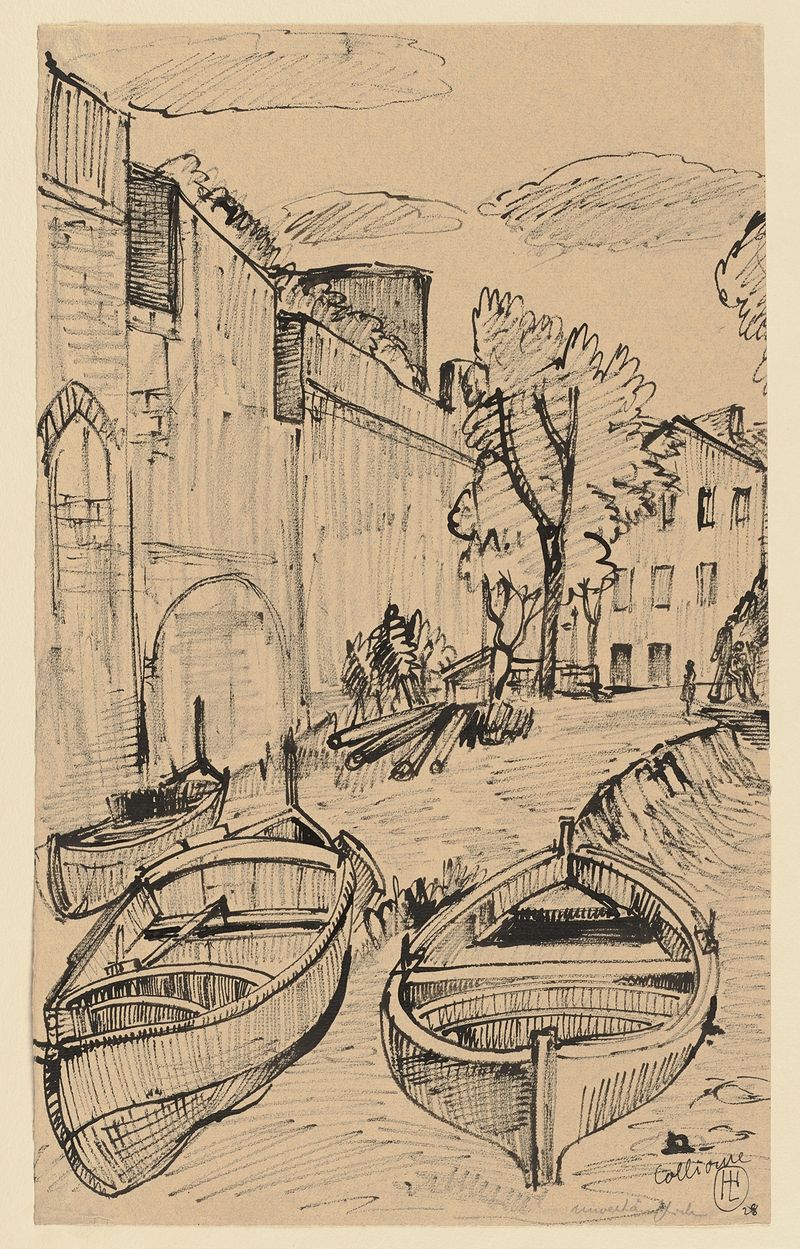
Zwei Boote im Hafen von Collioure
Hermann Lismann
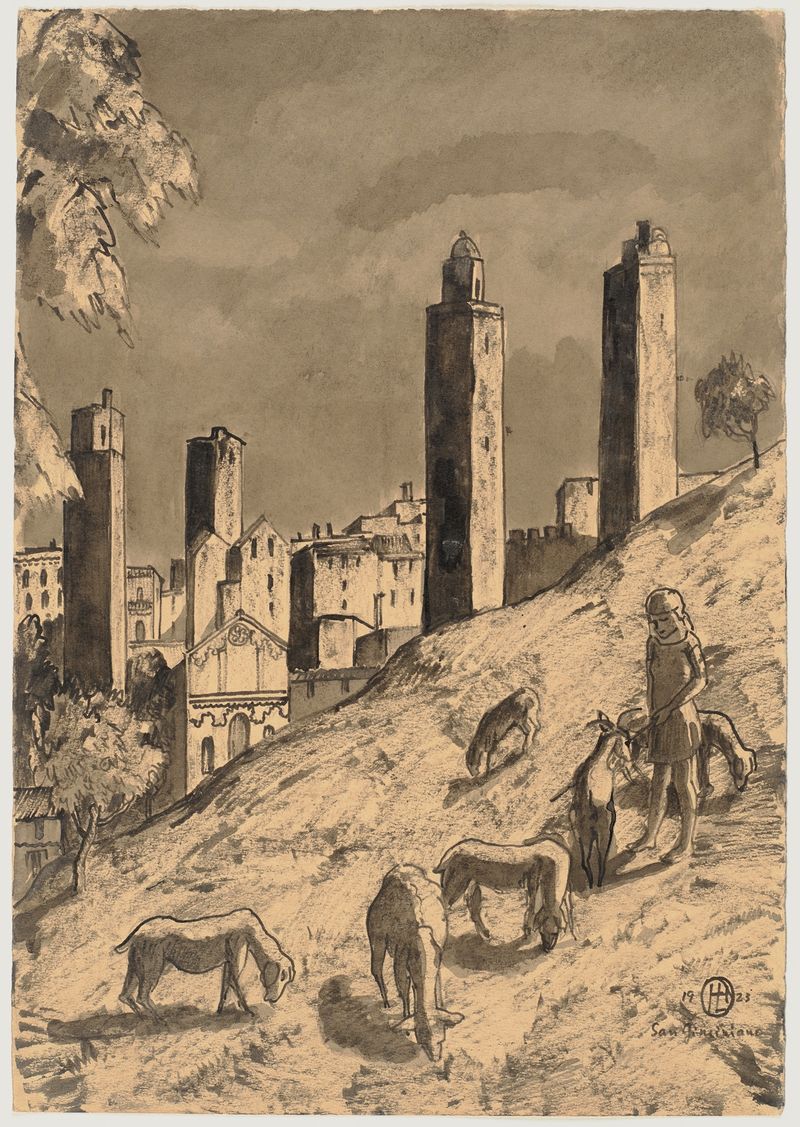
San Gimignano
Hermann Lismann
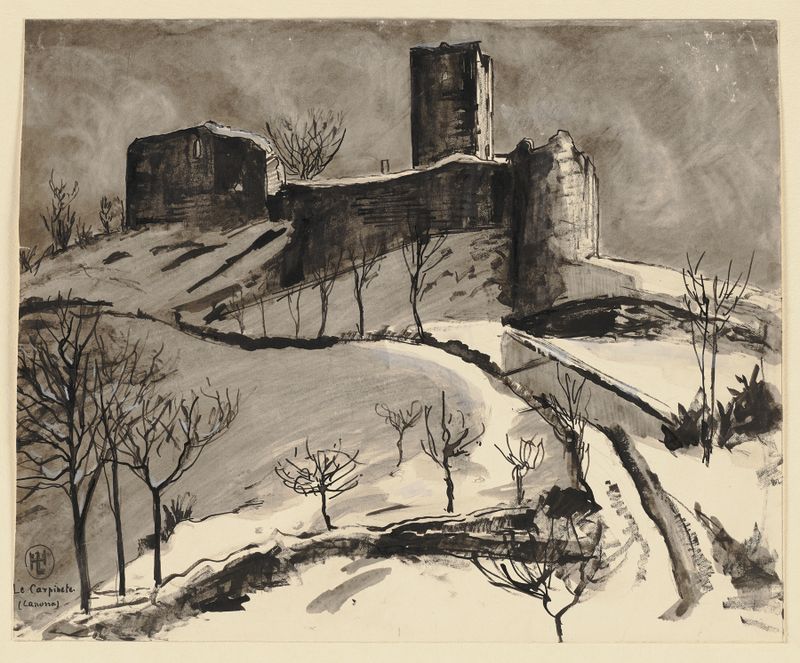
Carpineti castle near Canossa
Hermann Lismann
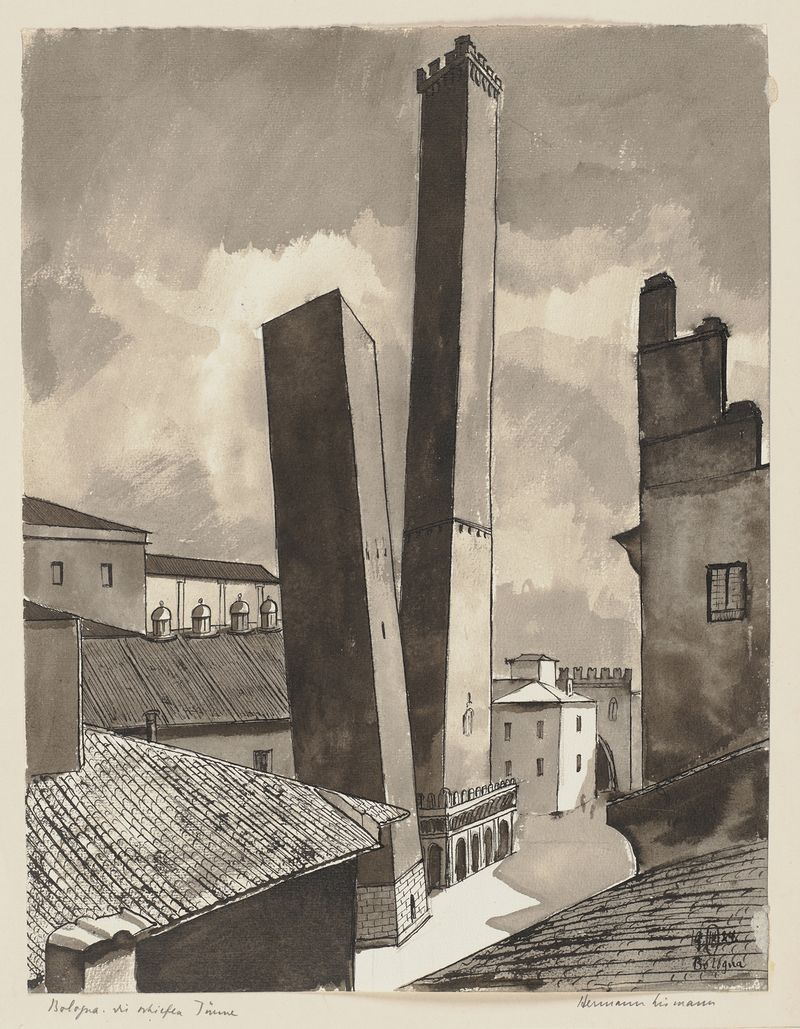
Die beiden Türme Garisenda und Asinelli in Bologna
Hermann Lismann
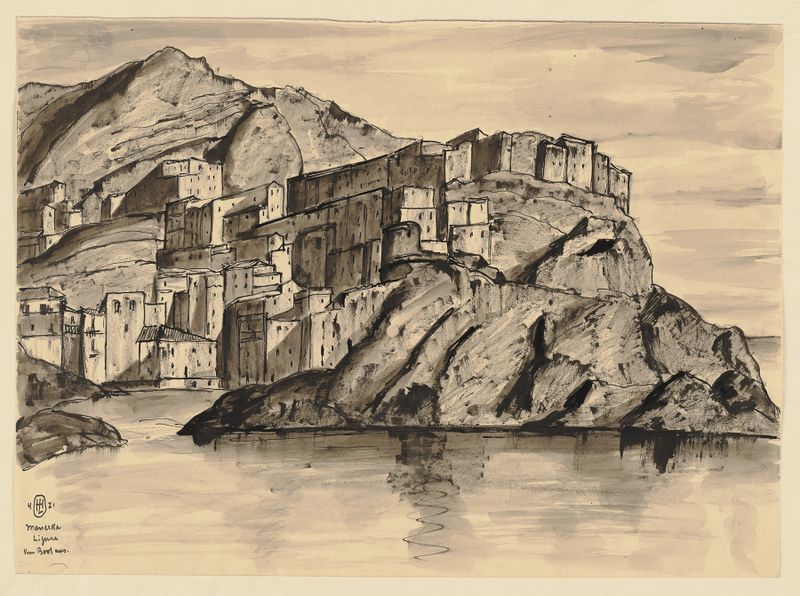
Manarola Liguria vom Boot aus
Hermann Lismann
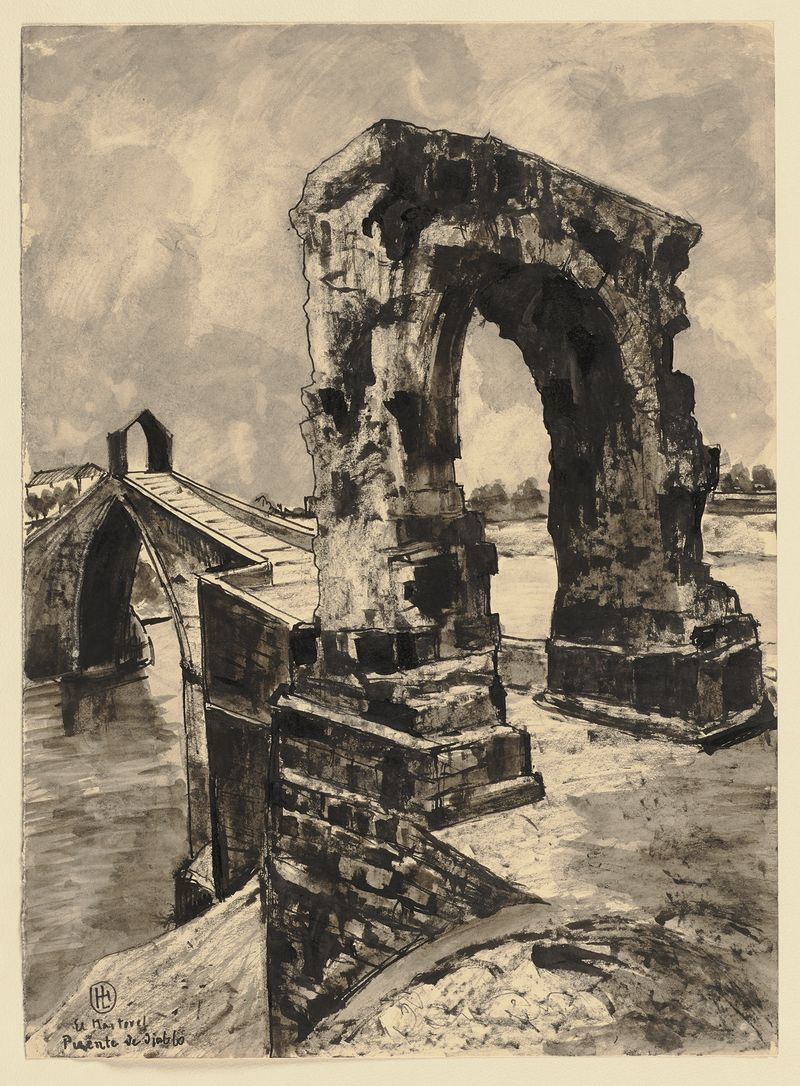
Der Pont del Diable in Martorell
Hermann Lismann
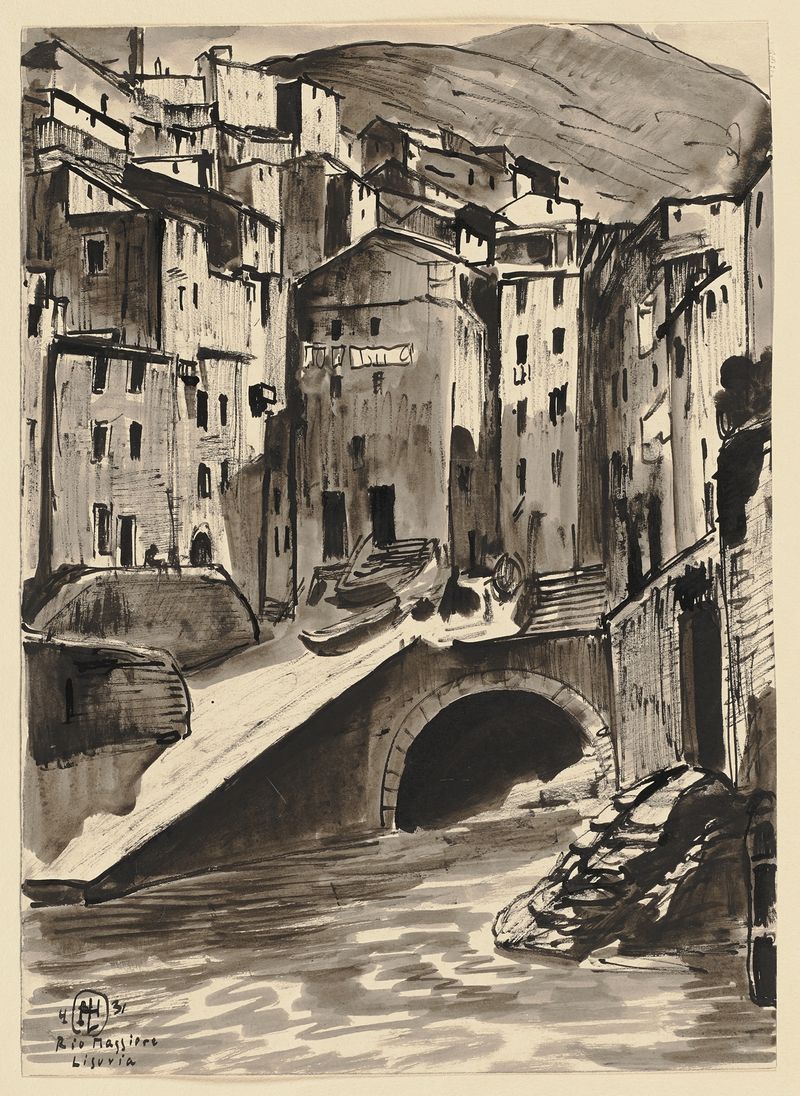
Riomaggiore
Hermann Lismann
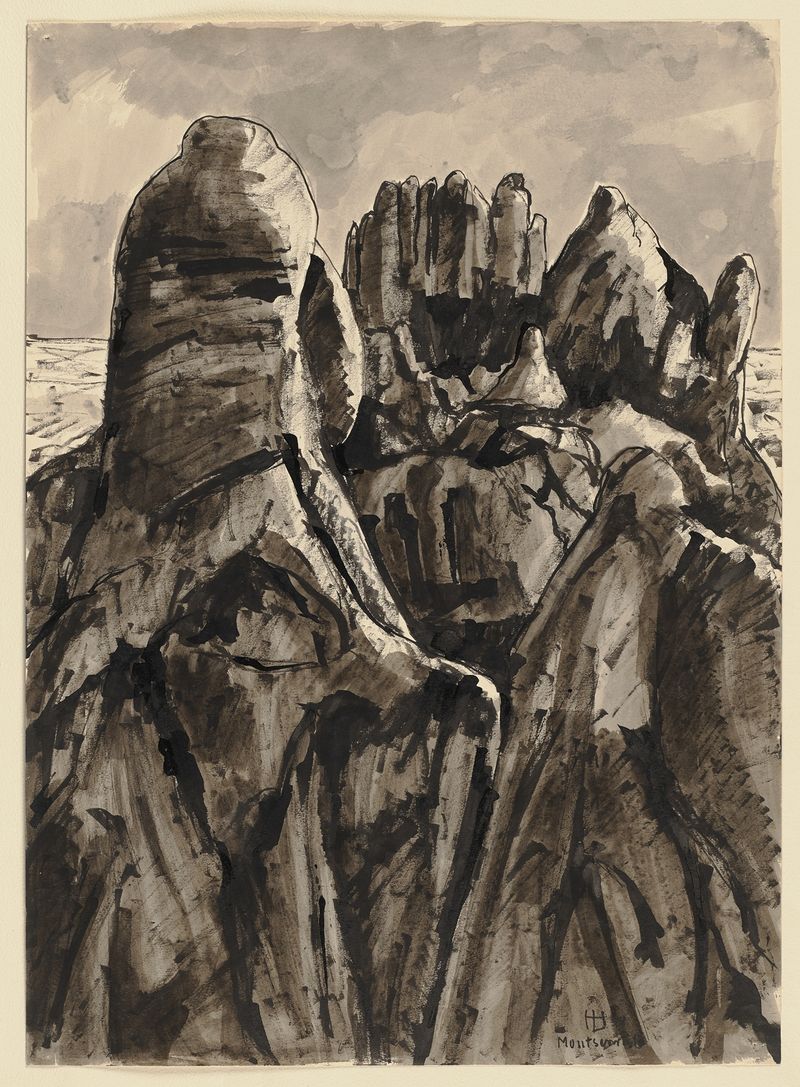
Montserrat
Hermann Lismann
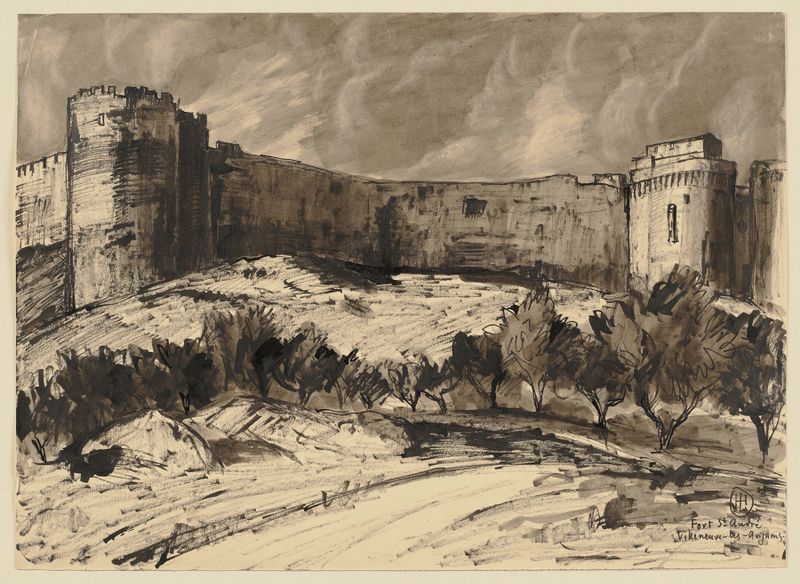
Fort Saint-André in Villeneuve-les-Avignon
Hermann Lismann





