
Collision Between the Erebus & Terrror to Windward of Icebergs, 13th March — History & Facts
In Collision Between the Erebus & Terror to Windward of Icebergs, 13th March, we see a dramatic scene of two ships amidst towering icebergs. The colors are a mix of deep blues and whites, capturing the cold atmosphere of the Arctic. The ships, Erebus and Terror, are depicted in a moment of crisis, with sails billowing and waves crashing around them.
The overall composition conveys a sense of urgency and danger. The painting is executed in oil on canvas, showcasing Charles Hamilton Smith's skill in rendering maritime scenes. The brushwork is dynamic, particularly in the depiction of the turbulent sea and the icebergs. The use of light and shadow enhances the three-dimensionality of the ships and the icy landscape.
Viewers can appreciate the intricate details, such as the rigging of the ships and the textures of the ice. Charles Hamilton Smith was known for his detailed and dramatic representations of naval subjects. This work captures a historical event from the 19th century when the British ships Erebus and Terror were trapped in the ice during their expedition. An interesting fact about this painting is that it reflects the Romantic fascination with nature's power and the perilous adventures of exploration.
Smith's ability to convey the tension of the moment makes this piece notable in maritime art.
More Artworks by Charles Hamilton Smith

Marengo, Bonaparte’s Arab
Charles Hamilton Smith
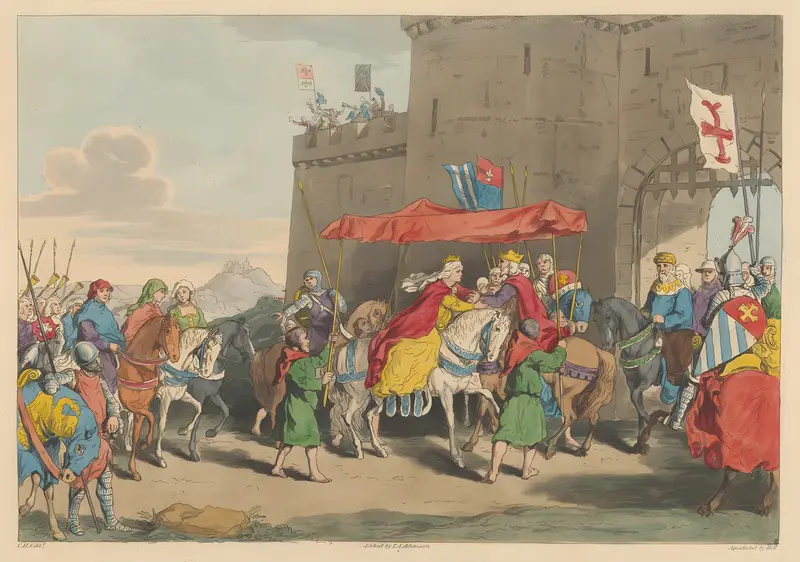
Costume of the Reign of King Henry III
Charles Hamilton Smith
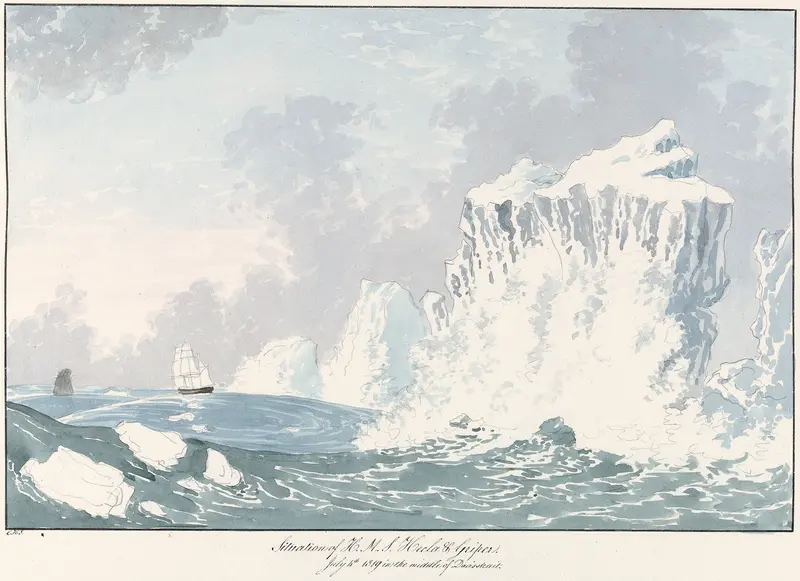
Situation of H.M.S. Hecla & Griper
Charles Hamilton Smith
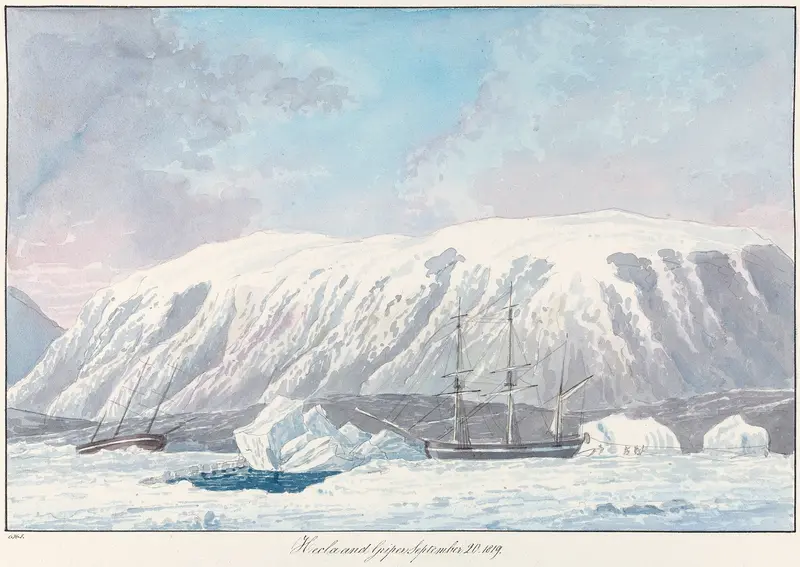
Hecla and Griper
Charles Hamilton Smith
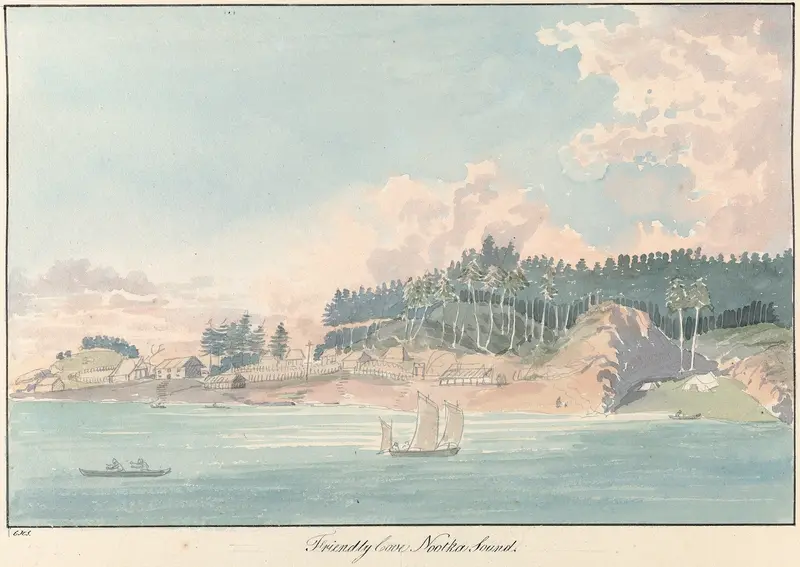
Friendly Cove, Nootka Sound
Charles Hamilton Smith
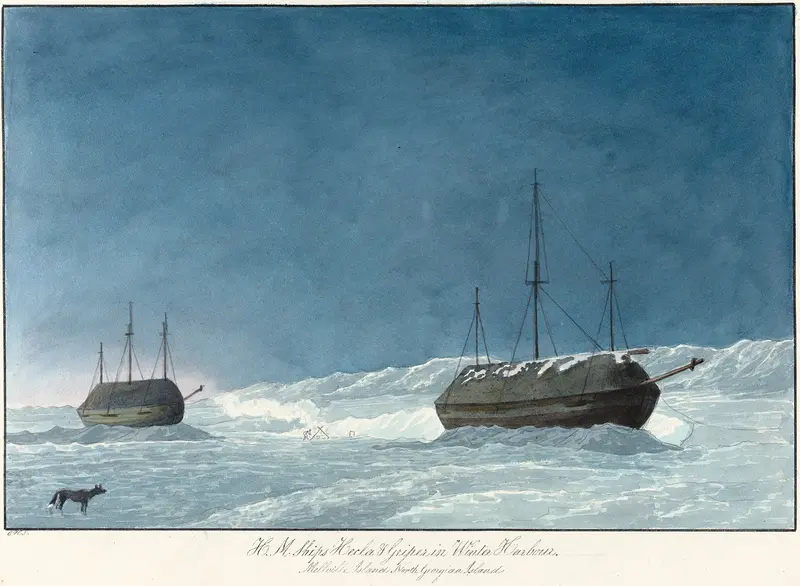
H. M. Ships Hecla and Griper in Winter Harbour
Charles Hamilton Smith
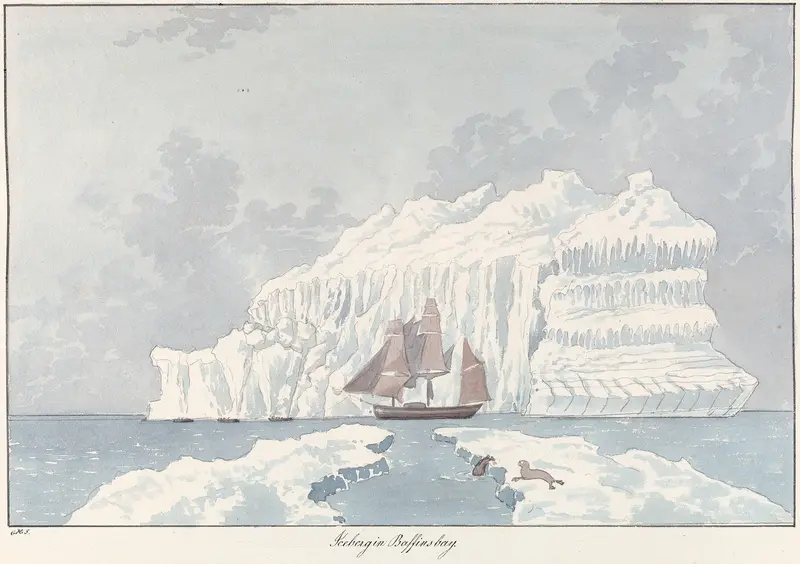
Iceberg in Baffin’s Bay
Charles Hamilton Smith
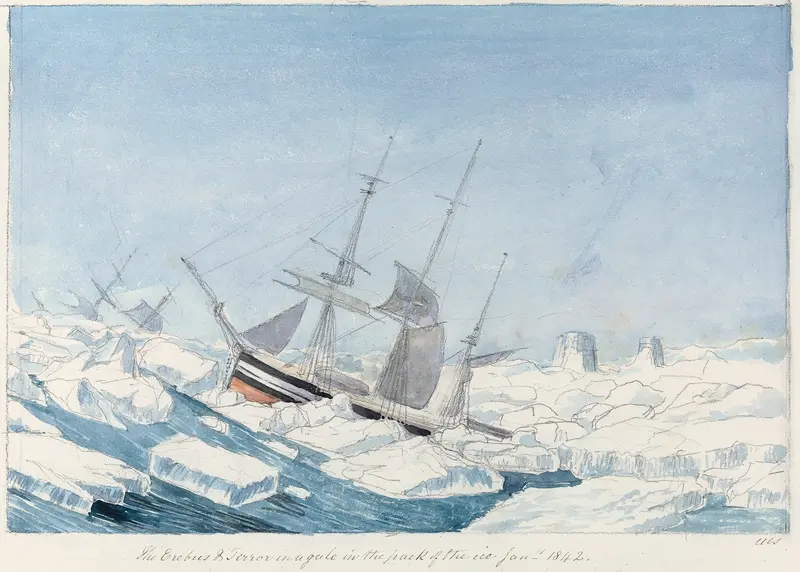
The Erebus & Terror in a Gale in the Pack of the Ice
Charles Hamilton Smith
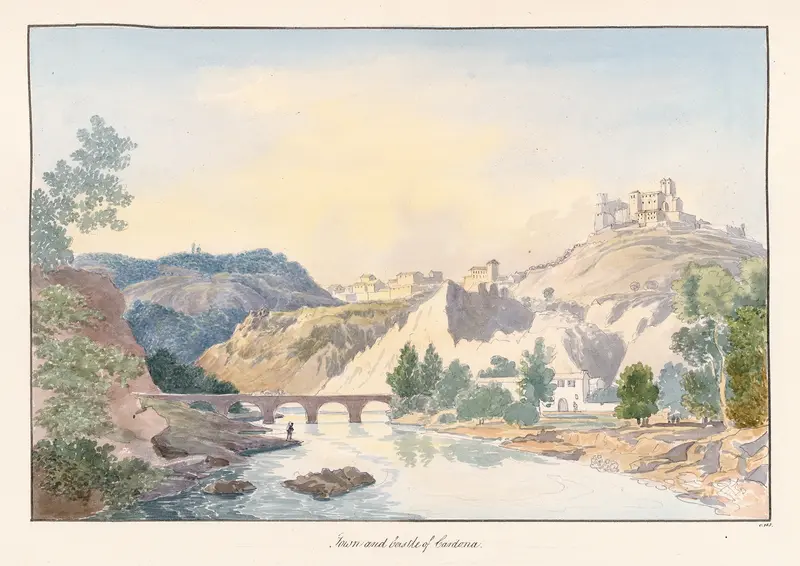
Town and Castle of Cardona
Charles Hamilton Smith
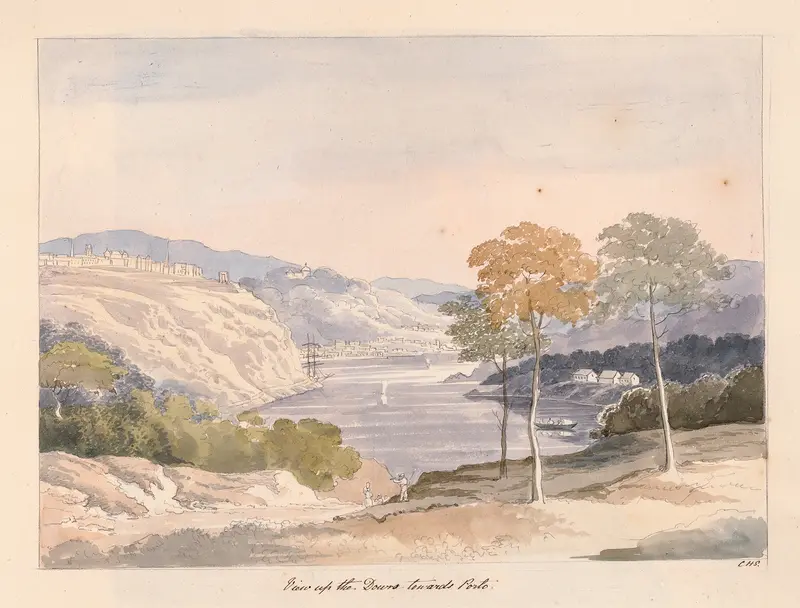
View of the Douro towards Porto
Charles Hamilton Smith





