
Concarneau (Étude) — History & Facts
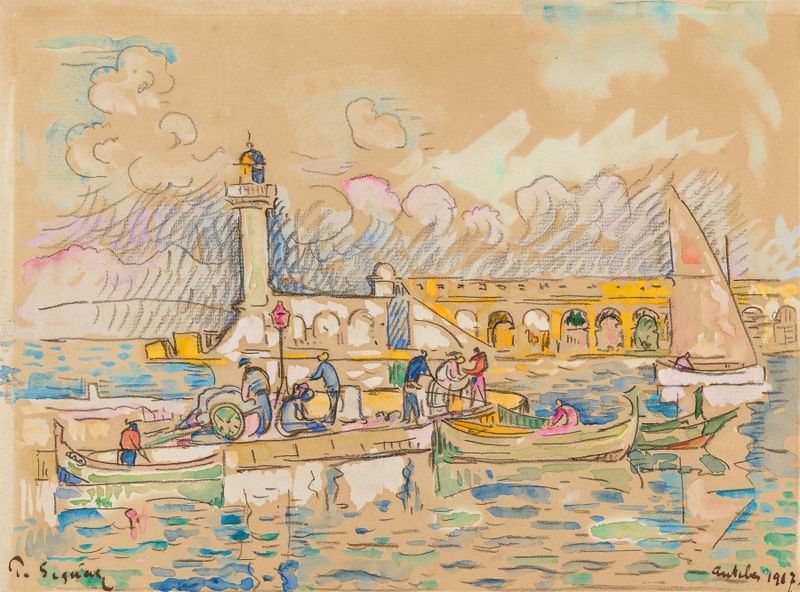
Could beauty survive in a century of chaos? Paul Signac invites us to ponder this poignant question through Concarneau (Étude), a serene yet vibrant portrayal of a coastal scene that seems to balance on the edge of tranquility and turmoil. The canvas captures the delicate interplay between color and light, suggesting that even amidst madness, nature's beauty endures. Look to the foreground, where dappled hues of blue and green merge seamlessly, creating a shimmering reflection on the water’s surface. The boats, painted in bright strokes, tilt gently with the rhythm of the sea, directing your gaze toward the horizon.
Notice how the sunlight dances across the canvas, illuminating the vivid palette that Signac employs, each brushstroke contributing to a sense of motion and life. The juxtaposition of bright and shadowy areas evokes a fleeting moment, a snapshot of nature's ephemeral beauty. Delve deeper, and the emotional tension reveals itself. The vibrant colors depict the serenity of the scene, yet they also hint at an undercurrent of unrest.
The chaotic brushwork can be seen as a reflection of the times, capturing both the vibrancy of life and the impending storm of modernity. In each stroke lies a story—of a world on the brink of change, where the stillness of the harbor belies the turbulence of the era. In 1891, Signac was painting Concarneau (Étude) during a period of experimentation within the Post-Impressionist movement, often working alongside fellow artists like Georges Seurat. Living in France, he was influenced by a growing interest in color theory and a fascination with the effects of light, as society faced the rapid industrialization and social upheaval of the late 19th century.
This work reflects his commitment to capturing both the beauty of the natural world and the complexities of contemporary life.
More Artworks by Paul Signac
Browse all →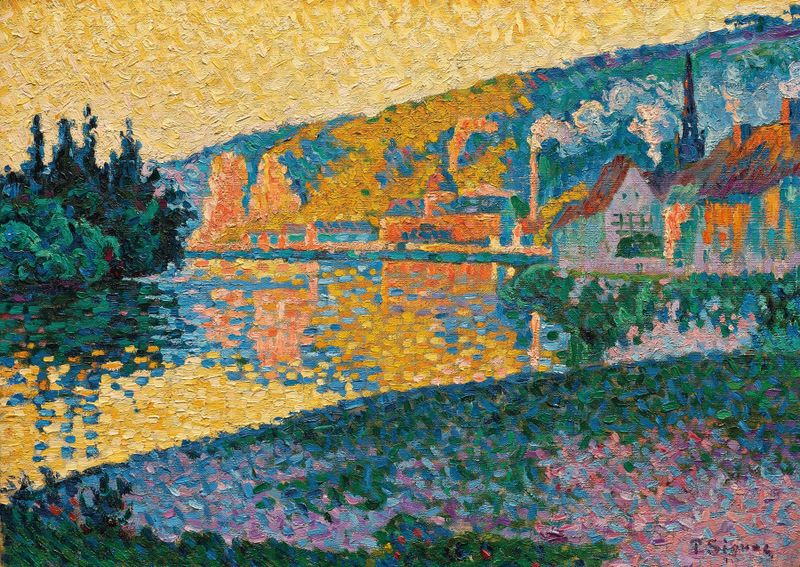
Les Andelys. Soleil couchant
Paul Signac
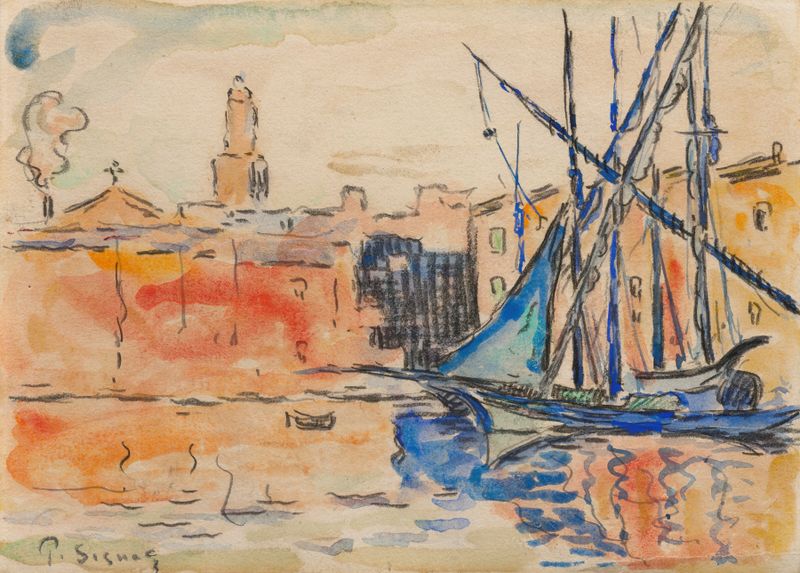
Saint-Tropez, le port
Paul Signac
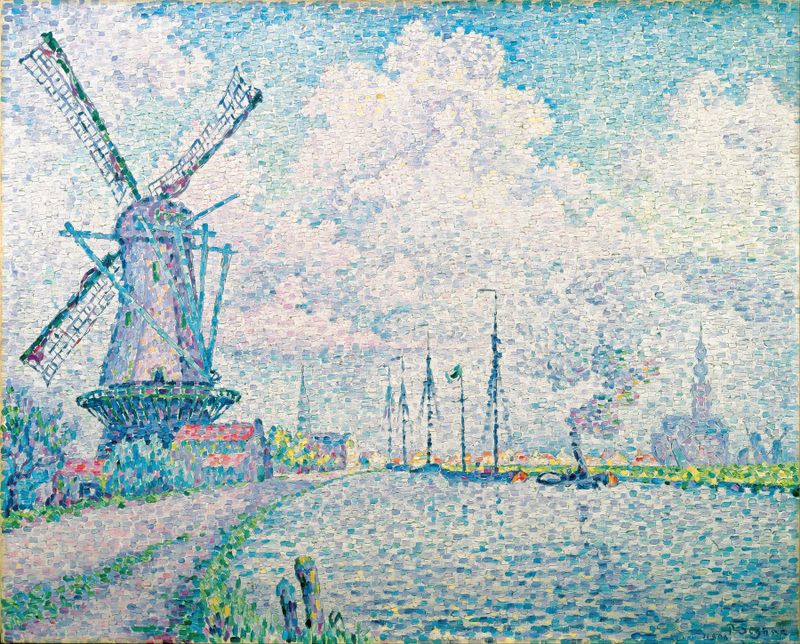
Canal of Overschie
Paul Signac
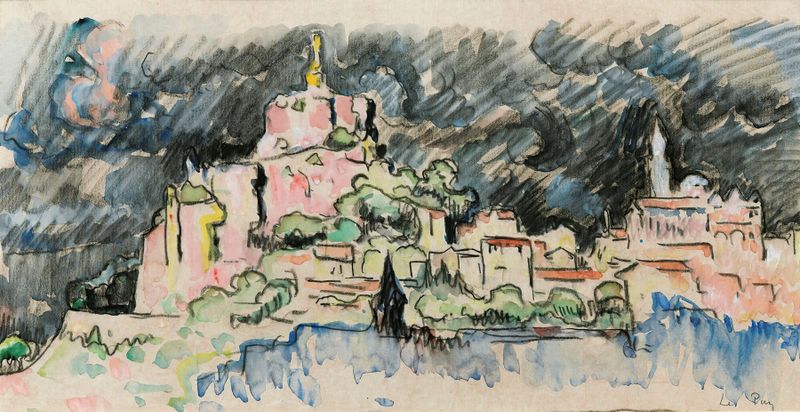
Le Puy-En-Velay, Ciel D’orage
Paul Signac
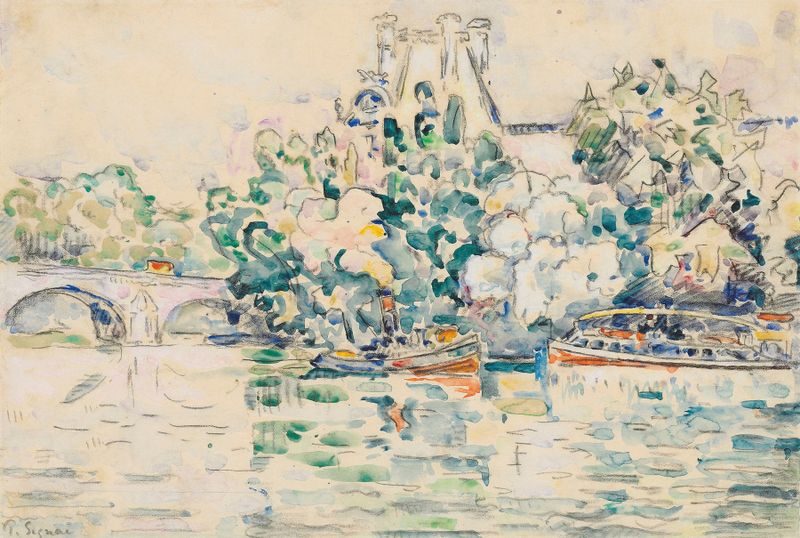
Paris, La Seine au Pont-Royal
Paul Signac
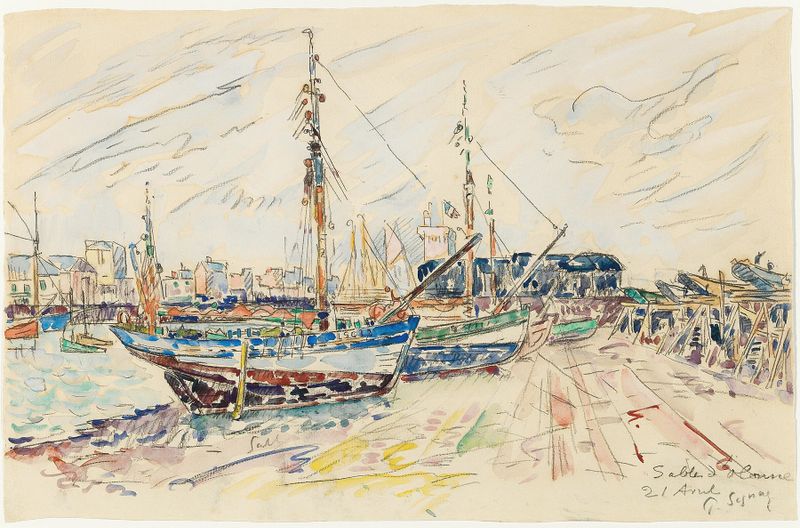
Sables d’Olonne
Paul Signac
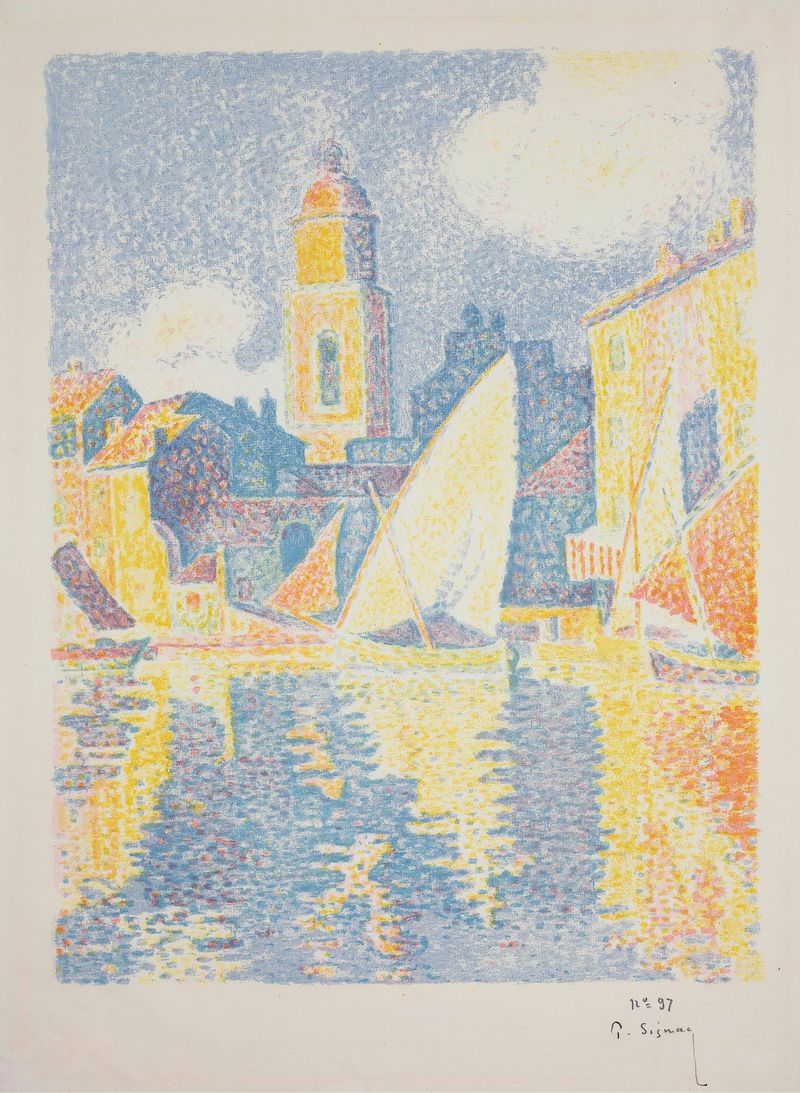
The Port of St. Tropez
Paul Signac
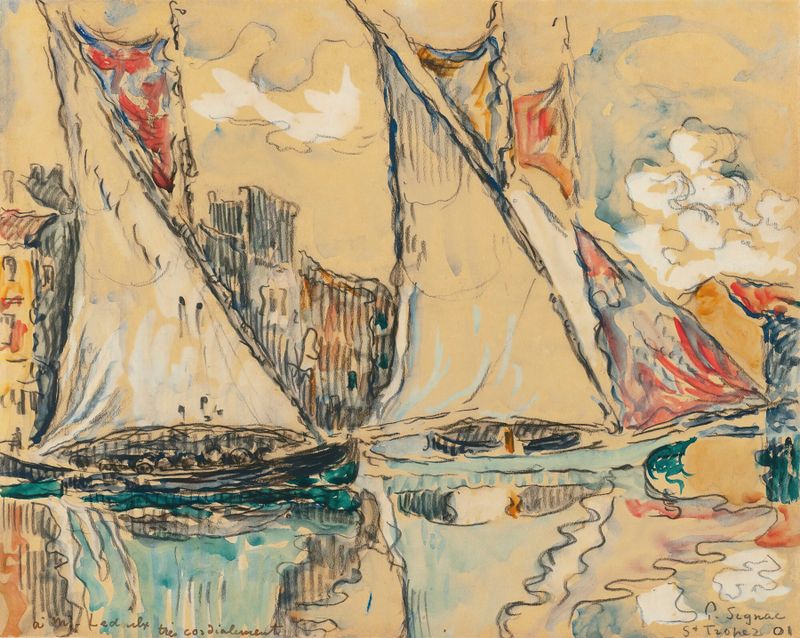
Saint-Tropez, Voiles Au Sec
Paul Signac
Antibes
Paul Signac

Saint-Tropez
Paul Signac





