
Constantinople, Le Kiosque Des Janissaires — History & Facts
Can beauty exist without sorrow? In Constantinople, Le Kiosque Des Janissaires, Félix Ziem presents a landscape where nostalgia and melancholy intertwine, inviting the viewer to explore the depths of such an inquiry. Look to the foreground, where the ornate kiosk stands resilient against the backdrop of the Bosphorus. The delicate, arching lines of its architecture draw the eye, revealing intricate details that sparkle in the golden light of sunset. The deep blues of the water contrast strikingly with the vibrant oranges and pinks that paint the sky, creating a luminous atmosphere that speaks of both peace and impending change.
Notice the figures gathered near the kiosk, their postures suggestive of everyday life, yet their expressions hint at something more profound—perhaps a longing for a past overshadowed by political upheaval. The juxtaposition of light and shadow in this work holds significant emotional weight. The radiant sky could symbolize hope, yet the shadows lurking around the figures evoke a lingering sense of betrayal, mirroring the historical turmoil of a city on the edge of transformation. These tensions lay bare the conflicts of a culture caught between tradition and modernity, as the entry of new forces threatens to erode the beauty of its storied past. Ziem created this piece between 1880 and 1885, during a time when the Ottoman Empire was experiencing profound changes.
Artists were increasingly drawn to the East, captivated by its rich colors and complex histories. The artist’s fascination with Constantinople reflects not only his personal artistic journey but also the broader currents in the art world, where the exploration of different cultures became a means of expressing both admiration and critique.
More Artworks by Félix Ziem
Browse all →
Venise
Félix Ziem
Coucher De Soleil À Venise
Félix Ziem
Constantinople
Félix Ziem
La place Saint-Marc, inondation de 1863
Félix Ziem
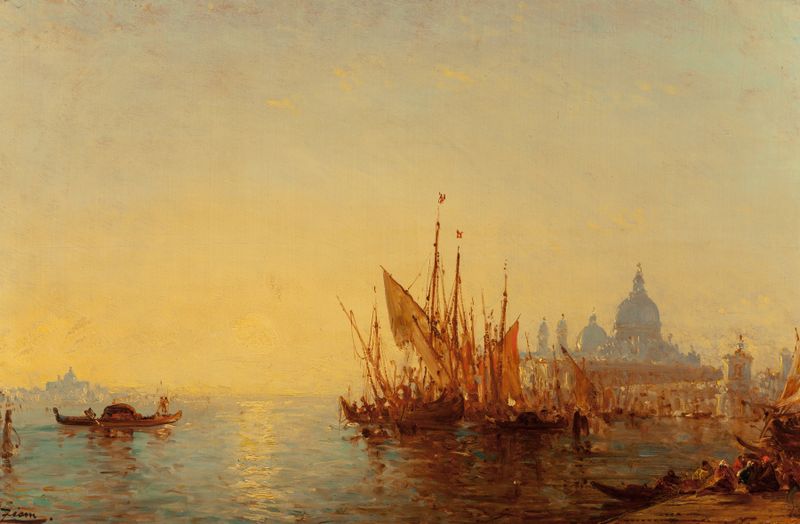
Bacino di San Marco
Félix Ziem
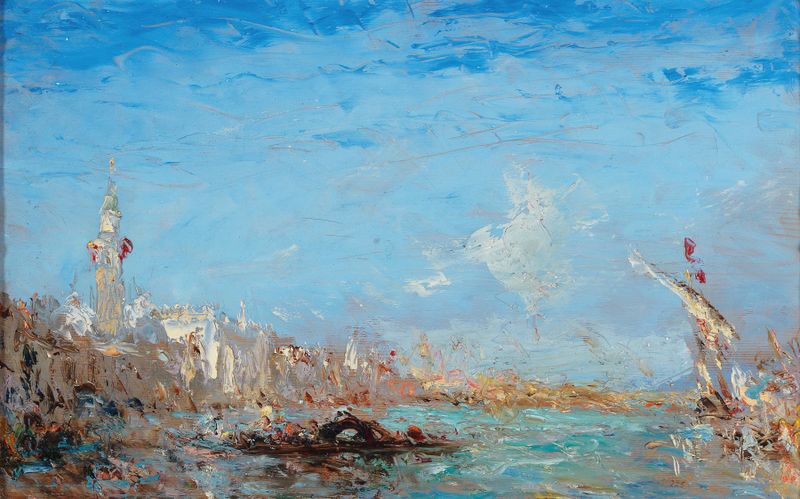
Canal Grande
Félix Ziem
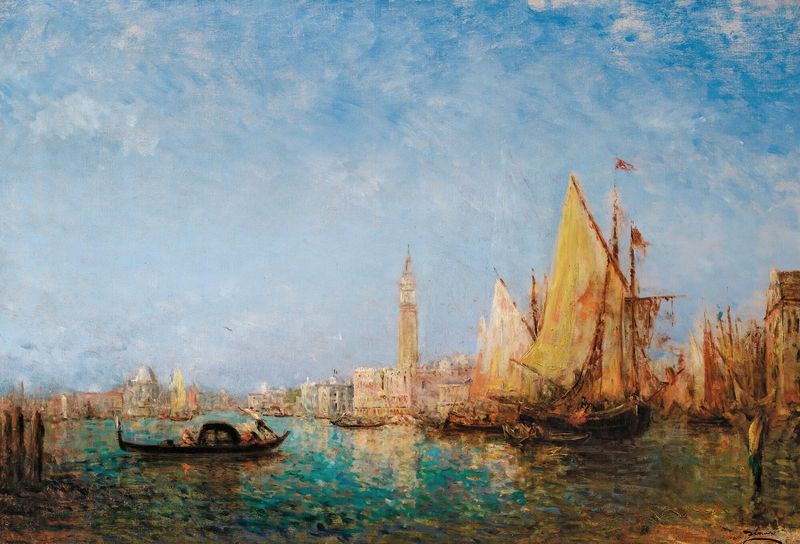
Le Palais Du Doge, Venise
Félix Ziem
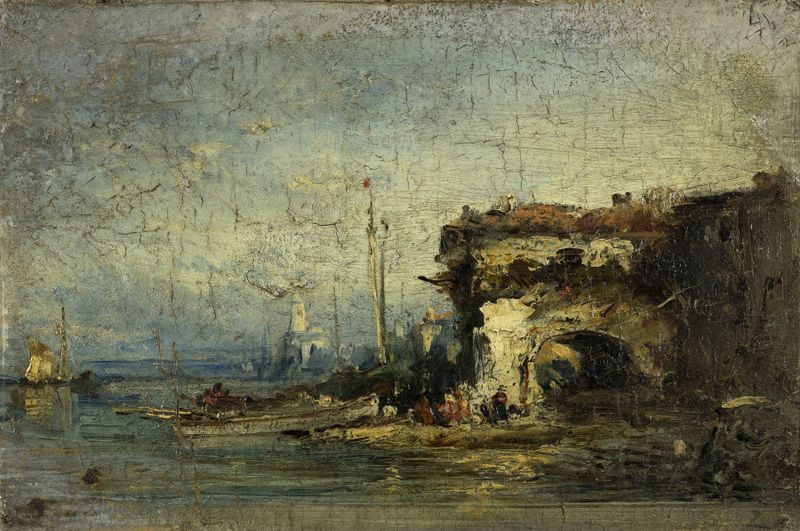
Vue d’Italie; la vieille porte
Félix Ziem
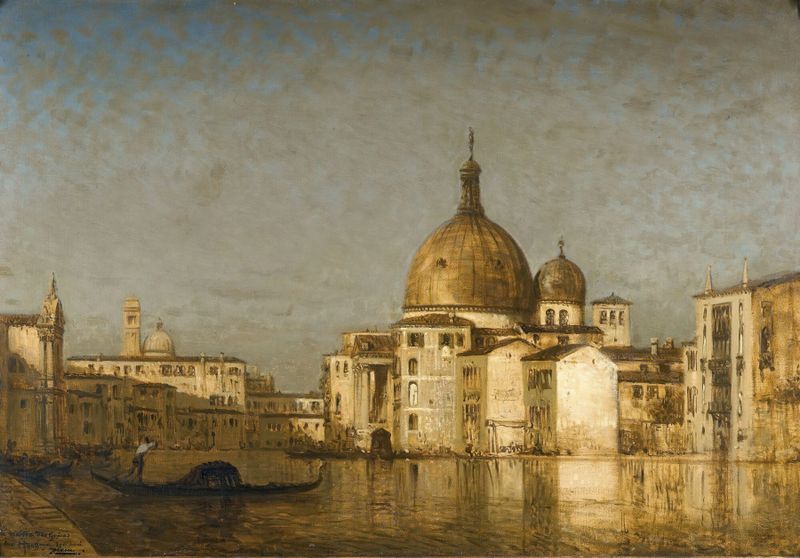
San Simeone Piccolo Au-Delà Du Grand Canal, Venis
Félix Ziem
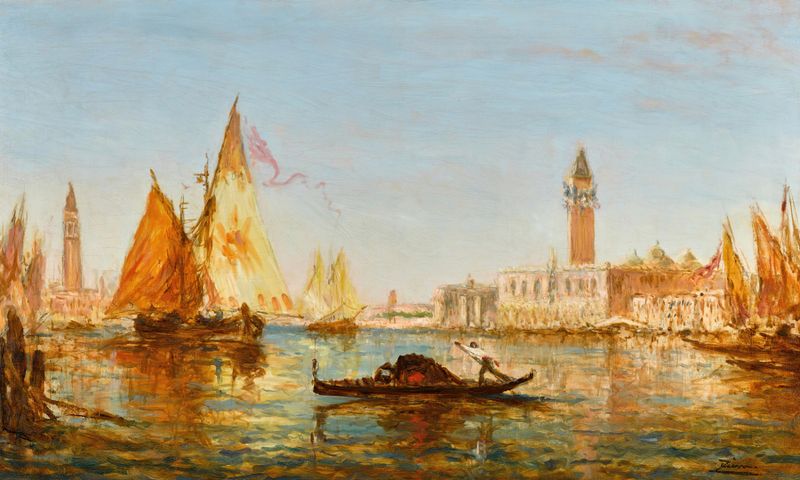
Venise, gondole et voiliers devant le Palais des doges et San Giorgio Maggiore
Félix Ziem





