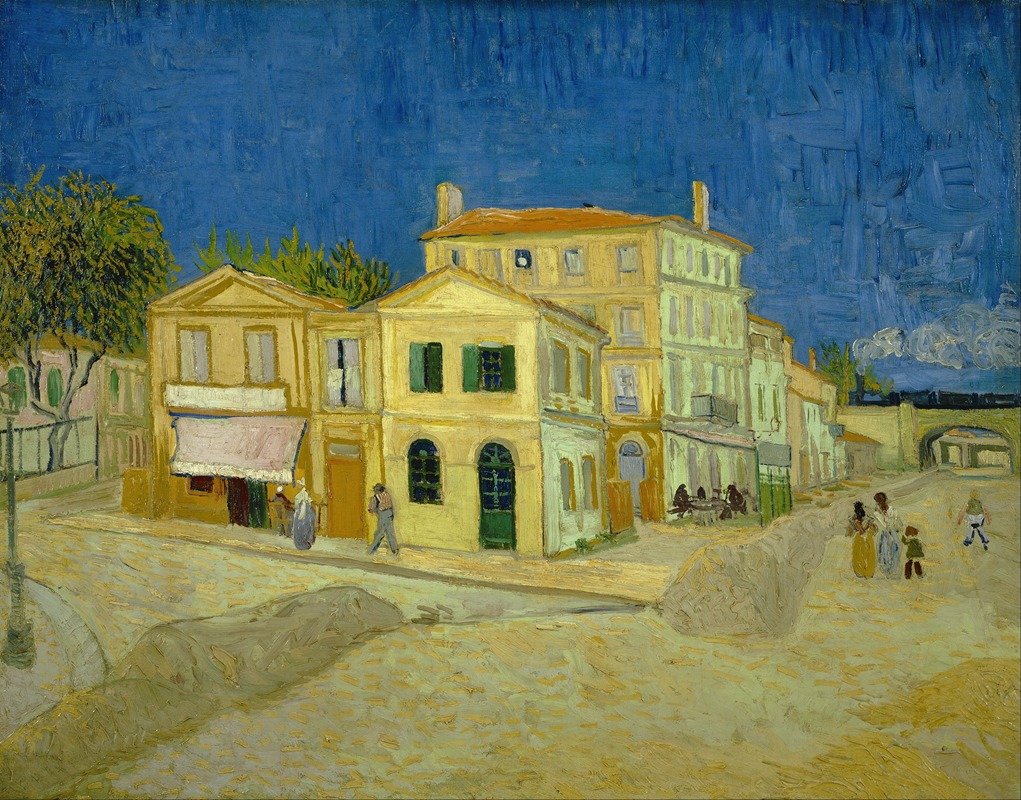
Discover insights about this artwork
Construction in progress — History & Facts
Construction in progress depicts a bustling scene filled with workers engaged in various tasks. The painting showcases a series of structures being built, with scaffolding and tools scattered throughout. You can see the earthy tones of brown and gray dominating the composition, reflecting the materials used in construction.
Bright highlights suggest sunlight filtering through the activity, adding a sense of movement and energy. Look closely at the figures in the painting; they appear animated, each absorbed in their work. The details of the tools and equipment reveal the labor-intensive nature of construction during this period. The arrangement of workers creates a dynamic rhythm, guiding your eye through the scene.
The painting captures a moment of progress and collaboration, emphasizing the human effort behind building. Francisco de Goya was a prominent Spanish painter known for his powerful imagery and social commentary. He created this work during a time when Spain was undergoing significant changes, both politically and socially. Goya's art often reflects the struggles and realities of life, making him a key figure in the transition to modern art.
One interesting fact is that Goya was a court painter, yet he often depicted the darker aspects of society, challenging the norms of his time.
More Artworks by Francisco de Goya
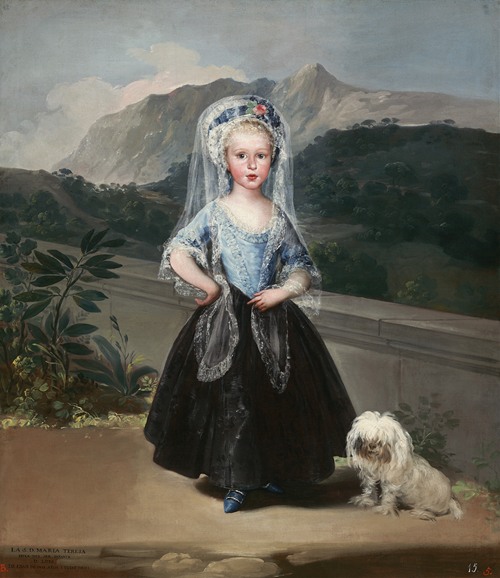
María Teresa de Borbón y Vallabriga,later Condesa de Chinchón
Francisco de Goya
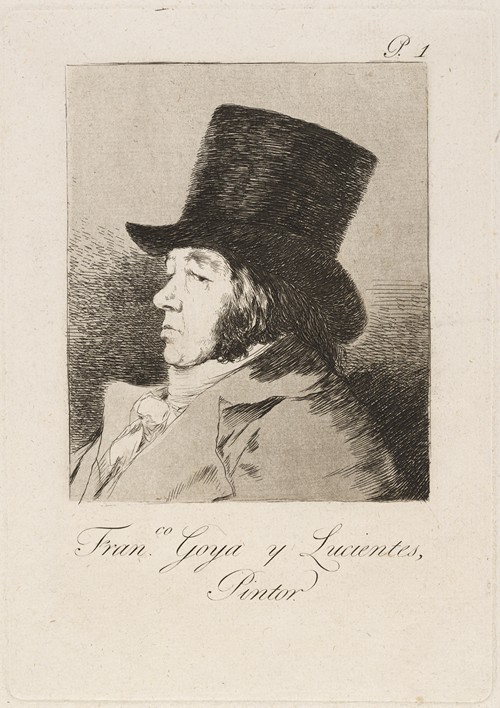
Francisco Goya y Lucientes, Pintor (Francisco Goya y Lucientes, painter)
Francisco de Goya
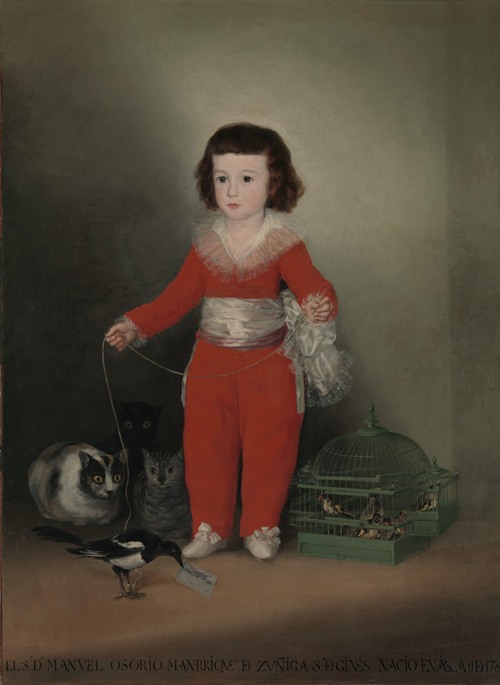
Manuel Osorio Manrique de Zuñiga (1784–1792)
Francisco de Goya
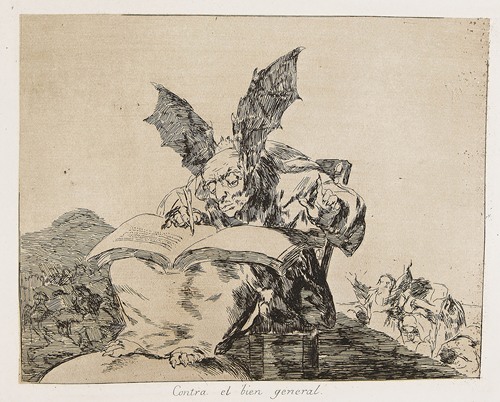
Los desastres de la guerra
Francisco de Goya
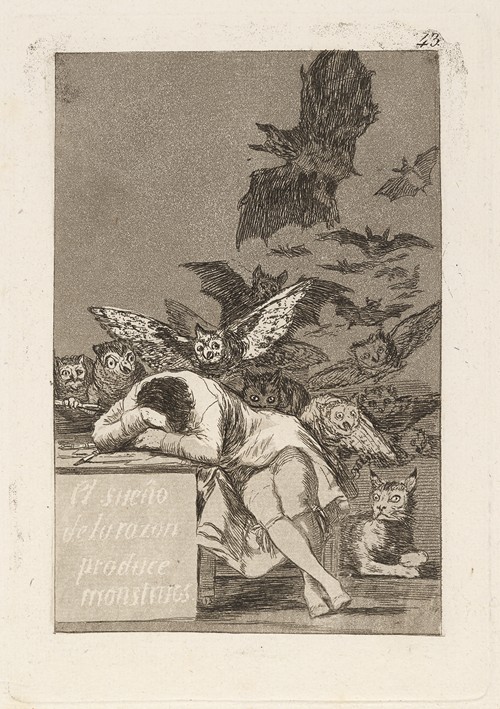
El sueño de la razon produce monstruos. (The sleep of reason produces monsters.)
Francisco de Goya
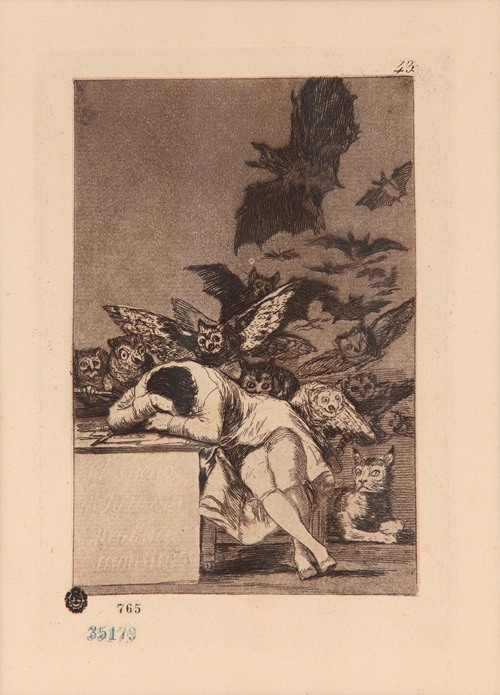
El sueño de la razon produce moustruos (Serie Caprichos)
Francisco de Goya
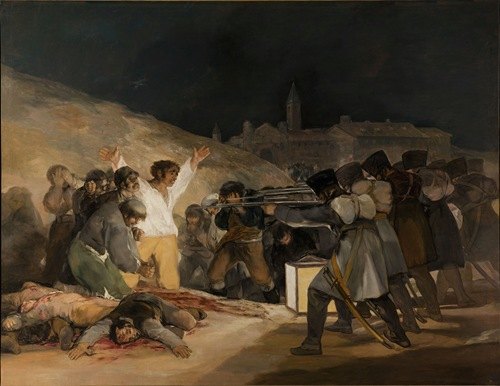
The Third of May
Francisco de Goya
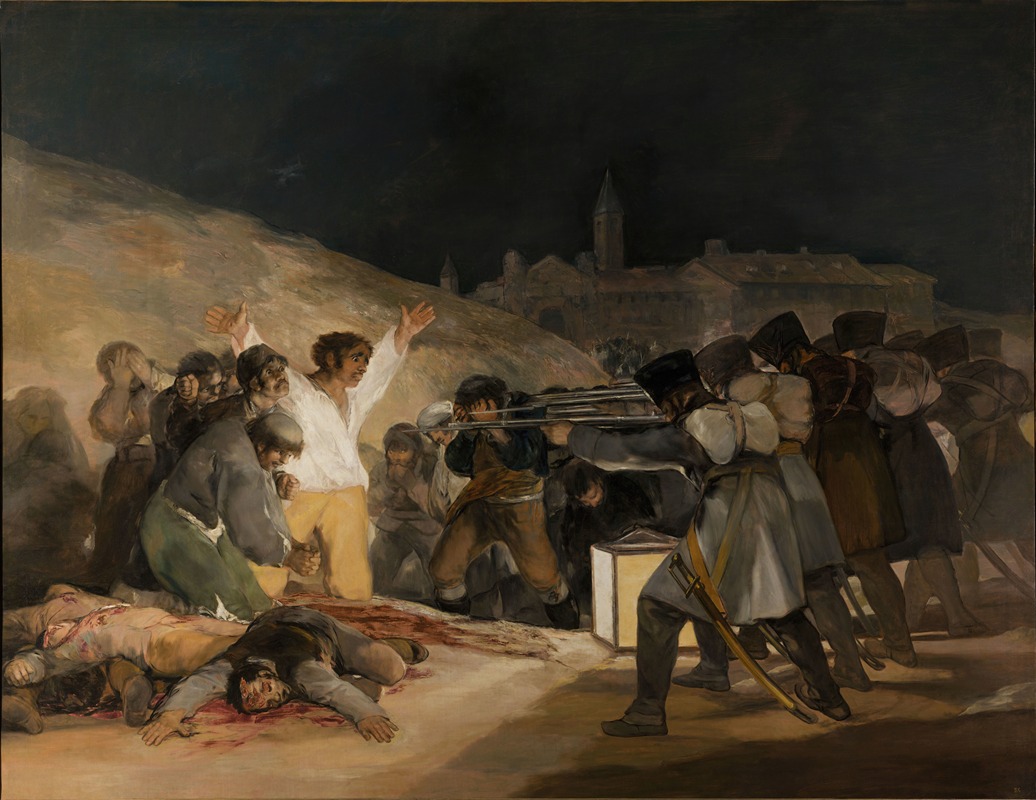
The Third of May 1808
Francisco de Goya
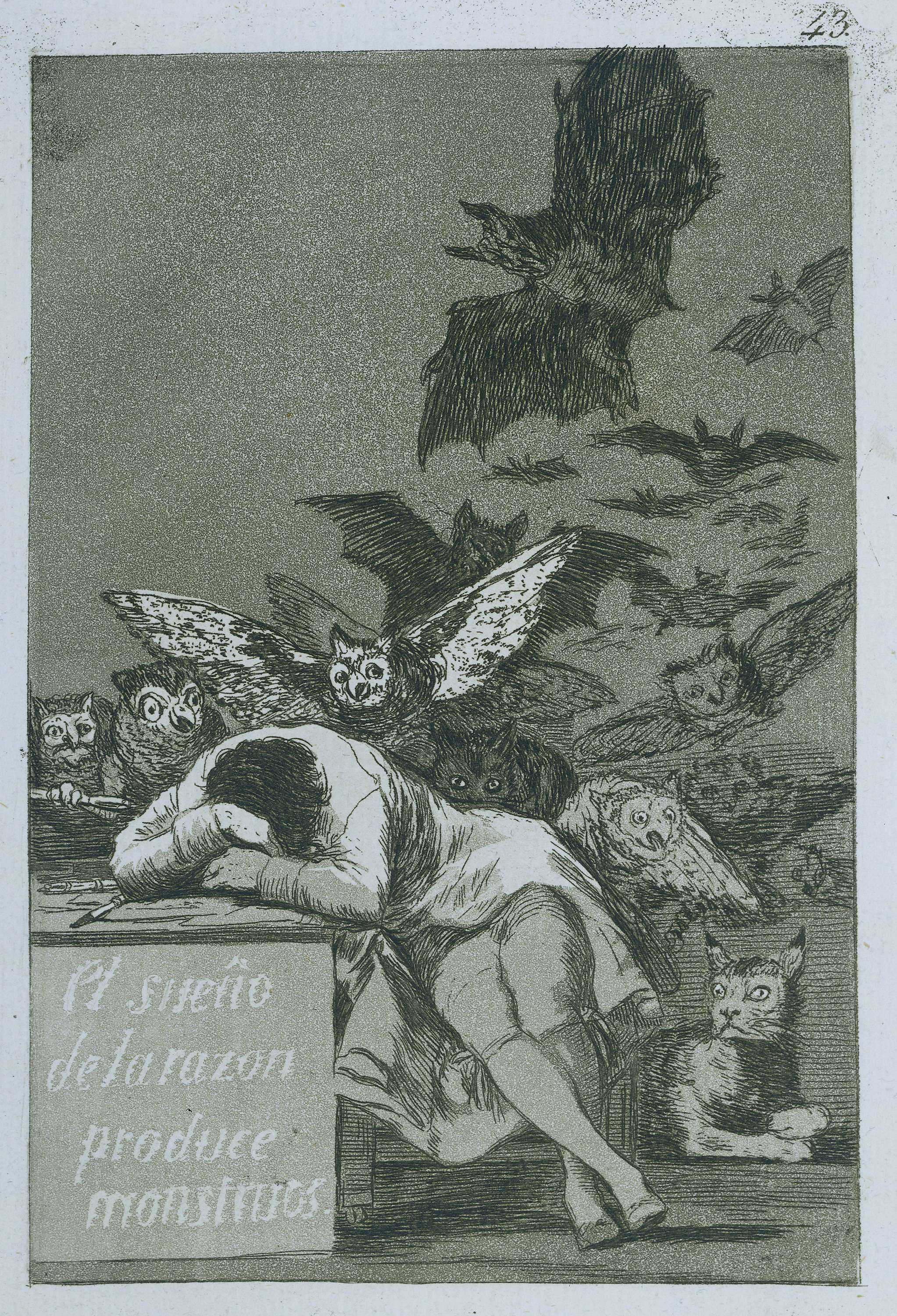
De slaap van de rede brengt monsters voort
Francisco de Goya
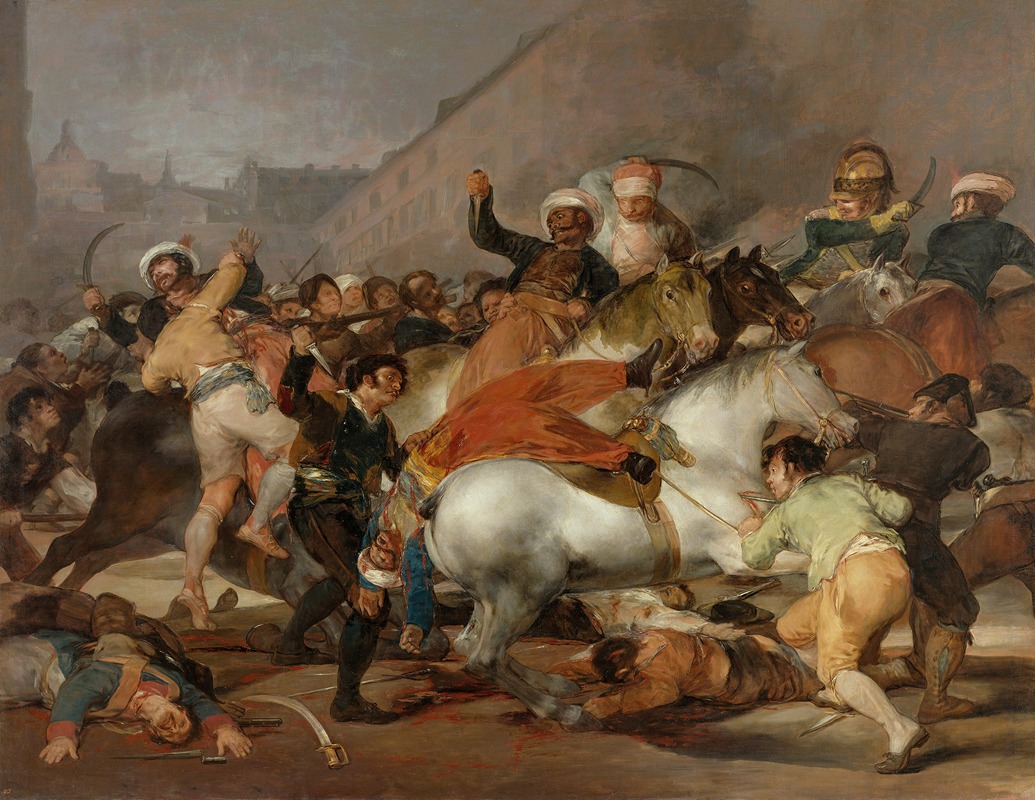
The Charge of the Mamelukes (1814)
Francisco de Goya