
Coon Alley — History & Facts
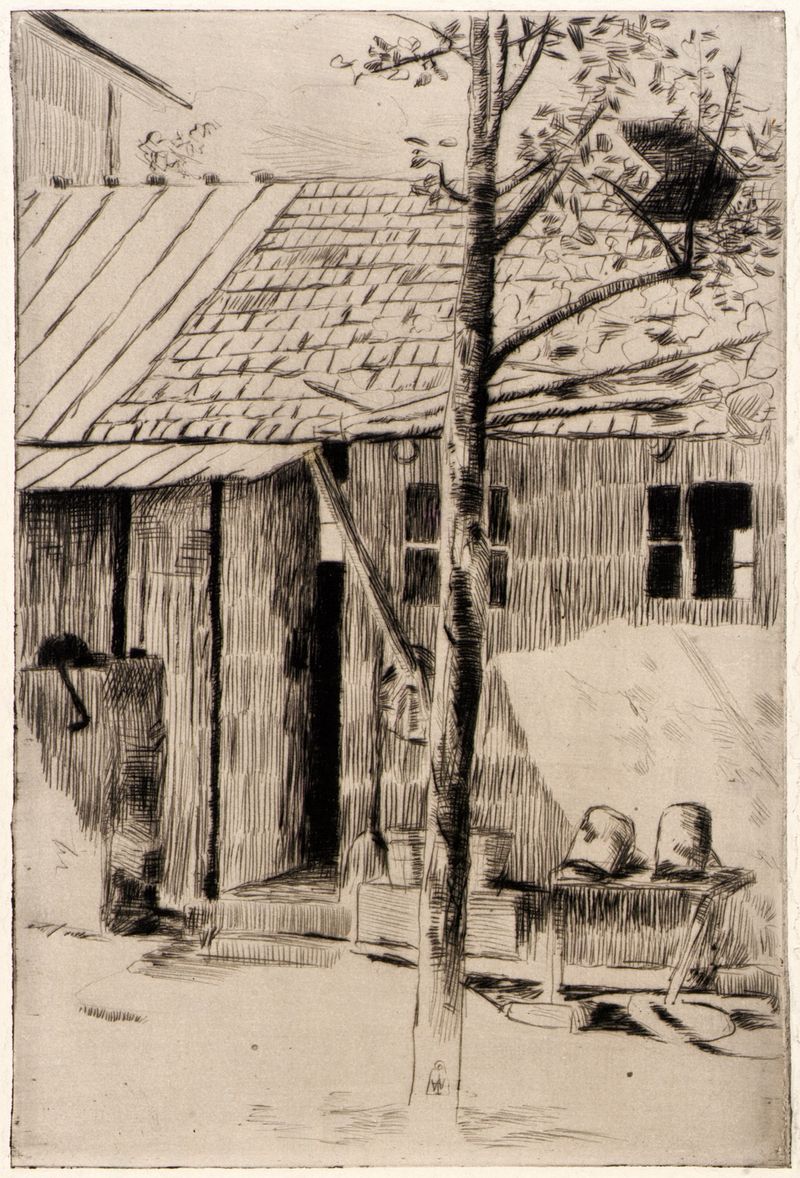
What secret hides in the quiet of the canvas? Each brushstroke whispers a story of awakening, beckoning the viewer to delve deeper into its serene depths. Look to the left where a gentle stream winds through the landscape, its surface reflecting dappled sunlight. The vibrant greens of the trees stand in striking contrast against the soft blues of the sky, drawing your eye into a natural harmony. Notice how the light falls upon the patches of grass, and how the artist's palette of earthy tones melds with the bursts of color, creating a vibrant yet peaceful scene that exudes tranquility and an almost sacred stillness. Beneath the surface beauty lies a profound emotional tension.
The solitary figure in the foreground, seemingly at peace, hints at an intimacy with the wild surroundings, suggesting a communion with nature that evokes solitude and reflection. Additionally, the juxtaposition of the flourishing greenery against the untouched tranquility of the water reveals a quiet strength and resilience, perhaps reflecting the artist’s own journey during a time of personal and creative exploration. Julian Alden Weir created Coon Alley between 1887 and 1893, during a transformative period in American art as artists were beginning to shift towards Impressionism. Living in Connecticut, Weir was influenced by the natural beauty that surrounded him, often capturing the essence of landscapes with a fresh perspective.
During these years, he sought to connect deeply with his subjects, paving the way for a new visual language in American painting that celebrated both nature and introspection.
More Artworks by Julian Alden Weir
Browse all →
My Back Yard no. 1
Julian Alden Weir
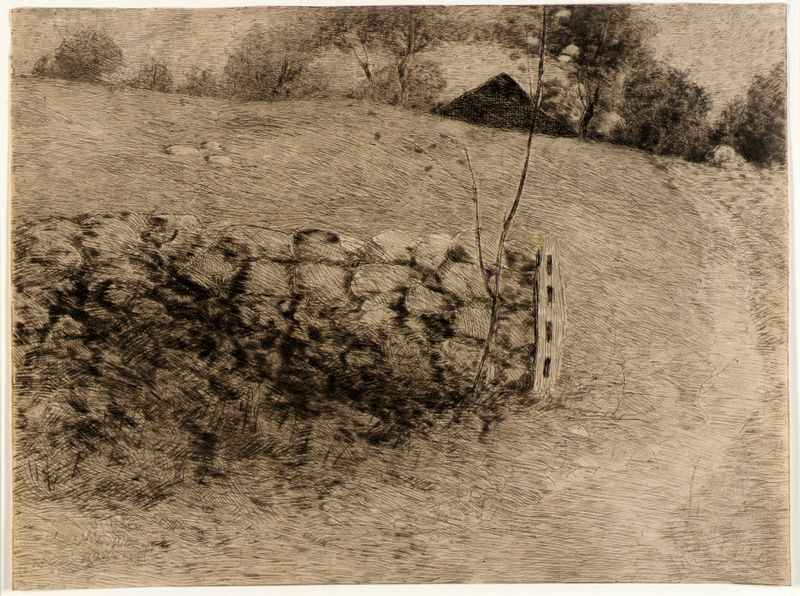
The Barn Lot
Julian Alden Weir

The Webb Farm
Julian Alden Weir
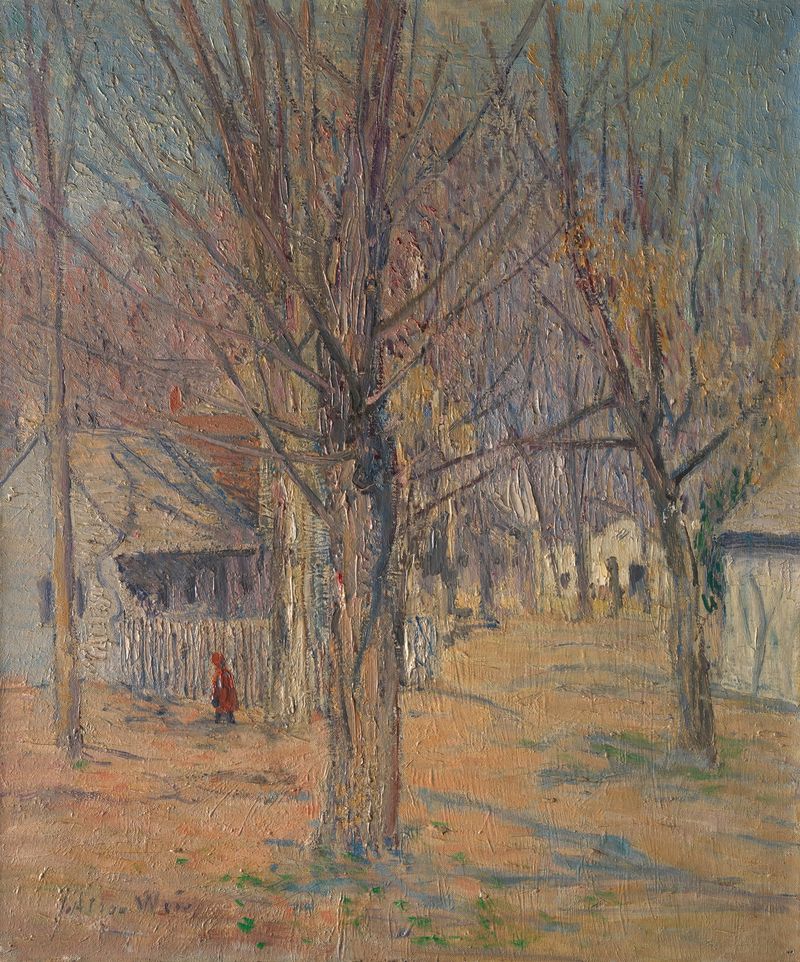
Connecticut Village (Going to School)
Julian Alden Weir

The Stone Bridge
Julian Alden Weir

The Webb Farm 2
Julian Alden Weir
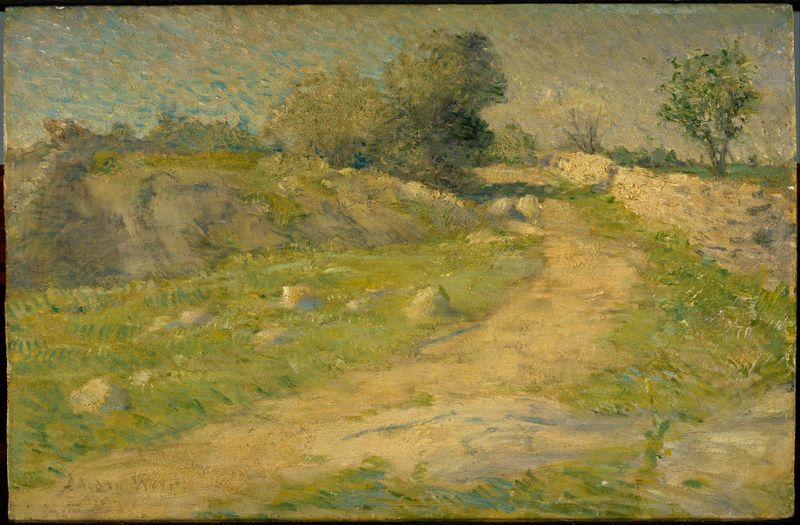
The Lane
Julian Alden Weir
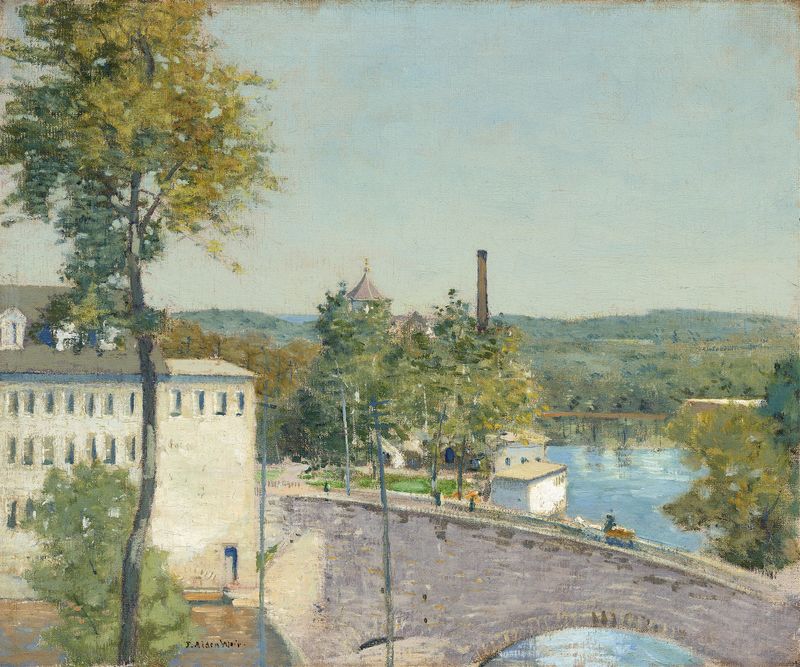
U.S. Thread Company Mills,Willimantic,Connecticut
Julian Alden Weir

Neighboring Farm
Julian Alden Weir
Kitchen Well
Julian Alden Weir





