
Neighboring Farm — History & Facts
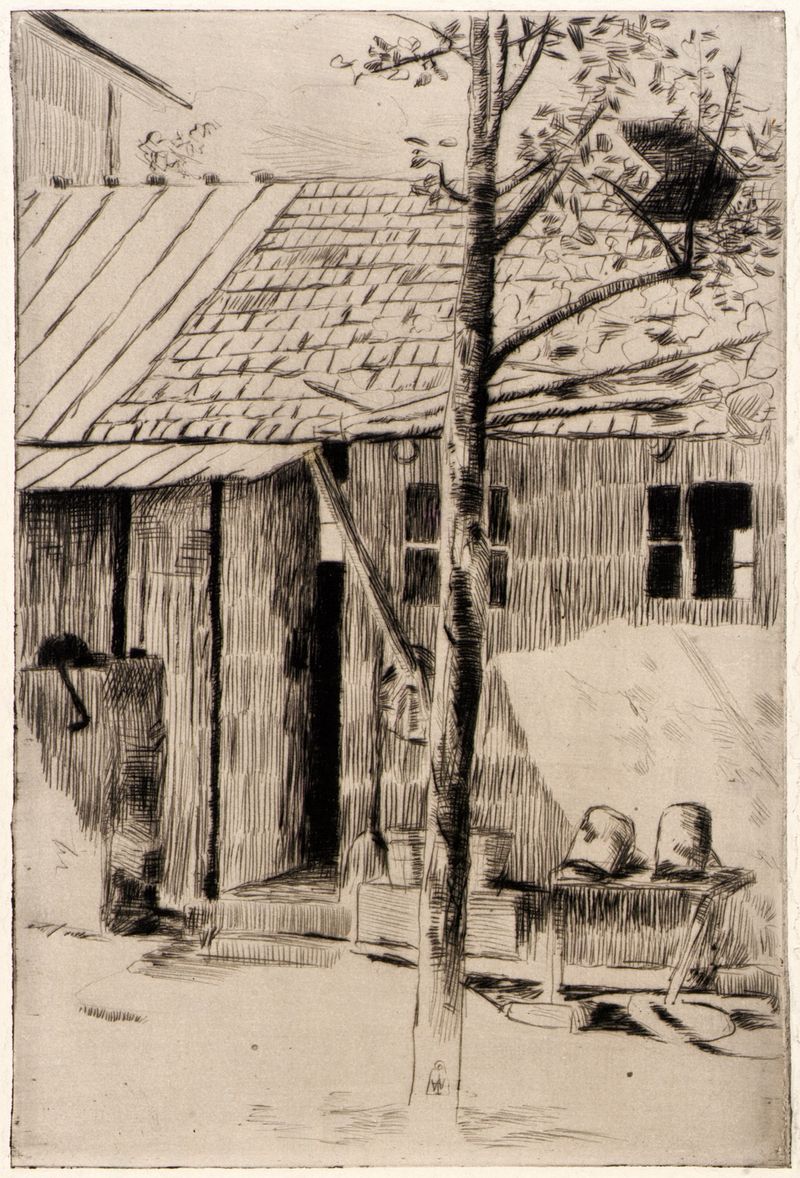
What if beauty was never meant to be finished? In the gentle embrace of nature, the horizon whispers secrets of creation, inviting contemplation and admiration in every stroke of paint. Look to the center of the canvas, where soft, rolling hills meet a tranquil sky, a harmonious blend of greens and blues. The brushwork is loose yet deliberate, creating a sense of movement that breathes life into the landscape. Notice how the dappled sunlight dances across the fields, illuminating patches of wildflowers that punctuate the rich greenery, infusing the scene with warmth and vibrancy.
The composition draws the eye naturally through the fields, leading to the distant farmhouse, nestled like a quiet secret amidst nature's abundance. Beneath the surface beauty lies a tension between the serenity of rural life and the transient nature of existence. Each element, from the grazing animals to the swaying grass, hints at the cyclical rhythms of life and the passage of time. The juxtaposition of light and shadow speaks to the duality of creation — the constant interplay of growth and decay, of beginnings and endings.
Such contrasts invite a deeper reflection on the relationship between humanity and the landscape that nurtures it. During the late 19th century, the artist painted this piece, a period of significant artistic exploration and transformation. Weir was influenced by the Impressionist movement, which sought to capture fleeting moments and the essence of light. This work reflects his engagement with nature, as he sought solace in the pastoral scenes of rural Connecticut amidst the changing tides of modernity and industrialization.
More Artworks by Julian Alden Weir
Browse all →
My Back Yard no. 1
Julian Alden Weir
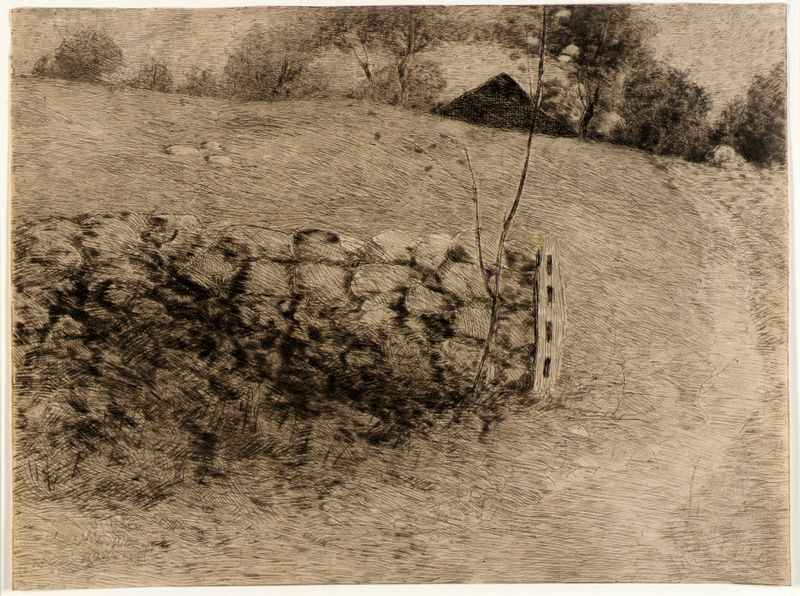
The Barn Lot
Julian Alden Weir

The Webb Farm
Julian Alden Weir
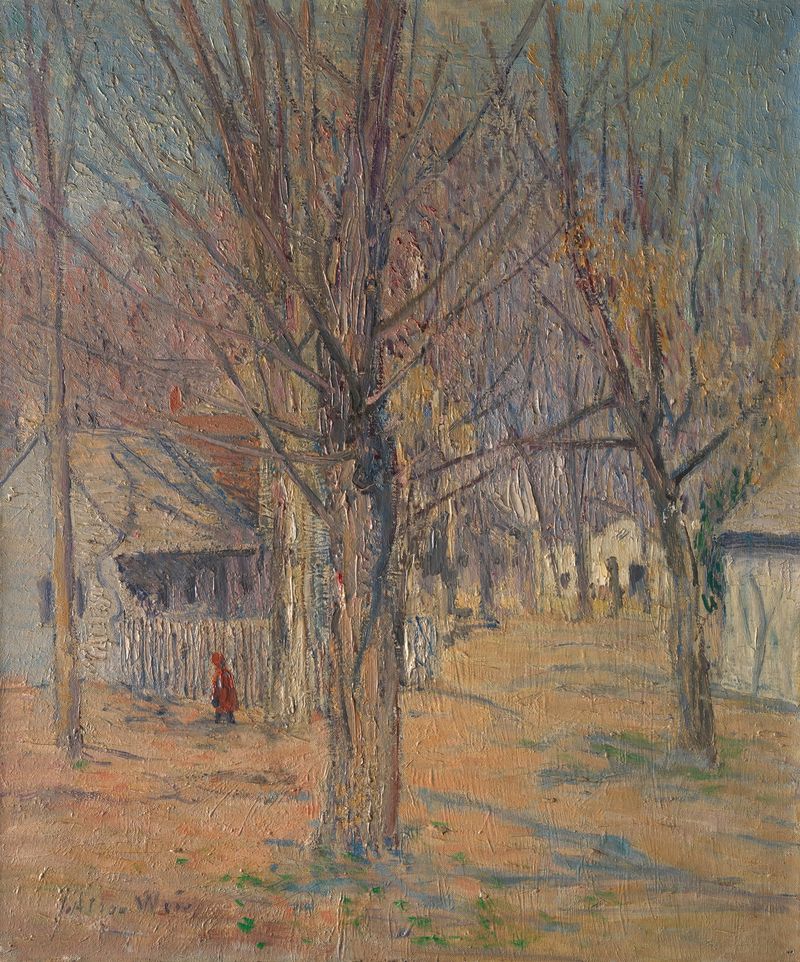
Connecticut Village (Going to School)
Julian Alden Weir

The Stone Bridge
Julian Alden Weir

The Webb Farm 2
Julian Alden Weir
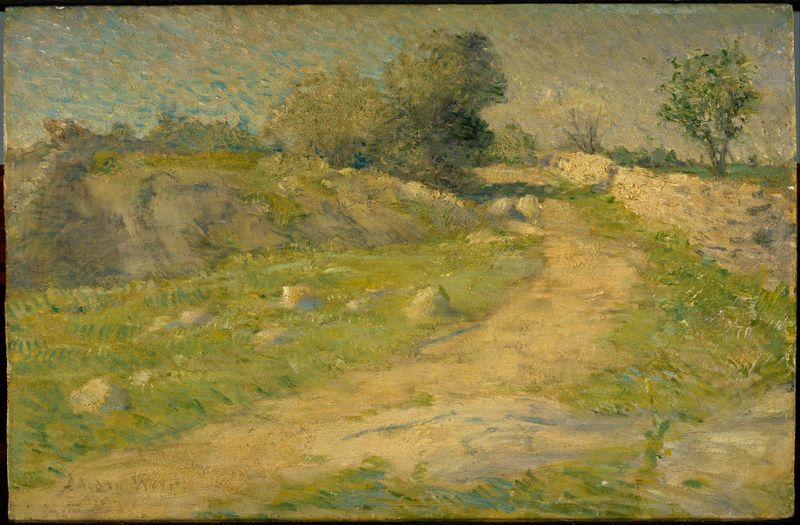
The Lane
Julian Alden Weir
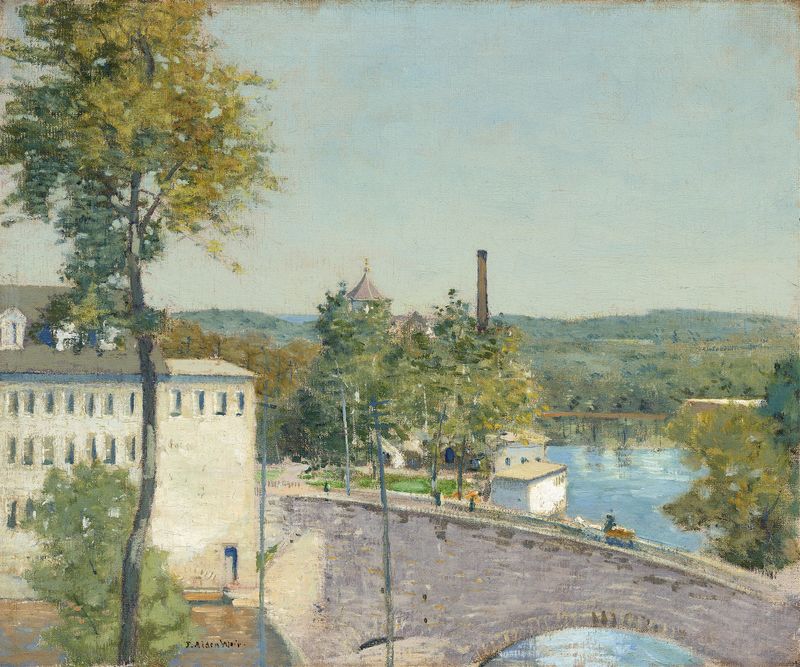
U.S. Thread Company Mills,Willimantic,Connecticut
Julian Alden Weir

Coon Alley
Julian Alden Weir
Kitchen Well
Julian Alden Weir





