
The Webb Farm 2 — History & Facts
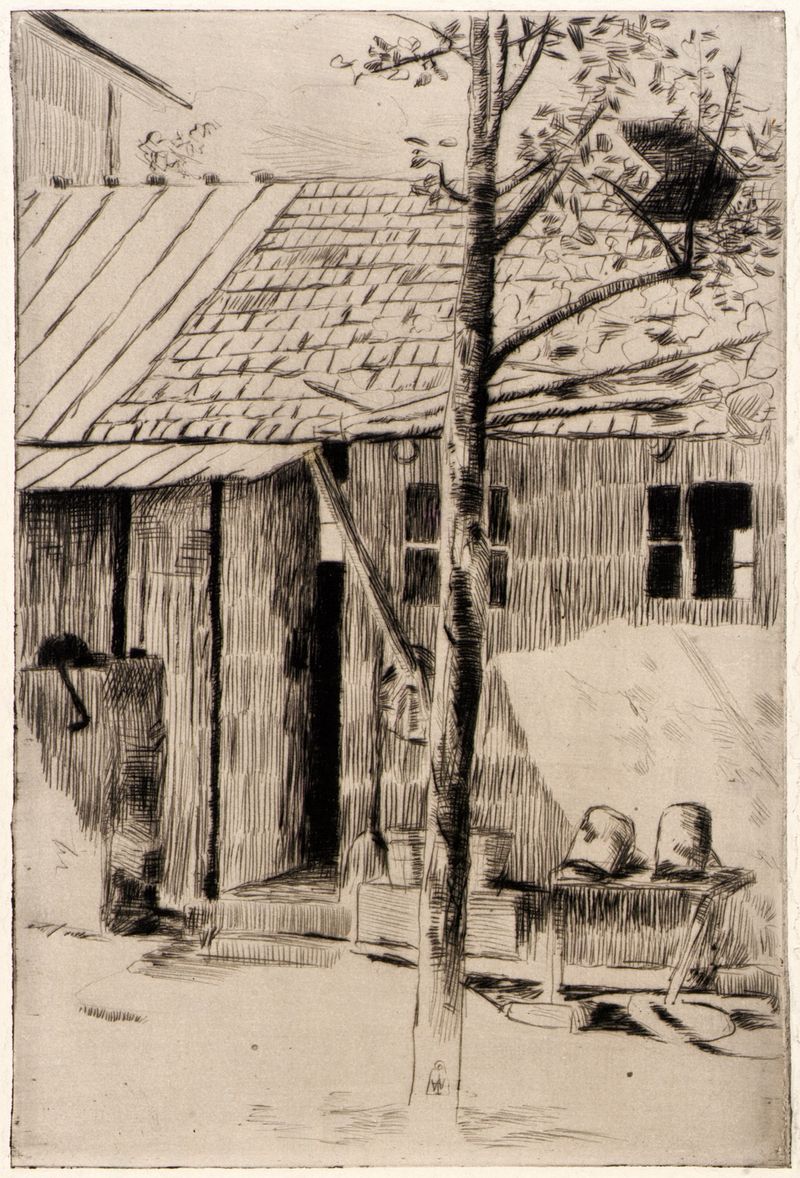
This sentiment resonates deeply within the layers of color and emotion found in The Webb Farm 2. The vibrancy and palpable energy of the palette tell a story that transcends the canvas, inviting viewers to recall their own memories tied to the hues of nature. Look to the rich greens that blanket the fields and frame the farmstead, drawing your gaze to the central structure nestled among the trees. Notice how the sunlight dances across the landscape, illuminating the roof with a golden sheen that contrasts beautifully with the cool shades below.
The interplay of light and shadow creates a dynamic tension, as if the farm itself breathes in the warm summer air, captured in this moment of serenity. As you delve deeper, the emotional undertones become apparent. The juxtaposition of the bustling farm life against the tranquil backdrop symbolizes both progress and nostalgia—the relentless passage of time intertwined with the essence of rural existence. Small details, like the gentle sway of the grass, evoke a sense of calm, while the hidden figures at work hint at the industrious nature of humanity.
Each element in the composition speaks to a larger narrative about life, labor, and the beauty of simple moments. During the years 1887 to 1893, Weir was immersed in the American Impressionist movement, which emphasized light and color as central themes in representing the world. Living and painting in Connecticut, his focus on rural landscapes reflected both personal and societal shifts, as America experienced rapid industrialization. This work stands as a testament not only to his artistic evolution but also to a broader cultural appreciation of the natural world amidst changing times.
More Artworks by Julian Alden Weir
Browse all →
My Back Yard no. 1
Julian Alden Weir
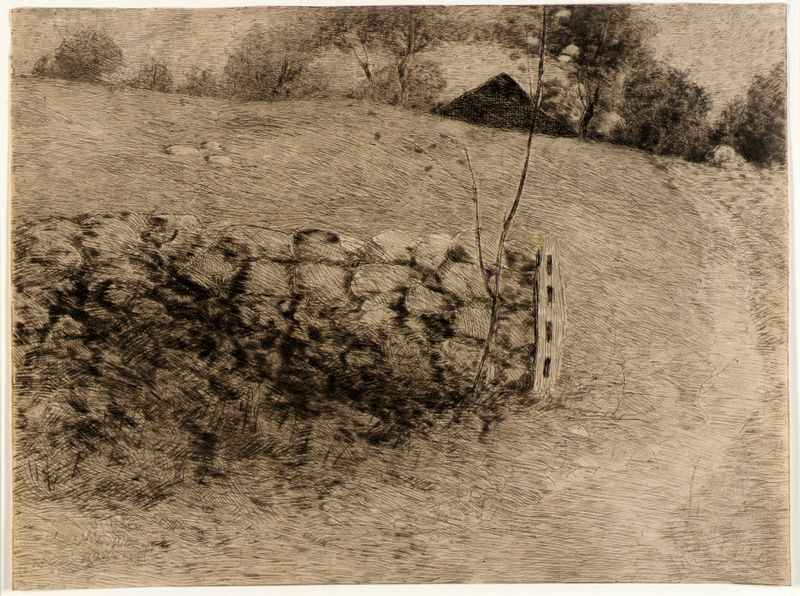
The Barn Lot
Julian Alden Weir

The Webb Farm
Julian Alden Weir
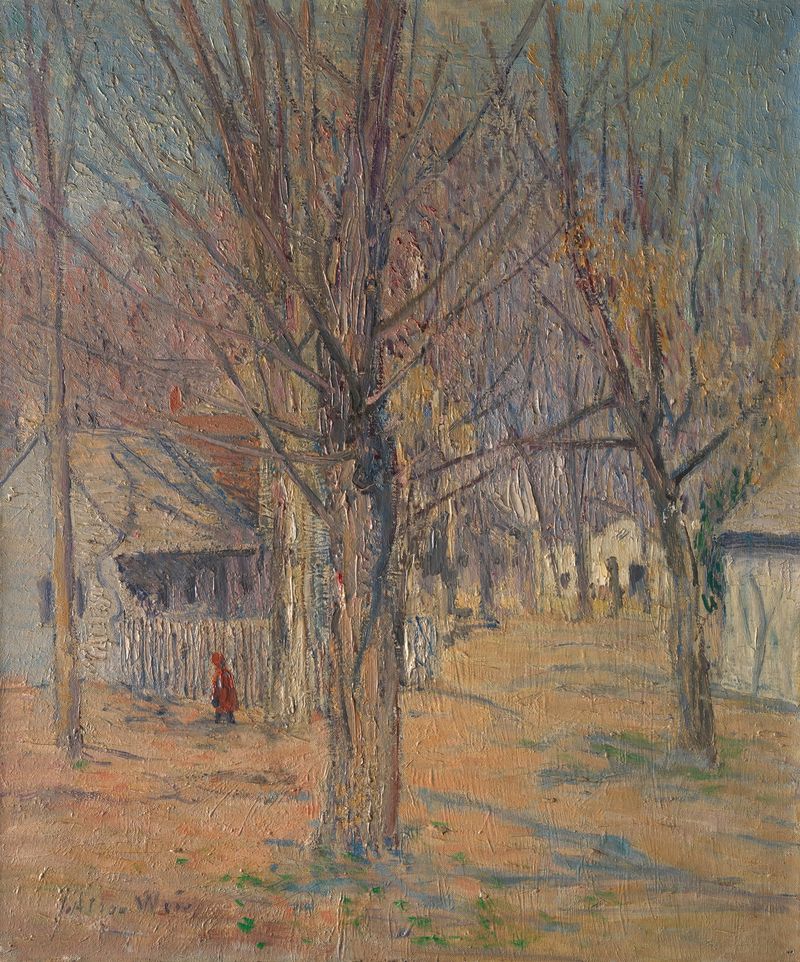
Connecticut Village (Going to School)
Julian Alden Weir

The Stone Bridge
Julian Alden Weir
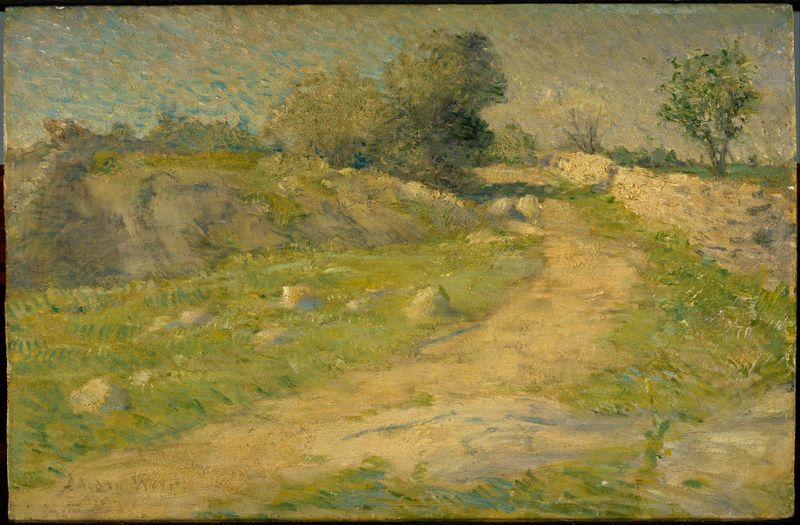
The Lane
Julian Alden Weir
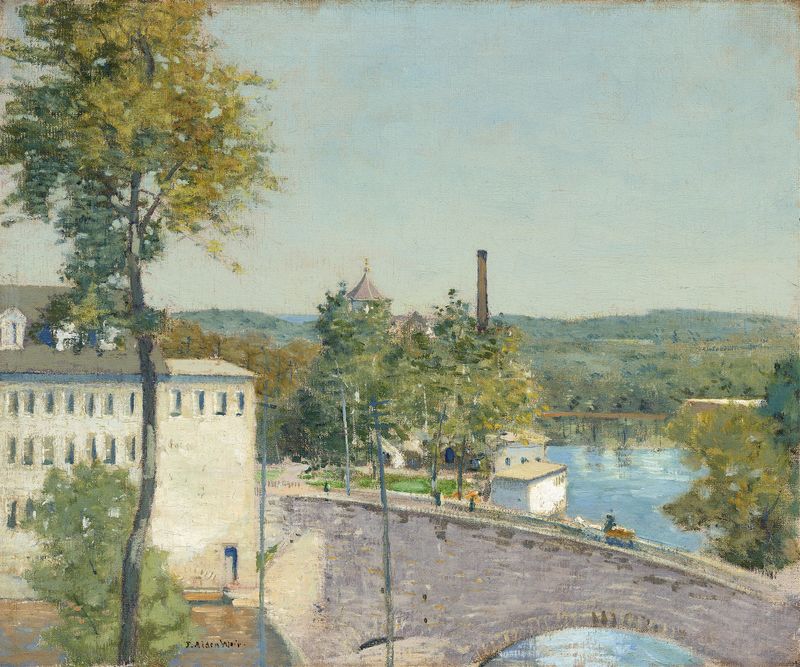
U.S. Thread Company Mills,Willimantic,Connecticut
Julian Alden Weir

Neighboring Farm
Julian Alden Weir

Coon Alley
Julian Alden Weir
Kitchen Well
Julian Alden Weir





