Cordoba — History & Facts
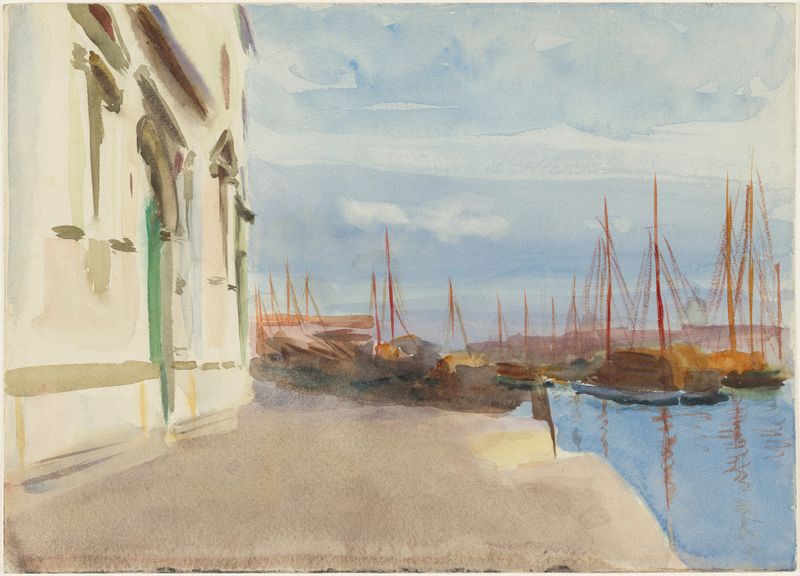
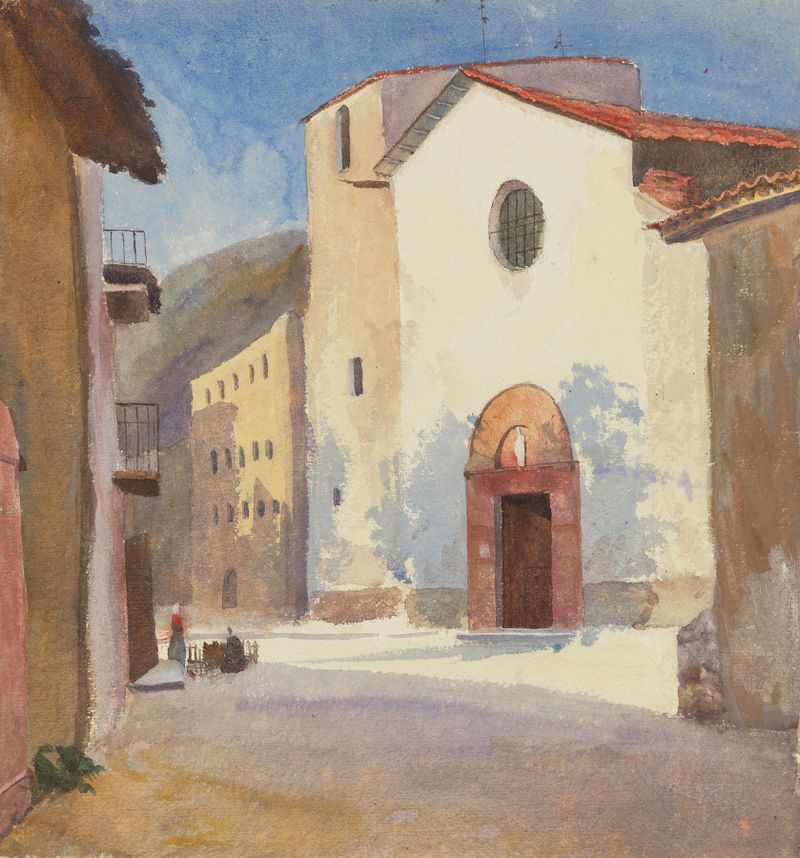
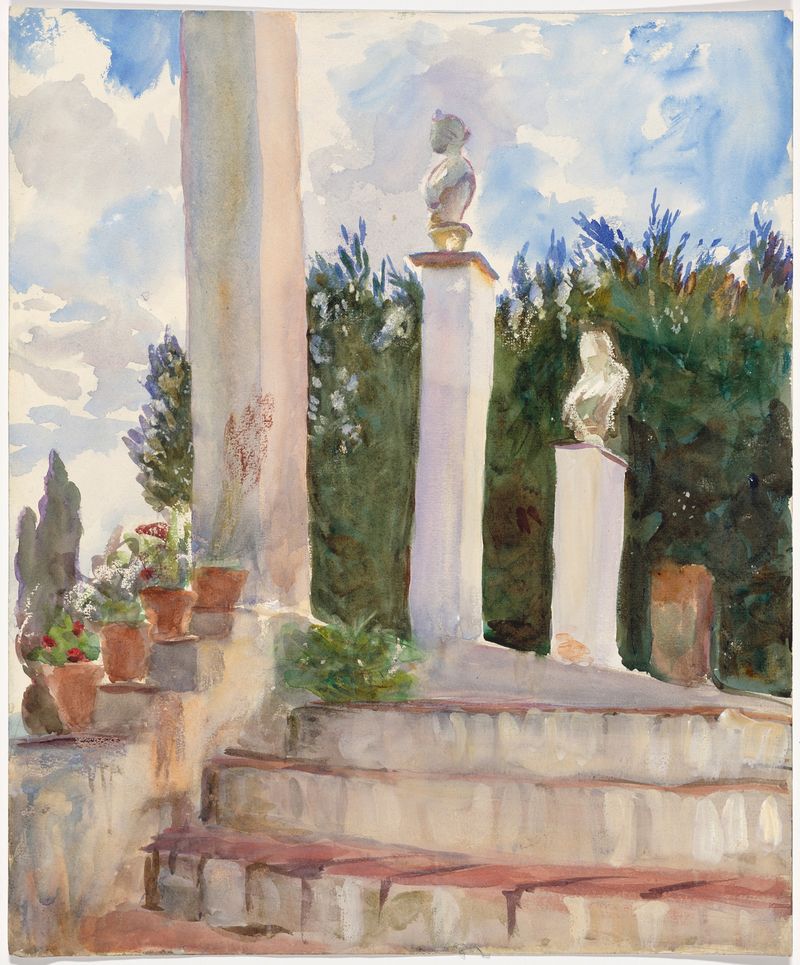
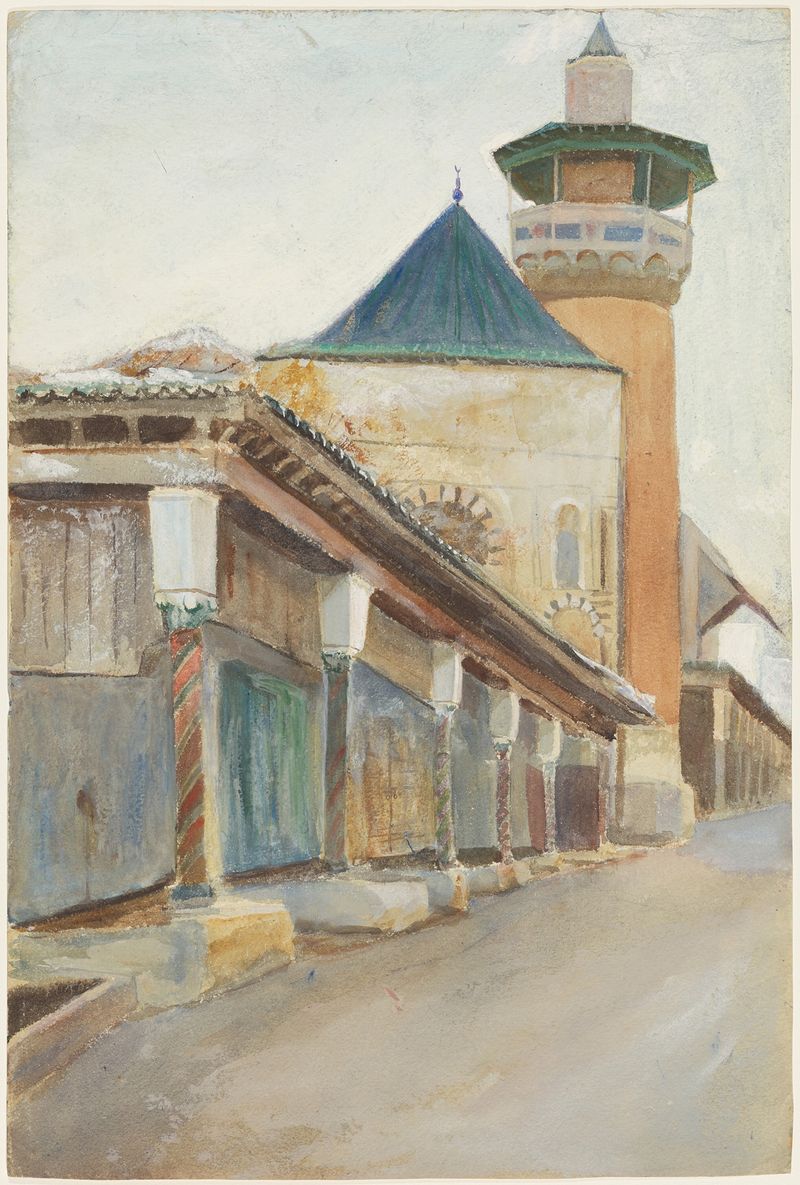
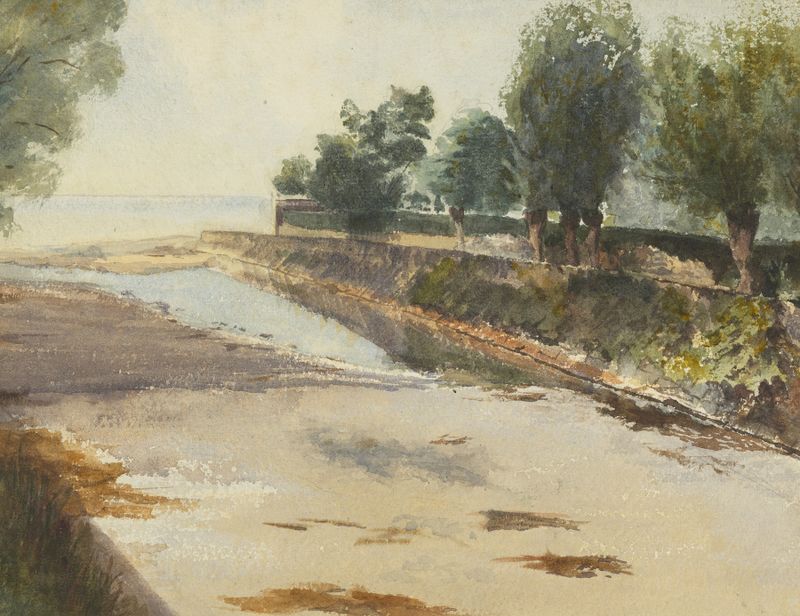
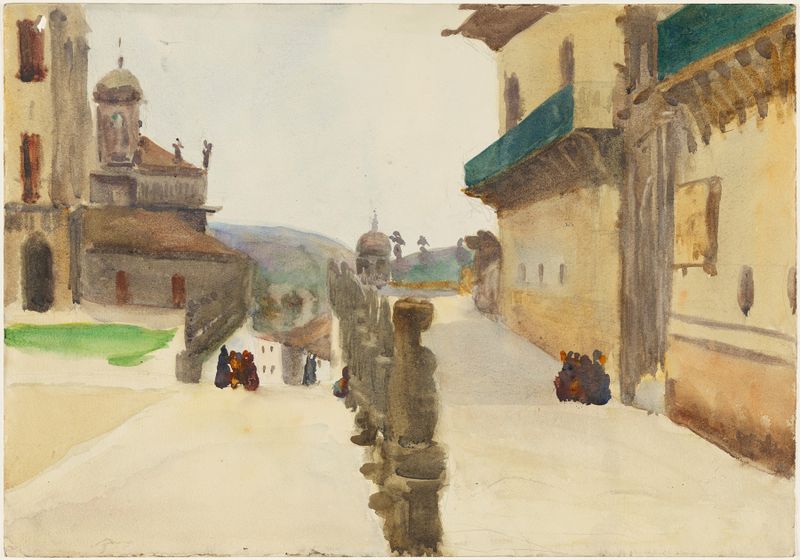
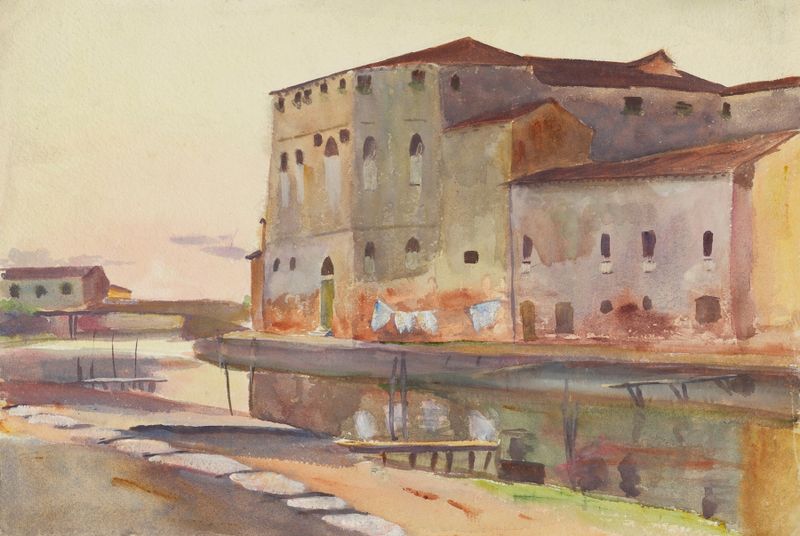
What secret hides in the quiet of the canvas? In Cordoba, the stillness speaks volumes, beckoning the viewer to discover the rebirth of its essence through soft colors and gentle forms. Look to the center, where the vibrant hues of orange and ochre swirl together, encapsulating the essence of the sun-drenched streets. Notice how the light falls upon the intricate details of the architecture, casting shadows that dance like whispers of history. The delicate brushwork suggests movement, as if the scene is alive, yet it remains suspended in time, urging contemplation while exuding warmth. Delve deeper into the subtle contrasts present; the juxtaposition of light and shadow conveys a sense of emotional duality—serenity intertwined with longing.
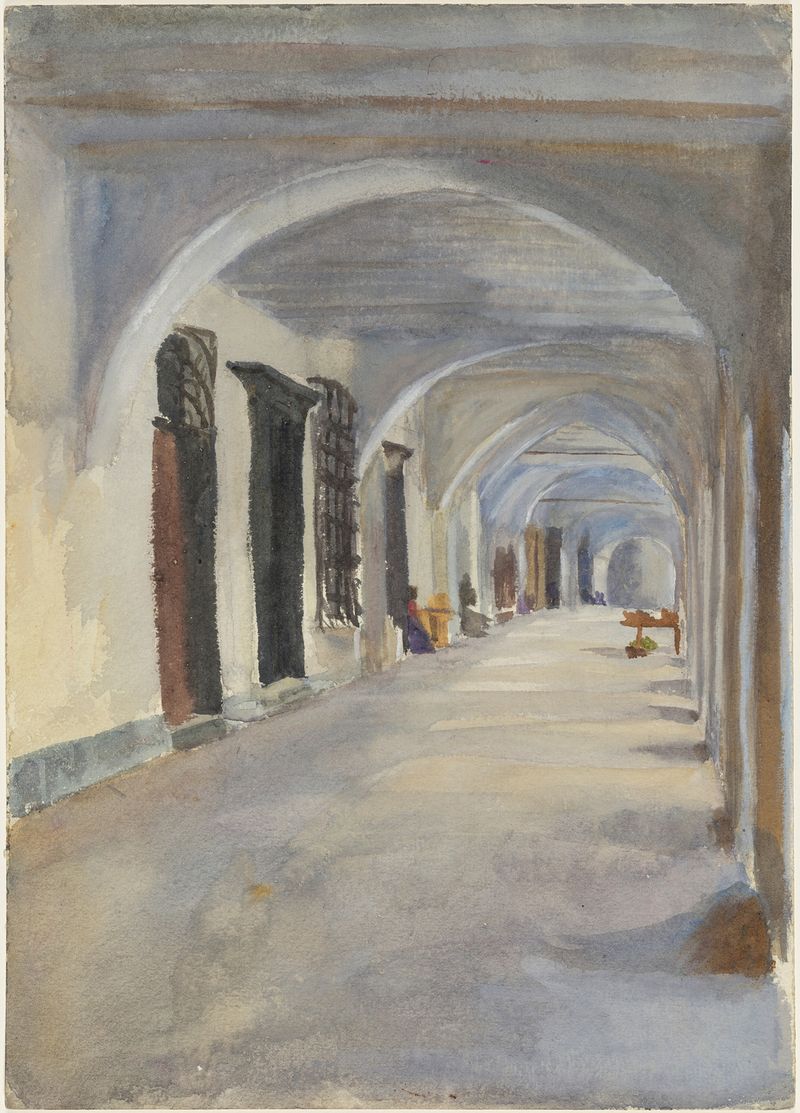
The archways invite you into a layered narrative, suggesting both a passage and a threshold between the past and the present. Each element embodies a whisper of rebirth, hinting at the cycles of life and the stories woven into the walls of Cordoba. In 1904, Emily Sargent painted this scene during a period of personal exploration and transformation in her artistic journey. She was traveling through Spain, capturing the rich culture and landscapes that inspired her.
This period marked a shift in her style towards a more intimate and impressionistic approach, as she sought to express the beauty and history of her surroundings amidst a rapidly modernizing world.