Granada — History & Facts
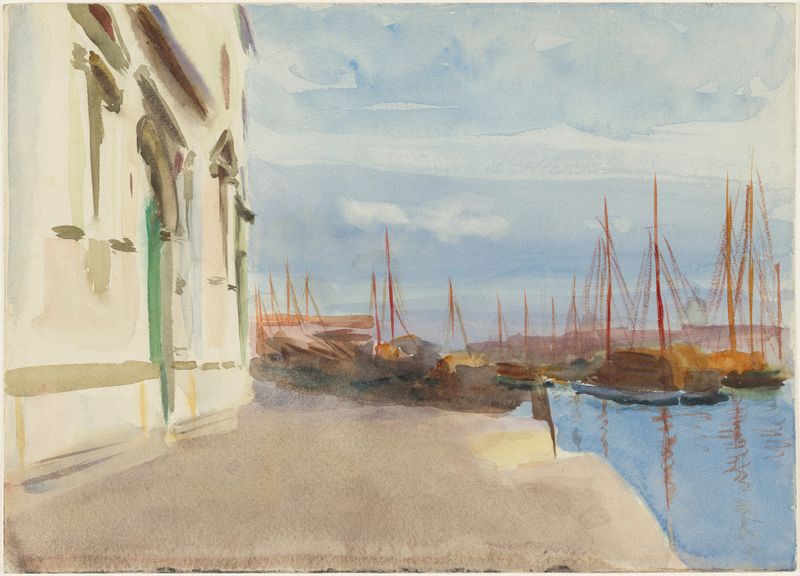
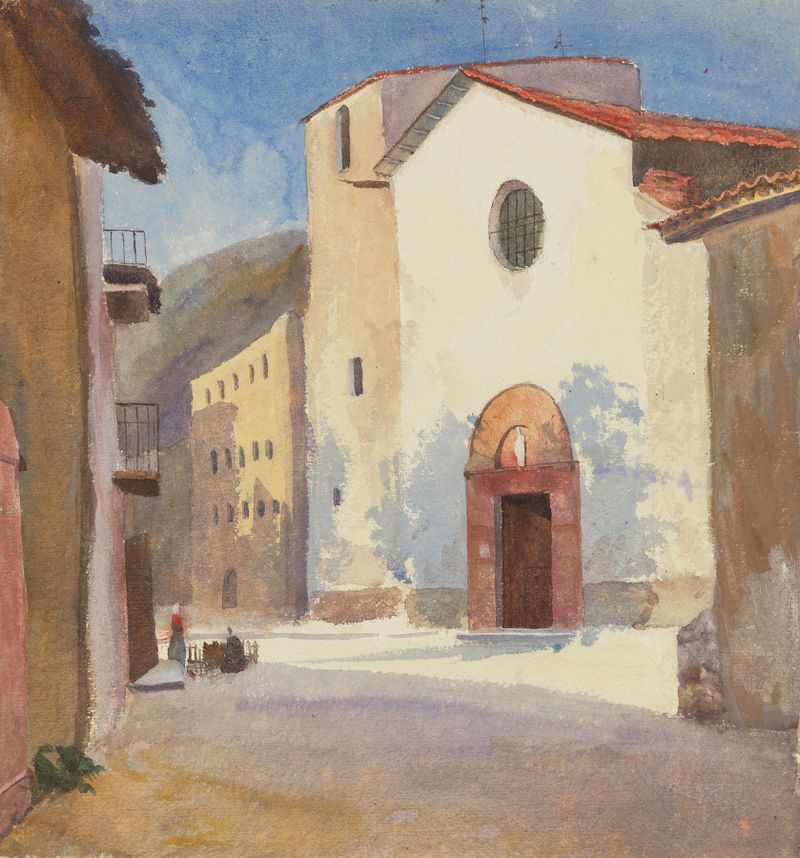
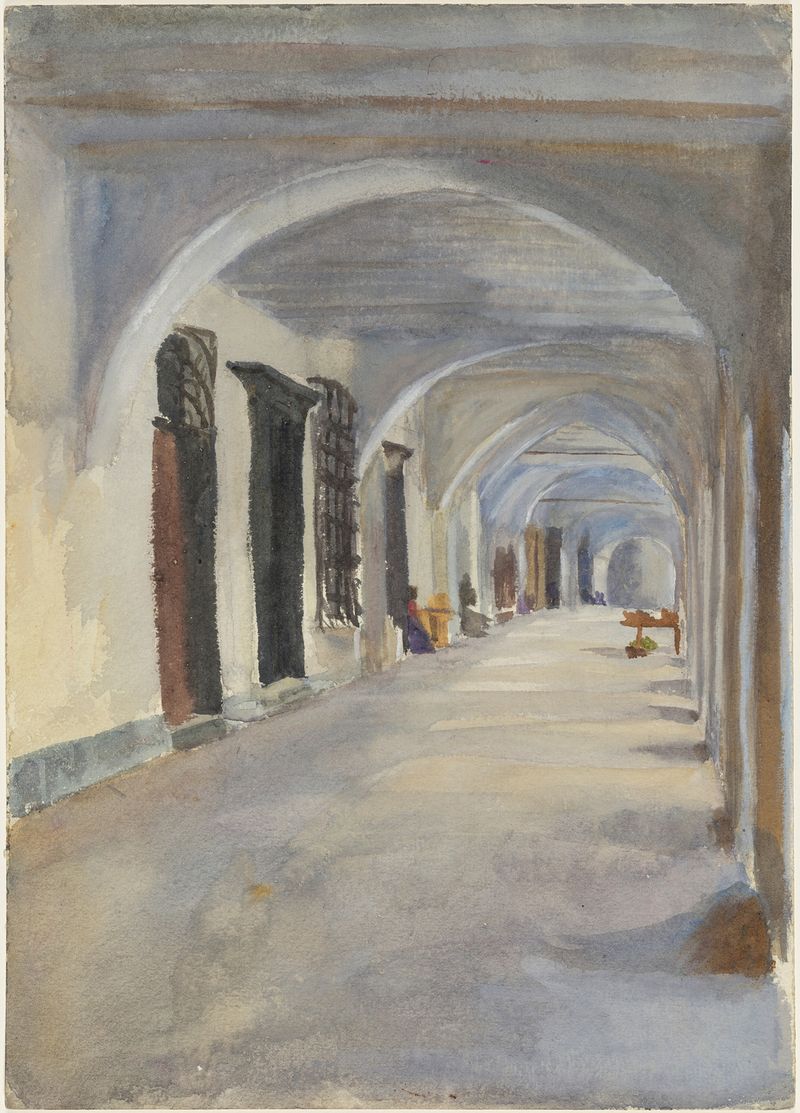
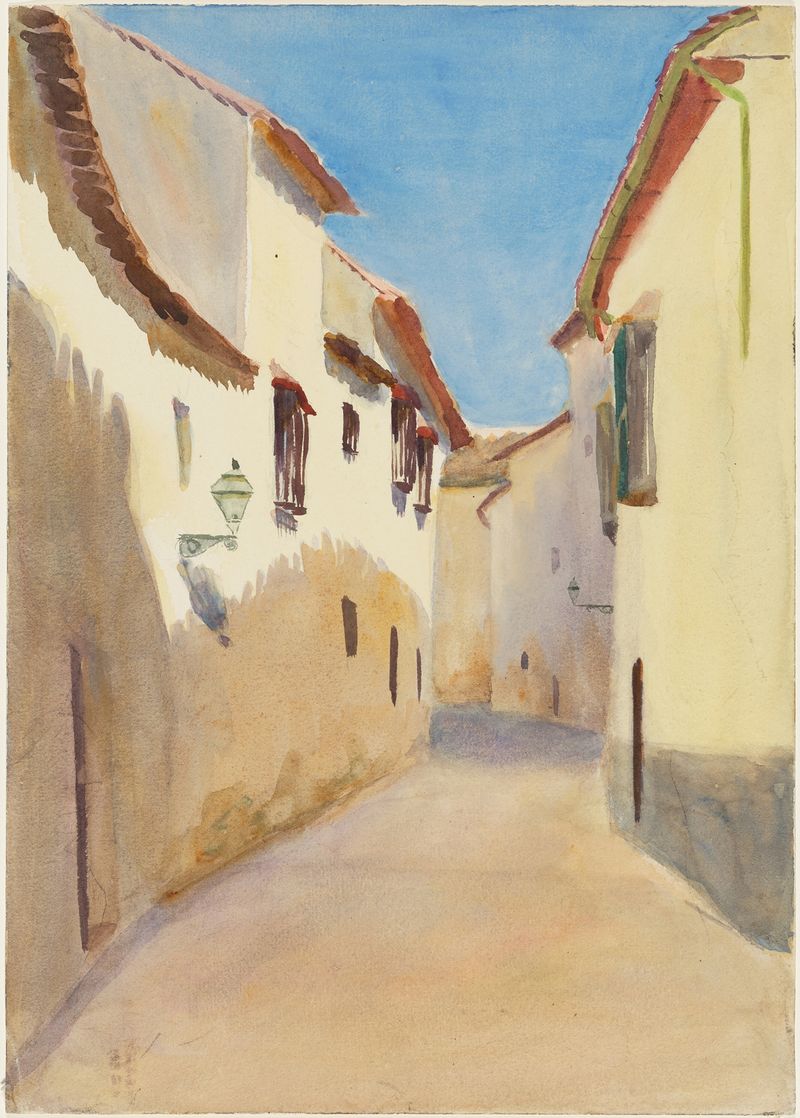
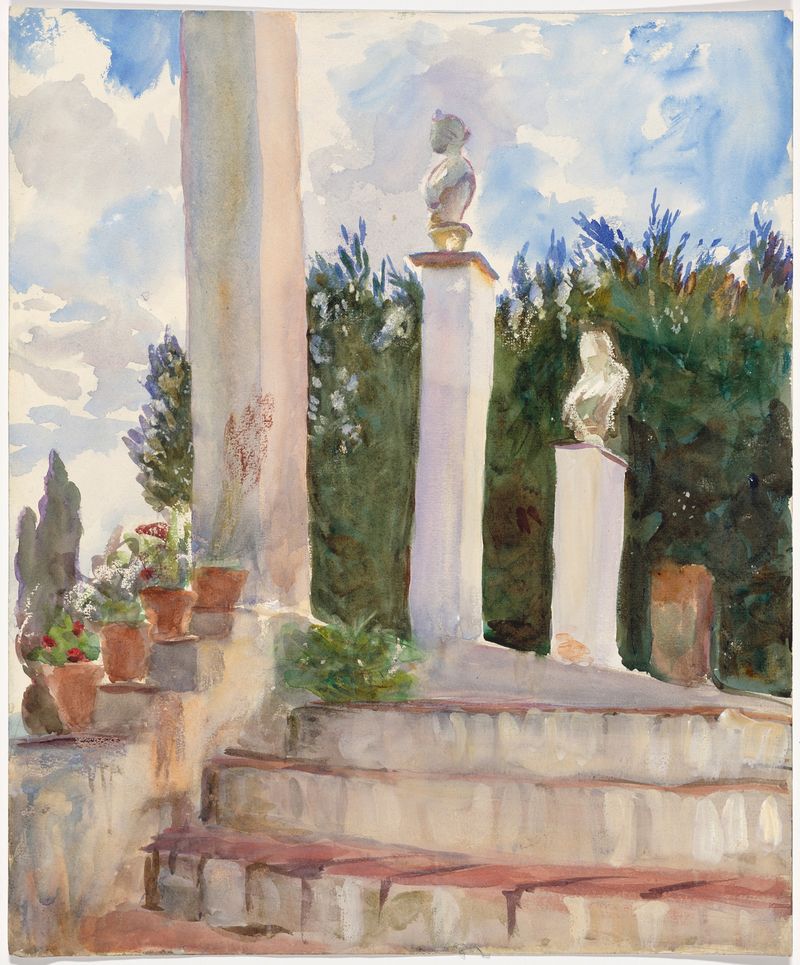
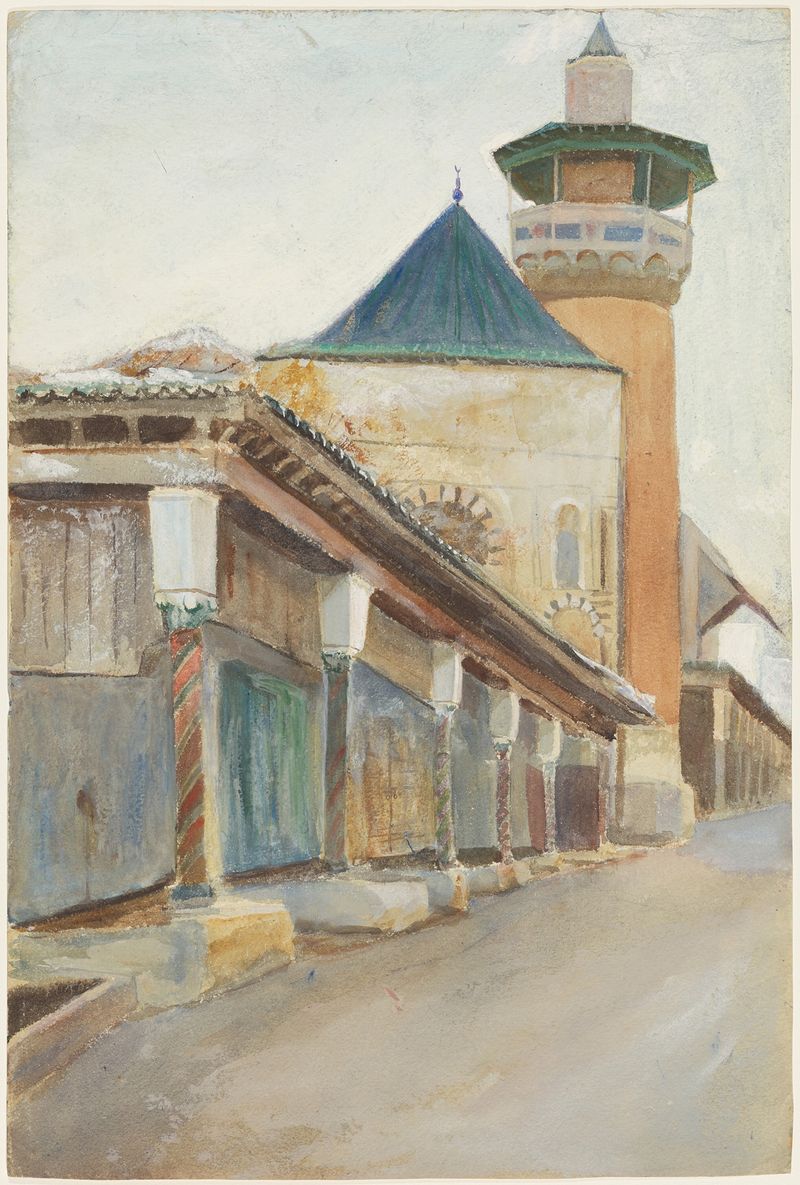
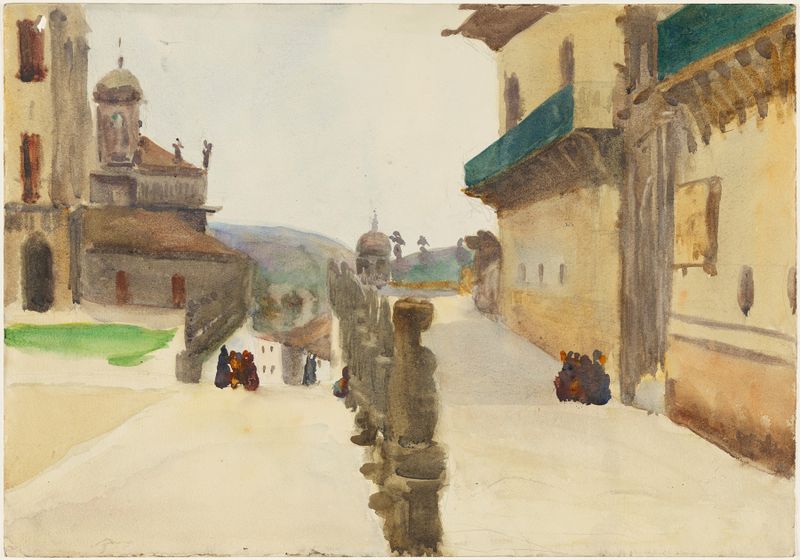
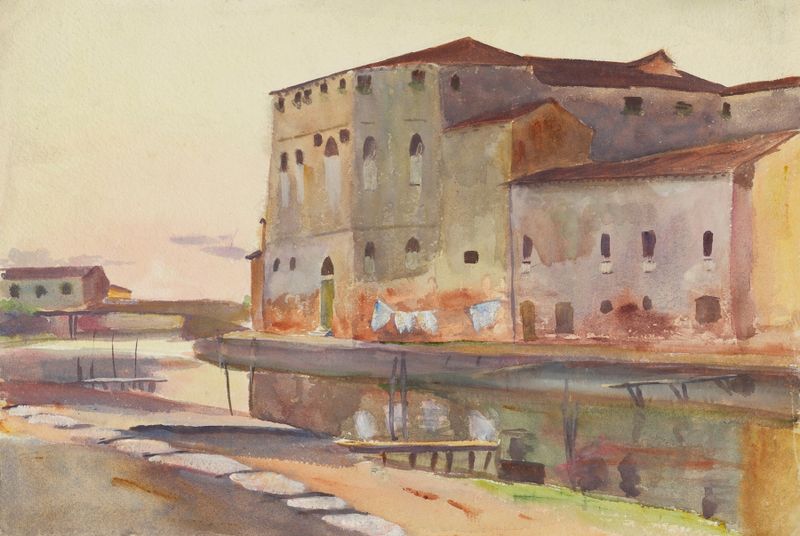
Art reveals the soul when the world turns away. In the quiet moments of memory, brushstrokes guide us to the essence of experience, capturing what lingers just beyond the reach of spoken words. Look to the left at the delicate interplay of light and shadow, where warm, earthy tones evoke the sun-baked architecture of Granada. The artist’s meticulous attention to detail invites you to trace the contours of the buildings, each line reflecting both strength and fragility.
Notice how the muted palette contrasts with vibrant splashes of flora, reminiscent of a forgotten garden, creating a sense of nostalgia that envelops the viewer. Delve deeper into the interplay between the rigid structures and the soft, organic forms surrounding them. This juxtaposition reveals a tension between permanence and impermanence, evoking the fleeting nature of memory itself. The small, seemingly insignificant details—a flicker of a doorway or an errant petal—speak volumes about moments cherished yet fading, inviting reflections on the passage of time and the impact of place. In 1912, Emily Sargent painted this work during a significant period of introspection and exploration.
While living in London, she was part of an evolving art scene that embraced both Impressionism and the burgeoning Modernist movement. The vibrant spirit of this time influenced her approach, as she sought to capture the beauty of her surroundings while also grappling with the complexities of her own artistic identity.