Tangier — History & Facts
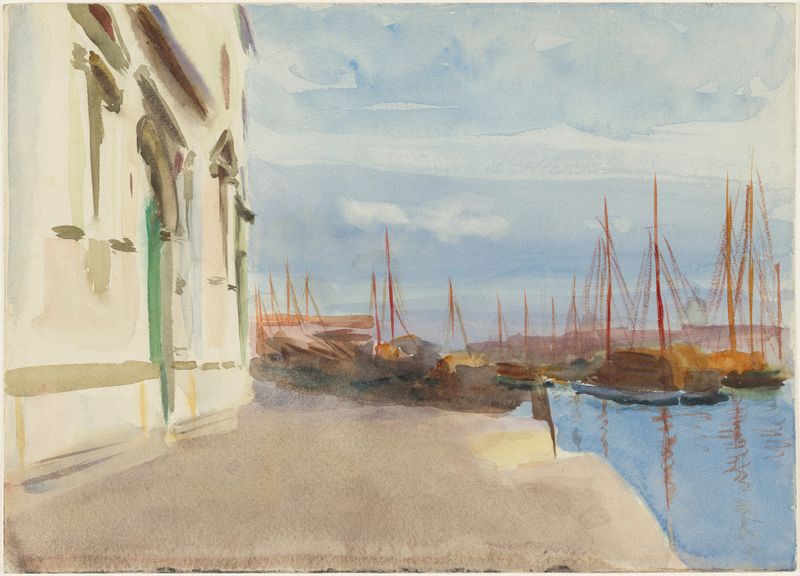
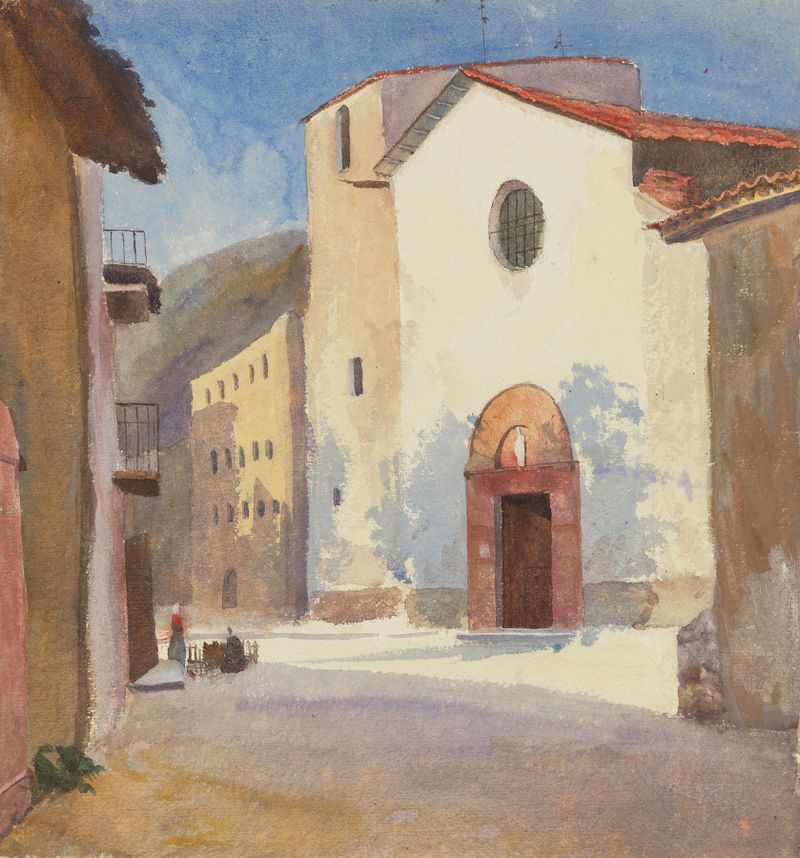
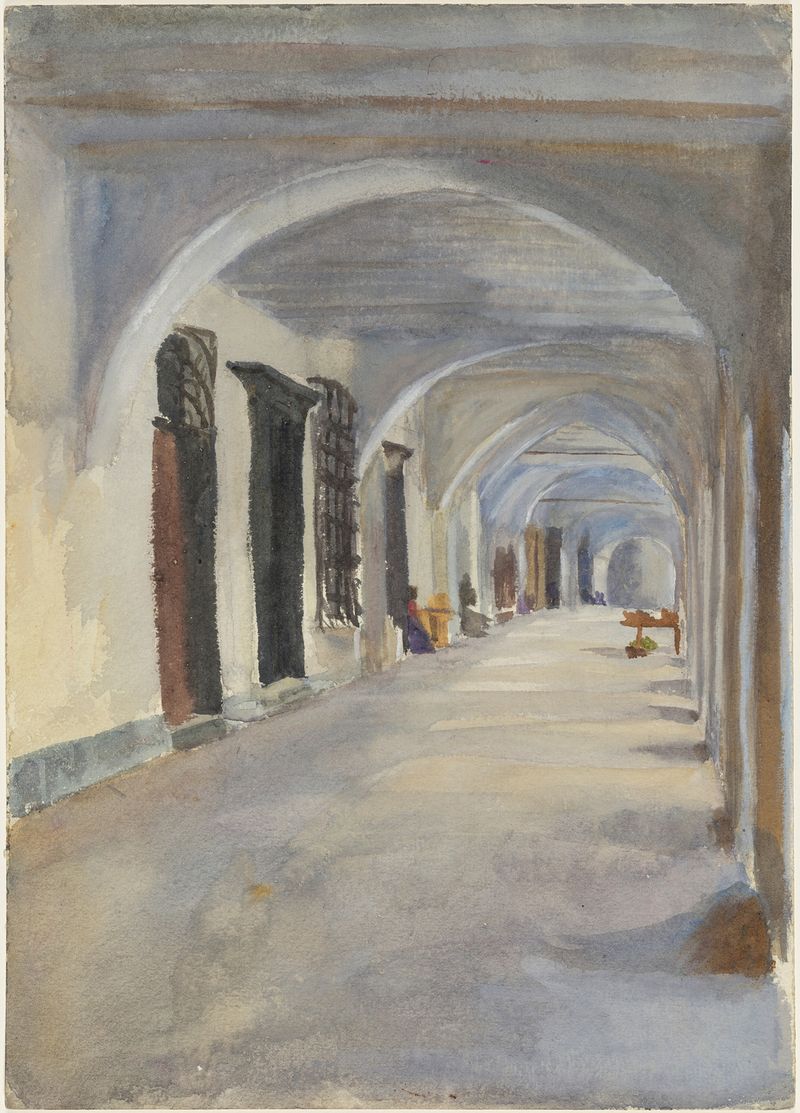
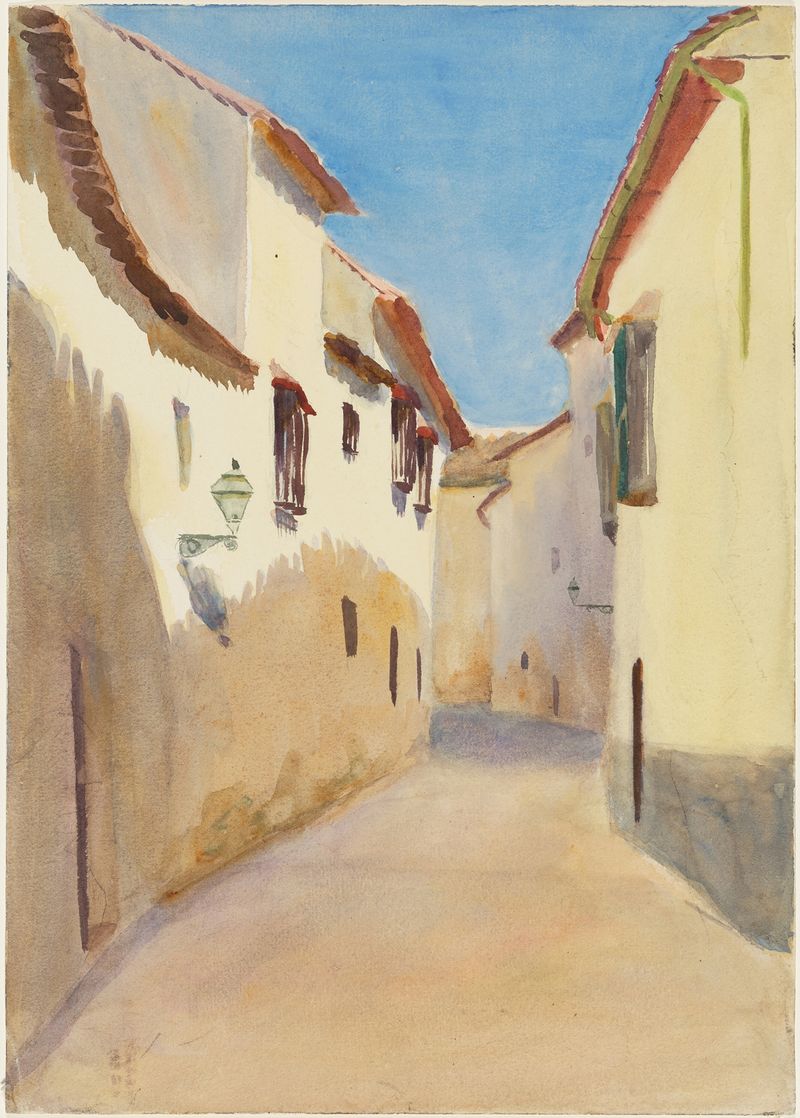
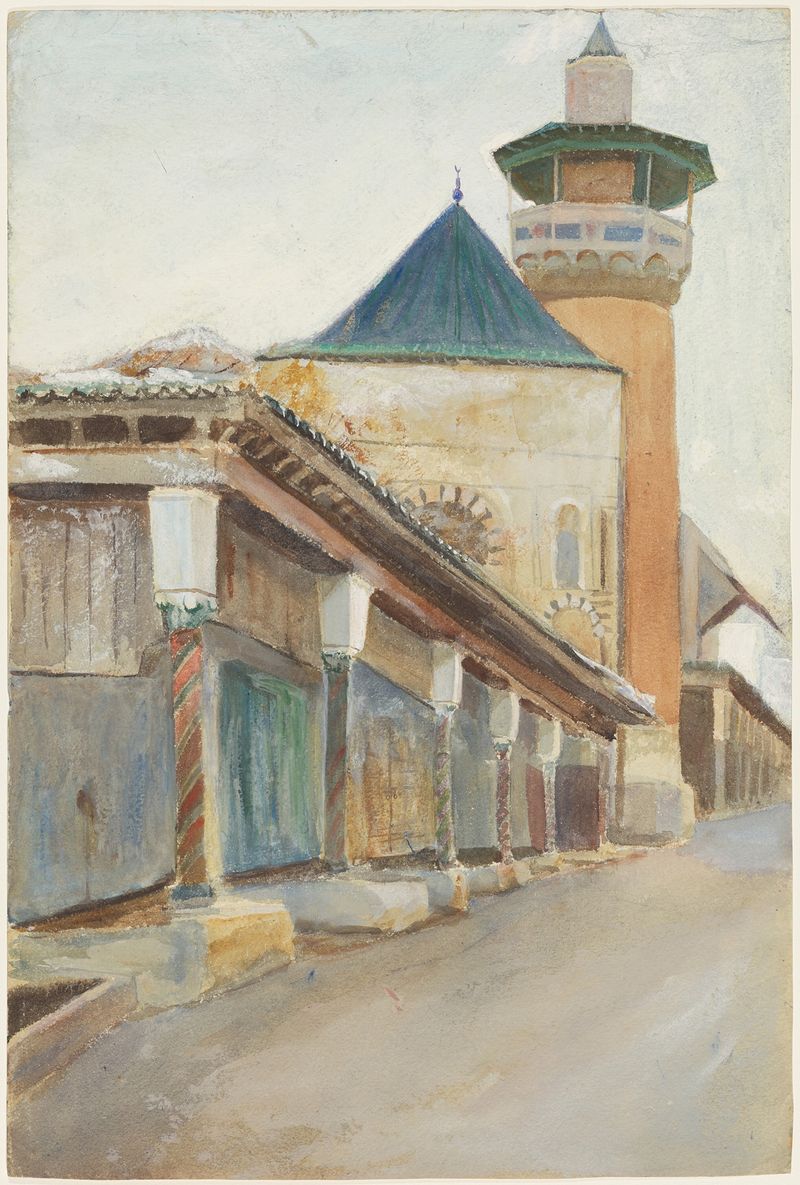
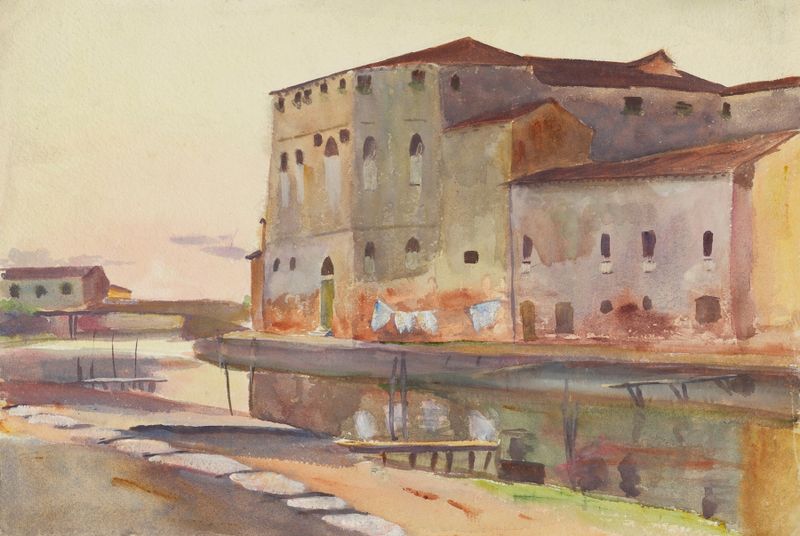
Could beauty survive in a century of chaos? In a world drenched in turmoil, the delicate whispers of artistry offer a poignant resistance against the tide of violence and uncertainty. Look to the left at the vibrant interplay of blues and greens that define the coastal landscape, where the sea meets the sky in shimmering tranquility. Your gaze meanders down to the figures in the foreground, their serene expressions juxtaposed with the tumultuous backdrop of distant hills, heavy with shadow. The brushwork is fluid yet deliberate, each stroke encapsulating the light that dances upon the water’s surface, merging with the subtle hues of the setting sun. Beneath its picturesque surface, the artwork reveals layers of meaning.
The gentle waves, almost caressing the shore, can be seen as a metaphor for the fragile beauty of life amid chaos, evoking a sense of longing and peace in a world threatened by violence. The lush vegetation surrounding the figures hints at growth and resilience, contrasting sharply with the darker elements ominously lingering in the background. Here, the artist captures the tension between tranquility and the unrest that simmers just beyond the canvas, forcing the viewer to confront the dichotomy of existence. Created in 1900, this piece emerged during a transformative period for Emily Sargent, who was navigating her identity as a female artist within a challenging landscape.
Art movements were evolving, and the world was on the brink of significant social and political changes. As she painted Tangier, she drew inspiration from her travels, capturing not just a place but the essence of beauty that could thrive even when shadows of violence loomed large.