
Cordora looking down the Guadalquiver — History & Facts
What if silence could speak through light? In Cordora looking down the Guadalquiver, a tranquil moment unfolds where the chaotic forces of nature seem contained by the shimmering glow of the sun-drenched river. Focus on the luminous waters of the Guadalquiver, flowing gently beneath the gaze of Cordora. Notice how the artist employs a delicate palette of greens and blues, contrasting the vibrant hues of the surrounding landscape with the serene, reflective quality of the river. This careful composition draws the viewer’s eye towards the horizon, where the soft light blurs the line between water and sky, inviting contemplation. Beneath the surface beauty lies a tension between calm and chaos.
The river, while appearing peaceful, suggests the chaotic forces that shape its course, hinting at nature's relentless dynamism beneath a placid facade. Cordora, with her contemplative stance, embodies a moment of pause amidst life’s currents, creating a poignant juxtaposition between human stillness and nature's unyielding flow. Each brushstroke conveys an intricate dance between the visible and the unseen, compelling the viewer to reflect on their own internal turmoil. Charles Hamilton Smith created this work during a time when he was deeply involved in the study of natural history and landscapes, likely in the early 19th century.
As a British artist and military officer, he was influenced by the Romantic movement, which emphasized the beauty and power of nature. This painting reflects his fascination with the Spanish countryside, showcasing a blend of artistic observation and personal interpretation against the backdrop of a rapidly changing world.
More Artworks by Charles Hamilton Smith
Browse all →
Situation of H.M.S. Hecla & Griper
Charles Hamilton Smith
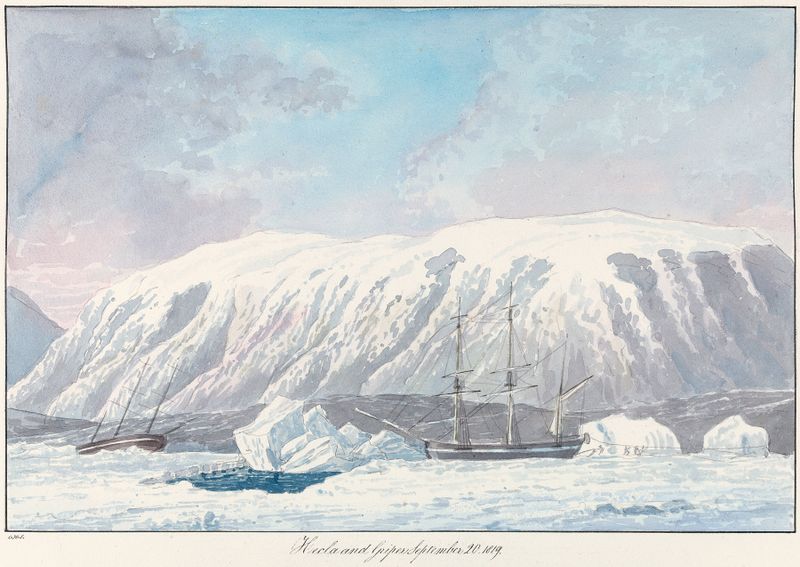
Hecla and Griper
Charles Hamilton Smith

Friendly Cove, Nootka Sound
Charles Hamilton Smith

Iceberg in Baffin’s Bay
Charles Hamilton Smith
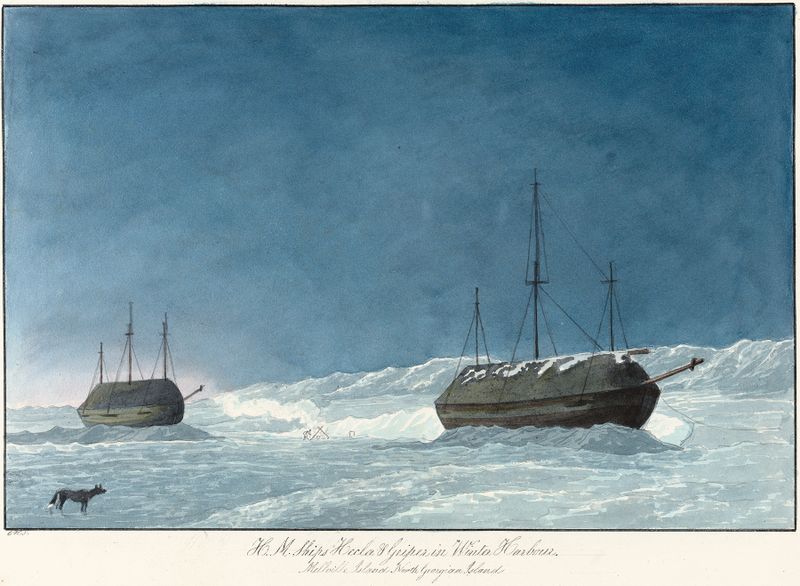
H. M. Ships Hecla and Griper in Winter Harbour
Charles Hamilton Smith

The Erebus & Terror in a Gale in the Pack of the Ice
Charles Hamilton Smith
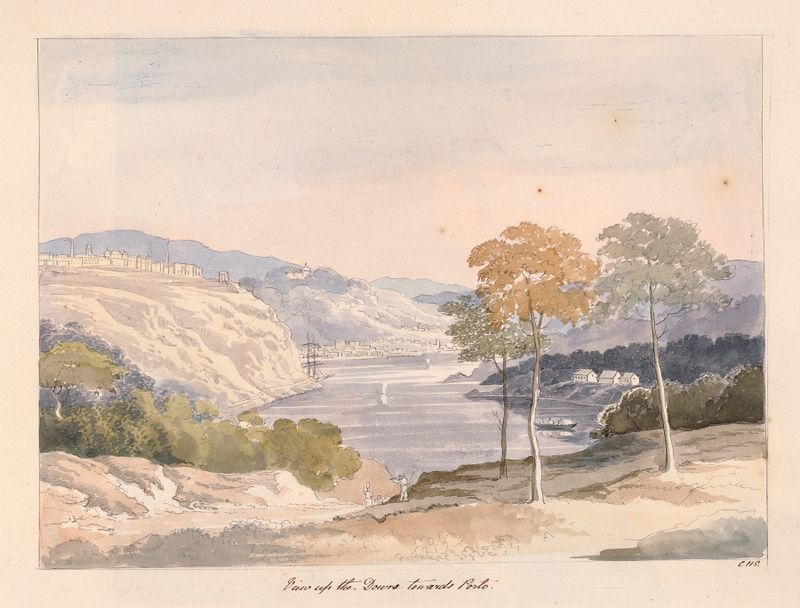
View of the Douro towards Porto
Charles Hamilton Smith
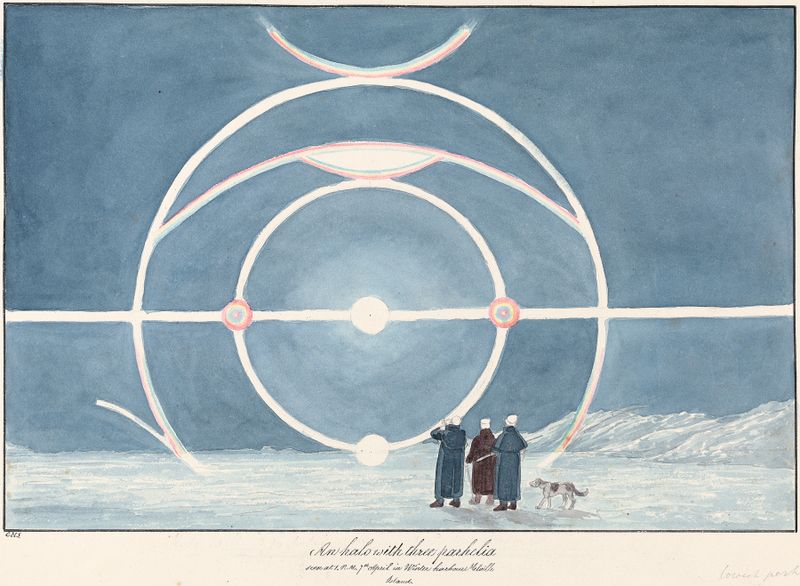
Halo with Three Parhelia, Winter Harbour Melville Island
Charles Hamilton Smith
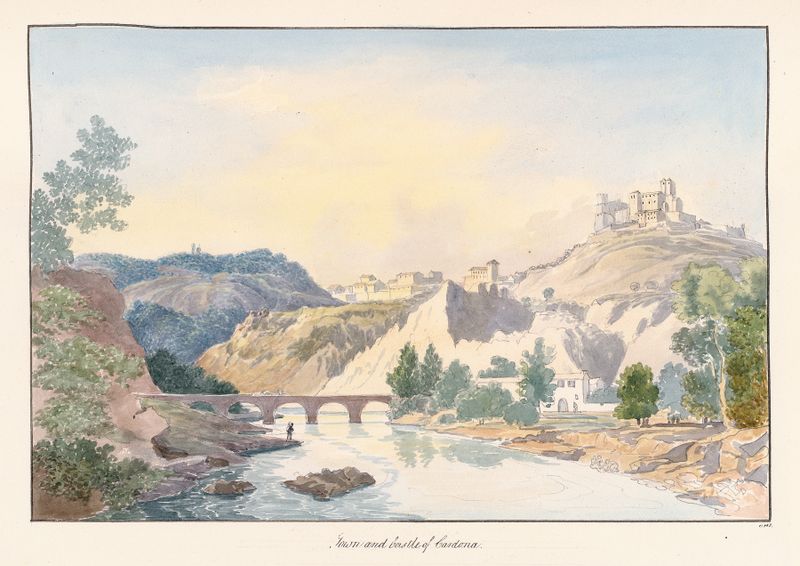
Town and Castle of Cardona
Charles Hamilton Smith
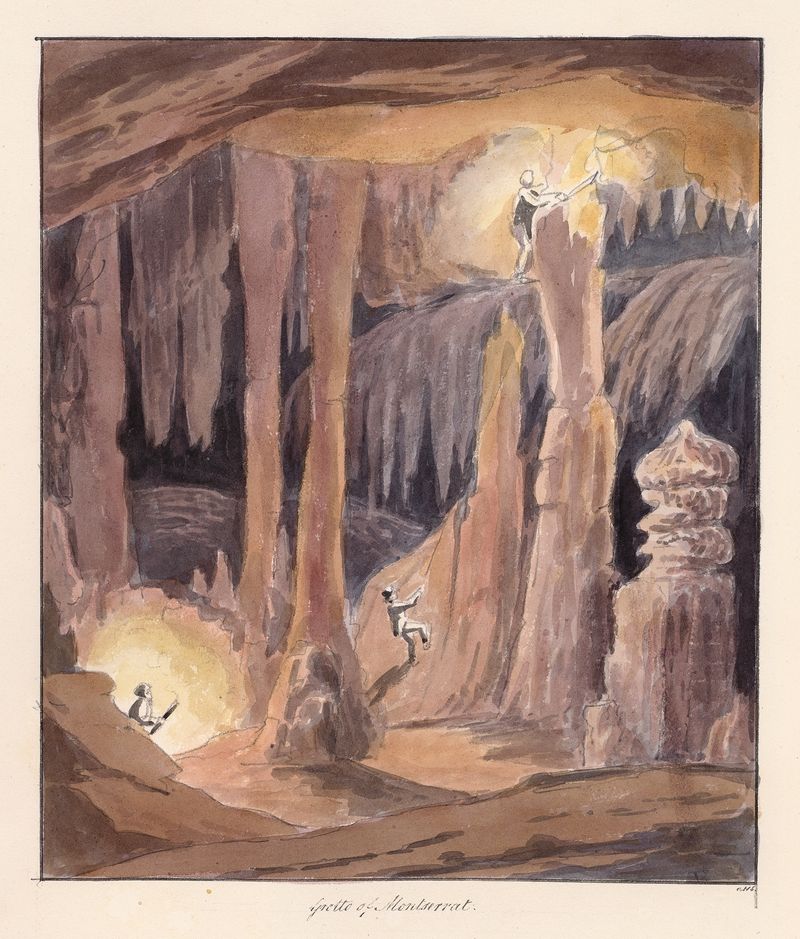
Grotto of Montserrat
Charles Hamilton Smith





