
Corfu; Cypresses — History & Facts
What secret hides in the quiet of the canvas? In the stillness of Corfu; Cypresses, a sense of loss lingers, whispering through the lush greens and azure blues that frame the scene. Look to the left at the tall, dark cypress trees, their forms elegantly punctuating the horizon. The light dances across the foliage, casting dappled shadows that lead your gaze deeper into the painting. Notice how the soft brushstrokes create a haze of warmth, inviting you to feel both the beauty and transience of the landscape.
The contrasting hues of the earth and sky reveal Sargent's mastery of color, creating a serene yet haunting atmosphere. Beneath the surface, the cypresses stand as silent sentinels, guardians of memories long past. Their towering presence conveys the weight of time, while the gentle waves in the distance hint at an emotional ebb and flow. The juxtaposition of vibrant life against the stillness of loss evokes a bittersweet nostalgia, as if the landscape itself mourns what once was. In 1909, during his time in Corfu, Sargent sought solace from the demands of a bustling art career.
Having established himself as one of the leading portraitists of his era, he turned to landscape painting as a means of exploration and reflection. This work came at a pivotal moment, as Sargent navigated the complexities of fame and personal introspection, capturing a fleeting moment in time that resonates with the universal experience of loss.
More Artworks by John Singer Sargent
Browse all →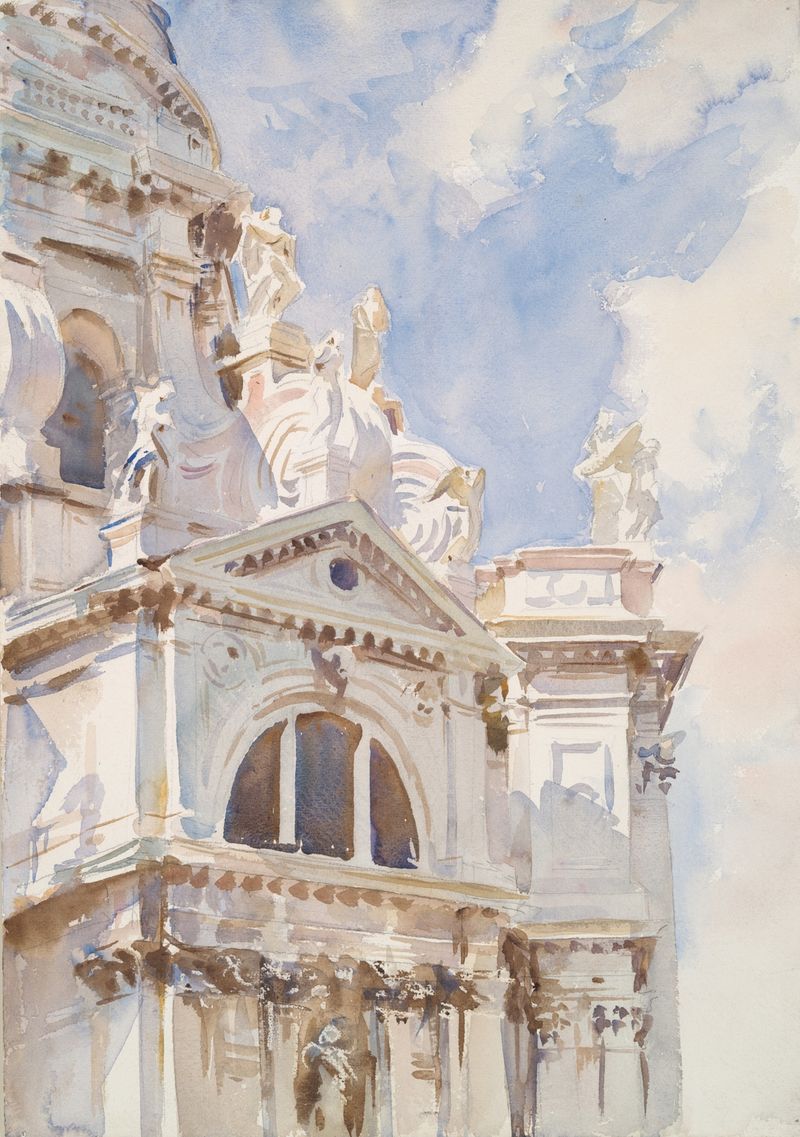
The Salute, Venice
John Singer Sargent

Mrs. Charles Deering (Marion Denison Whipple)
John Singer Sargent
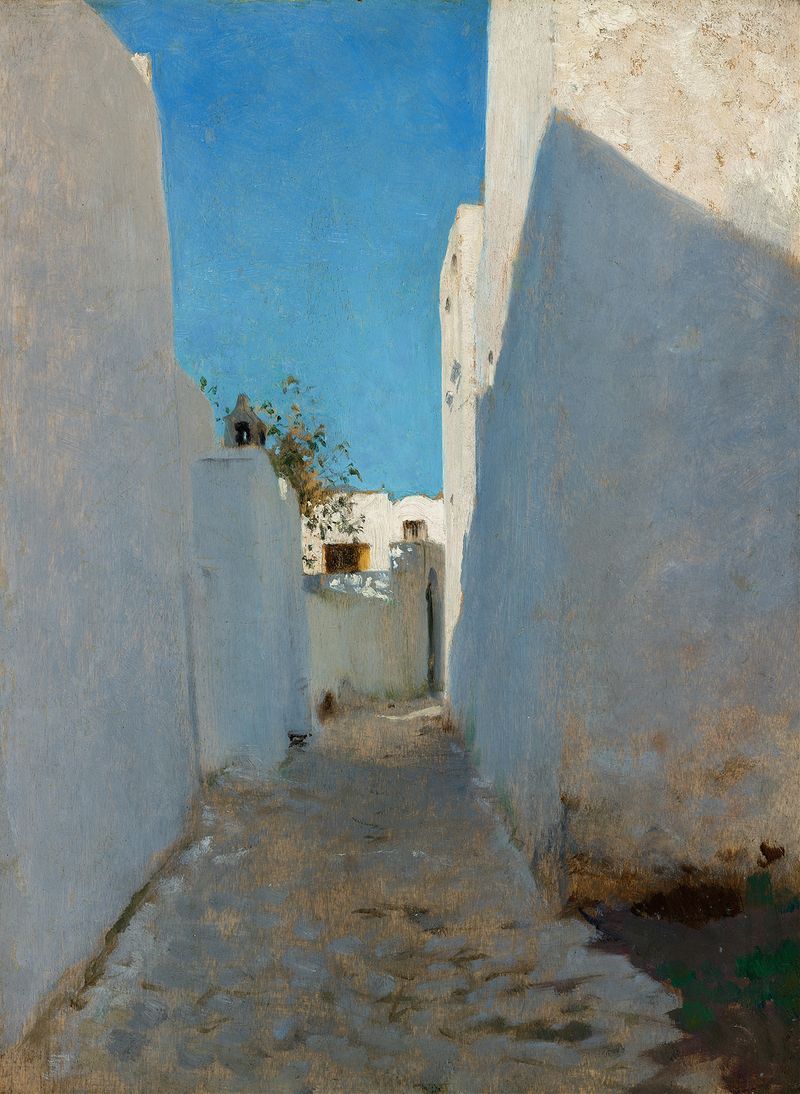
A Moroccan Street Scene
John Singer Sargent
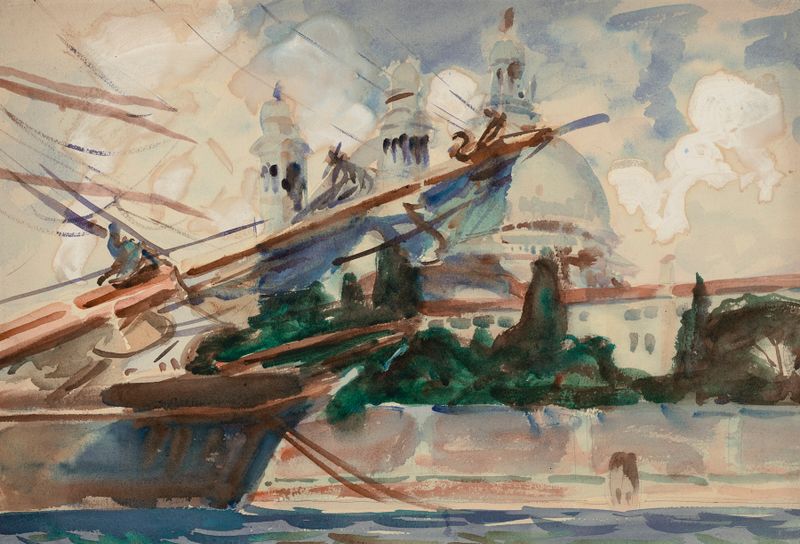
The Salute, Venice
John Singer Sargent
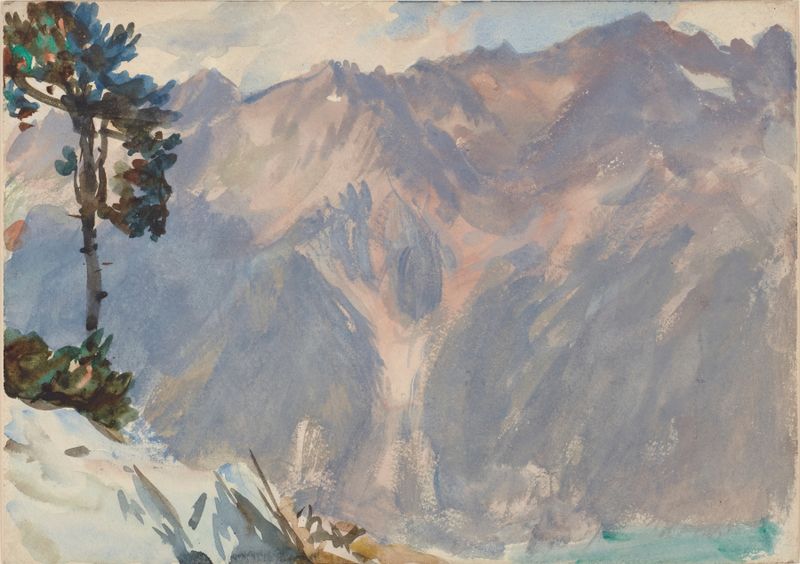
Tyrol
John Singer Sargent
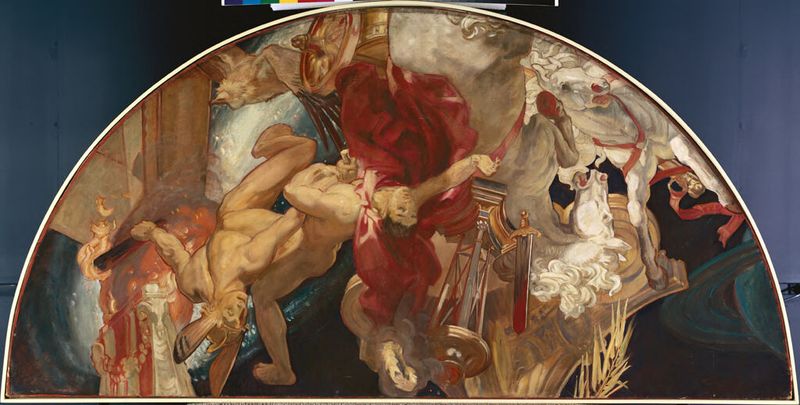
Study for "Gog and Magog," for the Boston Public Library
John Singer Sargent
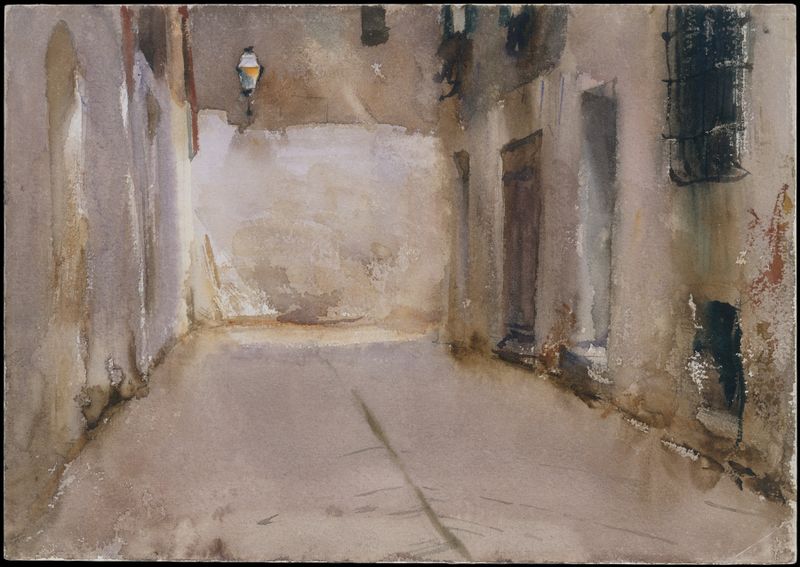
Venice
John Singer Sargent
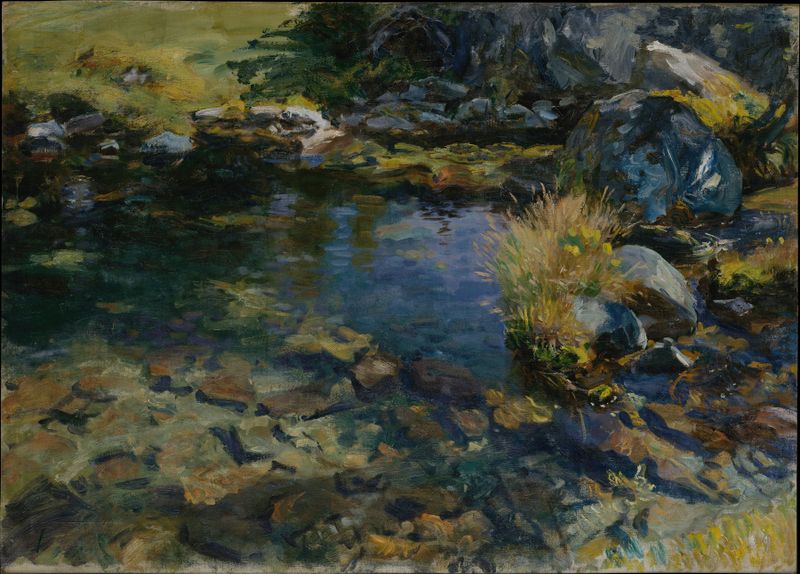
Alpine Pool
John Singer Sargent
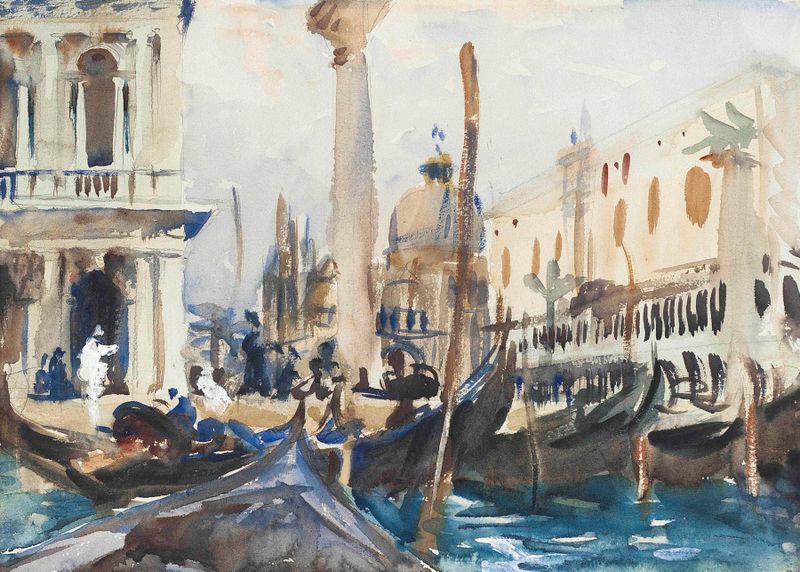
The Piazzetta with Gondolas
John Singer Sargent
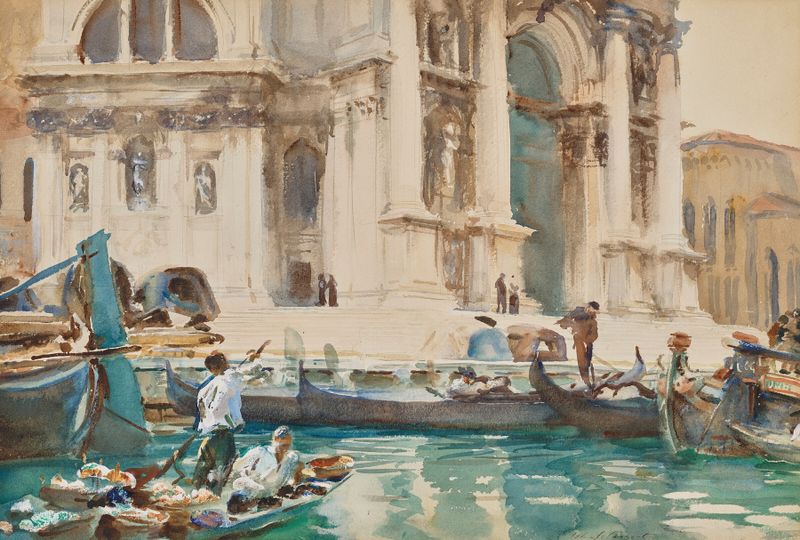
The Façade of La Salute, Venice
John Singer Sargent





