
Corner of a House — History & Facts
In the stillness of Henri Martin's Corner of a House, an ineffable void speaks louder than a thousand words. The canvas invites us to consider the unspoken presence of home, memory, and the ghosts that linger in our lives. Look to the bottom left, where the thick, textured strokes of verdant greens breathe life into the foliage that wraps around the house. Notice how the light filters gently through the leaves, casting a soft, dappled illumination that dances across the weathered walls.
The composition draws your eye upward, guiding you along the sinuous lines of the structure, revealing both the strength and fragility inherent in this solitary abode. The muted palette whispers with hues of ochre and soft blues, suggesting a quiet afternoon where nature softly embraces human existence. Beneath the serene surface lies an exploration of isolation and nostalgia. The corner of the house, though inviting, remains eerily detached, evoking a sense of longing for connection while simultaneously portraying the comfort found in solitude.
The interplay of light and shadow creates a contrast that hints at the duality of safety and loneliness — a reminder that every shelter can also be a prison. Each brushstroke encapsulates a moment of reflection, capturing the essence of existence in stillness. In the 1930s, when this piece was created, Martin was immersed in the Post-Impressionist movement, exploring color and light as means to convey emotion. Living in France, a period marked by political and social turbulence, he sought refuge in landscapes that transcended the chaos of the outside world.
This painting is a testament to his ability to distill complex feelings into simple yet profound imagery, aligning perfectly with the sentiments of an era longing for peace amidst turmoil.
More Artworks by Henri Martin
Browse all →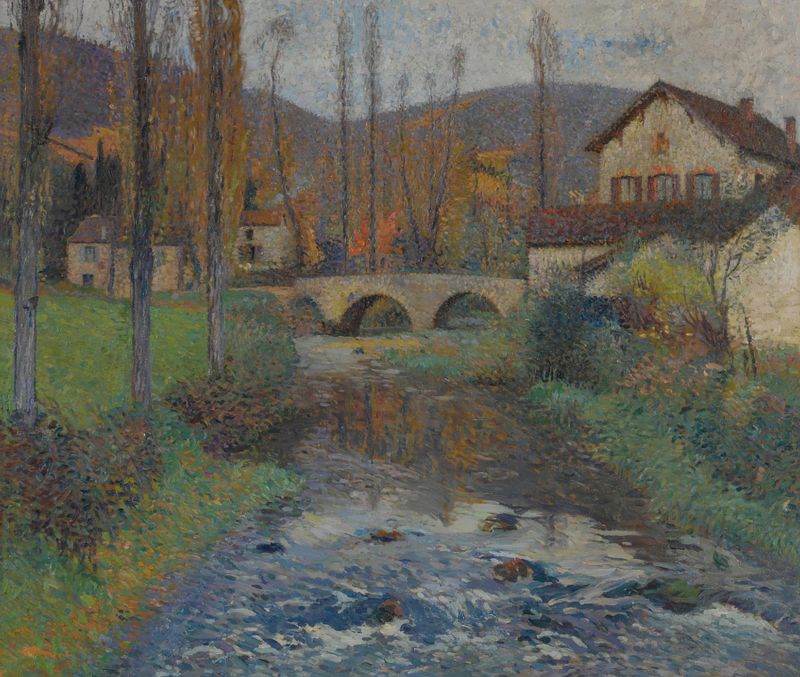
Le Pont du Labastide-du-Vert
Henri Martin

Le Pont de Labastide du Vert
Henri Martin

La Vallée Du Lot, Près De Saint-Cirq Lapopie
Henri Martin

Derniers Rayons, Une Ferme Dans Le Lot
Henri Martin

Vue de Labastide-du-Vert
Henri Martin
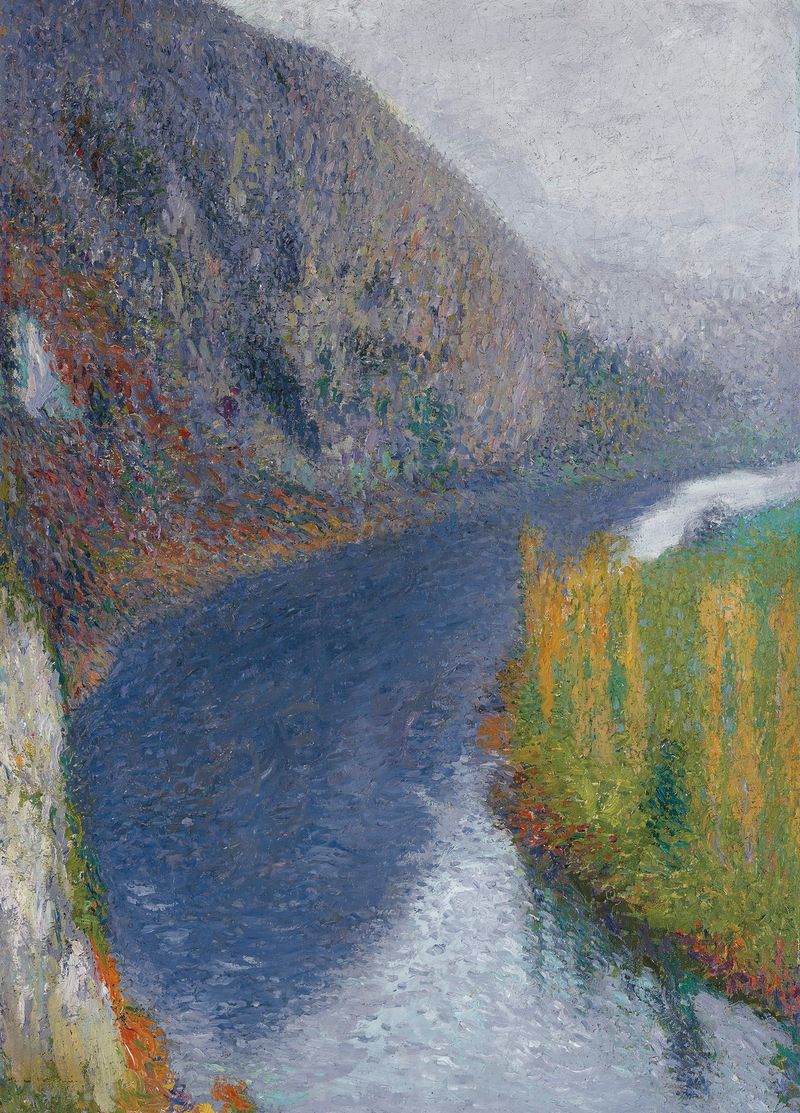
Le Lot au pied des falaises de St-Cirq-Lapopie
Henri Martin

Le lot aux pieds des falaises de Saint-Cirq-Lapopie
Henri Martin

L’église de Labastide-du-Vert avec le pont et la rivère, un soir d’automne
Henri Martin

Berger et ses moutons dans les causses
Henri Martin
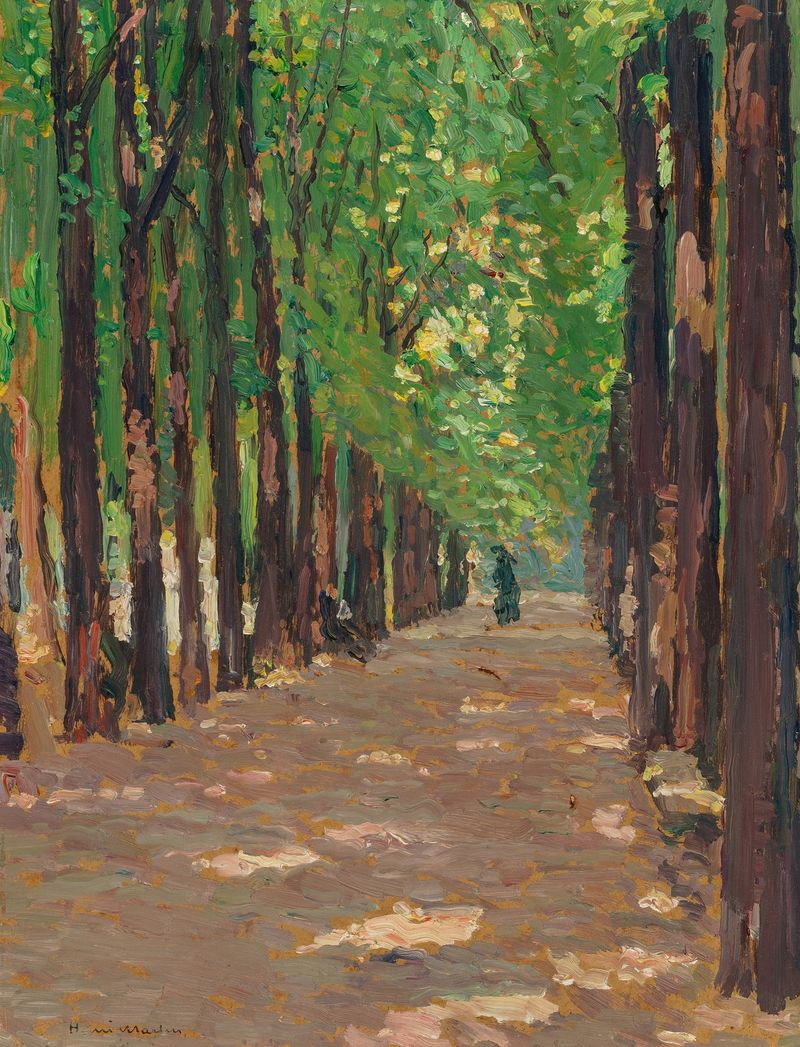
Une allée dans le Parc du Château de Versailles
Henri Martin





