
Cosimo de Medici in Armour — History & Facts
What first seizes the eye in Cosimo de Medici in Armour is not the gleam of steel, but the sitter’s gaze—aloof, sidelong, and utterly unyielding. The young man’s face is as composed as a mask, his lips set with the faintest tension, while his hand rests with calculated ease atop his polished cuirass. The light, cool and precise, slides across the intricate etching of his armor, picking out every chased line and golden stud, while the deep green drapery behind him falls in heavy folds, a backdrop as theatrical as it is regal.
This is a portrait that signals power not through action, but through stillness: the sitter is immovable, his authority as fixed as the steel he wears. Such portraits, perfected by Agnolo Bronzino in the 1540s, were more than likenesses—they were statements of status and intellect, designed for a world where image was inseparable from rule. The sitter’s armor, too ornate for battle, is ceremonial: a second skin of prestige, meant to project invulnerability and cultivated taste. The cool palette and stylized features echo the artist’s earlier works, as seen in his Young Man with a Book, but here the sense of distance is heightened, the sitter removed from the viewer by both armor and attitude.
In the Florence of the sixteenth century, portraits like this were commissioned by those who wished to be remembered not just as rulers, but as icons—unchanging, untouchable, and eternally watchful. The effect is unmistakable: you are meant to look, and keep looking, but never quite to approach.
More Artworks by Agnolo Bronzino

Eleonora Of Toledo
Agnolo Bronzino
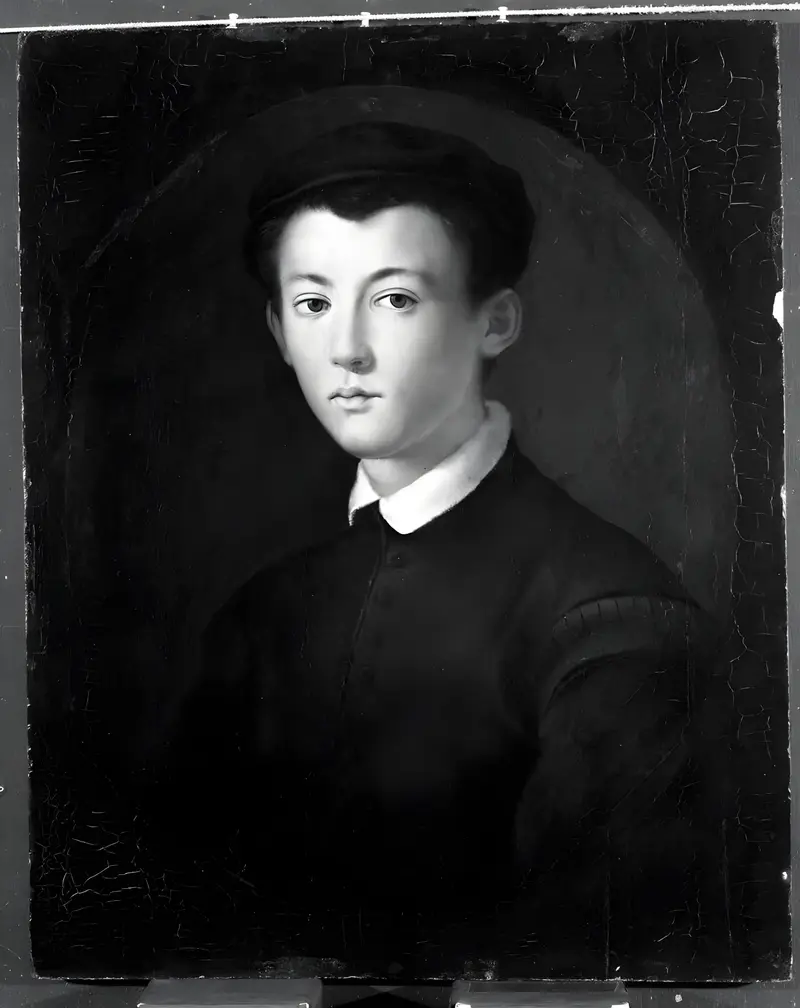
Portrait of a Young Man
Agnolo Bronzino
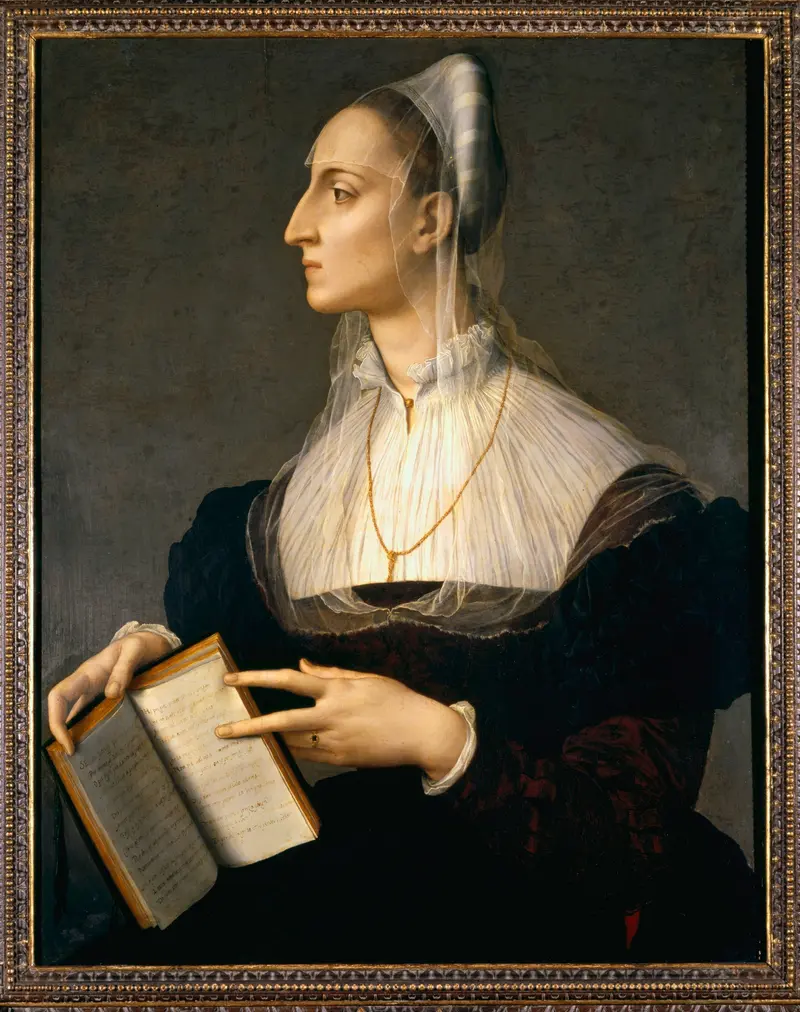
Portrait Of Laura Battiferri
Agnolo Bronzino

Venus, Cupid And Satyr
Agnolo Bronzino
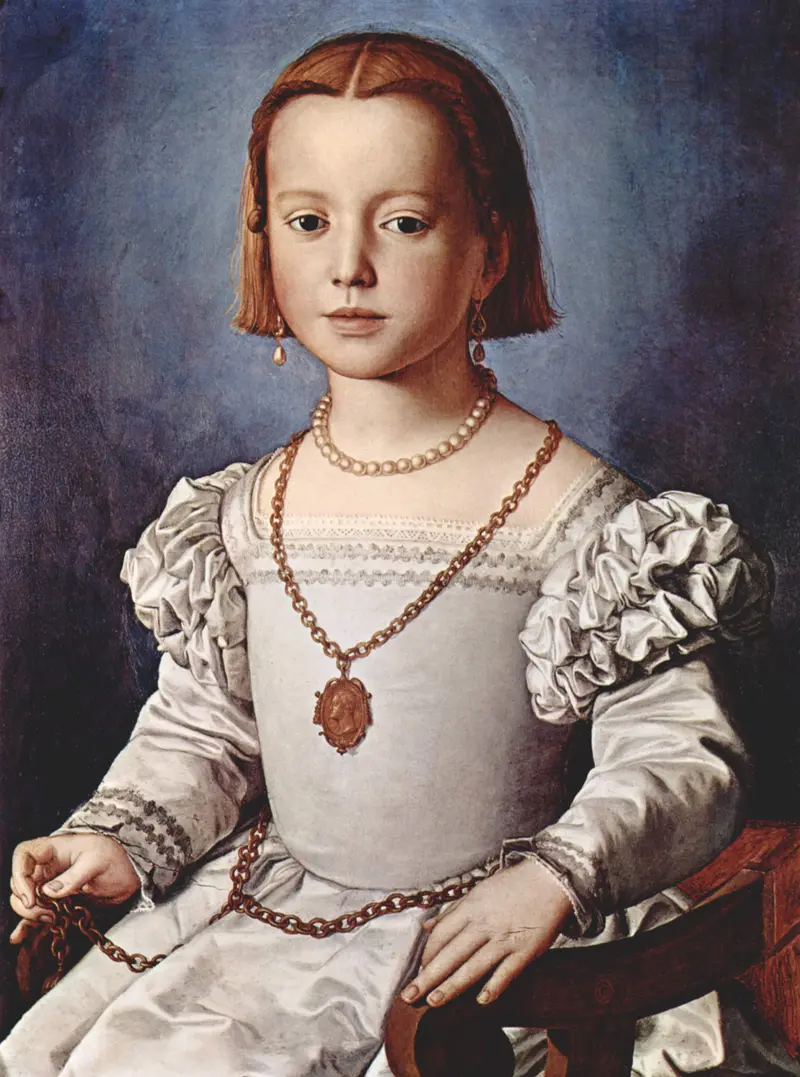
Bia Di Cosimo De‘ Medici
Agnolo Bronzino
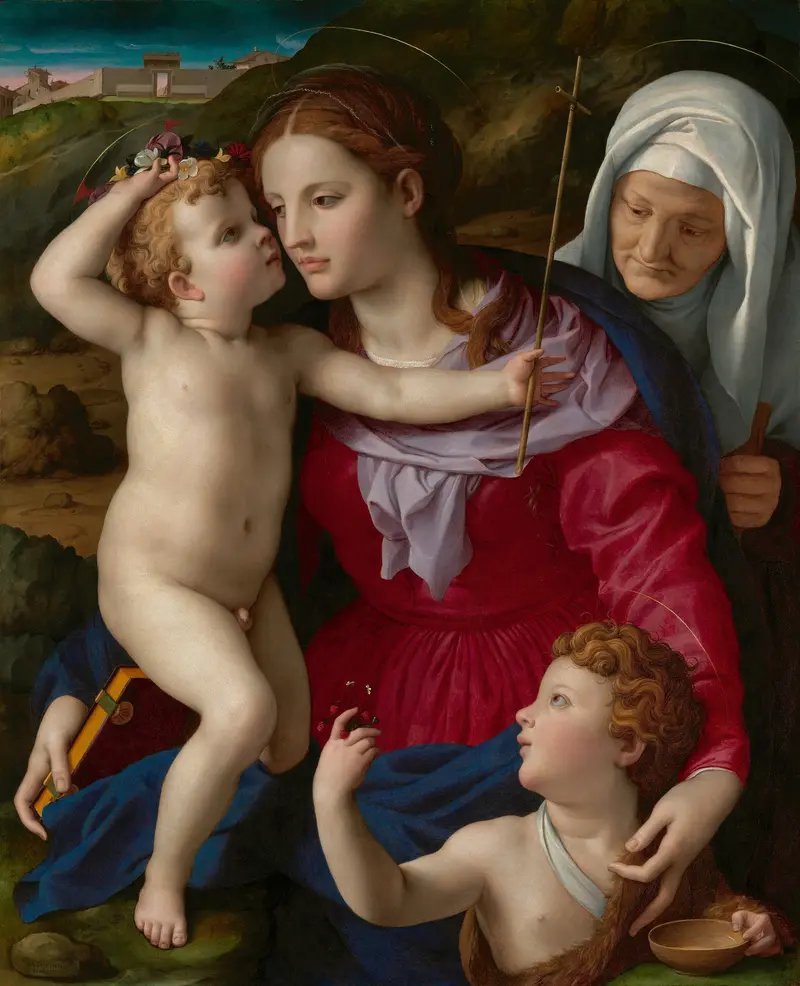
Virgin and Child with Saint Elizabeth and Saint John the Baptist
Agnolo Bronzino
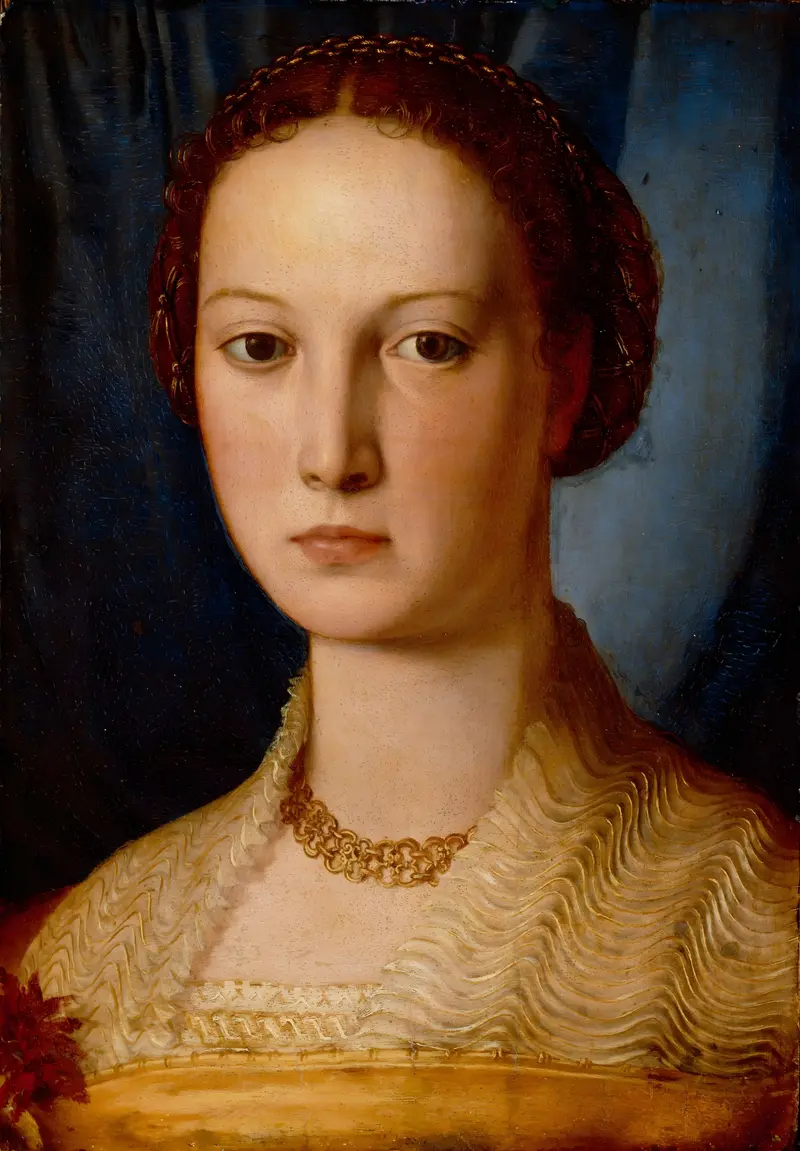
Costanza Da Sommaia
Agnolo Bronzino
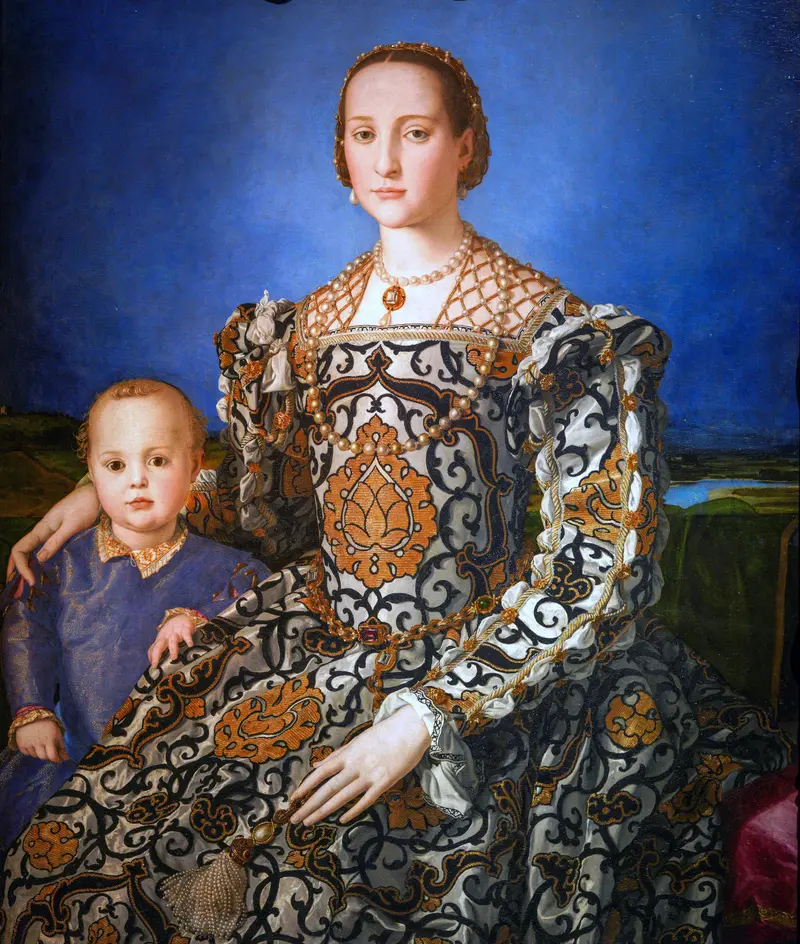
Portrait of Eleanor of Toledo with Her Son Giovanni de’ Medici
Agnolo Bronzino
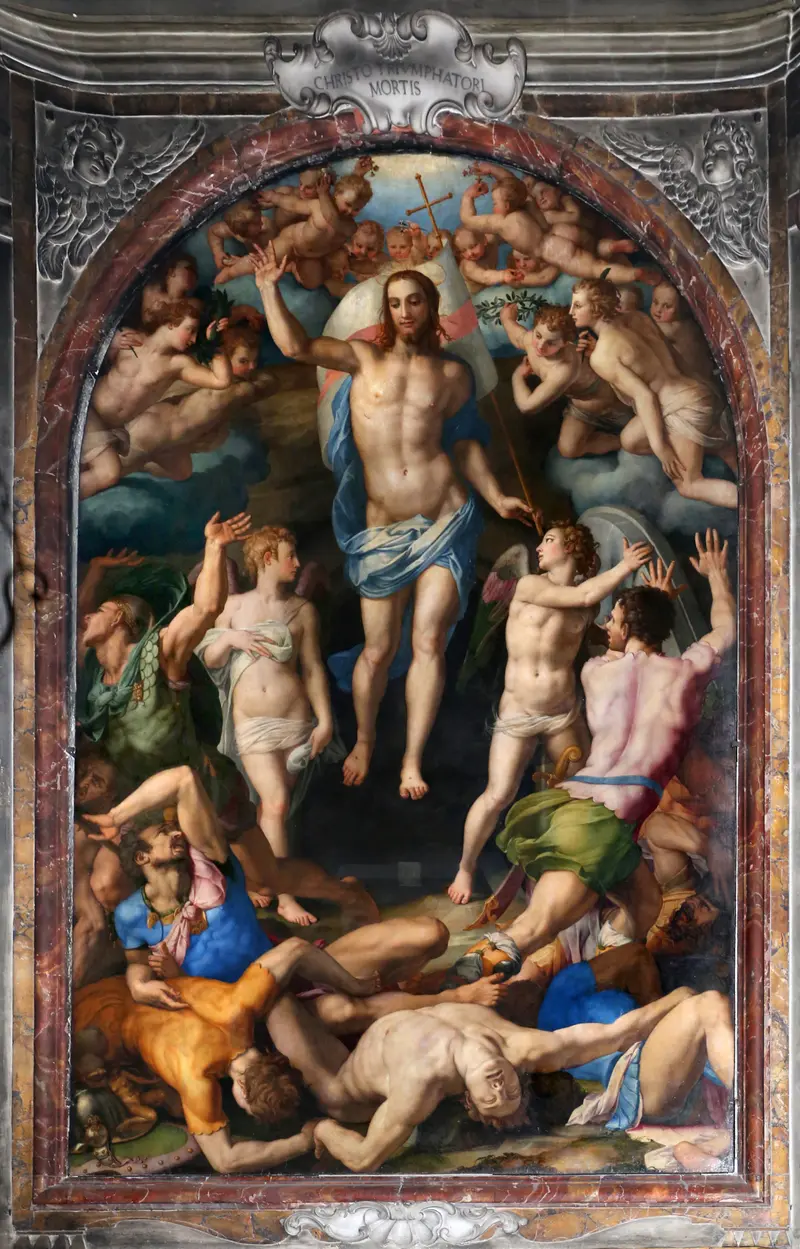
Resurrection Of Christ
Agnolo Bronzino
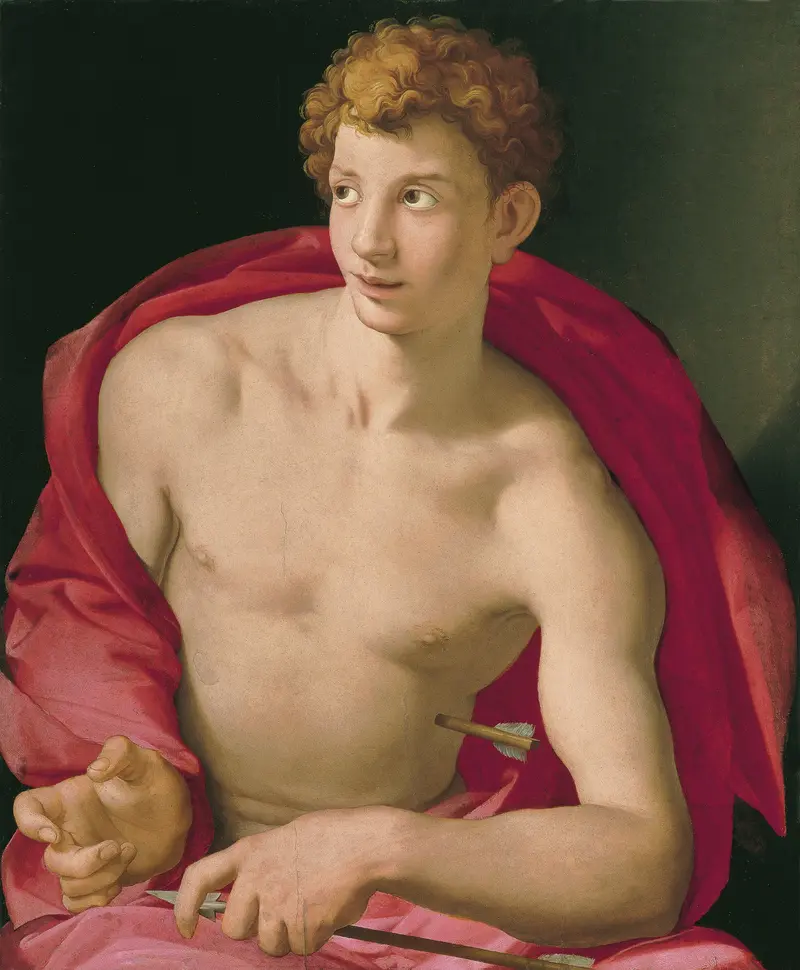
Saint Sebastian
Agnolo Bronzino





