
Cote aux Environs de Cherbourg — History & Facts
Can beauty exist without sorrow? In Cote aux Environs de Cherbourg, the landscape reveals a transformative moment where nature’s splendor intertwines with the undercurrents of melancholy. Look to the left, where the rolling hills rise gently, their lush greenery punctuated by strokes of earthy brown. The vibrant blues of the sky sweep across the canvas, meeting the quiet, reflective waters that murmur hints of the surrounding life. The painter’s delicate brushwork captures the fleeting light of day, creating an enchanting atmosphere that feels both serene and transient, as if inviting the viewer to linger just a moment longer. In this scene, contrasts emerge between the vivid colors of the foreground and the muted tones of the horizon, suggesting the passage of time and the inevitable changes that come with it.
The delicate interplay between shadow and light evokes a sense of yearning — a reminder that beauty often coexists with uncertainty. Each stroke invites contemplation, urging us to accept the dual nature of existence, where joy and sorrow are woven into the fabric of our experiences. Frank Edwin Scott painted this work during a period of personal exploration and artistic development, likely in the late 19th century. Operating within the Impressionist movement, he sought to capture the essence of landscapes with a fresh perspective, reflecting the broader transition in art towards spontaneity and emotional expression.
This painting stands as a testament to his ability to convey the complex emotions that accompany moments of beauty in the natural world.
More Artworks by Frank Edwin Scott
Browse all →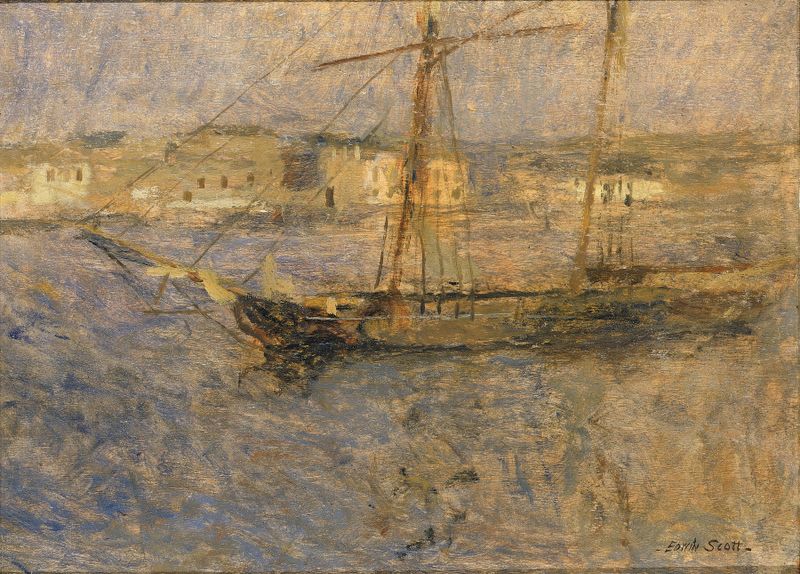
Ships at Anchor, Cherbourg no. I
Frank Edwin Scott
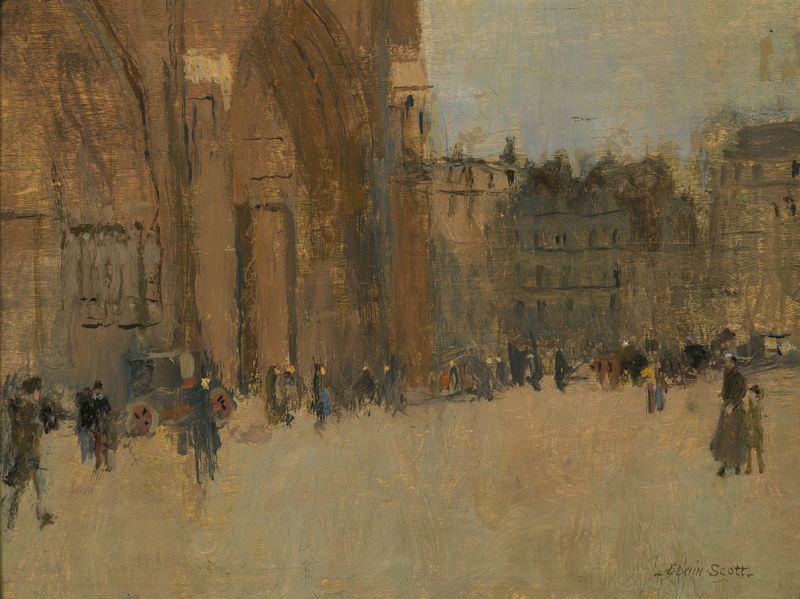
Notre Dame no. III
Frank Edwin Scott
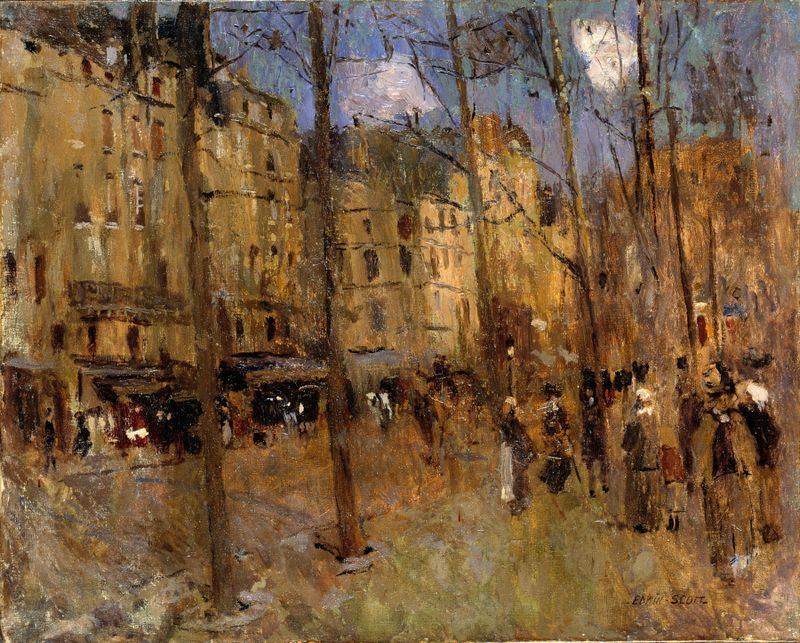
Boulevard St. Germain
Frank Edwin Scott
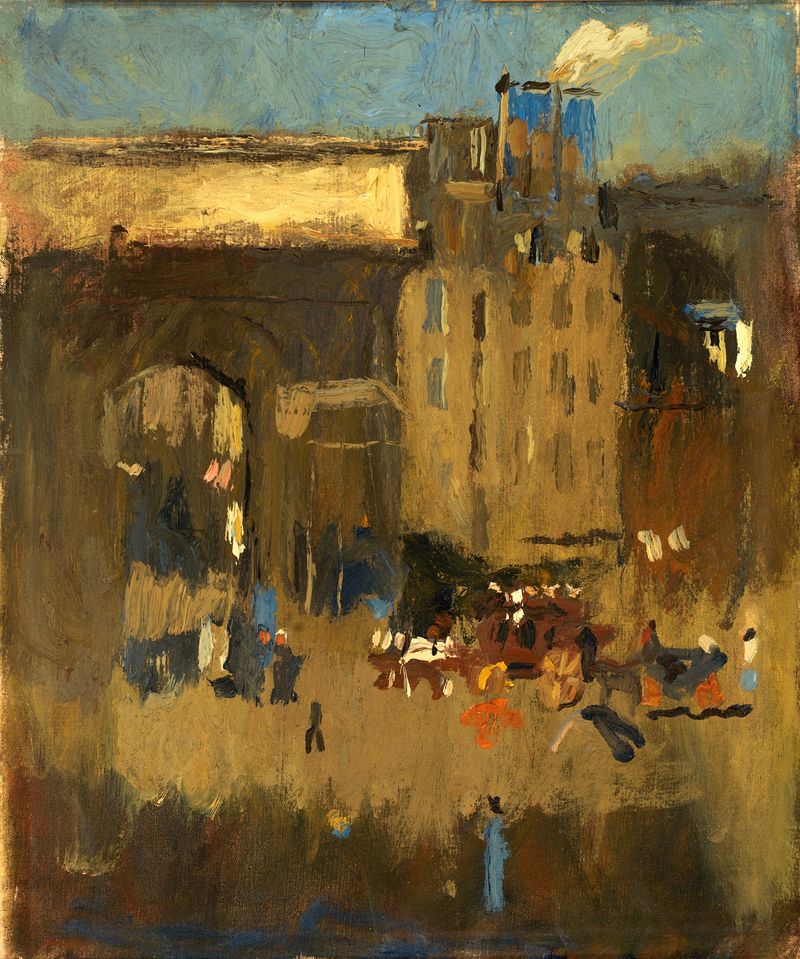
Porte St. Martin et Enterrement
Frank Edwin Scott
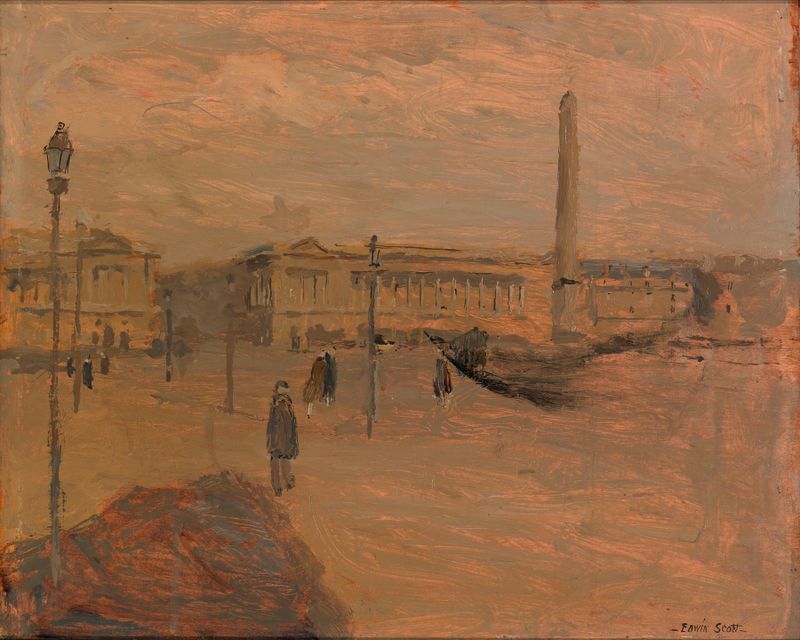
La Concorde
Frank Edwin Scott
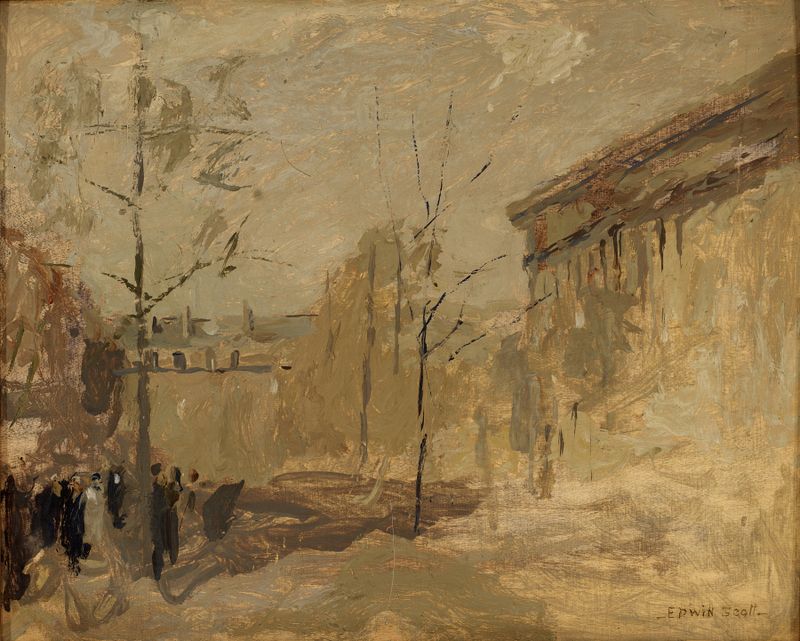
Place de la Madeleine no. II
Frank Edwin Scott
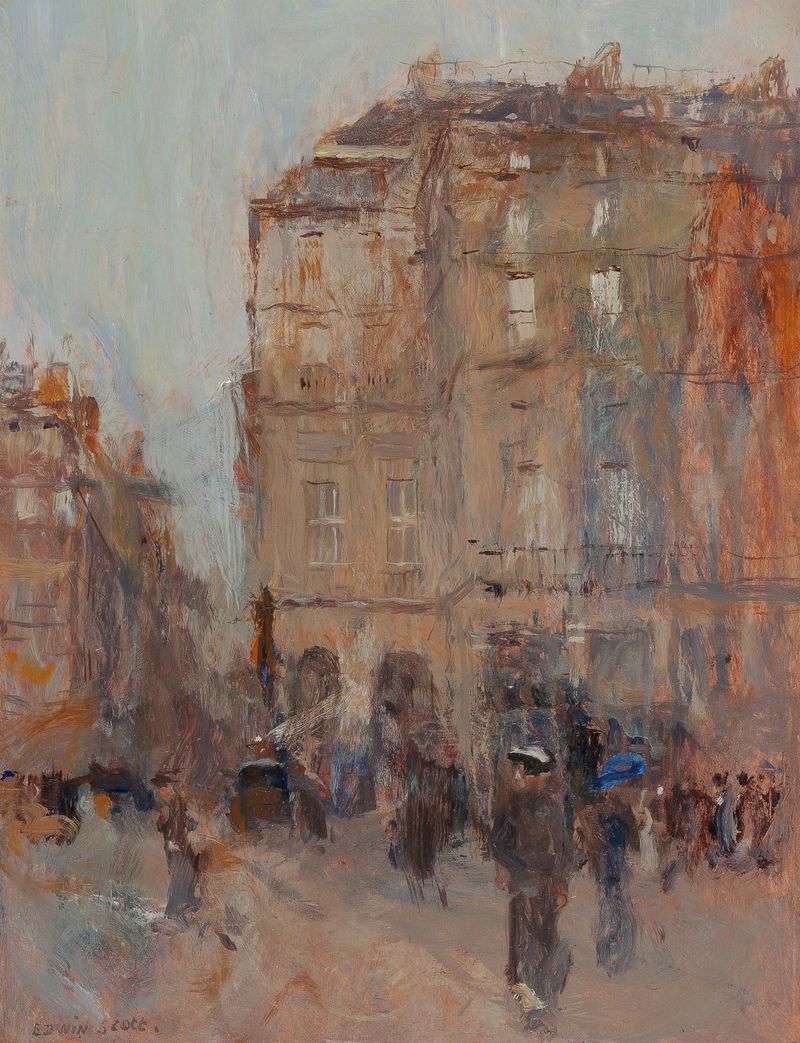
A Gray Day in Paris
Frank Edwin Scott
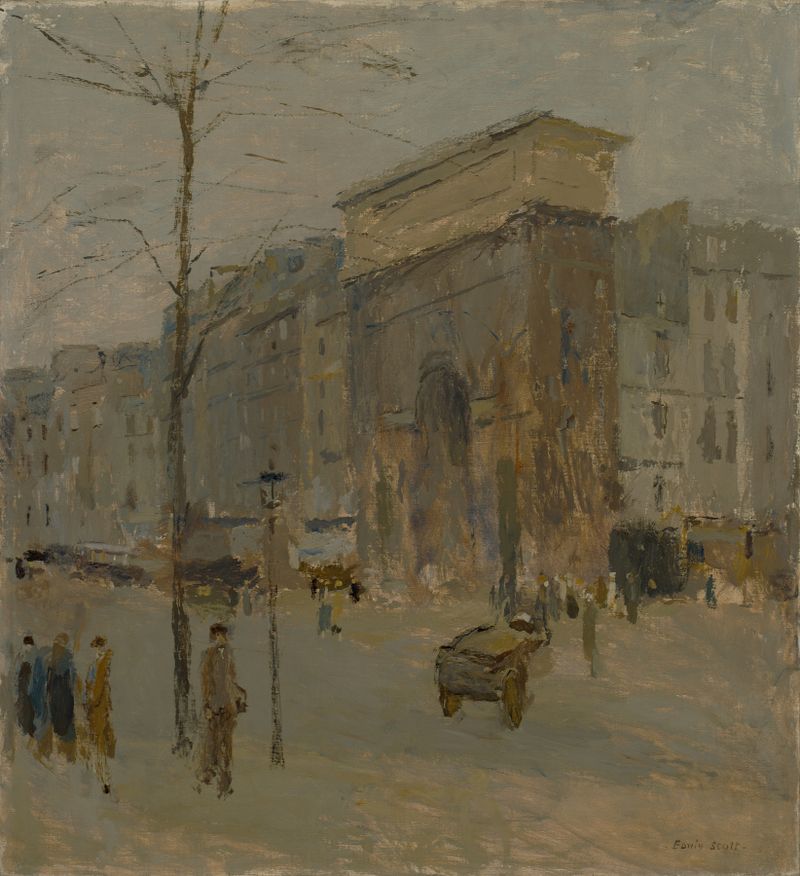
Porte St. Martin no. II
Frank Edwin Scott
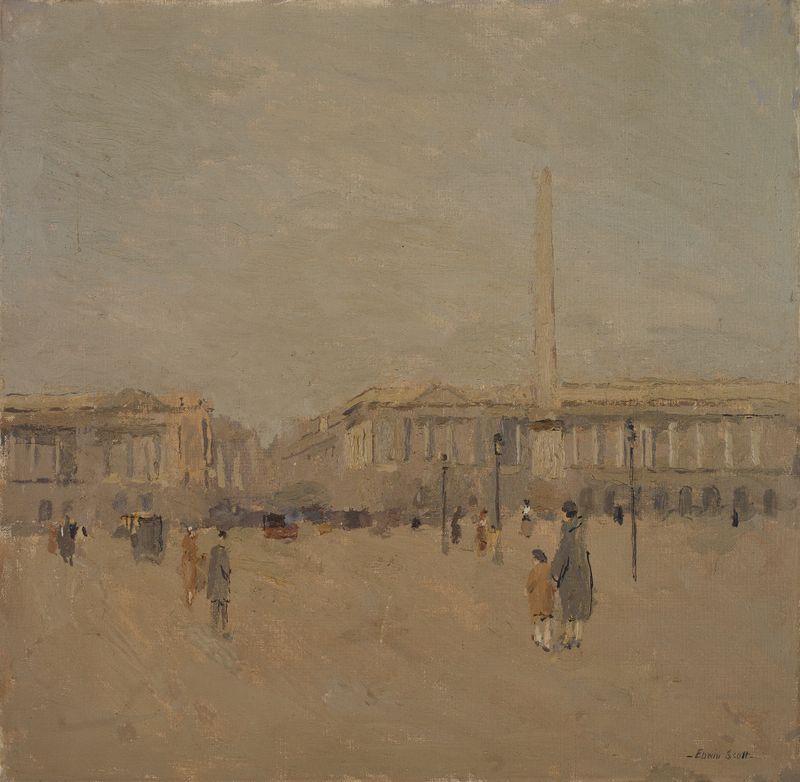
Place de la Concorde no. II
Frank Edwin Scott
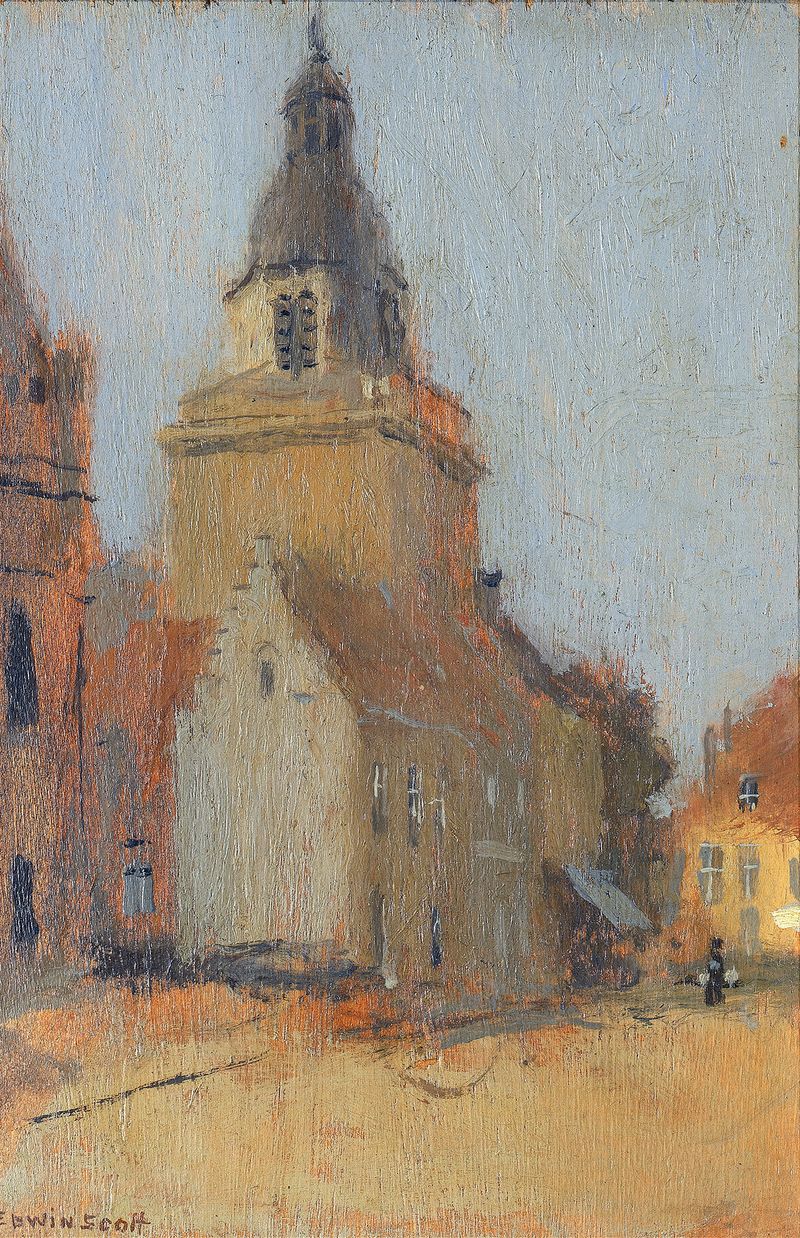
Eglise de Ville
Frank Edwin Scott





