
Cottages, Cleveland — History & Facts
Who listens when art speaks of silence? In Cottages, Cleveland, an echo of quietude reverberates through the gentle brushstrokes and muted colors, whispering tales of simplicity and resilience. Look to the left, where a cluster of humble cottages nestles against a backdrop of soft, rolling hills. The light bathes the scene in a warm glow, creating a harmonious interplay of soft earth tones that invites reflection. Notice how the delicate blend of greens and browns enhances the tranquility, while the slight dapple of shadows suggests the passage of time—each cottage telling its own story against the expansive sky. In the subtle details—perhaps a weathered door or a wispy tree—lies the emotional tension of human existence, a juxtaposition of comfort and solitude.
The cottages seem to stand as guardians of memory, symbolizing stability amid the tumult of societal change. This silent yet profound presence hints at a quiet revolution: the shift from grand narratives to intimate experiences, urging the viewer to contemplate what truly matters. Completed in 1878, this work emerged during a period of transformation in Bacher's life and the broader American art scene. Living in New York, he was influenced by the burgeoning Impressionist movement, which emphasized observation and the ephemeral quality of light.
As Bacher embraced these ideas, he sought to capture the essence of everyday life, reflecting the changing landscape both literally and artistically.
More Artworks by Otto Henry Bacher
Browse all →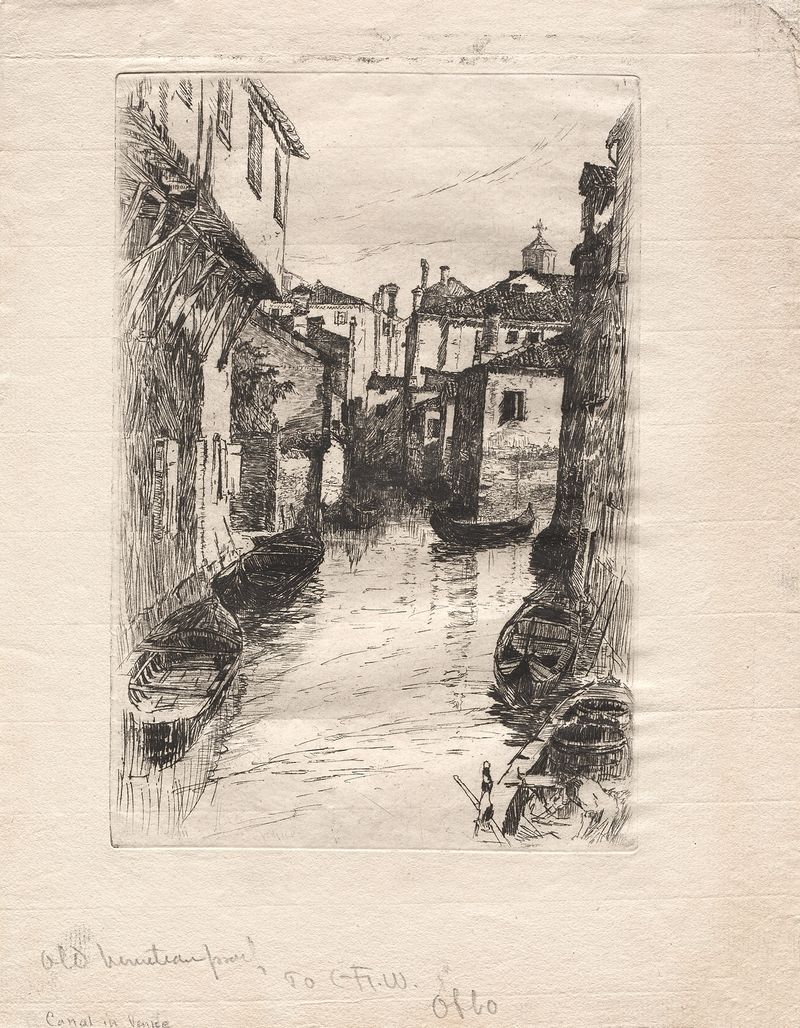
Canal in Venice
Otto Henry Bacher
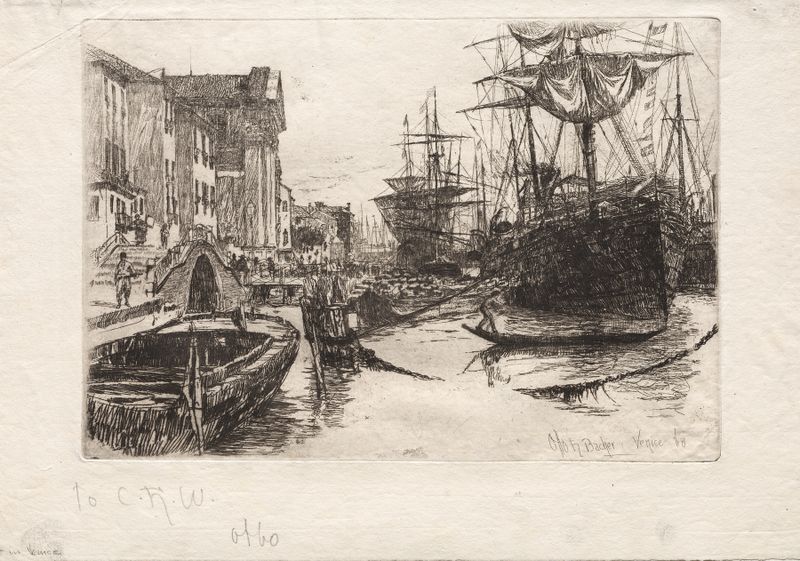
View in Venice
Otto Henry Bacher
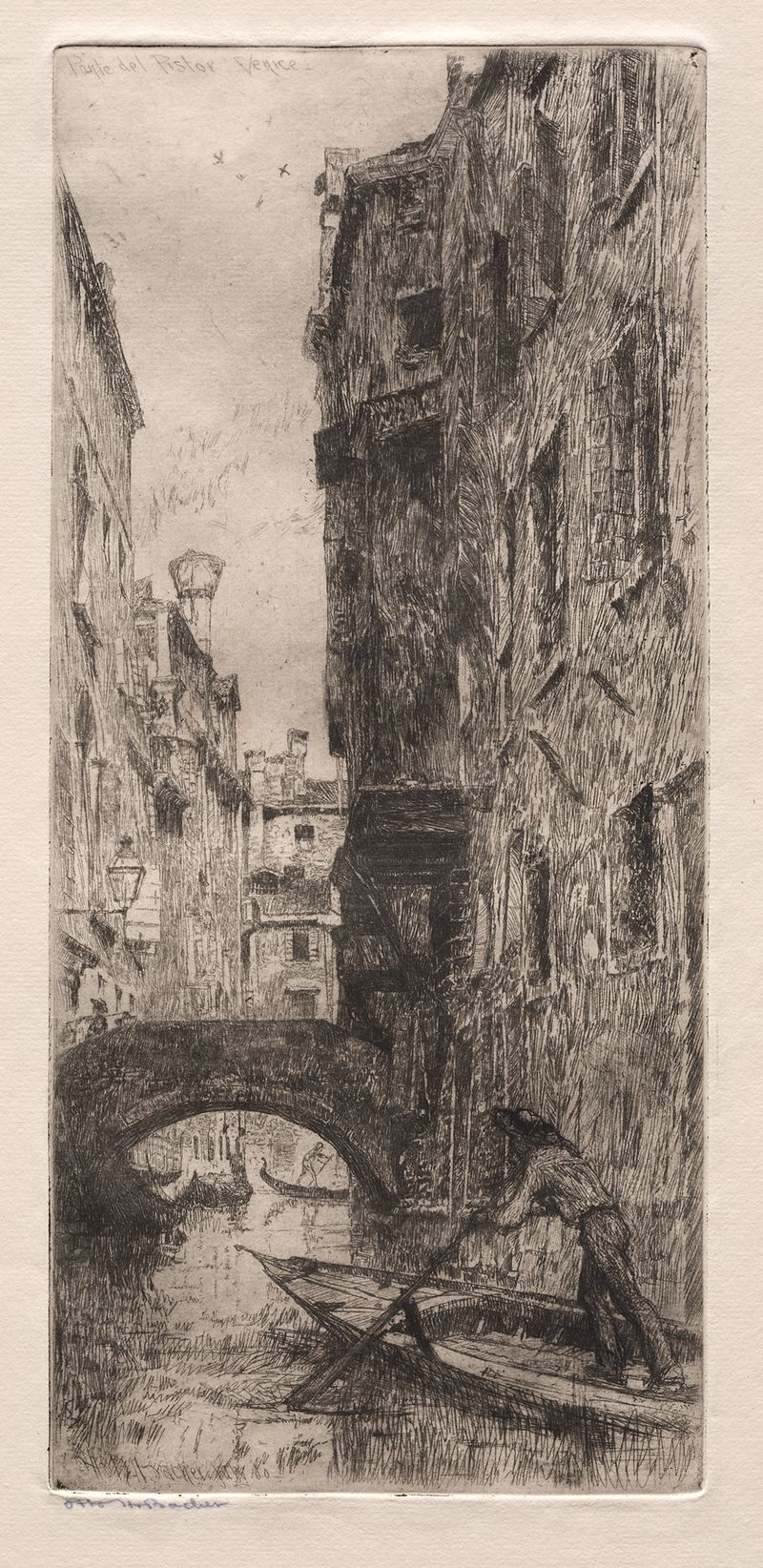
Ponte del Pistor, Venice
Otto Henry Bacher
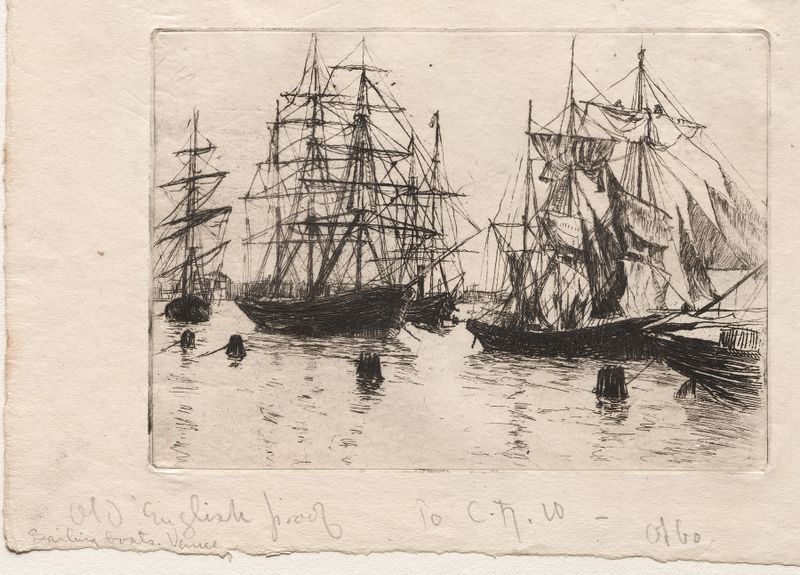
Sailing Boats, Venice
Otto Henry Bacher
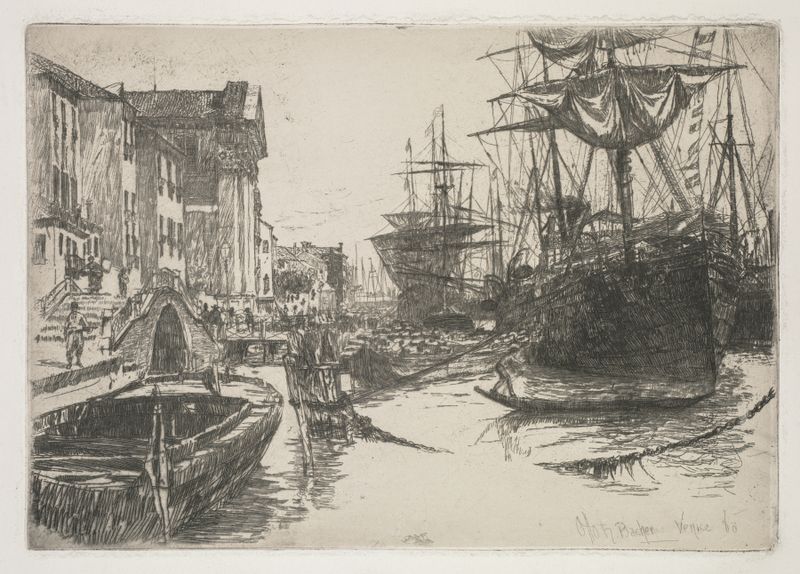
Fondamenta della Zattere
Otto Henry Bacher
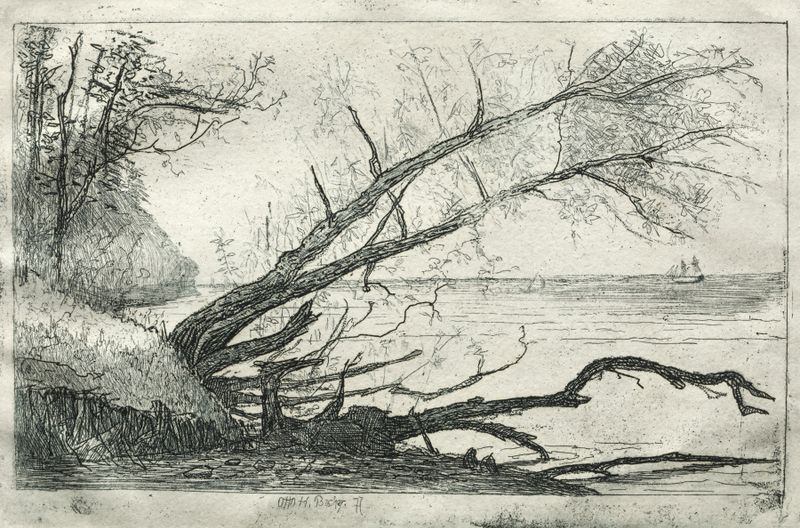
Old Sycamore
Otto Henry Bacher
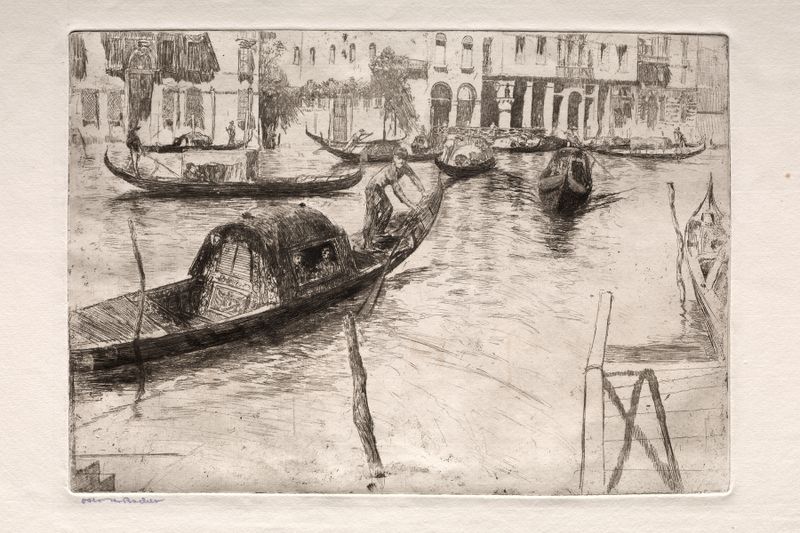
Traghetto San Felice
Otto Henry Bacher
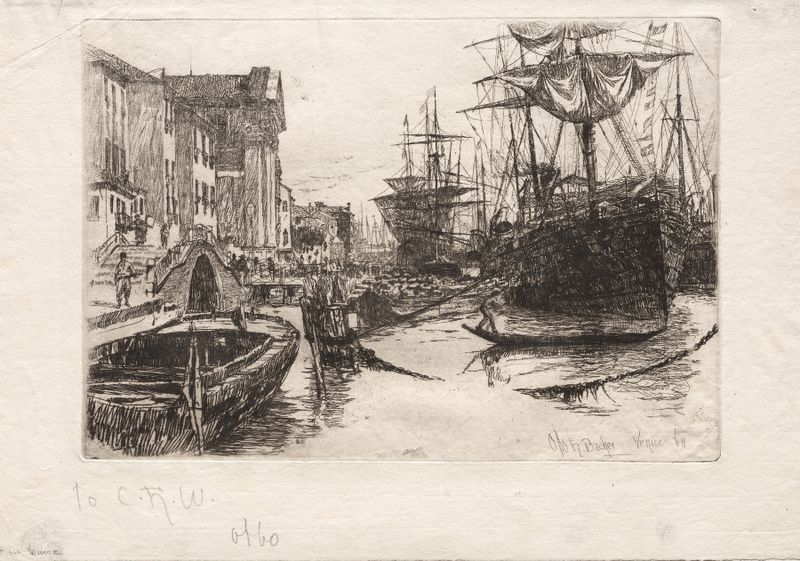
View in Venice
Otto Henry Bacher
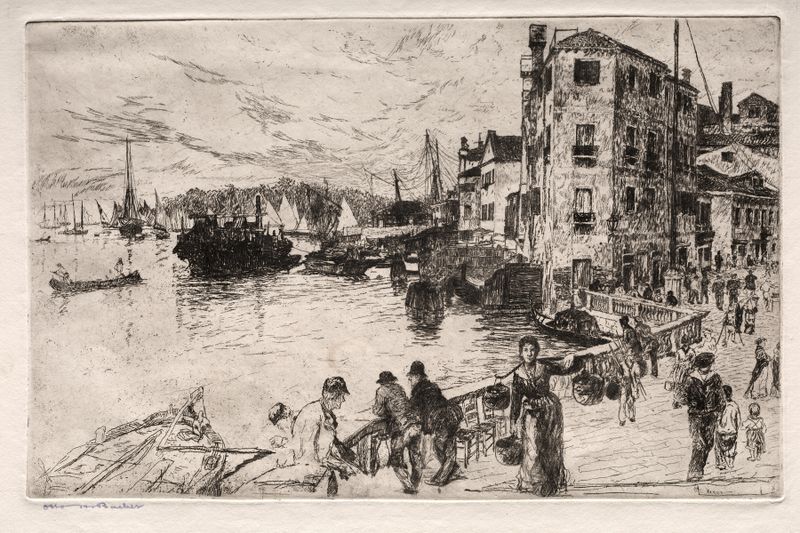
Castello Quarters, Riva
Otto Henry Bacher
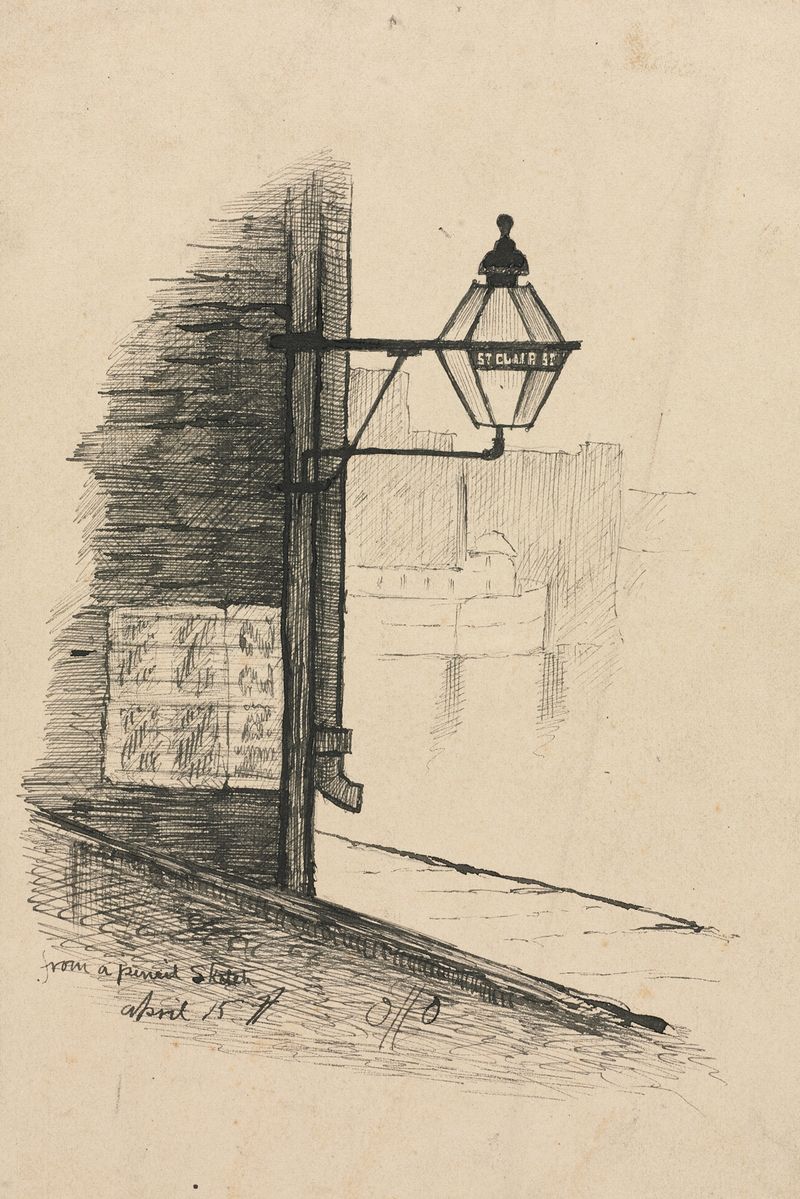
St. Clair Street, Cleveland
Otto Henry Bacher





