
Coucher De Soleil — History & Facts
What secret hides in the quiet of the canvas? A stillness envelops the twilight hour, where the sun dips below the horizon, leaving the world in a serene embrace of twilight. Look to the center of the painting, where a horizon blurs into the deepening sky, a fusion of orange and indigo hues. The palette is rich yet muted, capturing the fading light with a deft hand. Notice how the water mirrors this celestial spectacle, reflecting the colors while maintaining a calm surface, as if holding its breath in anticipation of the night.
The brush strokes are fluid, evoking a sense of tranquility that invites the viewer to linger in this moment. In the foreground, a solitary boat drifts gently, its outline soft and shadowy, suggesting a moment of introspection. The absence of figures amplifies the sense of emptiness, rendering the scene a meditation on solitude. This stillness juxtaposes the vibrant chaos of nature, encapsulating the fleeting beauty of dusk, a moment that balances between presence and absence. Félix Ziem created Coucher De Soleil between 1850 and 1860 while he was living in Venice, a period defined by his exploration of light and atmosphere.
At this time, the art world was in a transition, moving towards Impressionism, and Ziem was at the forefront of capturing the ephemeral effects of light. His experiences in the city influenced his palette and compositional choices, leaving an indelible mark on his depiction of landscapes.
More Artworks by Félix Ziem
Browse all →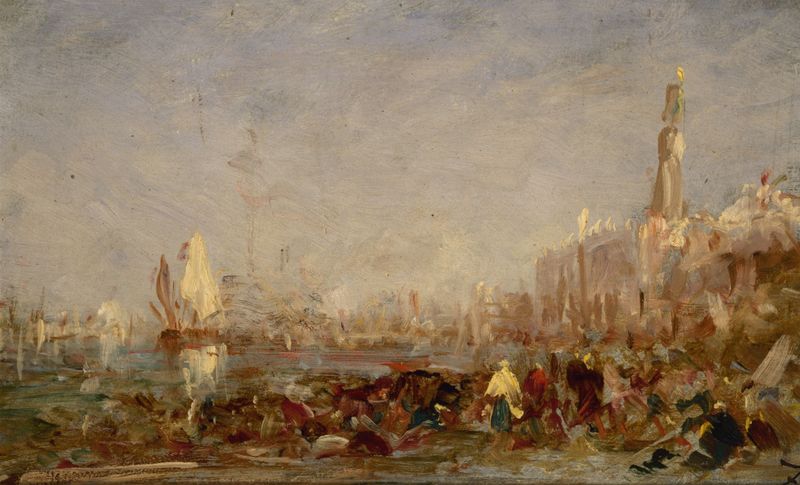
Venise
Félix Ziem
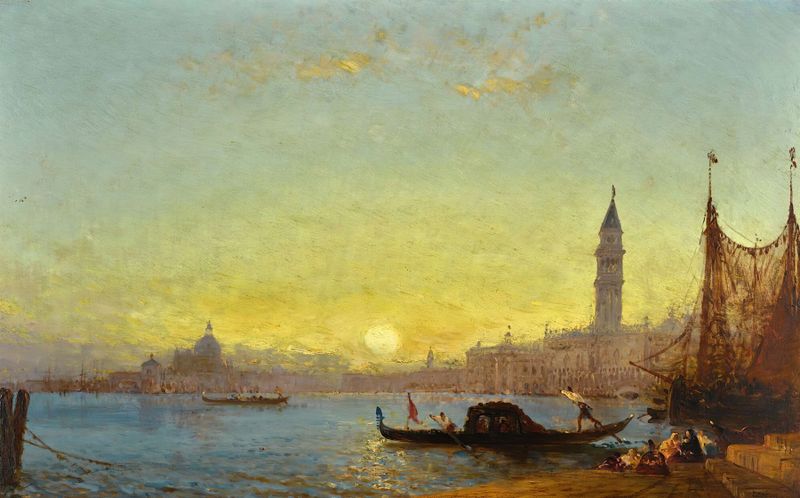
Coucher De Soleil À Venise
Félix Ziem
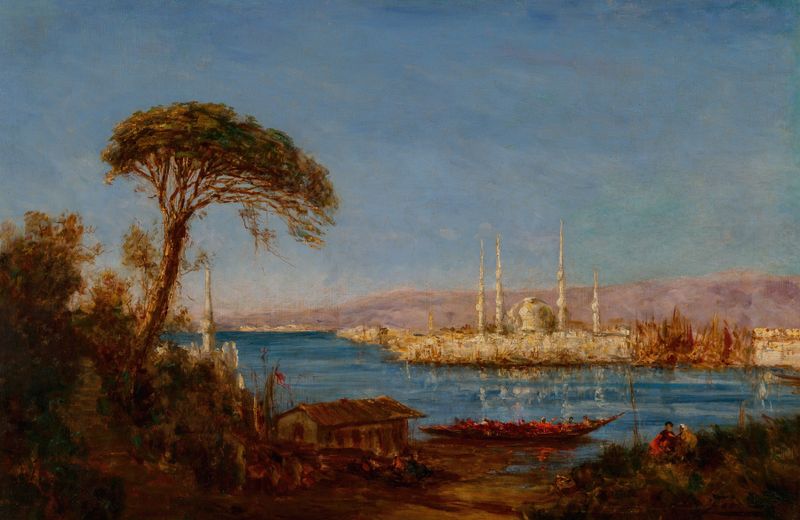
Constantinople
Félix Ziem
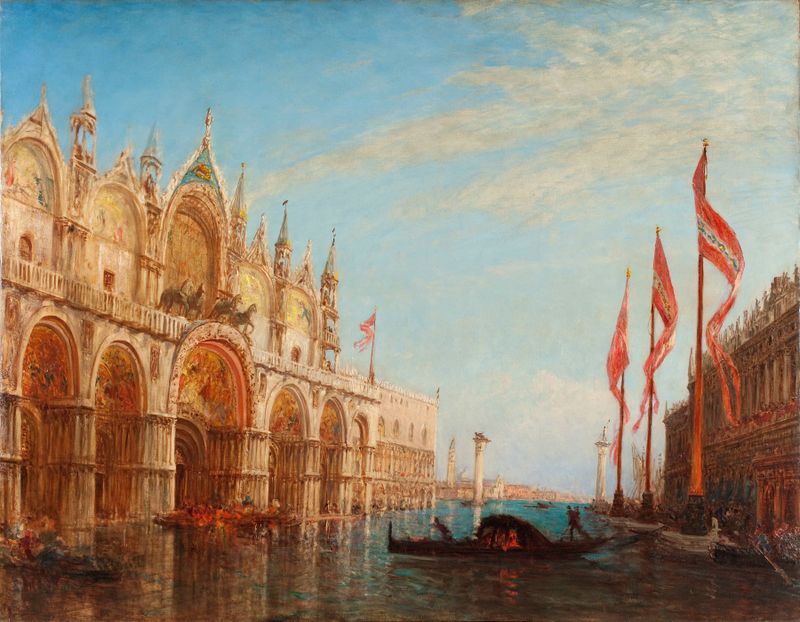
La place Saint-Marc, inondation de 1863
Félix Ziem
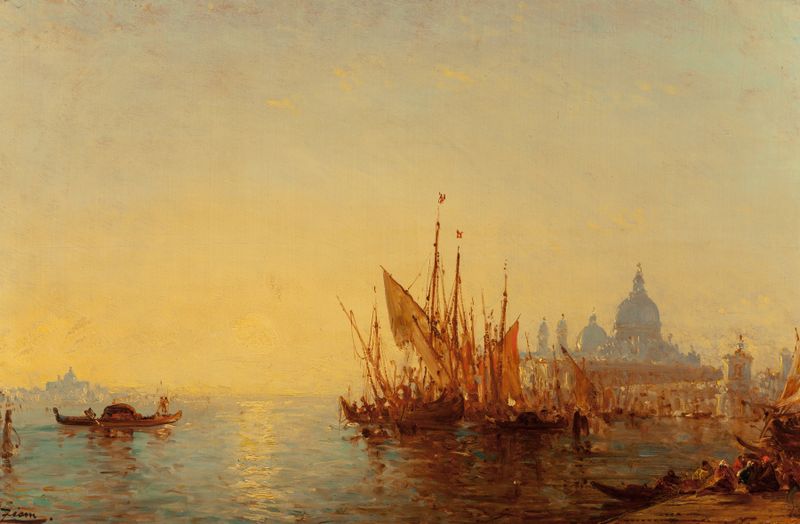
Bacino di San Marco
Félix Ziem
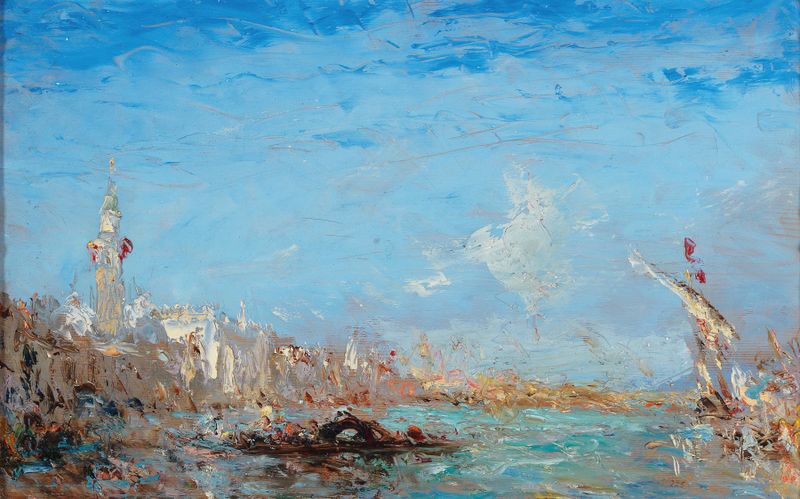
Canal Grande
Félix Ziem
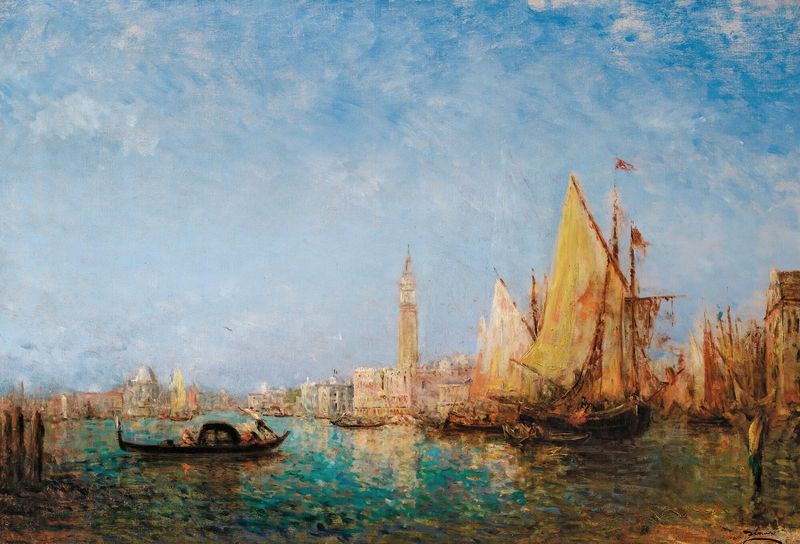
Le Palais Du Doge, Venise
Félix Ziem
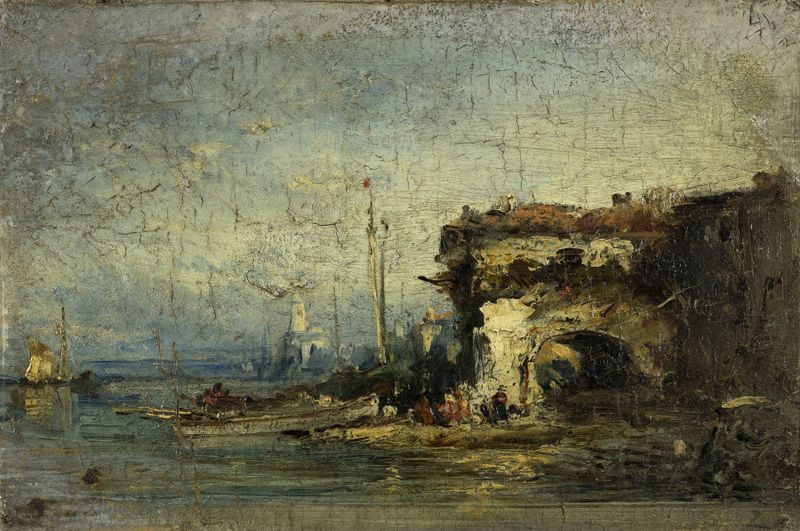
Vue d’Italie; la vieille porte
Félix Ziem
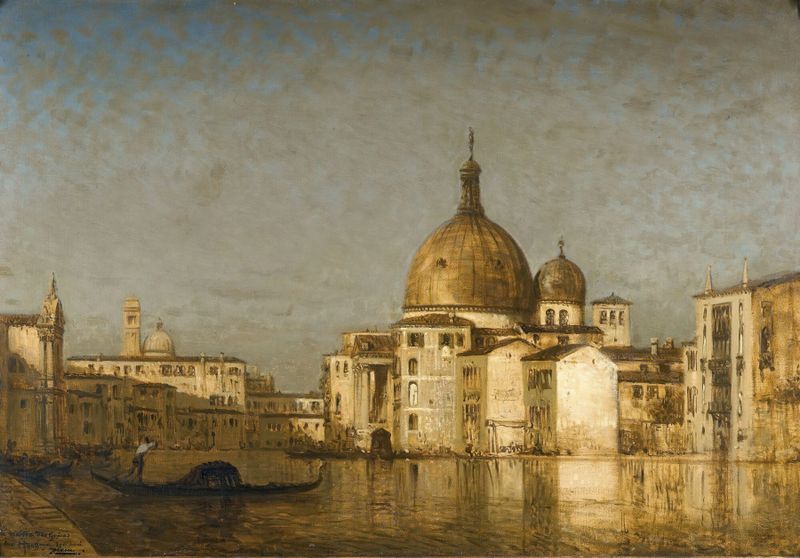
San Simeone Piccolo Au-Delà Du Grand Canal, Venis
Félix Ziem
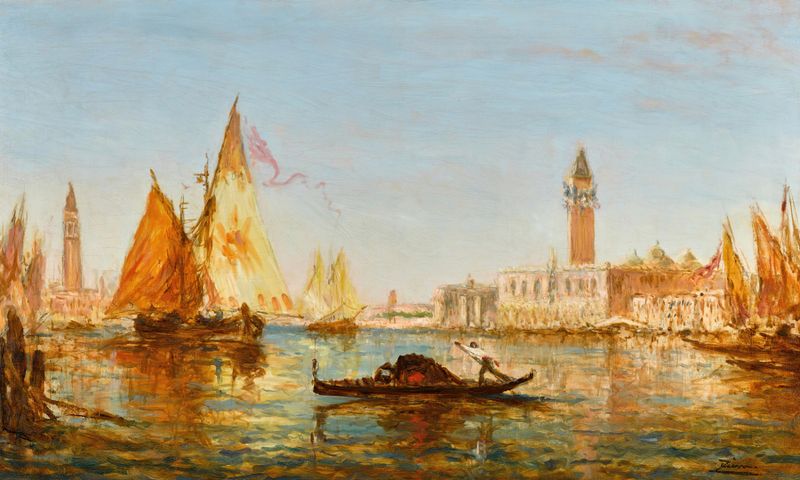
Venise, gondole et voiliers devant le Palais des doges et San Giorgio Maggiore
Félix Ziem





