
Coucher De Soleil — History & Facts
In the vibrant strokes of Coucher De Soleil, light dances across the canvas, whispering tales of change and upheaval. The sunset, with its fiery palette, captures a fleeting moment—an echo of revolution, where beauty masks the harsh realities of life, stirring an emotional depth that remains palpable. Look to the horizon, where the sun, a brilliant sphere of orange and red, spills its warm hues over the landscape. Notice the delicate play of shadows and light across the fields below, rendered in soft pastels that evoke a sense of tranquility.
The brushwork is both vigorous and tender, inviting you to explore the contrast between the vibrant sky and the calm earth. Each stroke feels deliberate, as if Pissarro captured not just a moment, but an emotional crescendo, a plea for harmony amidst chaos. Delve deeper, and you'll uncover the layers of meaning within the work. The juxtaposition of the serene sunset against the tumultuous changes of the time serves as a powerful reminder of the underlying tensions in society.
The vibrant colors suggest hope and renewal, yet they also emphasize the fragility of peace in a world on the brink of transformation. This duality creates a poignant reflection on the nature of beauty and the struggles that often accompany it. During the period Pissarro painted Coucher De Soleil, he was living in rural France, a time marked by social and political unrest. The late 19th century saw a burgeoning of Impressionism, a movement he helped pioneer, which sought to capture modern life and its fleeting moments.
As France grappled with the aftermath of the Franco-Prussian War, Pissarro’s work became a canvas for both personal and collective expression, mirroring the turbulent yet beautiful essence of the world around him.
More Artworks by Camille Pissarro
Browse all →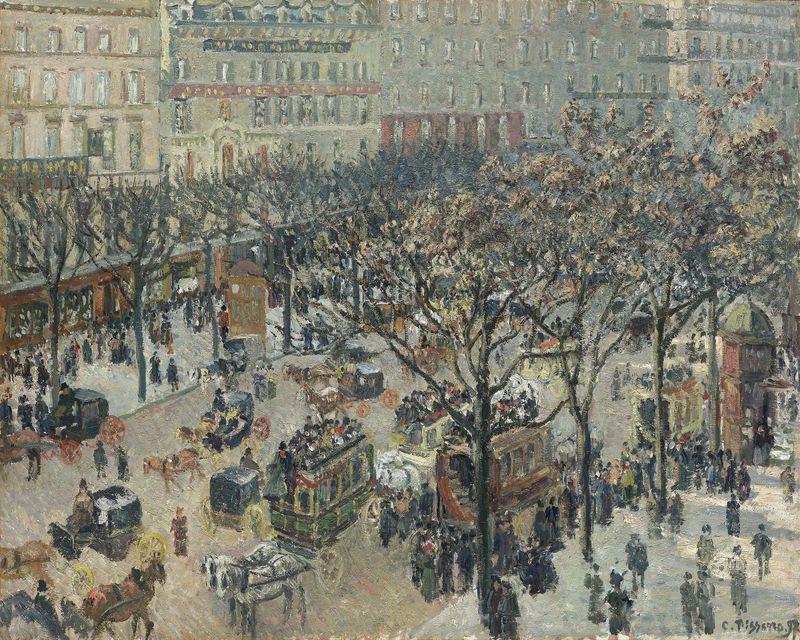
Boulevard des Italiens,Morning_Sunlight
Camille Pissarro
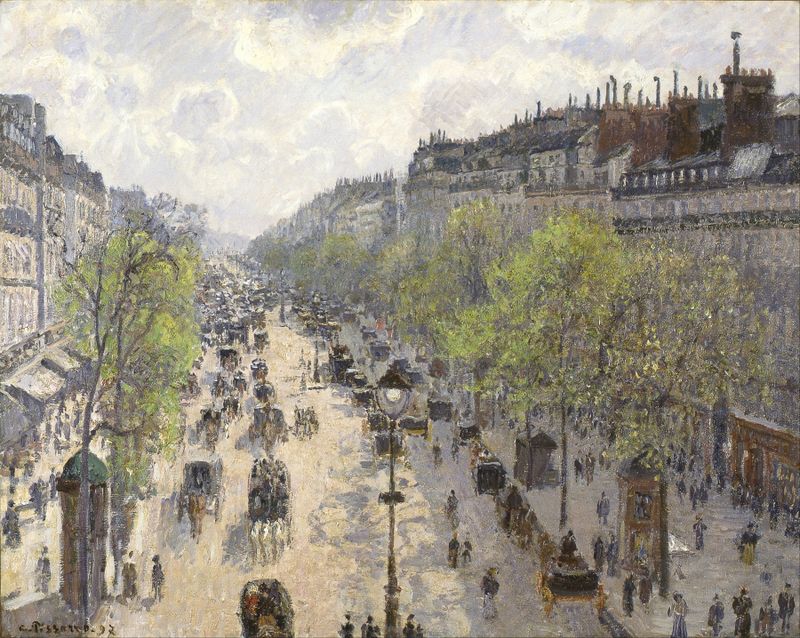
Boulevard Montmartre, Spring
Camille Pissarro
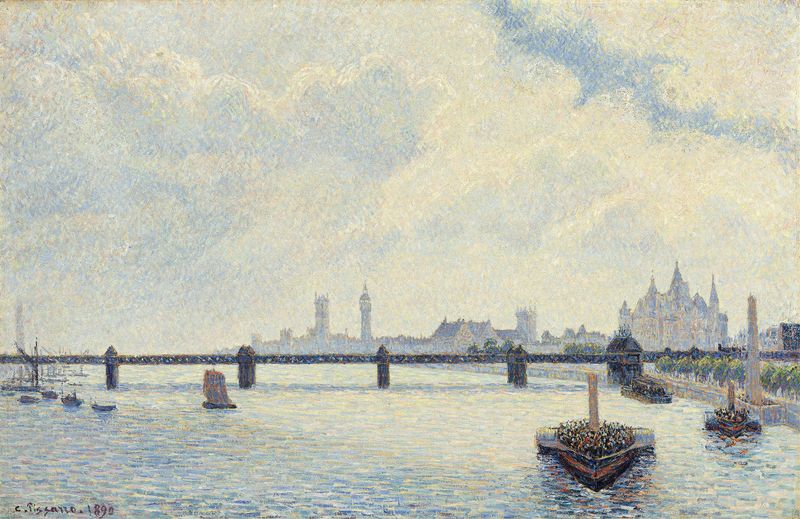
Charing Cross Bridge,London
Camille Pissarro
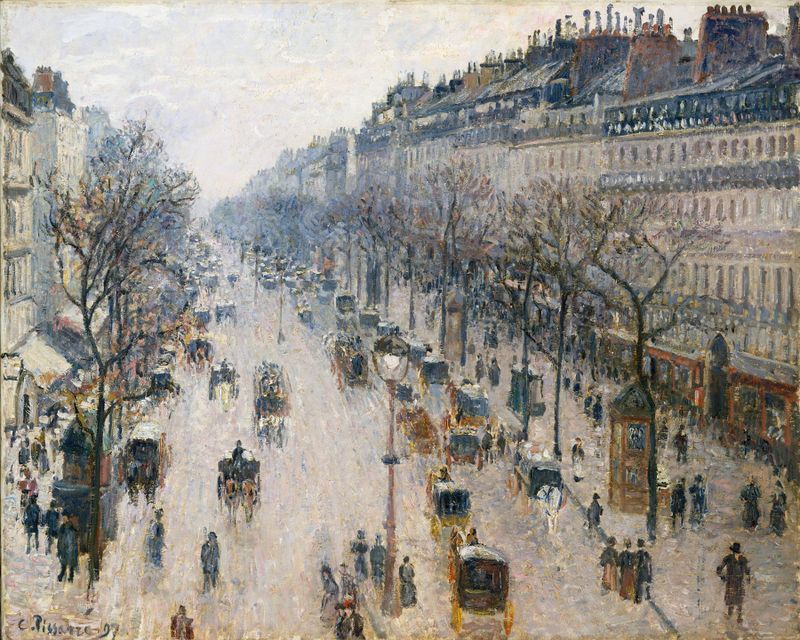
The Boulevard Montmartre on a Winter Morning
Camille Pissarro
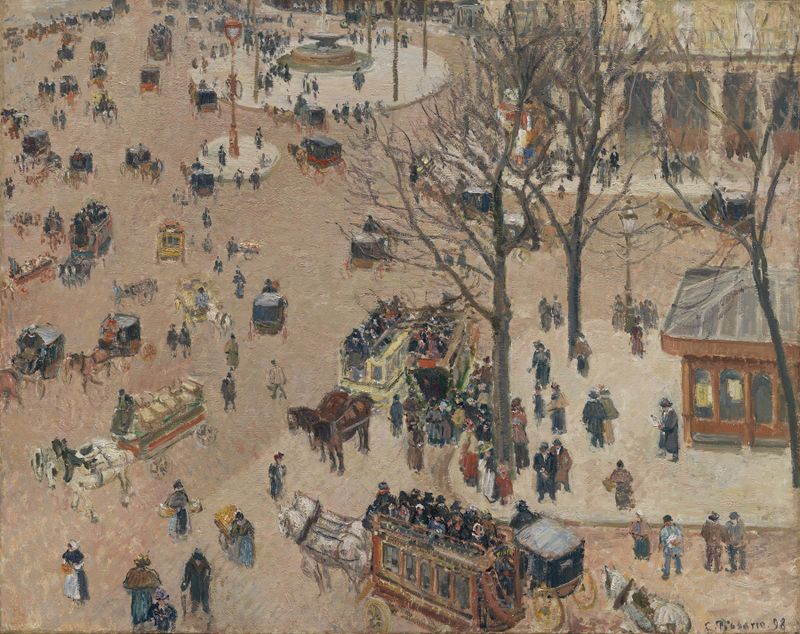
La Place du Théâtre Français
Camille Pissarro

Rue Saint-Lazare, Paris
Camille Pissarro
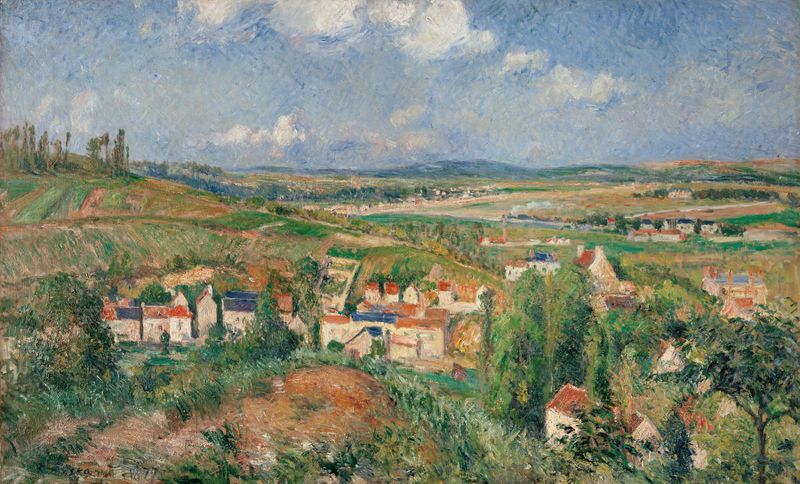
L’hermitage En Été, Pontoise
Camille Pissarro

Place du Theatre Francais,Fog Effect
Camille Pissarro
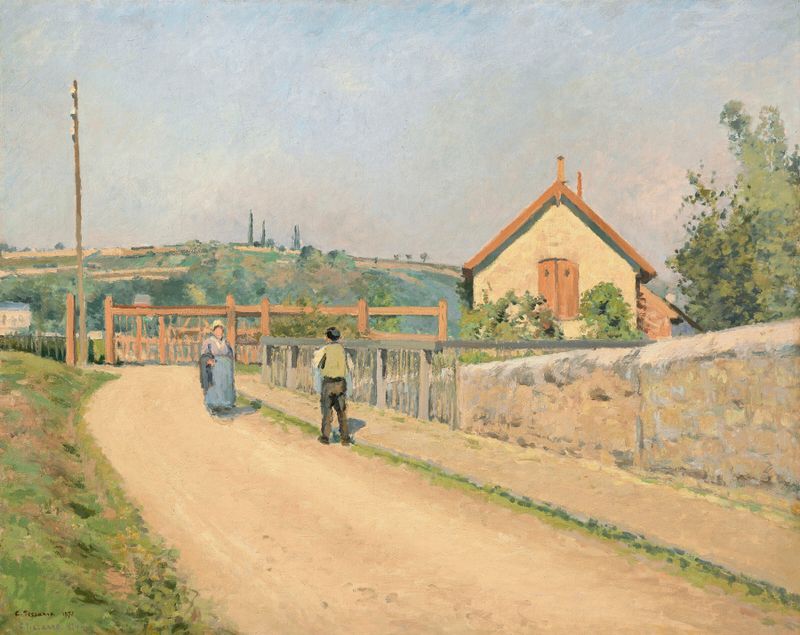
La barrière du chemin de fer, aux Pâtis près Pontoise
Camille Pissarro
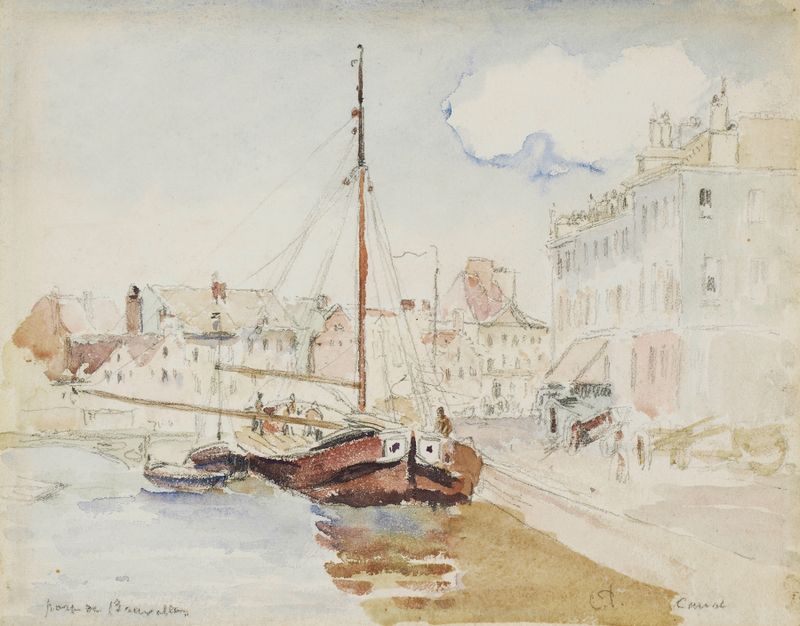
Port de Bruxelles
Camille Pissarro





