
Coucher de soleil — History & Facts
In the fleeting moments of twilight, a transformation unfolds, inviting us to feel the profound beauty of change. As day surrenders to night, the brushstrokes become whispers of a deeper reality that mirrors our own transitions. Look to the left of the canvas where the sun begins its descent, a molten orb of vibrant oranges and golds. The colors blend seamlessly into rich purples and deep blues, reflecting the delicate interplay between light and shadow.
Notice how the horizon blurs softly, as if time itself is suspended. Each stroke creates a sense of movement, the waves gently lapping against the shore, urging the viewer to immerse themselves in this tranquil moment. Yet, amidst this serene beauty lies a subtle tension. The warmth of the sunset contrasts with the encroaching coolness of night, symbolizing life's cyclical nature.
The distant silhouettes of boats, half-immersed in shadow, evoke feelings of solitude and longing, while the bright sky hints at hope and renewal. These nuances invite contemplation about the moments of transformation we all face, underscoring the interplay of light and dark within our own narratives. During the late 1850s, the artist found inspiration in the changing landscapes of France, showcasing his passion for capturing natural light and atmospheric effects. This period marked a time of great innovation in the art world, as many sought to break free from traditional constraints, exploring impressionistic techniques.
Coucher de soleil stands as a testament to this evolution, encapsulating the essence of transition that defines both art and life.
More Artworks by Félix Ziem
Browse all →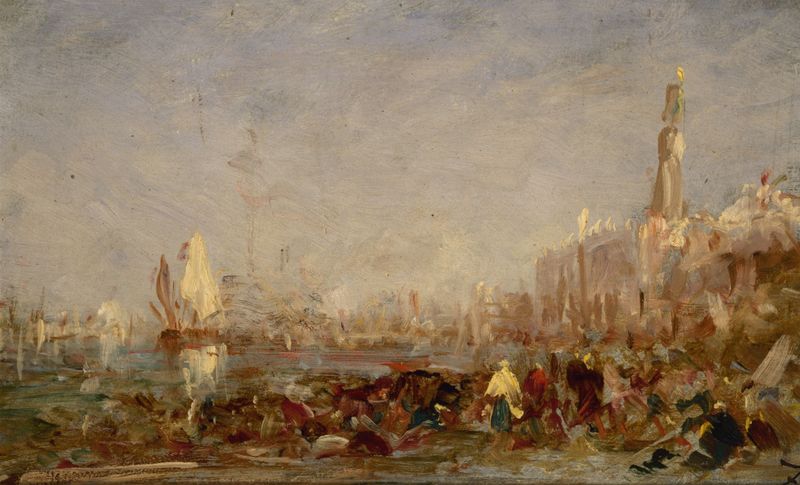
Venise
Félix Ziem
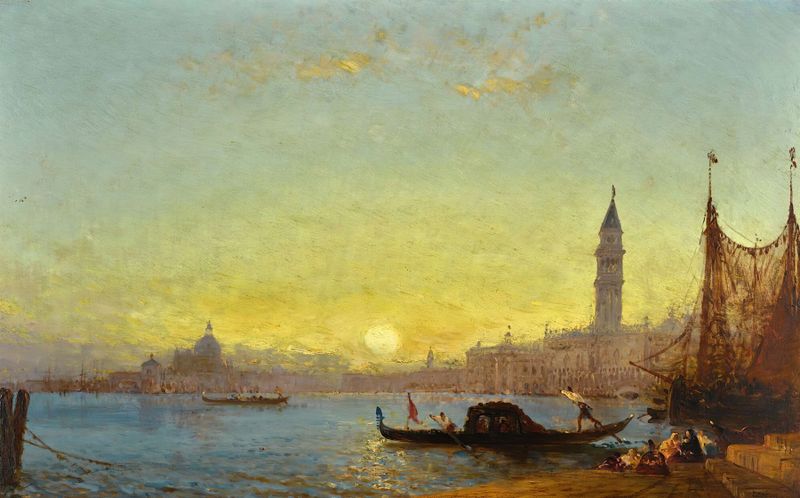
Coucher De Soleil À Venise
Félix Ziem
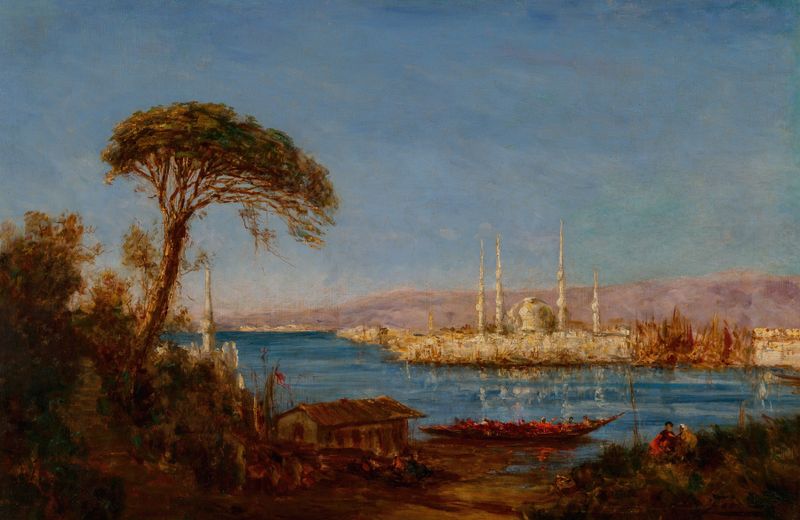
Constantinople
Félix Ziem
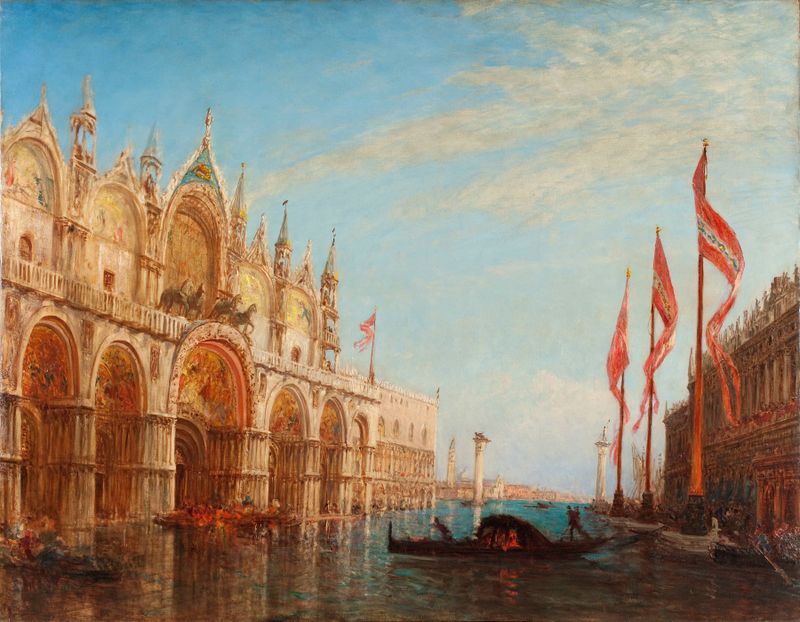
La place Saint-Marc, inondation de 1863
Félix Ziem
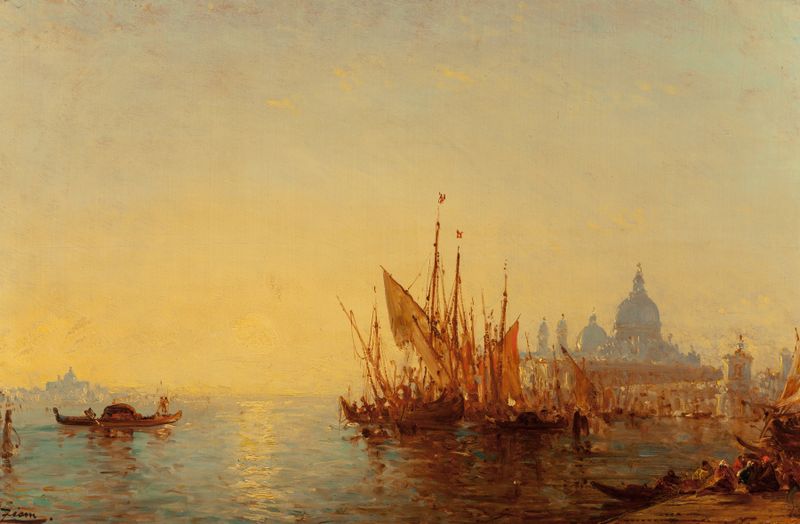
Bacino di San Marco
Félix Ziem
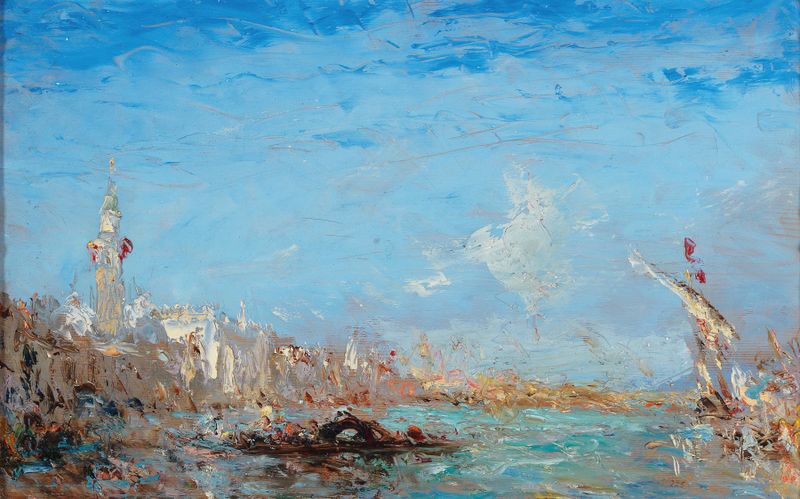
Canal Grande
Félix Ziem
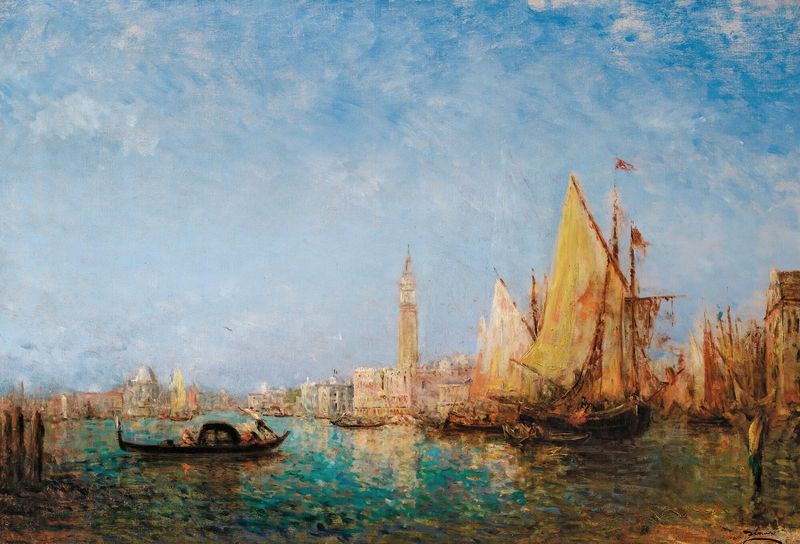
Le Palais Du Doge, Venise
Félix Ziem
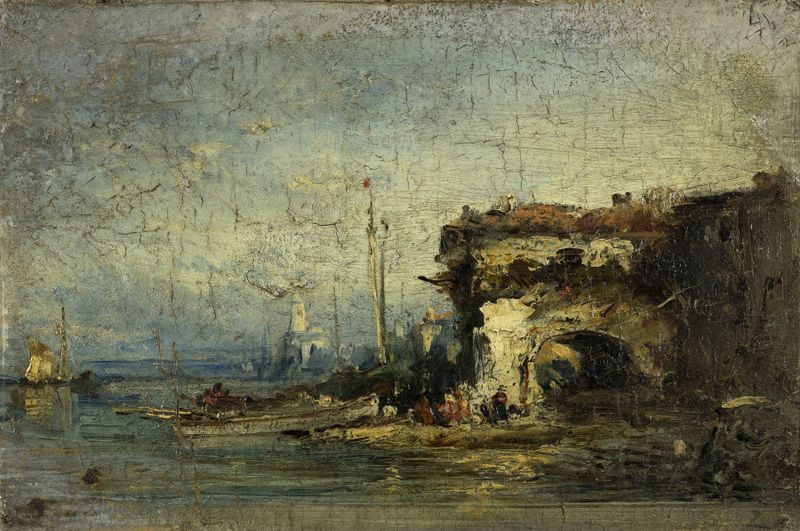
Vue d’Italie; la vieille porte
Félix Ziem
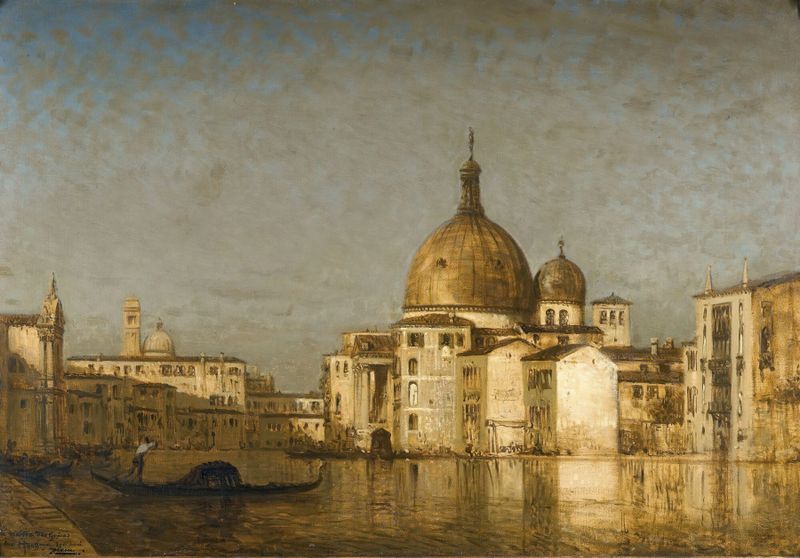
San Simeone Piccolo Au-Delà Du Grand Canal, Venis
Félix Ziem
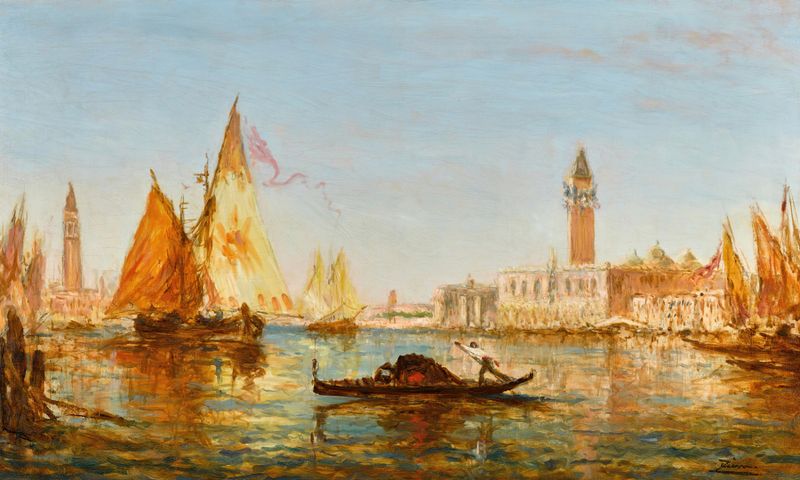
Venise, gondole et voiliers devant le Palais des doges et San Giorgio Maggiore
Félix Ziem





