
Country House. — History & Facts
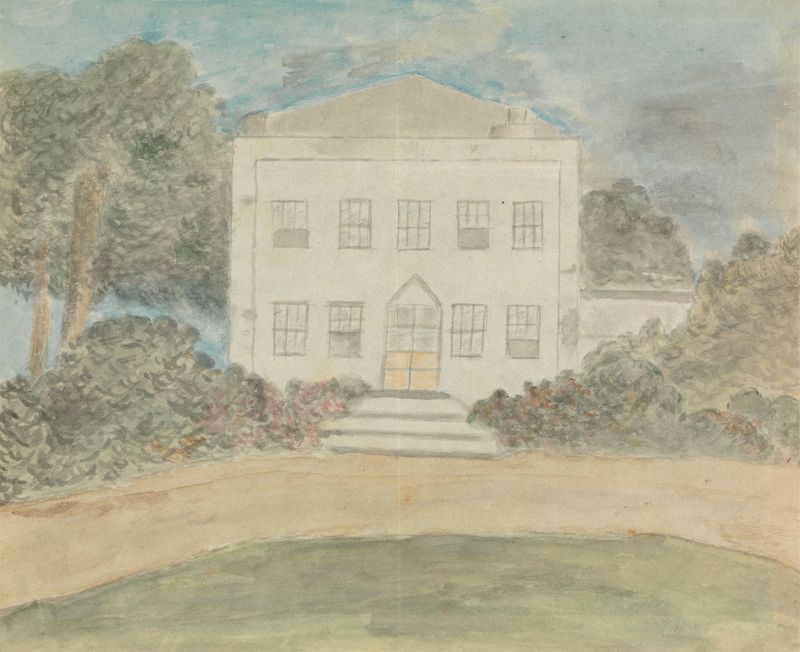
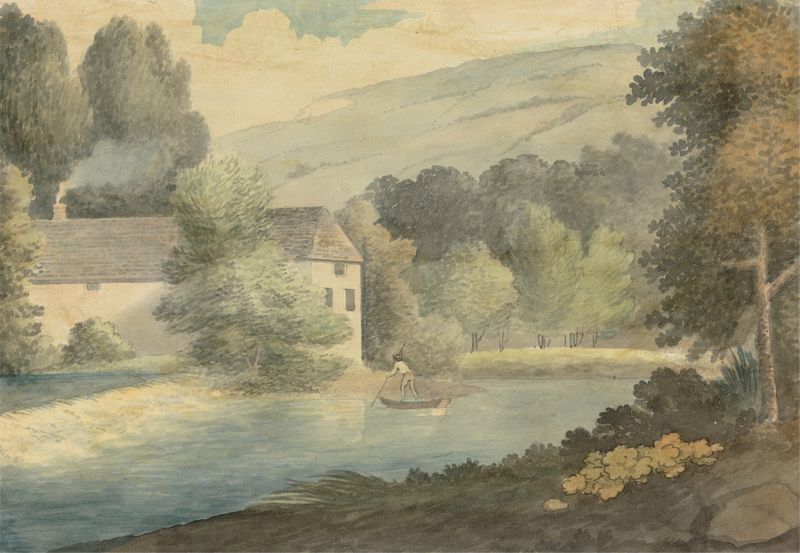
Could beauty survive in a century of chaos? Edward Francis Burney's Country House offers a glimpse into a world where tranquility reigns over tumult, evoking an innocence often overshadowed by the storms of history. Look to the lush greenery that envelops the home, a testament to the artist's command of landscape. The soft brushstrokes create a harmonious blend of colors, inviting the viewer’s gaze to linger on the gentle slopes and the dappled sunlight filtering through the leaves. Notice how the warm hues of the house contrast with the cool tones of the surrounding nature, emphasizing a serene coexistence that feels almost idyllic.
Each detail, from the meticulously painted flowers to the inviting pathway, draws you deeper into this pastoral dream. Yet beneath the surface of this picturesque scene lie layers of meaning. The juxtaposition of the solid, stable country house against the ephemeral beauty of nature suggests a yearning for permanence in a transient world. The peaceful setting hints at a retreat from the chaos of urban life, offering a sanctuary where innocence can flourish.
It invites reflections on nostalgia and a longing for simpler times, where both the home and its surroundings can coexist in harmony. Burney created Country House during a period marked by artistic experimentation and the rise of romanticism, likely in the early 19th century. As he navigated the evolving landscape of art, characterized by a shift toward valuing emotional expression, he found inspiration in the pastoral and the idyllic. This was a time when artists sought refuge in the beauty of nature as a contrast to the industrial revolution's encroaching chaos, making this work a poignant reflection of its era.
More Artworks by Edward Francis Burney
Browse all →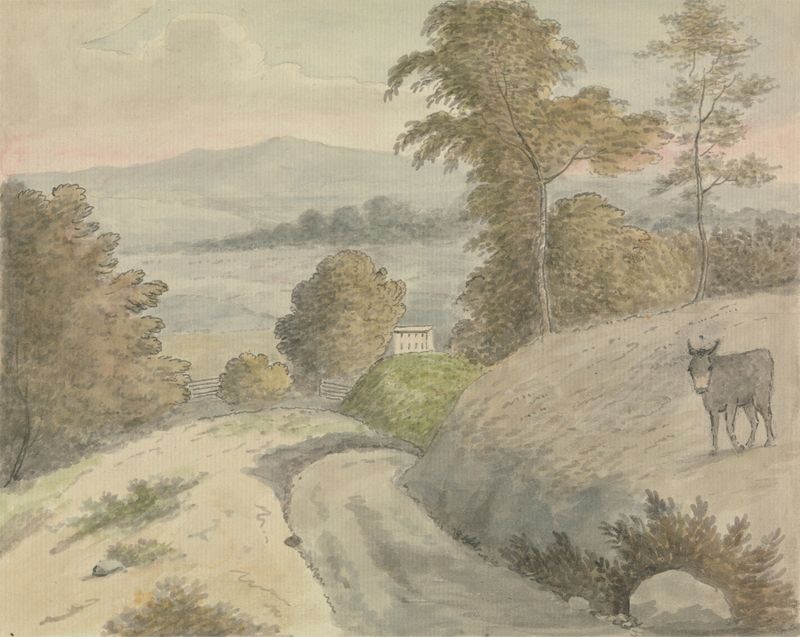
View in Surrey
Edward Francis Burney
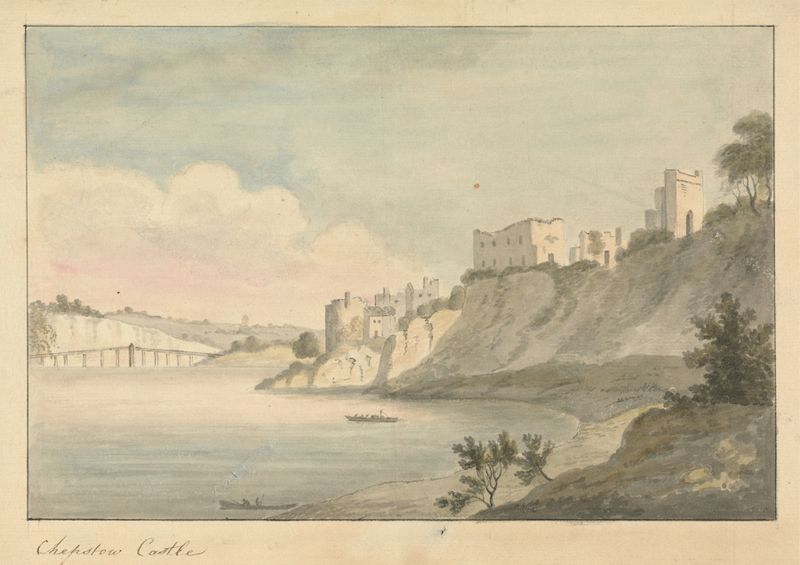
Chepstow Castle
Edward Francis Burney
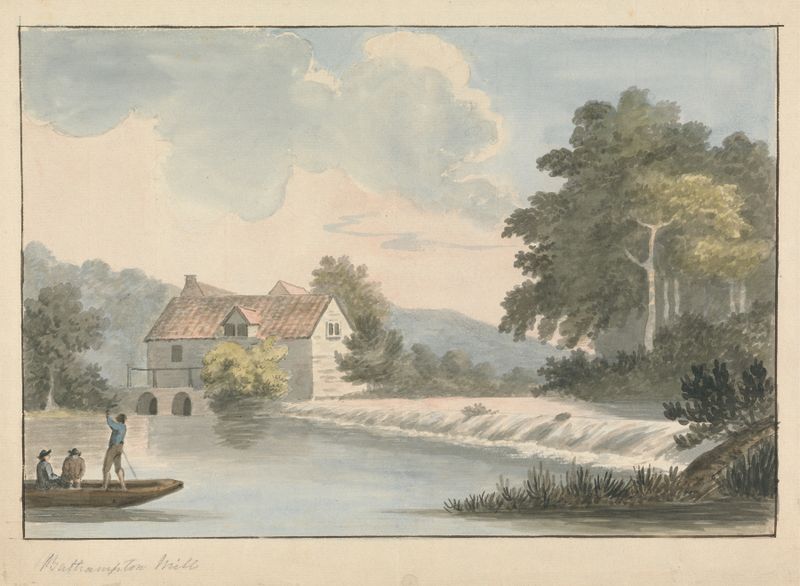
Bathampton Mill
Edward Francis Burney
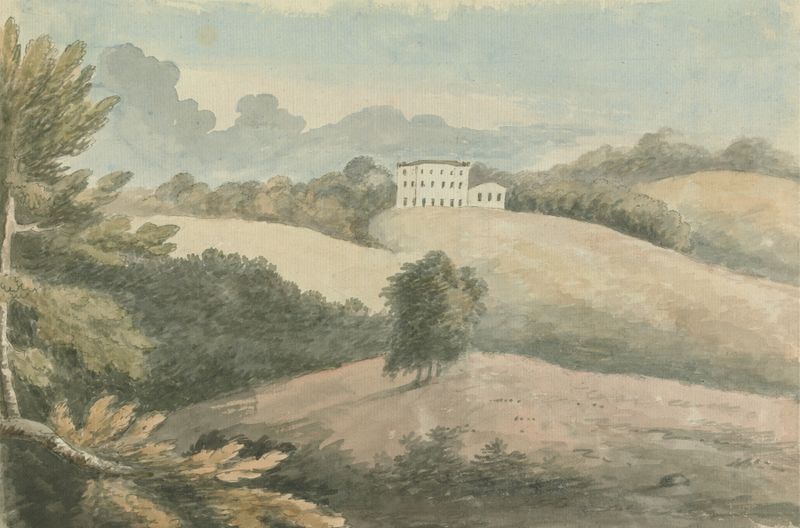
Mowbray Park
Edward Francis Burney
Country House
Edward Francis Burney
Bathampton Mill.
Edward Francis Burney
Norbury Park
Edward Francis Burney
Road in the Forest
Edward Francis Burney
The Boatman
Edward Francis Burney
Richmond
Edward Francis Burney





