
Road in the Forest — History & Facts
In the quiet solitude of a forest, every path could lead to serenity or chaos. Nature bears witness to the violence of existence, hidden within layers of green and shadow. Look to the left at the winding road, where a soft light filters through the canopy, illuminating the ground like a beacon. The vibrant greens of the foliage pulse with life, yet the deeper shadows seem to quiver with untold stories.
Notice how the texture of the brushstrokes adds a tangible depth; the rough strokes of the earth contrast sharply with the fluid lines of the trees, evoking a sense of movement and unease. Here, the vibrant yet ominous palette reveals a world on the brink. The juxtaposition of light and dark creates an emotional tension, inviting the viewer to ponder the unseen forces at play, whether they be the beauty of nature or the lurking threat of violence. The path, though inviting, is laden with the weight of uncertainty, suggesting that every step taken could lead toward danger or discovery. Burney painted this work during a time when the Romantic movement was flourishing, bringing emotion and nature to the forefront of artistic expression.
Though the exact date remains unknown, his exploration of the forest reflects a broader fascination with the sublime and the unpredictable forces of the natural world, echoing the anxieties of a changing society in the 19th century.
More Artworks by Edward Francis Burney
Browse all →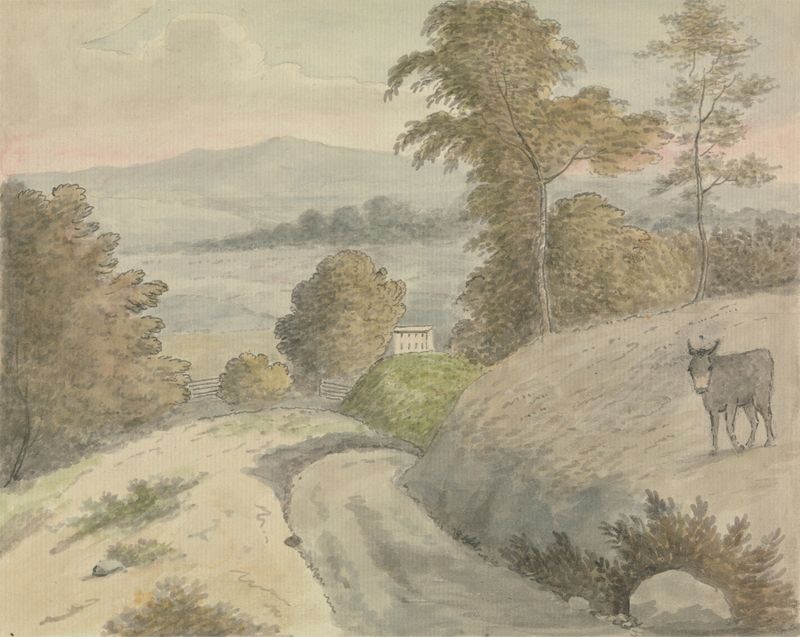
View in Surrey
Edward Francis Burney
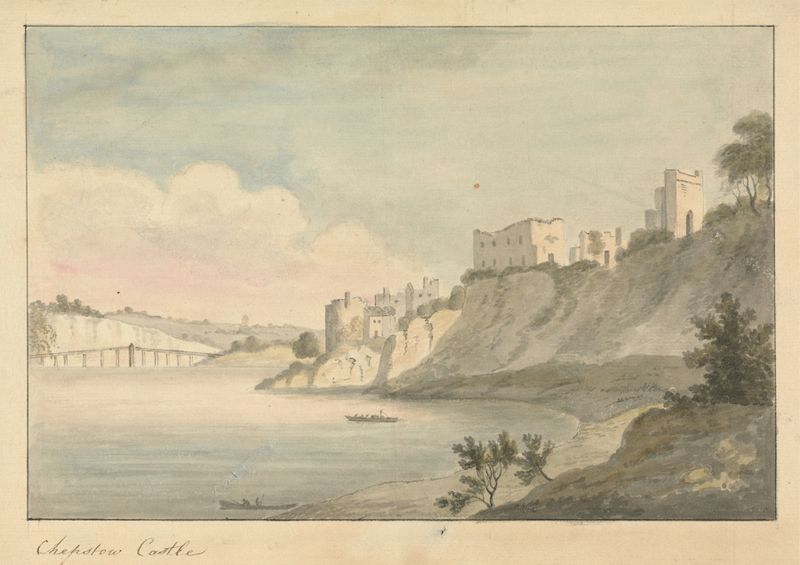
Chepstow Castle
Edward Francis Burney
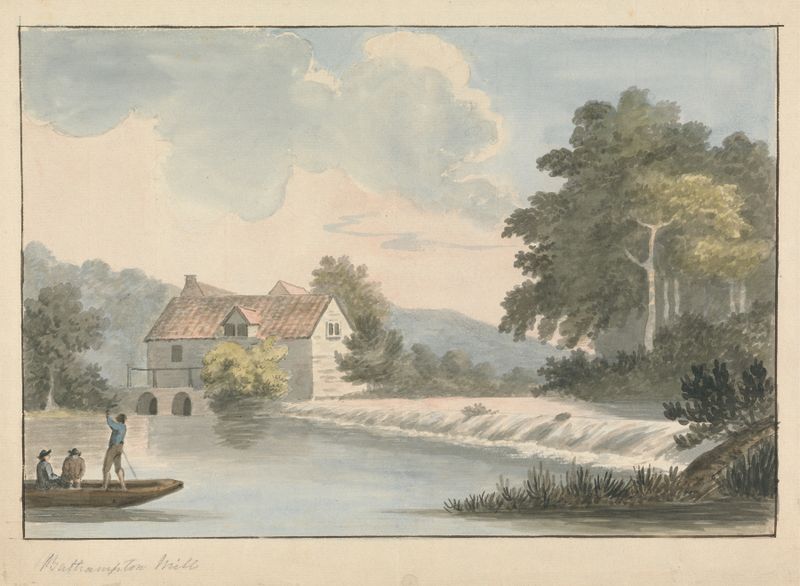
Bathampton Mill
Edward Francis Burney
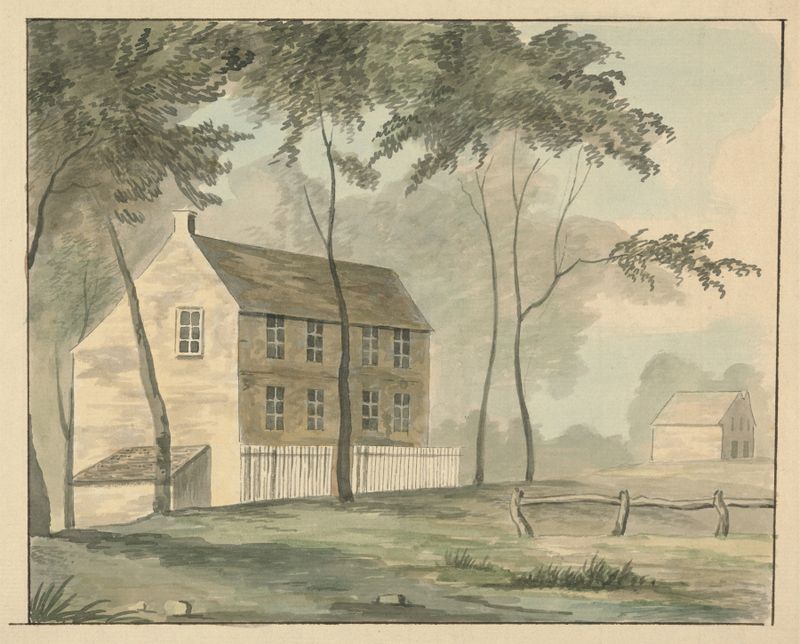
Country House.
Edward Francis Burney
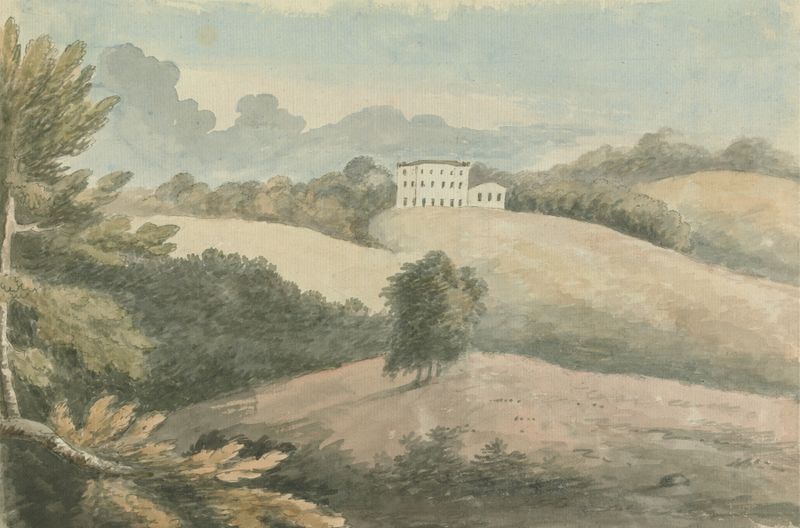
Mowbray Park
Edward Francis Burney
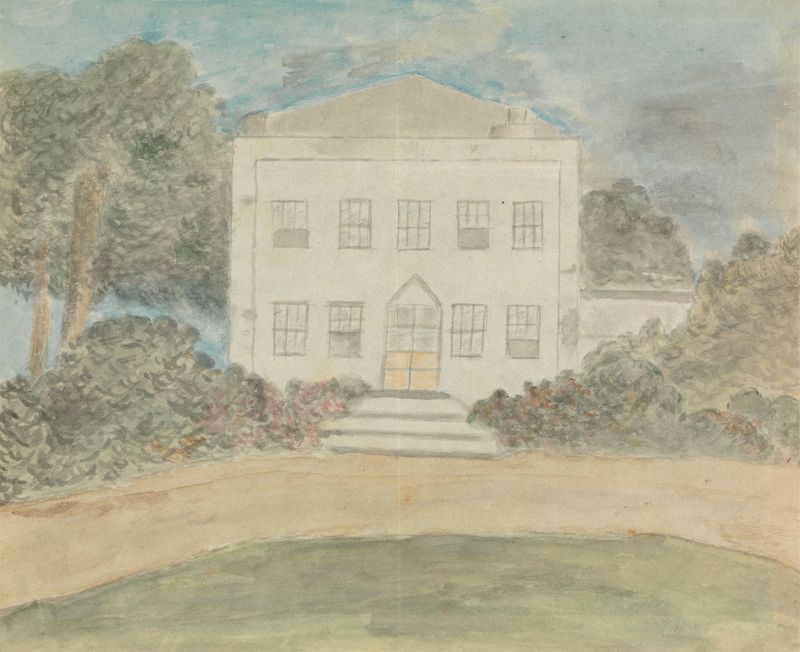
Country House
Edward Francis Burney
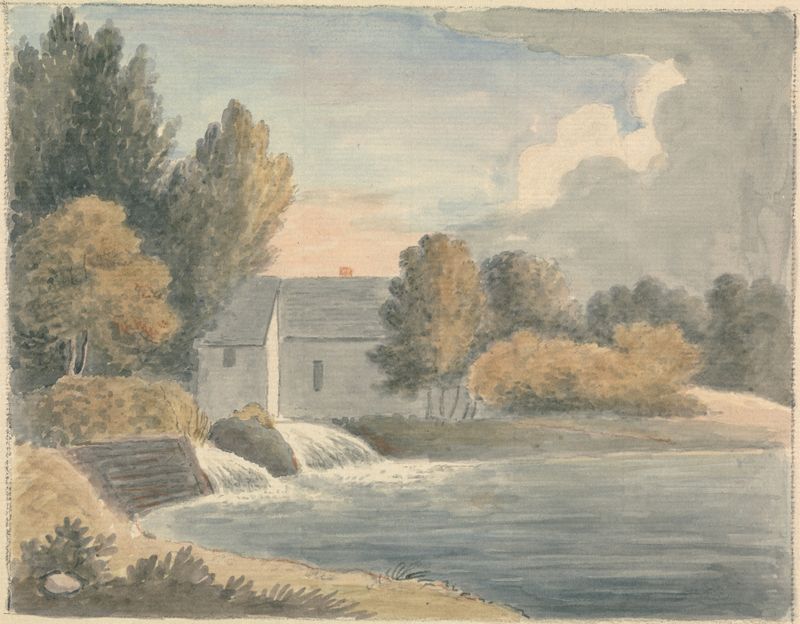
Bathampton Mill.
Edward Francis Burney
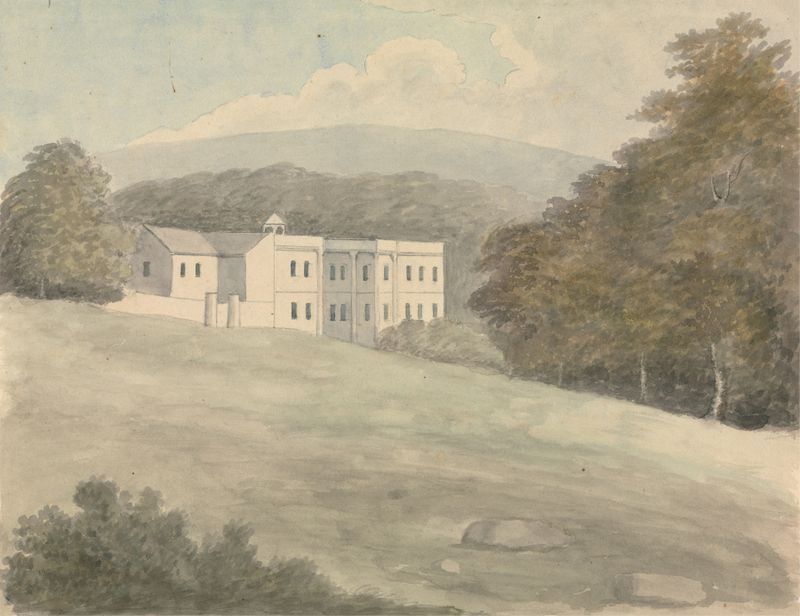
Norbury Park
Edward Francis Burney
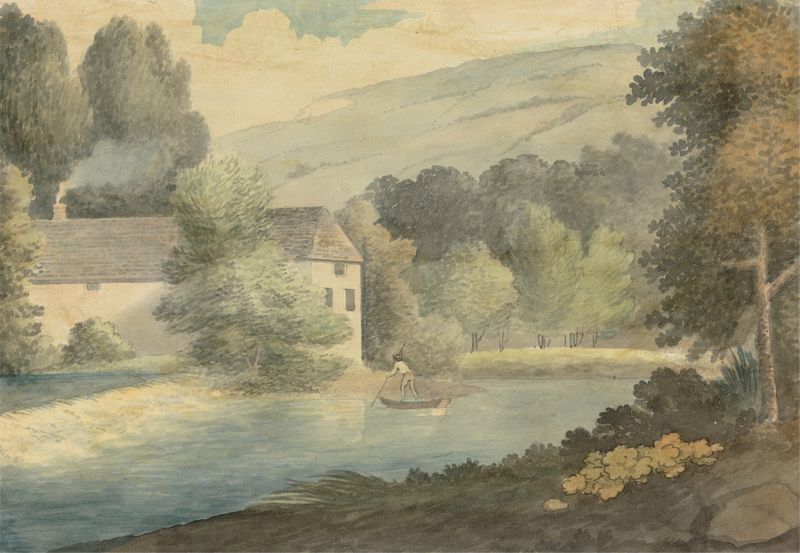
The Boatman
Edward Francis Burney
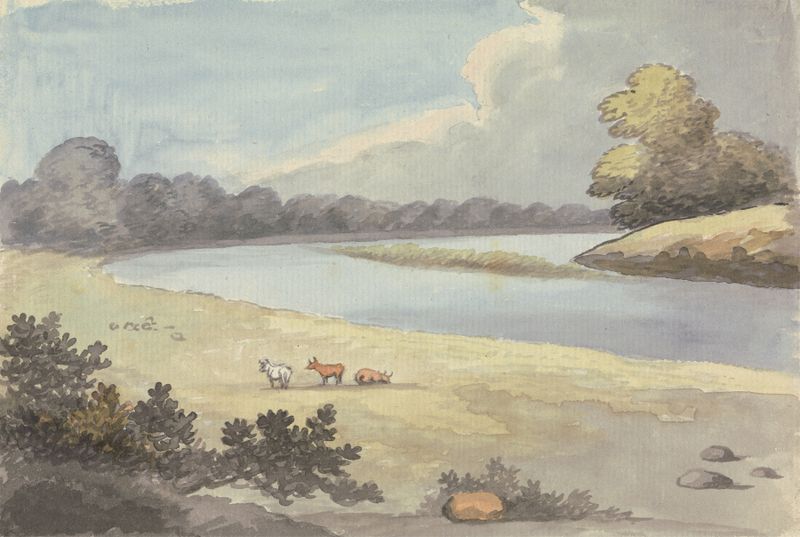
Richmond
Edward Francis Burney





