
Country House — History & Facts
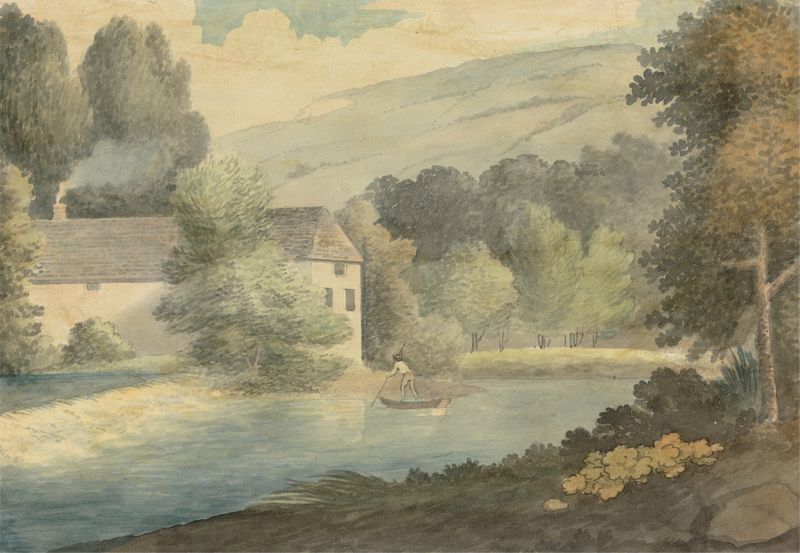
Who listens when art speaks of silence? In the stillness of Country House, loss whispers through the shadows of a forgotten landscape, inviting reflection on absence and memory. Look to the center of the canvas, where a modest country house stands, wrapped in the embrace of an overgrown garden. The brushstrokes delicately render the architecture, its worn façade softened by nature reclaiming its space. A muted palette of greens and browns fosters a sense of nostalgia, while dappled light filters through the trees, casting gentle shadows that seem to cradle the structure, as if time itself is unwilling to let go. In the details, poignant contrasts emerge.
The vibrancy of the foliage surrounding the house hints at life’s persistence, yet the crumbling edges of the building speak to decay and abandonment. A solitary figure, barely discernible, lingers in the foreground, embodying the lingering presence of what once was. This subtle interplay between vibrancy and desolation invites the viewer to ponder the transient nature of existence and the stories held within walls that have known both joy and sorrow. Created during the late 18th century, this work reflects Burney's exploration of the pastoral genre amid a changing landscape of British art.
At this time, romantic notions of rural life were gaining prominence, yet the artist's choice to focus on decay suggests a deeper meditation on the passage of time and the emotional weight of memory in an era teetering between tradition and modernity.
More Artworks by Edward Francis Burney
Browse all →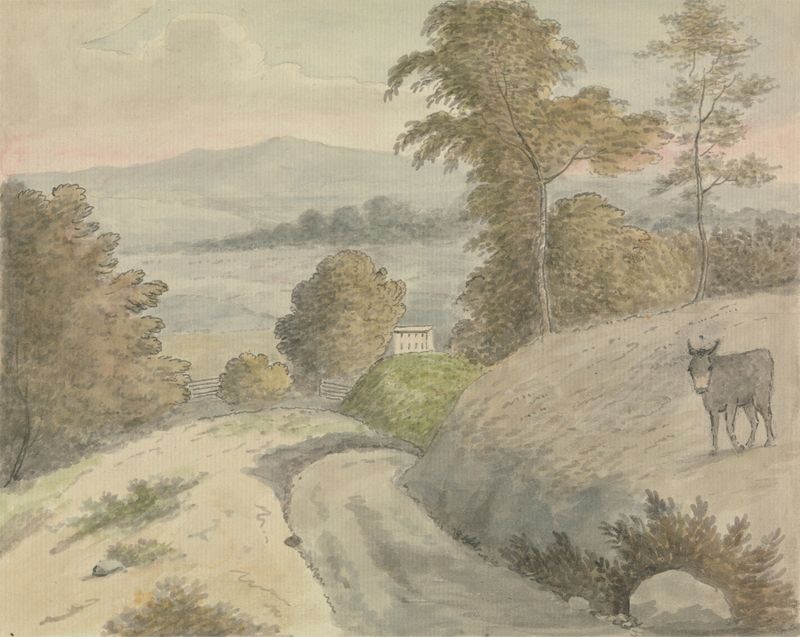
View in Surrey
Edward Francis Burney
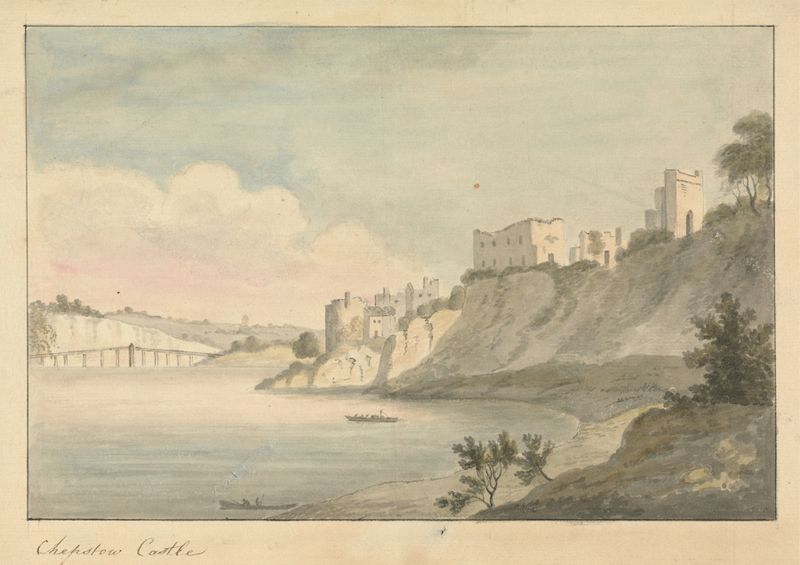
Chepstow Castle
Edward Francis Burney
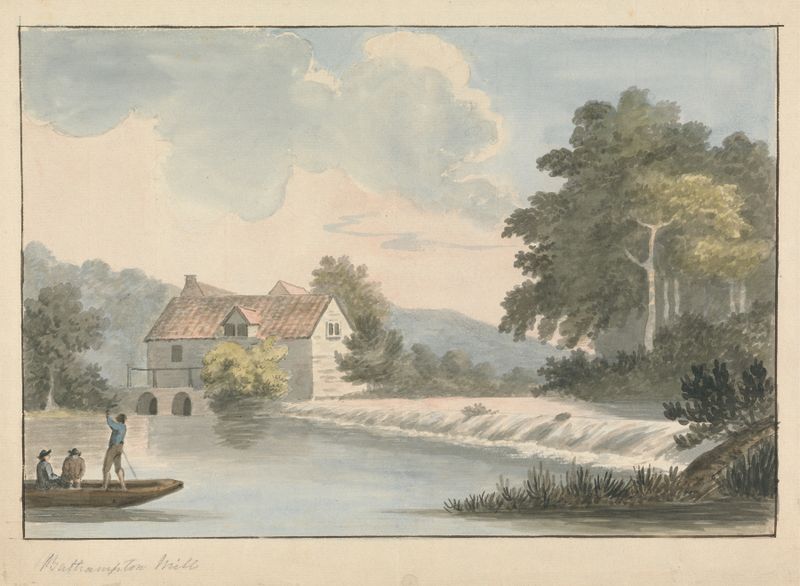
Bathampton Mill
Edward Francis Burney
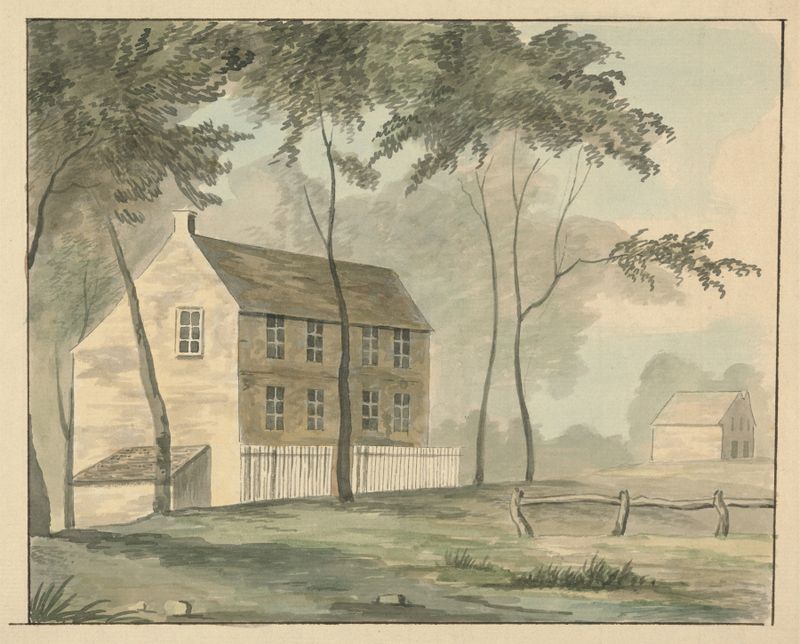
Country House.
Edward Francis Burney
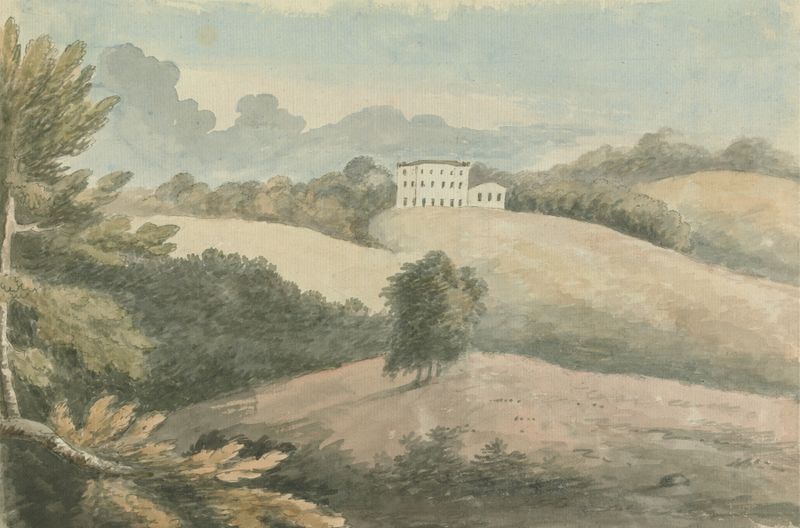
Mowbray Park
Edward Francis Burney
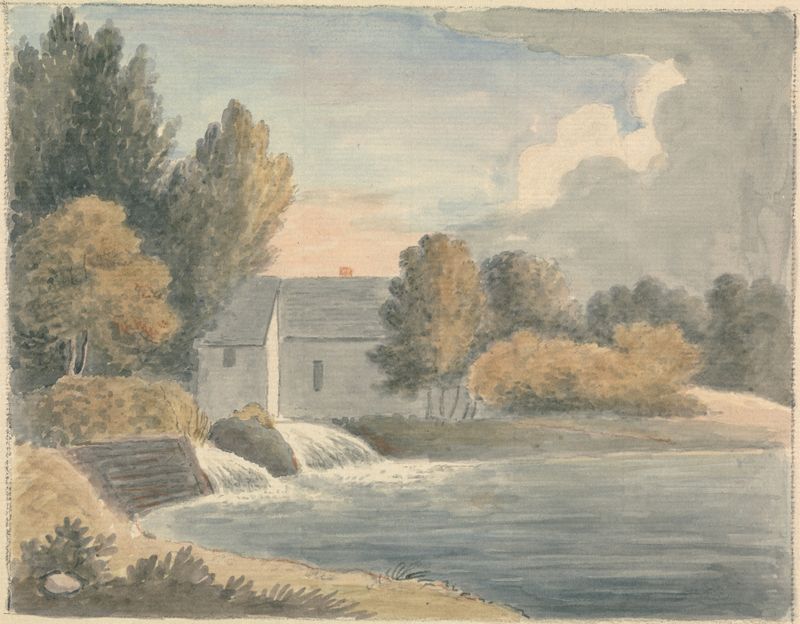
Bathampton Mill.
Edward Francis Burney
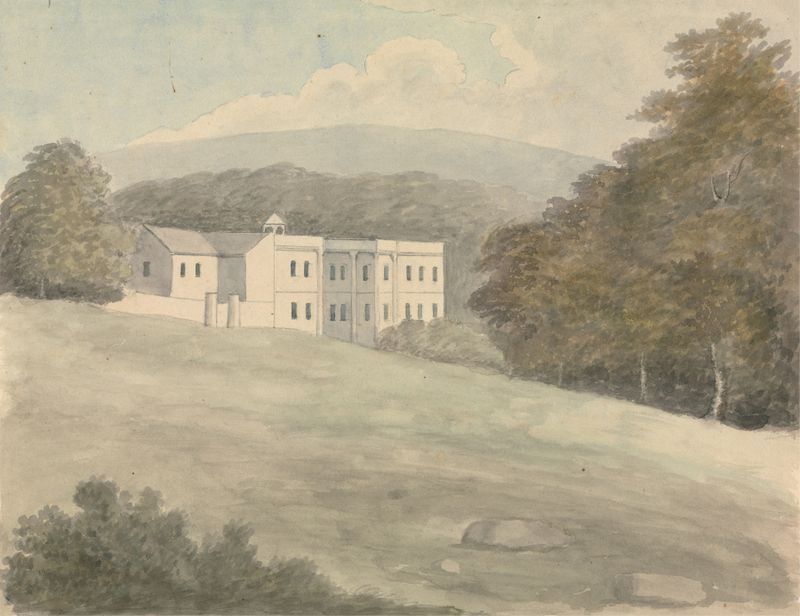
Norbury Park
Edward Francis Burney
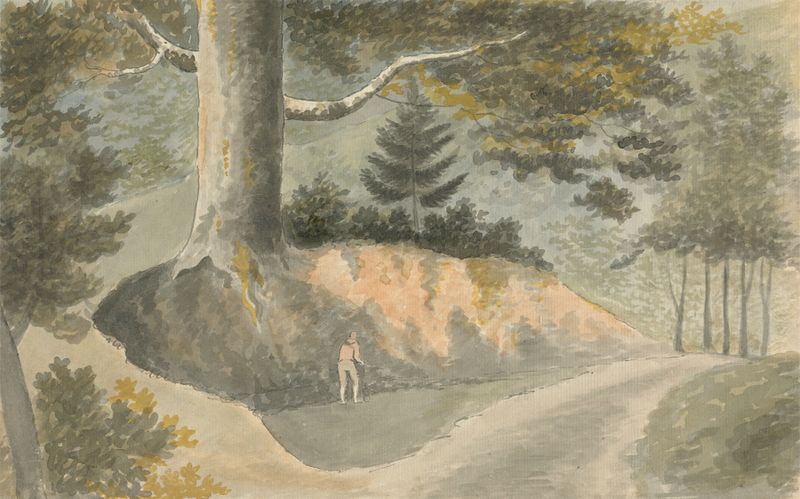
Road in the Forest
Edward Francis Burney
The Boatman
Edward Francis Burney
Richmond
Edward Francis Burney





