
Richmond — History & Facts
In the delicate strokes of this work, innocence emerges as a powerful force, quietly whispering secrets of a life once lived. Look to the foreground where a child stands, their small figure framed by a lush, verdant landscape. Notice how the soft greens and gentle blues meld harmoniously, inviting the viewer to linger. The brushwork is tender yet assured, capturing the play of light that dances across the scene, highlighting the child’s innocence as they grasp a wildflower, an emblem of purity and untamed nature.
The subtle gradient of colors pulls the eye upward, suggesting the vast potential of youth and the beauty of a moment held still. Beneath the surface, this piece resonates with the bittersweet tension between childhood and the encroaching realities of life. The child’s gaze, fixed on the flower, hints at a fleeting joy untouched by the complexities of adulthood. Yet, the broader landscape looms, suggestive of the inevitable passage of time that will soon transform this moment of innocence into memory.
Herein lies the duality of existence: the eternal present juxtaposed against time’s relentless march. Burney, active during the late 18th and early 19th centuries, created this work during a period marked by the burgeoning Romantic movement, characterized by an emphasis on emotion and nature. As artists sought to capture the essence of human experience, he was influenced by the idyllic pastoral scenes of his time, reflecting both the charm of rural life and the nostalgic longing for simpler days in a rapidly industrializing world.
More Artworks by Edward Francis Burney
Browse all →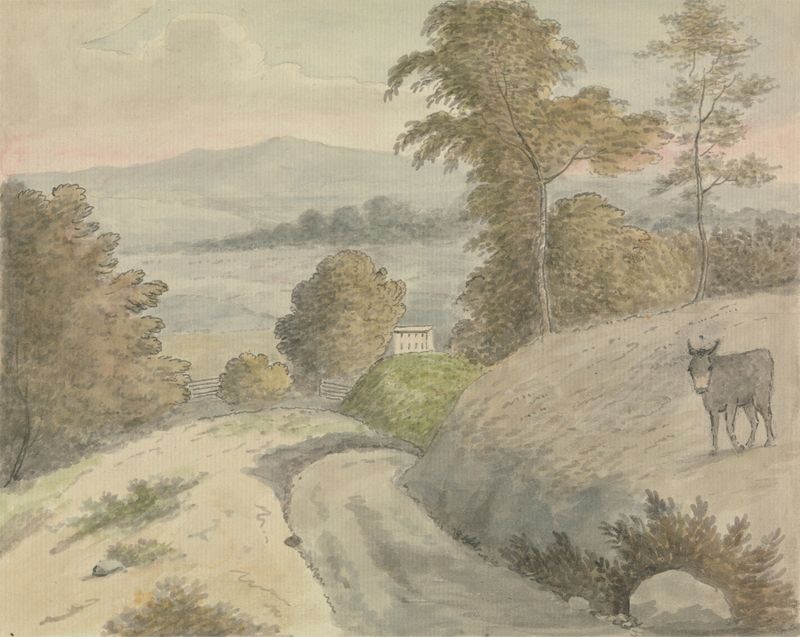
View in Surrey
Edward Francis Burney
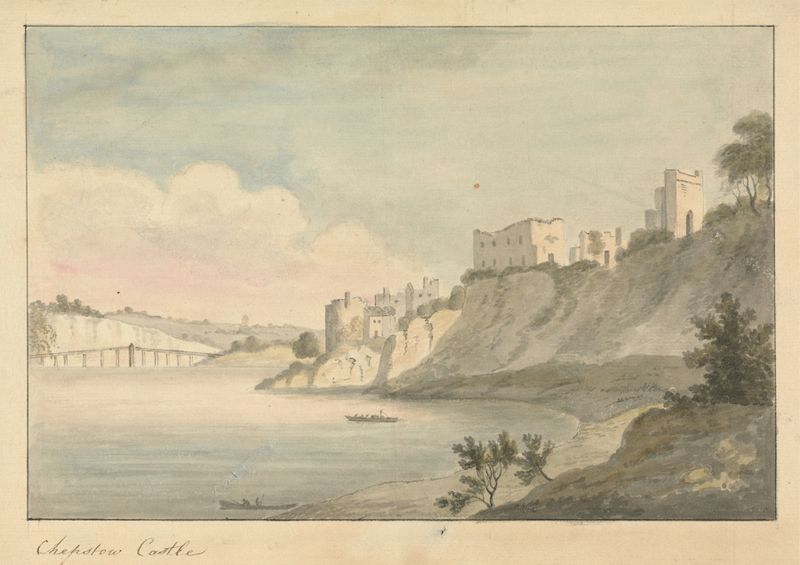
Chepstow Castle
Edward Francis Burney
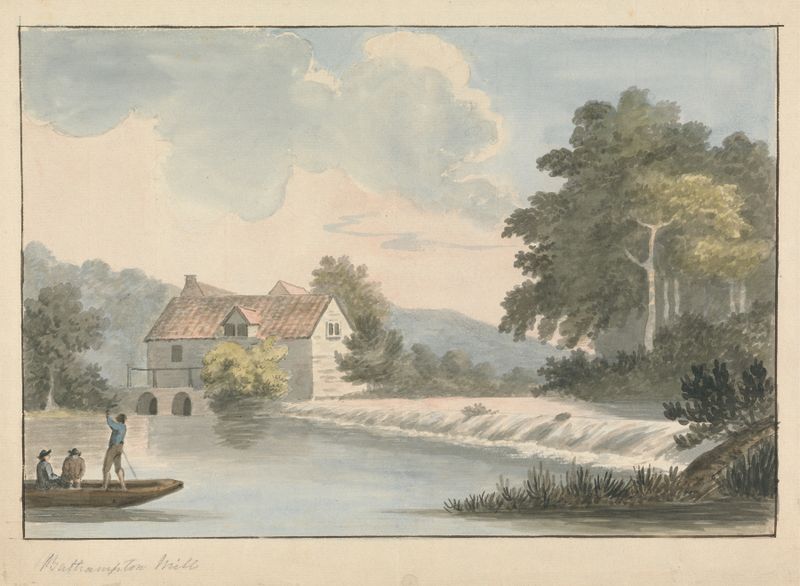
Bathampton Mill
Edward Francis Burney
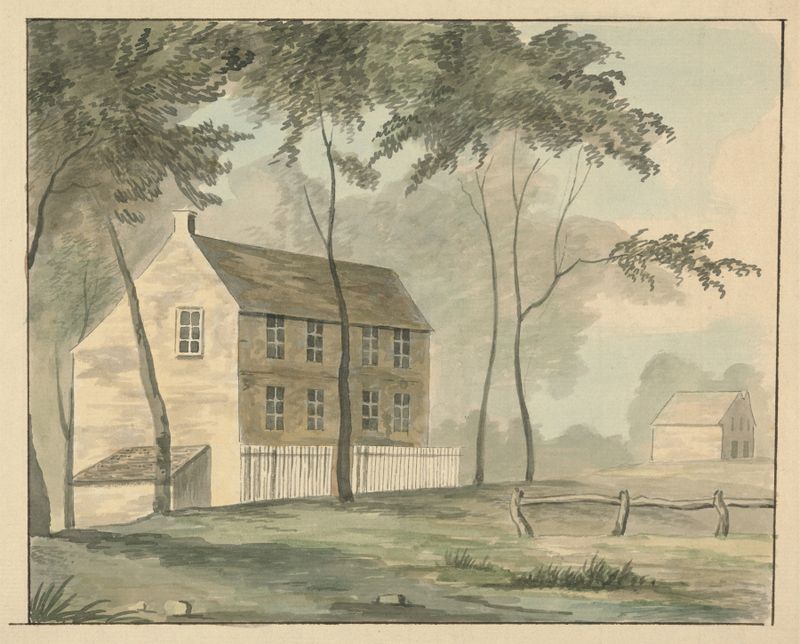
Country House.
Edward Francis Burney
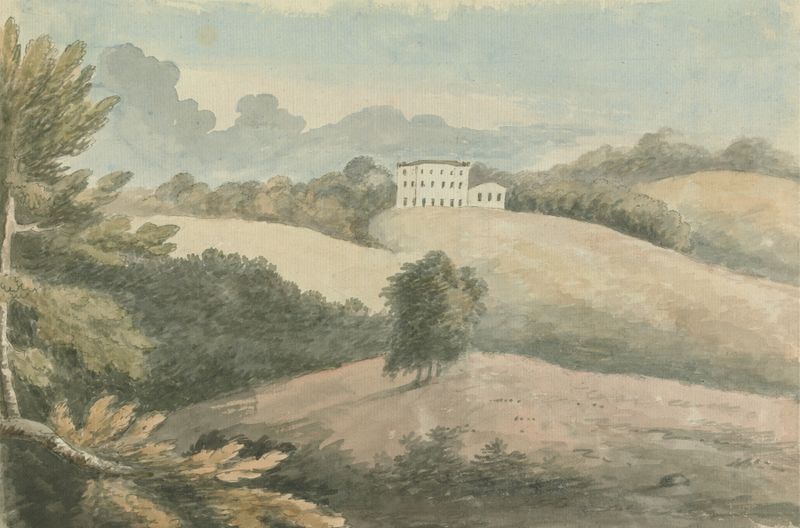
Mowbray Park
Edward Francis Burney
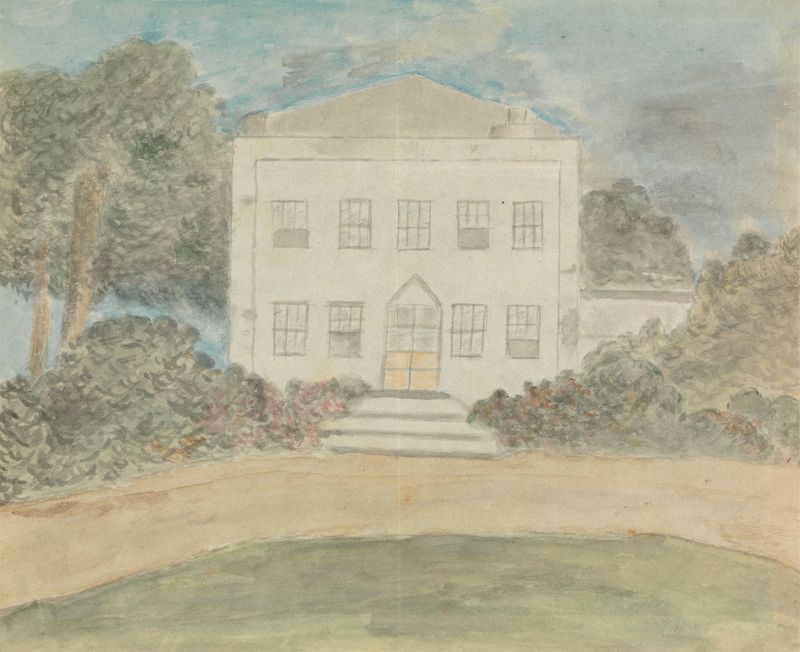
Country House
Edward Francis Burney
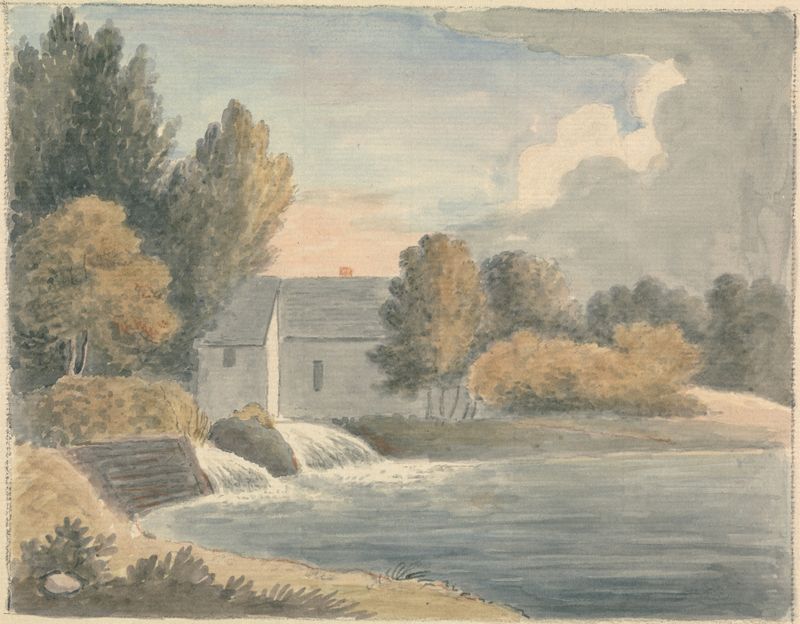
Bathampton Mill.
Edward Francis Burney
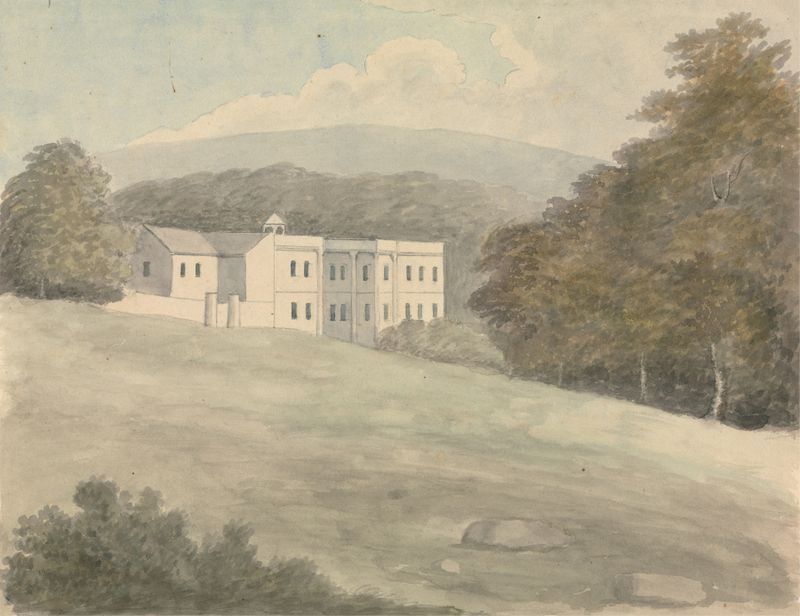
Norbury Park
Edward Francis Burney
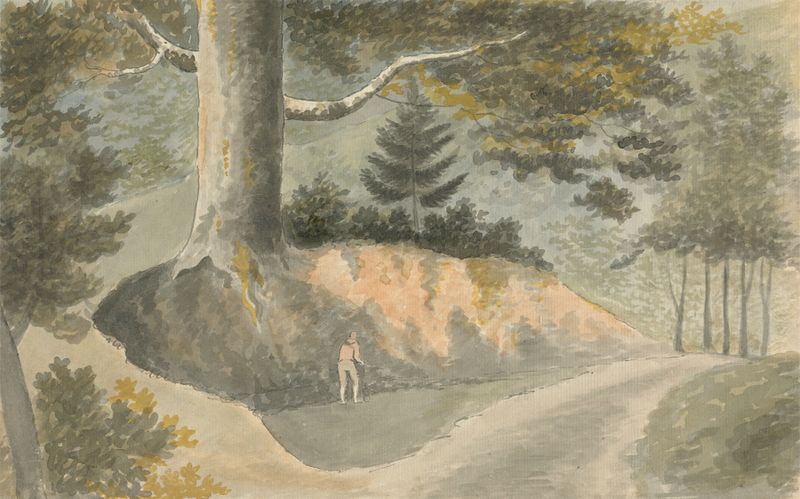
Road in the Forest
Edward Francis Burney
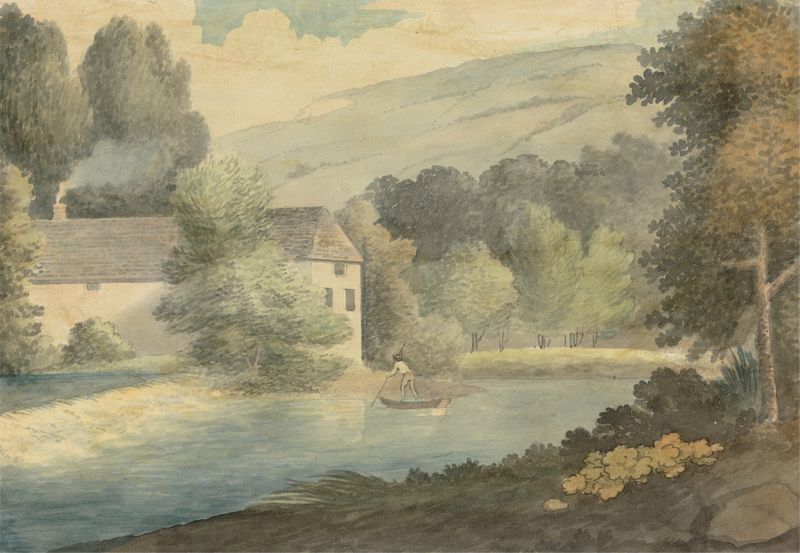
The Boatman
Edward Francis Burney





