
Country Road — History & Facts
What secret hides in the quiet of the canvas? In a world where journeys unfold with every brushstroke, transformation waits patiently along the undulating path of Country Road. Focus your eyes on the left side of the painting, where a dirt road stretches out like an invitation. The gentle curve of the path leads you through a serene landscape, flanked by lush trees and blooming wildflowers. Notice how the light dances upon the foliage, casting soft shadows that cradle the scene in a warm embrace.
The color palette — earthy greens, muted browns, and hints of golden sunlight — creates a harmonious ambiance, inviting viewers to immerse themselves in this tranquil moment. As you delve deeper, subtle contrasts emerge: the vibrant life of nature against the stillness of the road, representing the journey and the destination. The figures of travelers, almost ethereal in their simplicity, hint at stories untold and lives intertwined. Each brushstroke captures a sense of time standing still, yet the path suggests movement and change, evoking the idea of transformation that defines human experience. Adolph Tidemand created Country Road in 1844, during a period rich in romanticism and national identity exploration in Norwegian art.
Tidemand, influenced by the scenic beauty of his homeland and the yearning for a cultural narrative, sought to depict the profound connection between nature and the human spirit. This work emerged as he navigated his own artistic journey, reflecting a growing appreciation for landscapes that evoke emotion and tranquility.
More Artworks by Adolph Tidemand
Browse all →
Bridal Procession on the Hardangerfjord
Adolph Tidemand

Fra Haugsbygd
Adolph Tidemand

Domkirkeruinen, Hamar
Adolph Tidemand
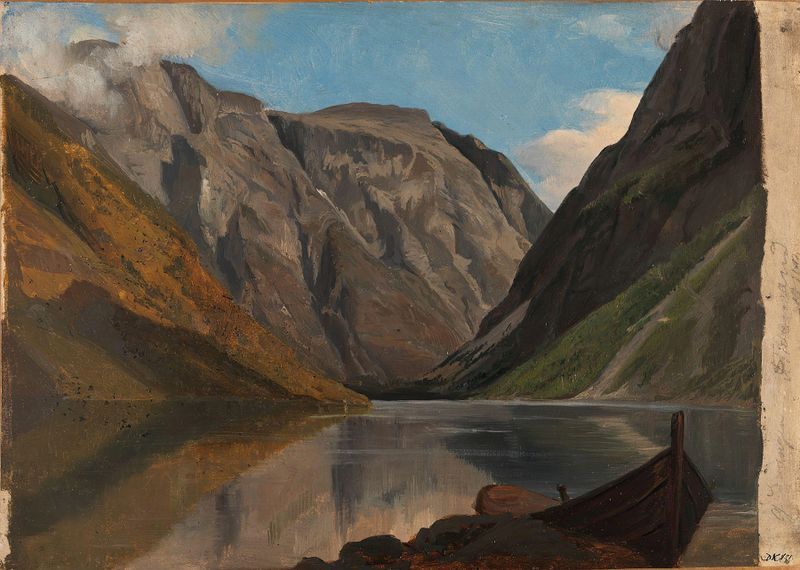
View of Gudvangen
Adolph Tidemand

Hagestad prestegård, Ulvik i Hardanger
Adolph Tidemand

View from Gudvangen
Adolph Tidemand

Fra Gulsvik
Adolph Tidemand

From Kullen in Sweden
Adolph Tidemand

Untitled
Adolph Tidemand
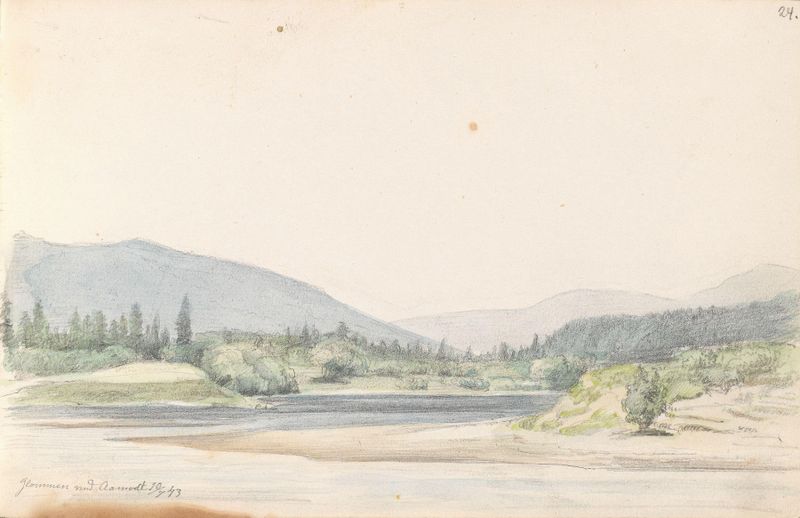
Glomma ved Åmot
Adolph Tidemand





