
Fra Gulsvik — History & Facts
In the realm of color, emotions intertwine, whispering secrets that reveal the essence of a moment frozen in time. Look to the left at the vibrant patchwork of greens and yellows that embodies the lush landscape, beckoning you into the heart of rural life. Notice how the delicate brushstrokes create depth, making the sun-drenched fields seem to sway gently in a summer breeze. The soft blues of the sky contrast with the earthy tones below, creating a harmonious balance that invites introspection, while the figures—small yet significant—remind us of humanity's humble place within nature's vast embrace. Yet, beyond the surface beauty lies a poignant narrative steeped in contrast.
The vibrant colors signify both the joy of everyday life and the fleeting nature of existence. The villagers, absorbed in their tasks, suggest a rhythm of simplicity, yet their gazes hint at a longing for something beyond the horizon. This interplay of light and shadow subtly reflects the duality of life—contentment interlaced with an unspoken yearning for connection and purpose. In 1849, during a period of burgeoning national identity in Norway, Tidemand painted this work while living in a time when Romanticism was shaping his artistic vision.
The focus on rural scenes echoed the growing appreciation for folk culture and the natural world. Amidst a backdrop of social change, he sought to capture the spirit of Norse heritage, creating a lasting homage to the everyday lives of his subjects.
More Artworks by Adolph Tidemand
Browse all →
Bridal Procession on the Hardangerfjord
Adolph Tidemand

Fra Haugsbygd
Adolph Tidemand

Domkirkeruinen, Hamar
Adolph Tidemand
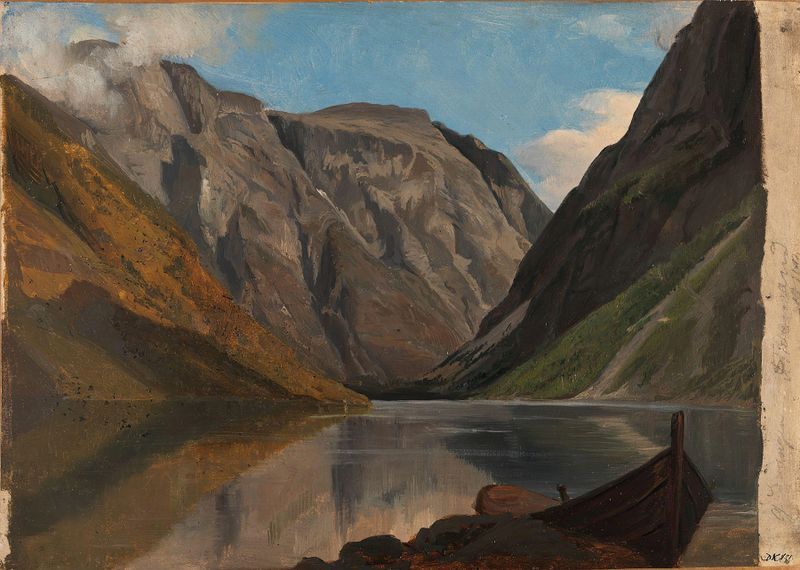
View of Gudvangen
Adolph Tidemand

Hagestad prestegård, Ulvik i Hardanger
Adolph Tidemand

View from Gudvangen
Adolph Tidemand

From Kullen in Sweden
Adolph Tidemand

Country Road
Adolph Tidemand

Untitled
Adolph Tidemand
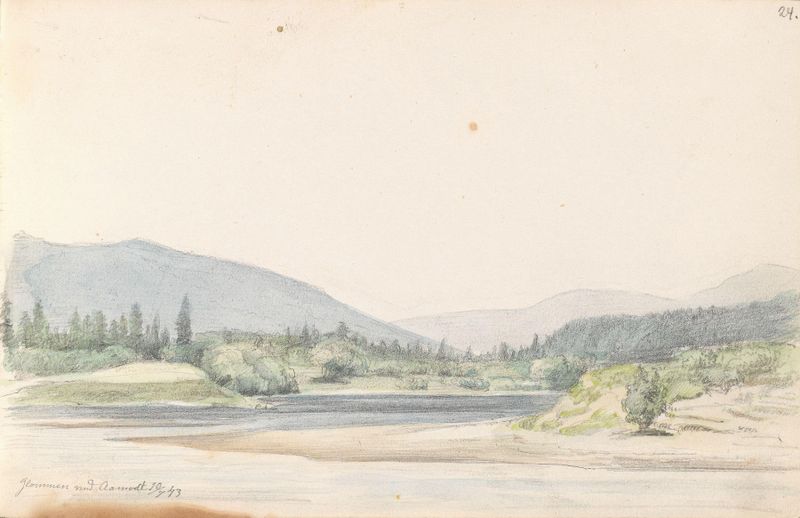
Glomma ved Åmot
Adolph Tidemand





