
Coup de canon à Venise, jour de fête — History & Facts
Where does light end, and longing begin? This question echoes through the vivid splendor of Coup de canon à Venise, jour de fête, a piece that captures both celebration and an undercurrent of betrayal. Look to the left, where the grand architecture of Venice rises majestically against a radiant sky. The brilliance of the colors—rich oranges and soft pinks—illuminates the scene, drawing your eye to the jubilant crowd below. Notice how the sunlight dances on the water, creating a shimmering reflection that beckons the viewer to dive deeper into this vivid moment.
Ziem’s brushwork is energetic yet precise, conveying a sense of movement as festival-goers revel in the day’s splendor. Yet beneath the jubilance lies a tension, a flicker of unease in this seemingly idyllic setting. The cannonfire, a bold proclamation of celebration, hints at a darker reality—perhaps the very fragility of joy amidst uncertainty. The figures, while smiling, seem oblivious to the invisible threads of betrayal woven into their fleeting happiness.
The juxtaposition of light and shadow serves as a reminder that festivity can often conceal underlying conflicts. Created in 1888 during a period of personal and professional transition for the artist, Coup de canon à Venise, jour de fête reflects Ziem's exploration of Parisian and Venetian themes amidst the evolving art scene. At this time, he was gaining recognition for his vivid landscapes, navigating between romanticism and impressionism, as the world around him rapidly changed. This artwork encapsulates both his mastery and the complexities of human emotion, making it a poignant reflection on the interplay of celebration and sorrow.
More Artworks by Félix Ziem
Browse all →
Venise
Félix Ziem
Coucher De Soleil À Venise
Félix Ziem
Constantinople
Félix Ziem
La place Saint-Marc, inondation de 1863
Félix Ziem
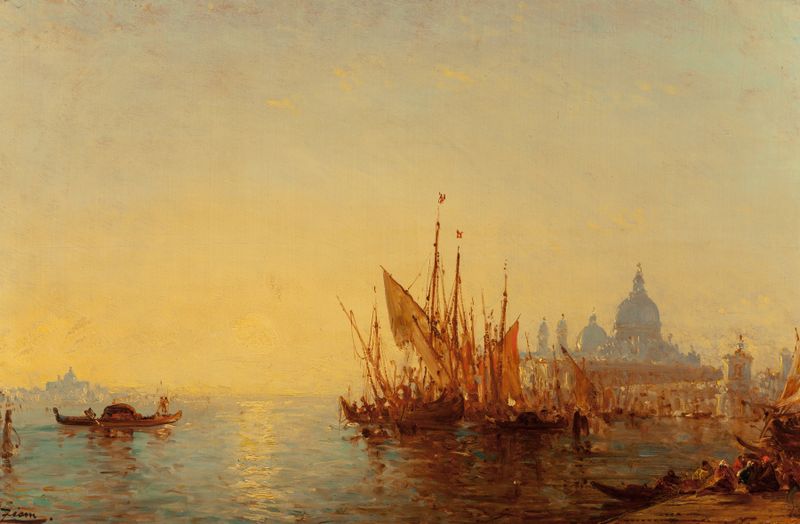
Bacino di San Marco
Félix Ziem
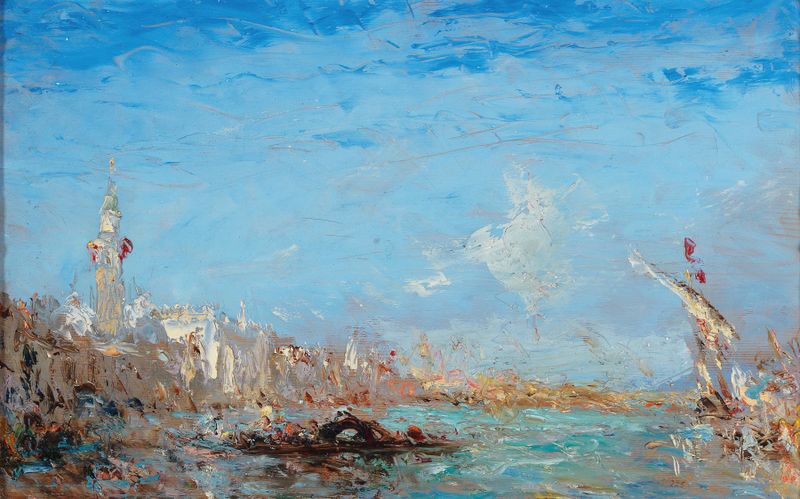
Canal Grande
Félix Ziem
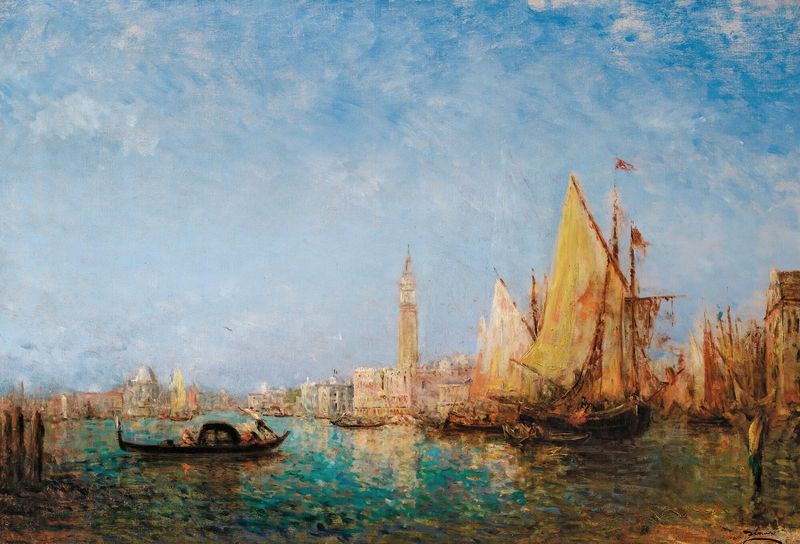
Le Palais Du Doge, Venise
Félix Ziem
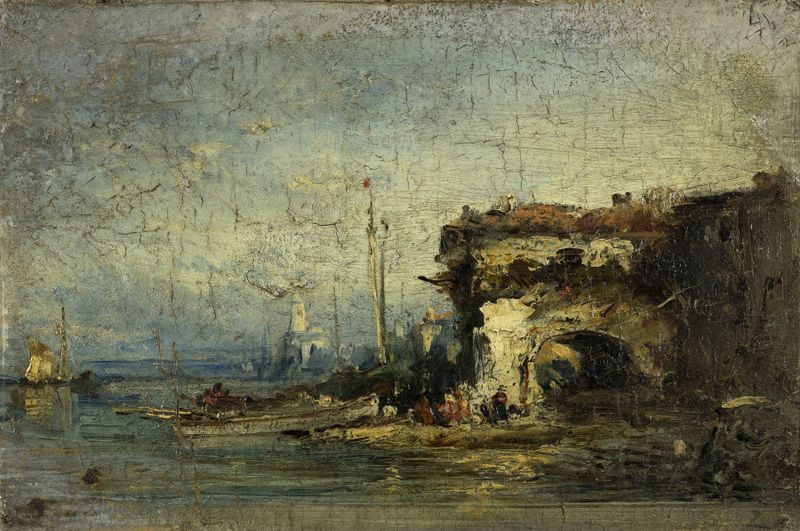
Vue d’Italie; la vieille porte
Félix Ziem
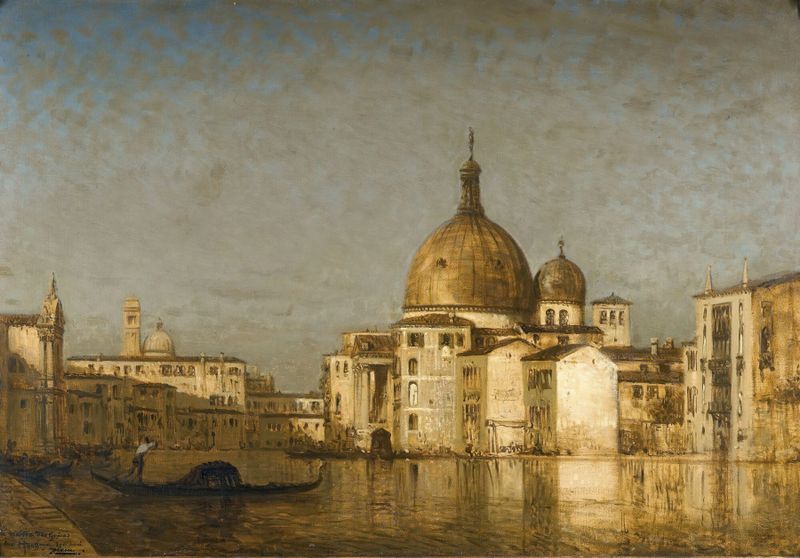
San Simeone Piccolo Au-Delà Du Grand Canal, Venis
Félix Ziem
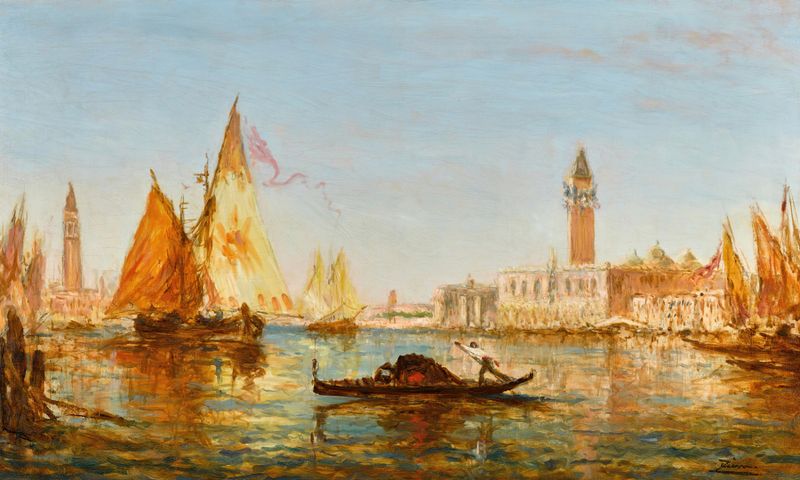
Venise, gondole et voiliers devant le Palais des doges et San Giorgio Maggiore
Félix Ziem





