Courcelle — History & Facts
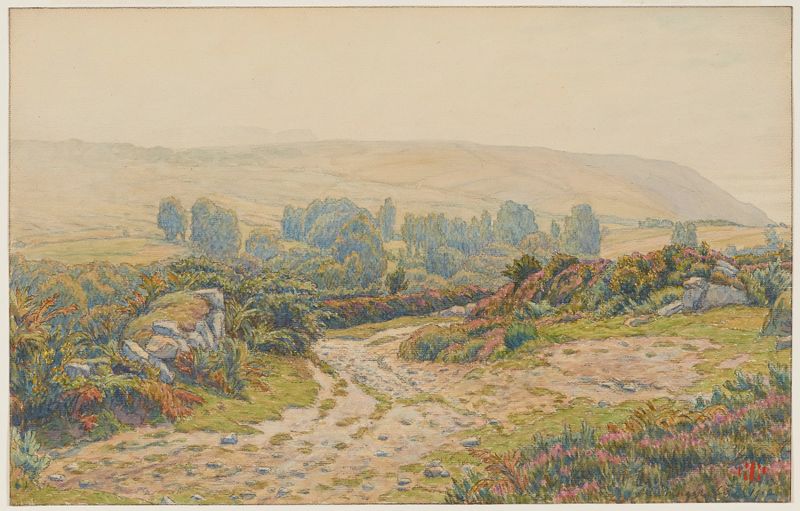
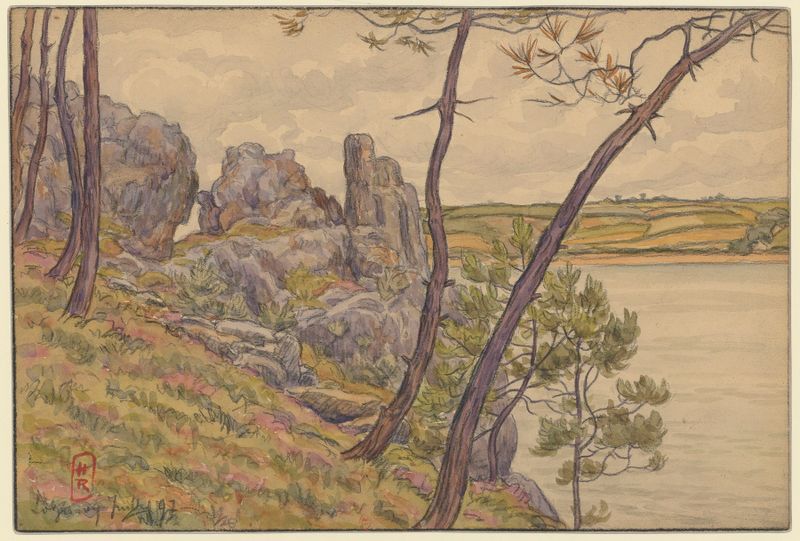
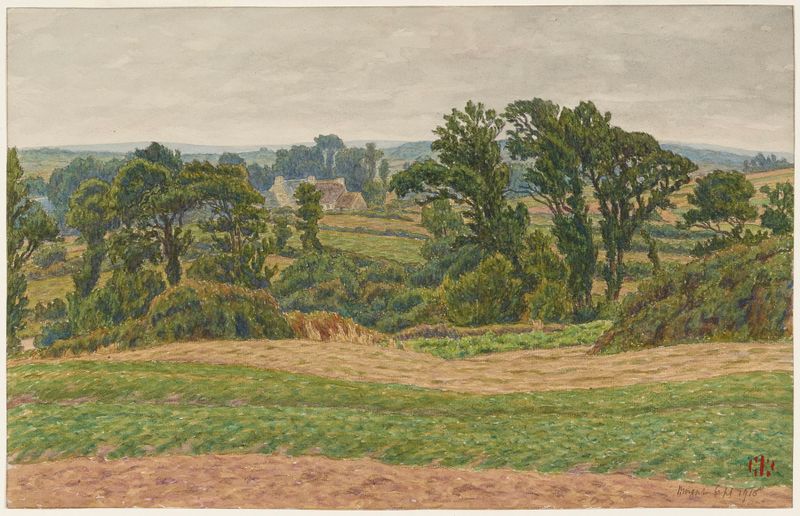
In a world often drowned out by noise, moments of tranquility can reveal the most profound truths. How does awe manifest within the stillness of a landscape, whispering secrets to those who dare to listen? Look to the center of the canvas, where a gentle river meanders through lush greenery, cradled by towering trees. The subtle play of light dances upon the water's surface, creating a mosaic of shimmering reflections that draw the eye.
Notice the delicate brushwork that captures the intricate details of foliage, each stroke suggesting a life force, a heartbeat, behind the vibrant greens. The warm palette invites a sense of serenity, while the cool blues of the water instill a feeling of calm introspection. Beneath the surface, hidden tensions lie in the interplay of light and shadow. The bright patches of sunlight symbolize hope, while the deeper, cooler areas evoke a sense of mystery, suggesting that not everything in this tranquil landscape is as it seems.
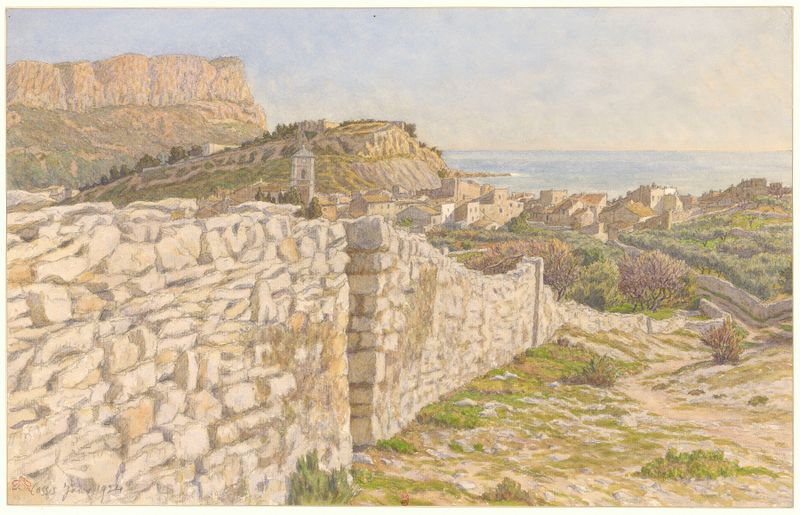
The horizon line, where land meets sky, creates a bridge between the tangible and the ethereal, compelling viewers to ponder the relationship between nature and the human experience. It’s a moment captured that invites contemplation, offering solace to the weary soul. In 1920, Rivière painted this piece amidst the post-war tumult in Europe, a period marked by both artistic innovation and deep societal reflection. Living in France, he was part of a movement that sought to express the profound beauty and emotional depth found in nature, often drawing on personal experiences and the complexities of the human condition.
As the world grappled with change, Rivière’s work served as a reminder of the peace that can be found in quiet moments, where awe resides.