Cowherd at the rest at the forest edge — History & Facts
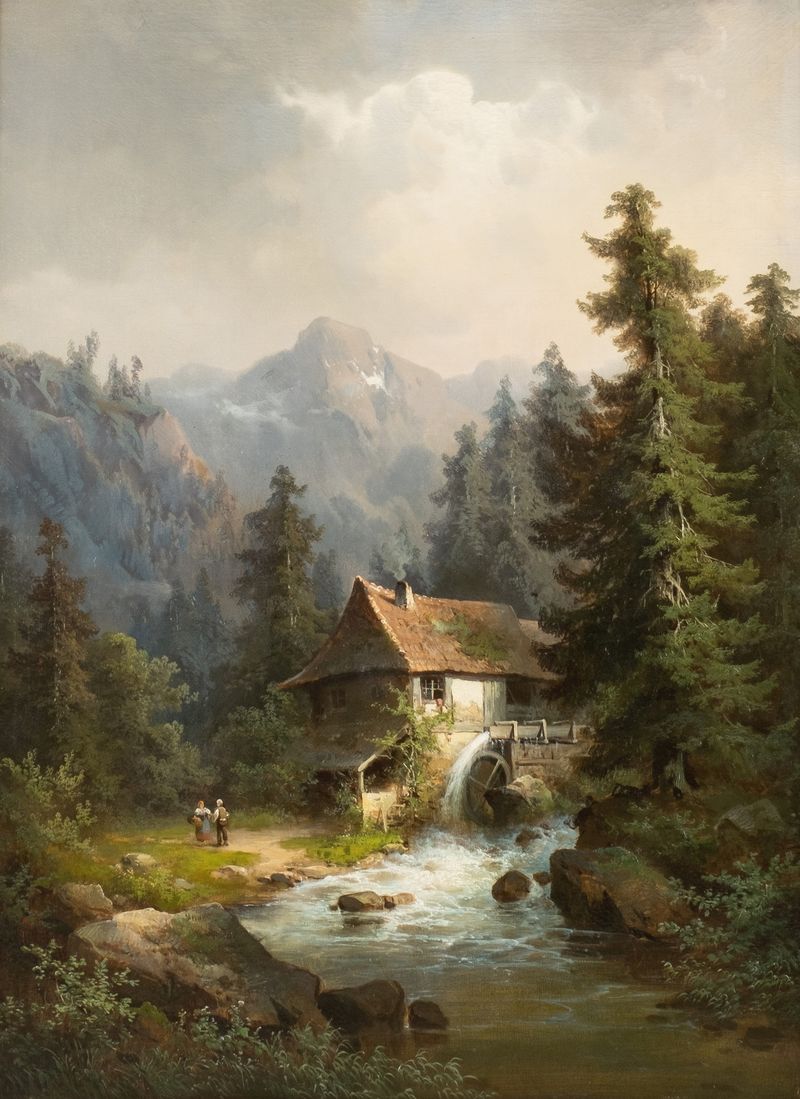
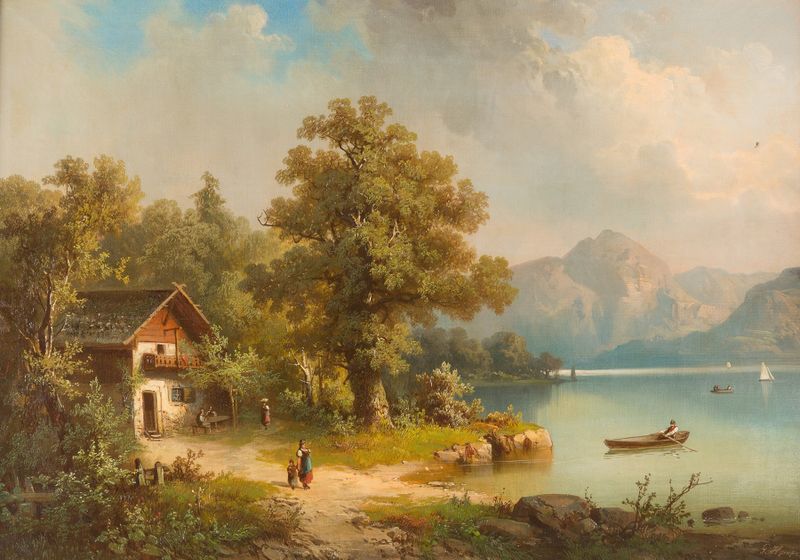
Could a single brushstroke hold eternity? In Cowherd at the Rest at the Forest Edge, light and shadow entwine to capture a moment suspended in time, where nature whispers secrets to those willing to listen. Look to the left at the gentle silhouette of the cowherd, poised amidst a tapestry of greens and browns. The sunlight dapples through the leaves, creating a mesmerizing interplay of light and shadow that defines the landscape. The soft contours of his figure contrast with the rigid trunks of the trees, illustrating the harmonious relationship between man and nature.
The brushwork is both delicate and deliberate, inviting the viewer to linger in the serene embrace of this pastoral scene. Beneath the tranquil surface lies a tension between solitude and connection. The cowherd, seemingly at peace, embodies the quiet strength of labor, yet his posture suggests a moment of introspection. The surrounding shadows serve as a reminder of life’s ephemeral nature, contrasting the permanence of the trees with the transient existence of the human figure.
This interplay evokes a sense of nostalgia, inviting contemplation of the deeper ties that bind us to our environment. In 1859, Guido Hampe painted this work during a time when Romanticism was reaching its zenith, celebrating the sublime beauty of nature. Living in Germany, he was influenced by the ideals of the movement that emphasized emotion and individual experience, capturing the essence of pastoral life. The artwork reflects not only his personal journey but also the broader cultural shifts of the era, where the connection to nature was increasingly cherished amidst industrialization.