
Crab Tree Inn, Hammersmith — History & Facts
Can beauty exist without sorrow? The emptiness captured in this work evokes a profound sense of longing amidst the tranquility of the scene. Look to the center, where the inn stands as a stoic figure against the delicate wash of twilight hues. The soft oranges and muted blues blend seamlessly, creating a serene ambiance that draws the viewer in. Notice how the light subtly caresses the inn’s façade, almost as if it yearns to reveal the stories hidden within its walls.
The sparse surroundings amplify the isolation, and the gentle brushwork lends a whispering quality to the atmosphere. As your gaze wanders, pay attention to the unoccupied benches and the stillness of the pathways; they speak volumes about absence and missed encounters. The delicate interplay between light and shadow hints at fleeting moments of joy overshadowed by an overwhelming silence. This juxtaposition evokes a melancholy realization that even the most picturesque settings can harbor an undercurrent of emptiness, suggesting stories untold or laughter that once filled the air. Created in 1871, this piece emerged during a period of significant transformation in England, reflecting both the industrial advancements and the concurrent sense of disconnection faced by society.
Edwin Edwards, inspired by the changing landscape, sought to capture the essence of places that were once vibrant yet now stand quietly in the wake of progress. This artwork encapsulates the bittersweet reality of beauty intertwined with solitude, resonating deeply with the viewer's own experiences.
More Artworks by Edwin Edwards
Browse all →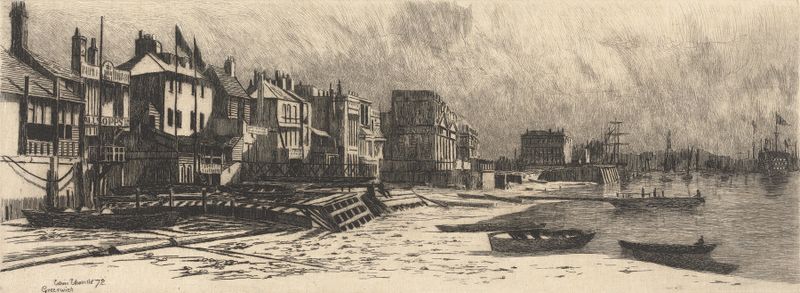
Riverside Taverns Greenwich
Edwin Edwards

The Tabard Inn, Southwark
Edwin Edwards
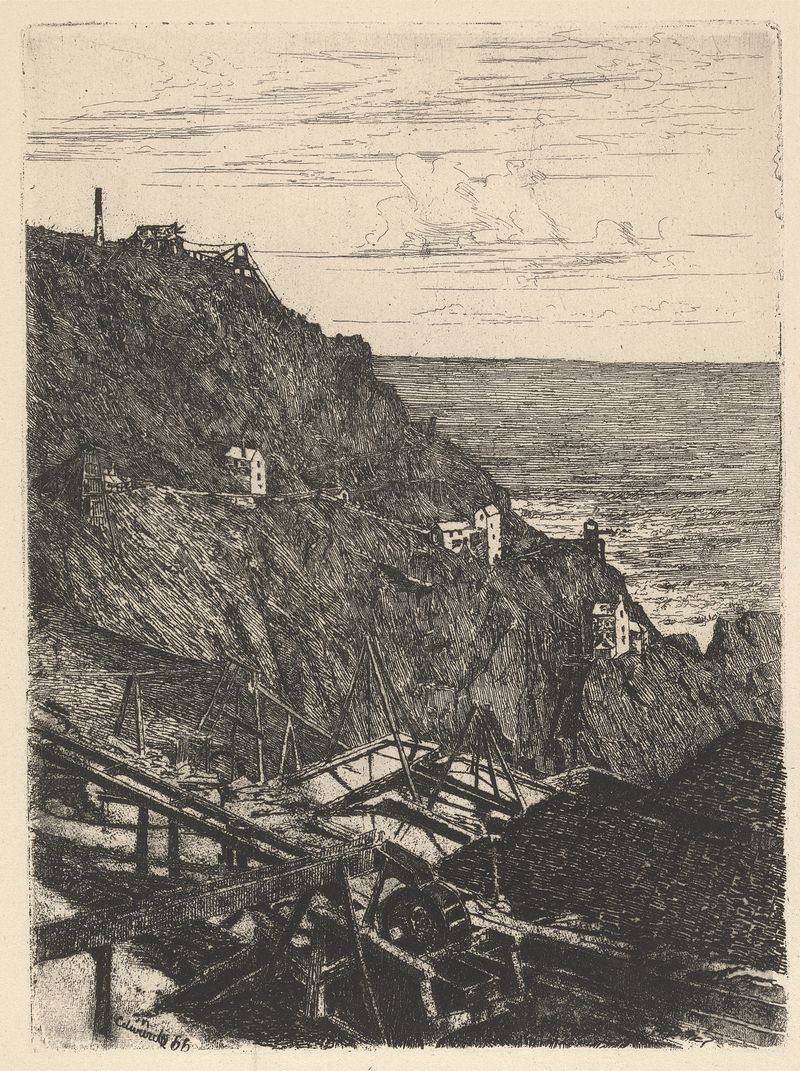
Mines de Botallack
Edwin Edwards
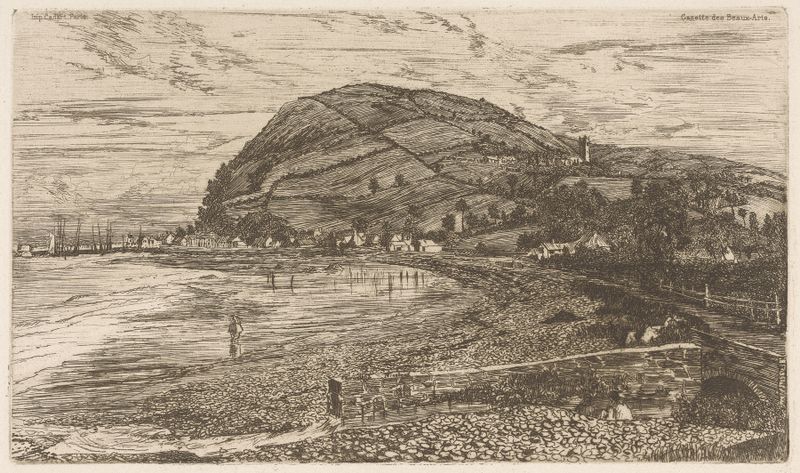
Minehead
Edwin Edwards
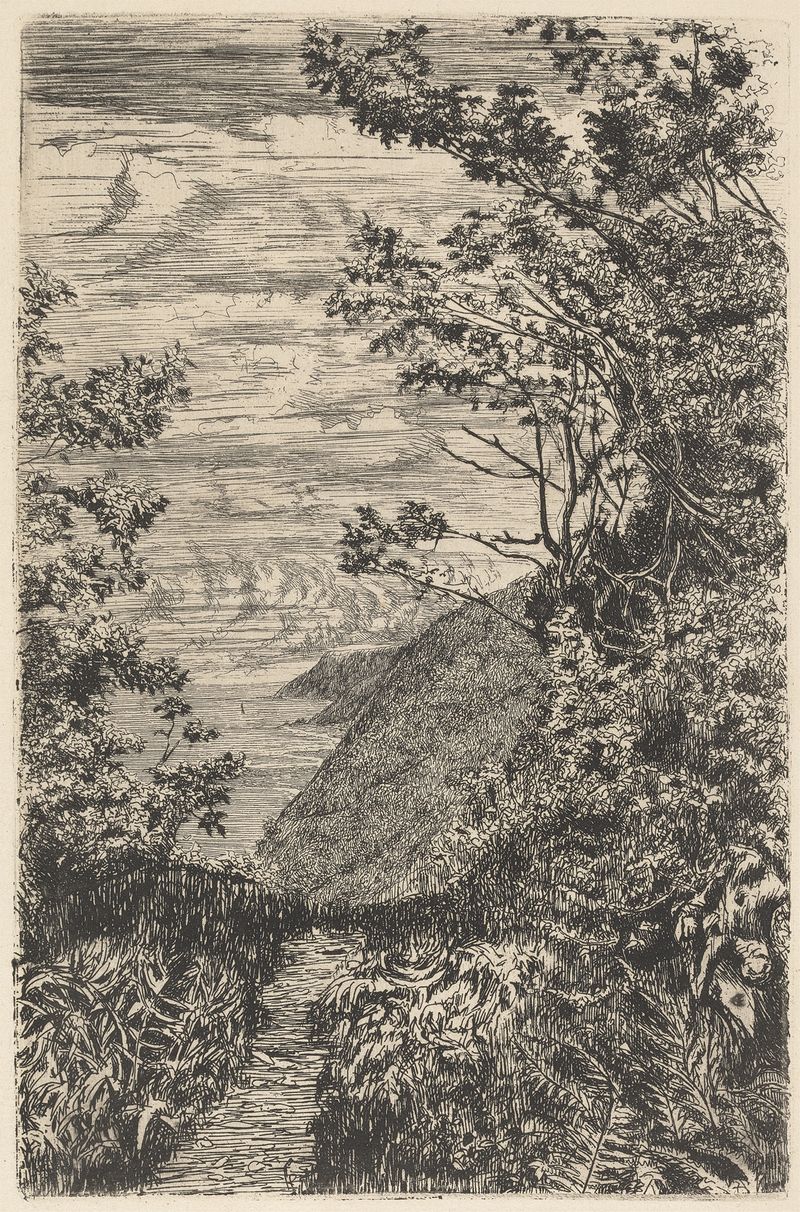
Landscape
Edwin Edwards

Bell Inn, Edmonton, Back View – Outer Suburb – North
Edwin Edwards

Bear’s Head
Edwin Edwards

Star and Garter, Putney
Edwin Edwards

Fulham Bridge Tavern
Edwin Edwards

Oxford Arms, Warwick Lane
Edwin Edwards





