
Fulham Bridge Tavern — History & Facts
Did the painter know this moment would outlive them? In Fulham Bridge Tavern, destiny intertwines with the mundane, capturing a fleeting glimpse of life that echoes through time. Focus first on the soft glow emanating from the tavern's windows, illuminating the scene with a warm embrace. The buildings, framed by the overhanging branches of trees, guide your eyes toward the entrance where figures gather in animated conversation. Notice the careful strokes of earthy browns and greens that convey both the vitality and weariness of the urban landscape, as well as the artist's meticulous attention to detail in the architecture, which exudes a sense of place and history. Beneath the surface, contrasts reveal deeper narratives.
The dynamic exchange of social interaction hints at community bonds, yet the shadows cast by twilight suggest an encroaching solitude, a metaphor for the inevitable passage of time. The juxtaposition of the lively interior and the quiet street outside invites contemplation on the duality of public and private life, capturing a moment where joy and melancholy coexist. Edwin Edwards painted this work in 1872, during a period when London was experiencing rapid industrial growth and cultural shifts. As an artist navigating the changing landscape, he sought to document everyday scenes that reflected both the vibrancy and challenges of urban life, establishing his reputation within the Victorian art movement while embracing the essence of his surroundings.
More Artworks by Edwin Edwards
Browse all →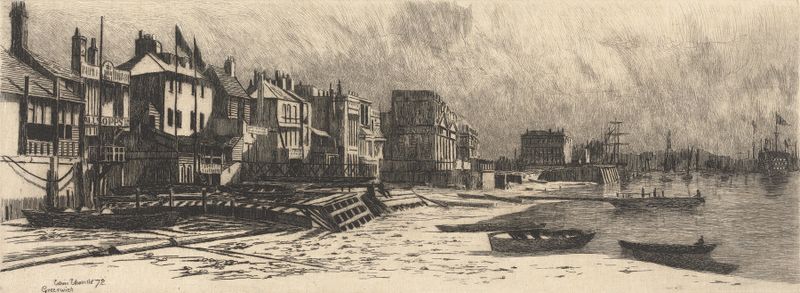
Riverside Taverns Greenwich
Edwin Edwards

The Tabard Inn, Southwark
Edwin Edwards
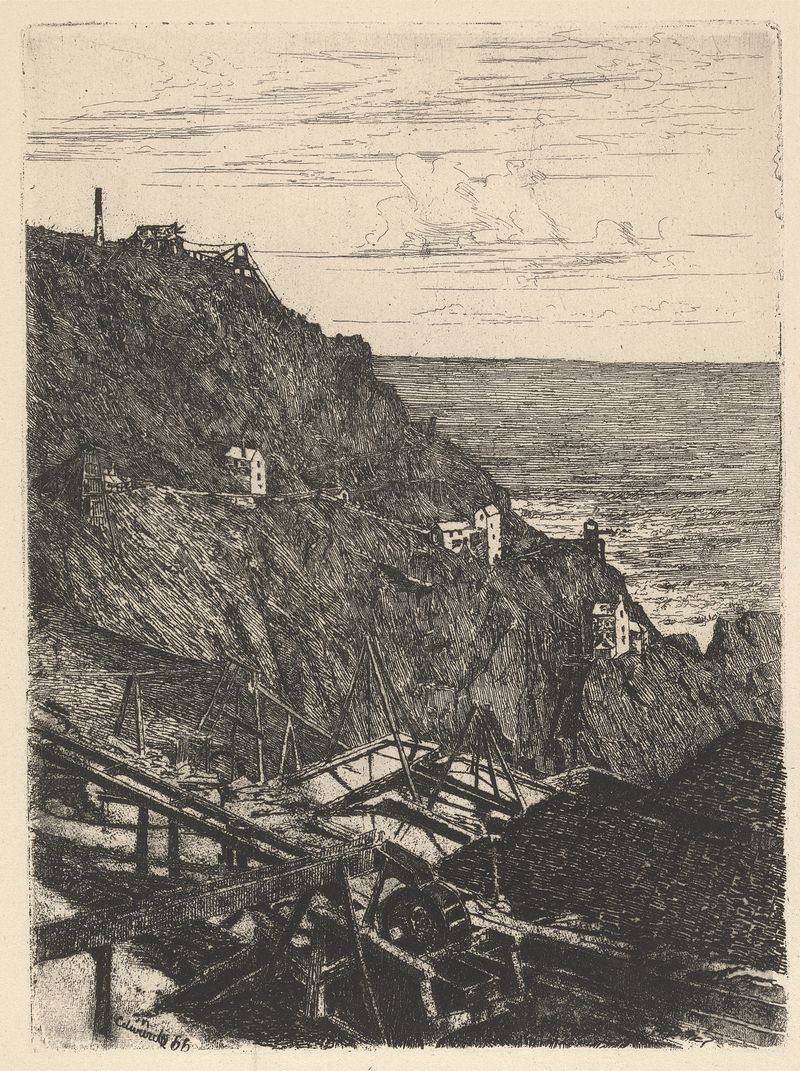
Mines de Botallack
Edwin Edwards
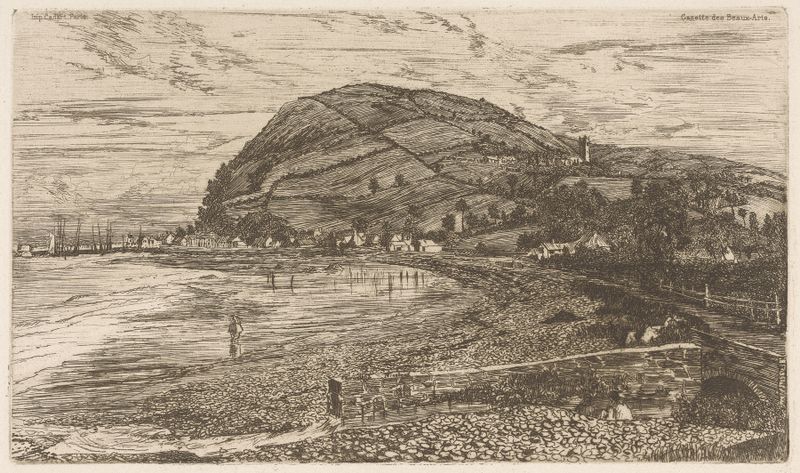
Minehead
Edwin Edwards

Crab Tree Inn, Hammersmith
Edwin Edwards
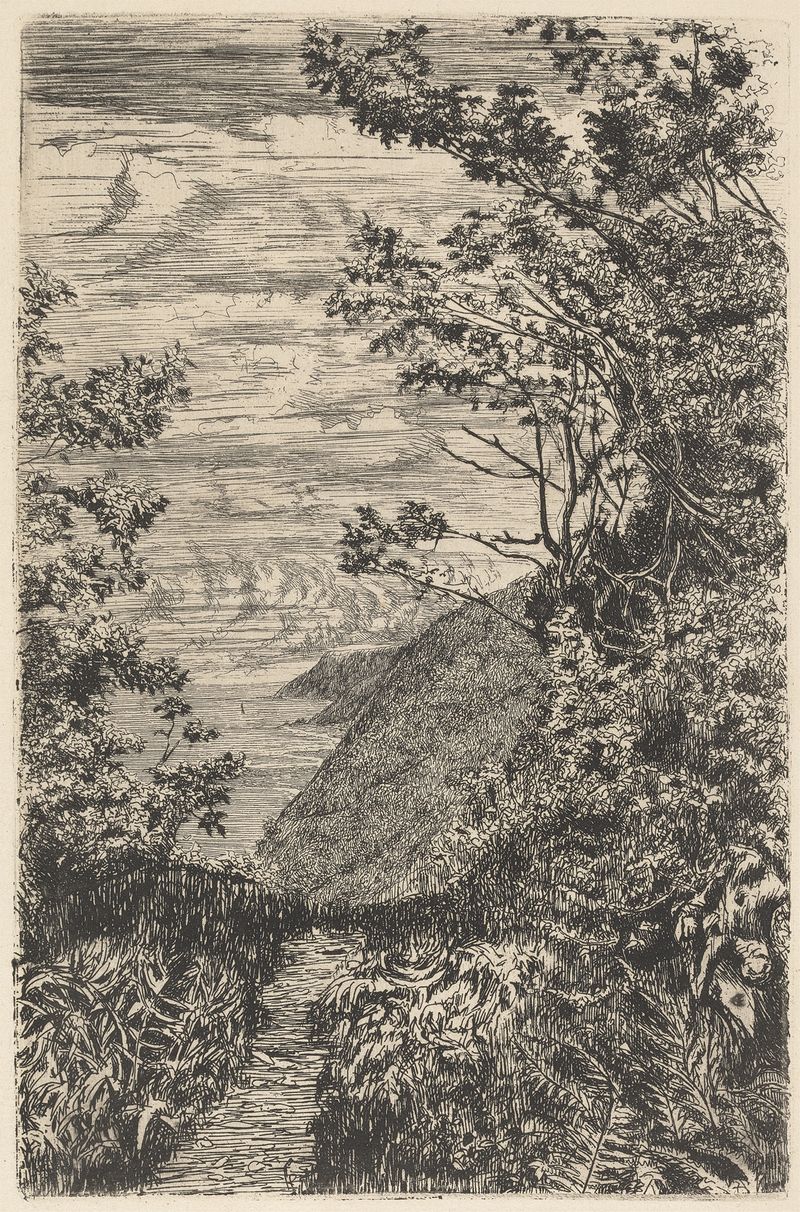
Landscape
Edwin Edwards

Bell Inn, Edmonton, Back View – Outer Suburb – North
Edwin Edwards

Bear’s Head
Edwin Edwards

Star and Garter, Putney
Edwin Edwards

Oxford Arms, Warwick Lane
Edwin Edwards





