
The Tabard Inn, Southwark — History & Facts
Did the painter know this moment would outlive them? In a world that rushes by, The Tabard Inn stands as a testament to the power of pause and reflection, capturing a scene steeped in history and life. Look to the left at the warm glow spilling from the inn’s windows, inviting patrons to seek solace within its embrace. The earthy tones of ochre and brown ground the scene, while splashes of vibrant green in the foliage breathe life into the setting. Notice how the figures, adorned in period attire, are engaged in animated conversation, their gestures speaking volumes against the backdrop of the quaint architecture.
This composition draws the viewer’s eye toward the inn's entrance, creating a sense of warmth and community that invites exploration. Beneath the surface, the painting reveals a narrative rich with contrast. The jovial exchange among the guests starkly juxtaposes the isolation felt by the lone figure seated apart, an embodiment of solitude amid revelry. The soft, diffused light hints at the fleeting nature of these interactions, evoking a bittersweet awareness that such moments are both cherished and ephemeral.
Each detail, from the shadows that linger at the door to the playful curl of smoke ascending from a nearby pipe, speaks to the delicate balance between connection and solitude. Edwin Edwards painted The Tabard Inn in 1871, a time when the Victorian era was at its height, characterized by rapid industrialization and a burgeoning interest in capturing everyday life. Living in Southwark, Edwards was influenced by the vibrant culture surrounding him, as artists began to shift their focus from grand historical subjects to the more intimate and ordinary moments of urban life. This painting not only reflects his skill but also the societal changes occurring around him, transforming the way art interacted with the contemporary world.
More Artworks by Edwin Edwards
Browse all →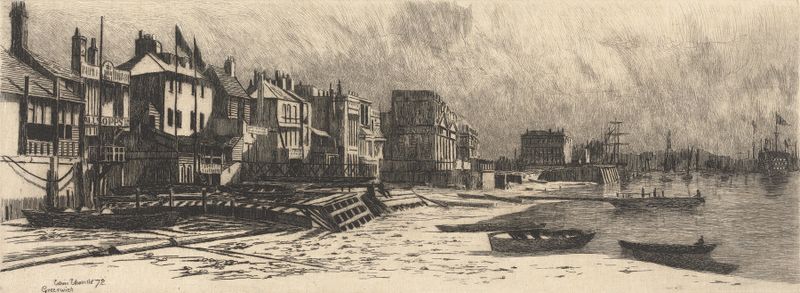
Riverside Taverns Greenwich
Edwin Edwards
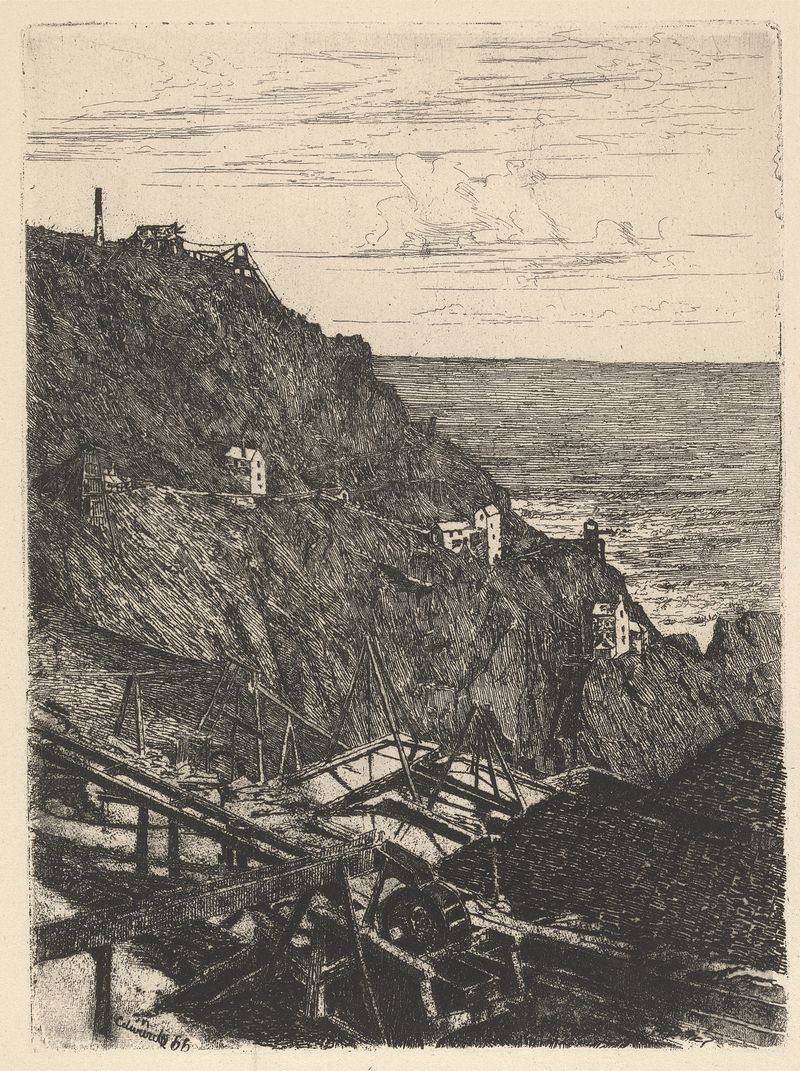
Mines de Botallack
Edwin Edwards
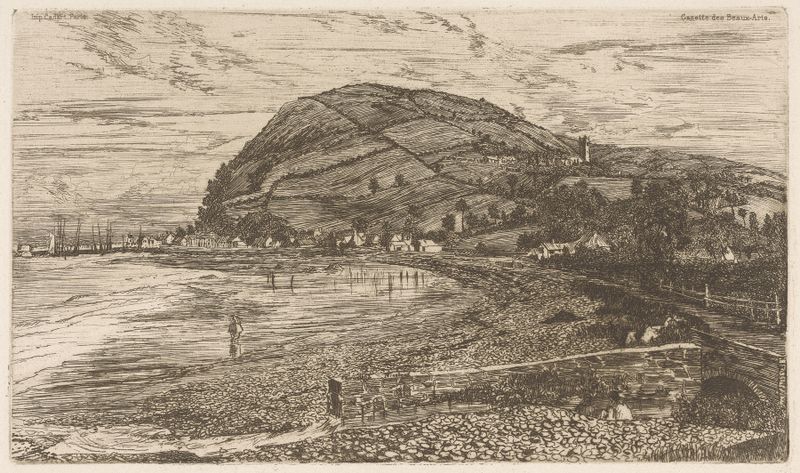
Minehead
Edwin Edwards

Crab Tree Inn, Hammersmith
Edwin Edwards
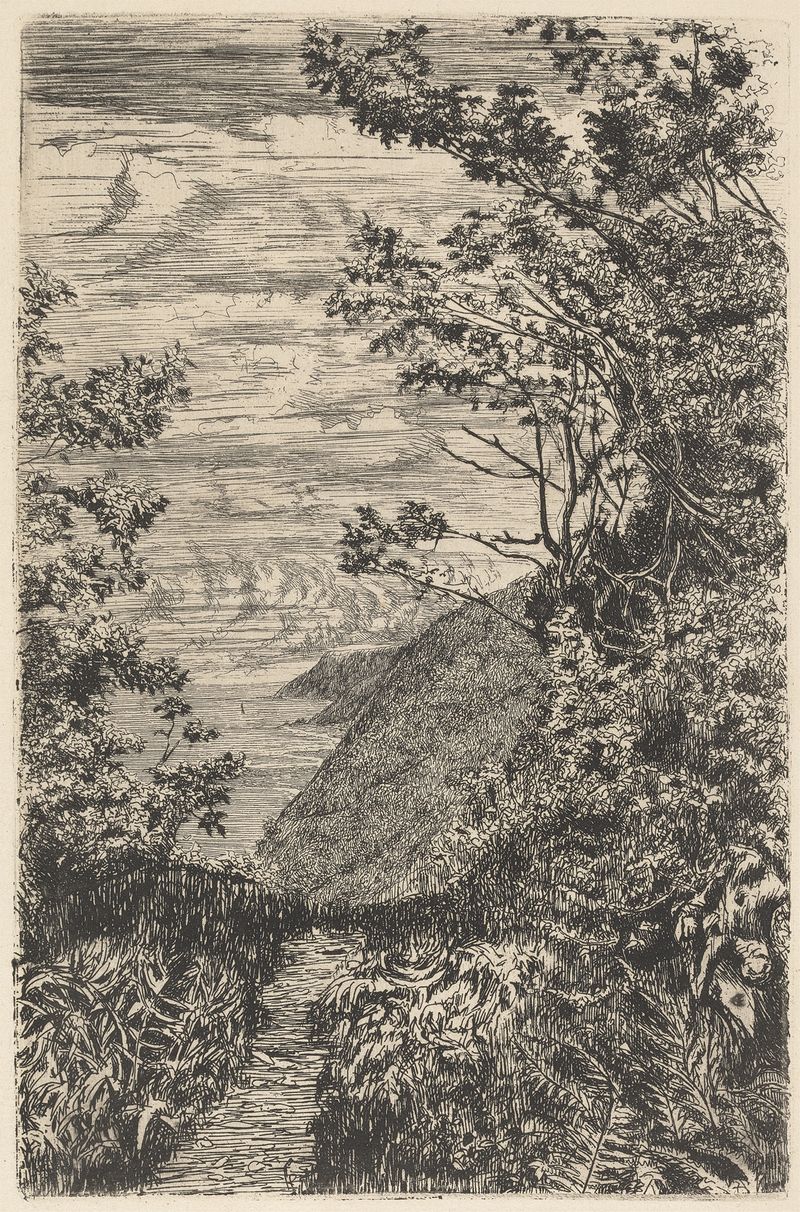
Landscape
Edwin Edwards

Bell Inn, Edmonton, Back View – Outer Suburb – North
Edwin Edwards

Bear’s Head
Edwin Edwards

Star and Garter, Putney
Edwin Edwards

Fulham Bridge Tavern
Edwin Edwards

Oxford Arms, Warwick Lane
Edwin Edwards





