
Landscape — History & Facts
Can beauty exist without sorrow? In the hands of Edwin Edwards, the answer lies in a delicate balance of light and shadow within Landscape. First, direct your gaze to the horizon, where the golden sun begins its descent, casting a warm glow across the rolling hills. Notice how the vibrant greens of the meadows contrast delicately with the deep blues of the evening sky. The artist employs a soft chiaroscuro technique, allowing light to dance across the landscape, guiding your eyes along winding paths that seem to invite exploration. Yet, beneath the surface beauty, there lingers an emotional tension.
The serene scene belies an undercurrent of betrayal—perhaps of innocence lost to the passage of time or nature’s relentless march. Each brushstroke conveys a longing, as if the landscape itself mourns what has been forgotten. The juxtaposition of the idyllic scenery and the hints of encroaching dusk evokes a poignant sense of nostalgia, suggesting that beauty may indeed be entwined with sorrow. Painted in 1868, during a time when the art world was transitioning towards Impressionism, Edwin Edwards was influenced by the changing perceptions of light and color in nature.
Working in a rural setting, he sought to capture the ephemeral quality of landscapes, reflecting both personal and societal shifts. This period marked a pivotal moment in his career, as he navigated the emerging trends that would redefine the artistic landscape of the era.
More Artworks by Edwin Edwards
Browse all →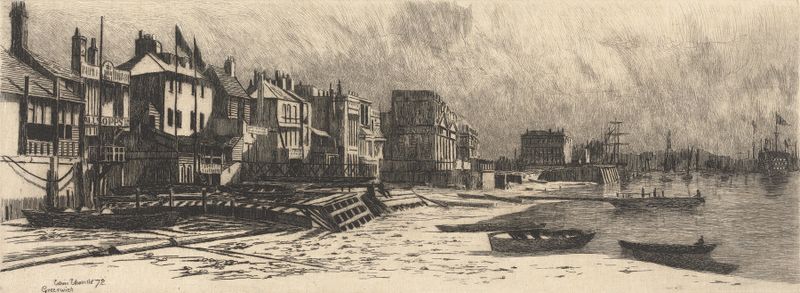
Riverside Taverns Greenwich
Edwin Edwards

The Tabard Inn, Southwark
Edwin Edwards
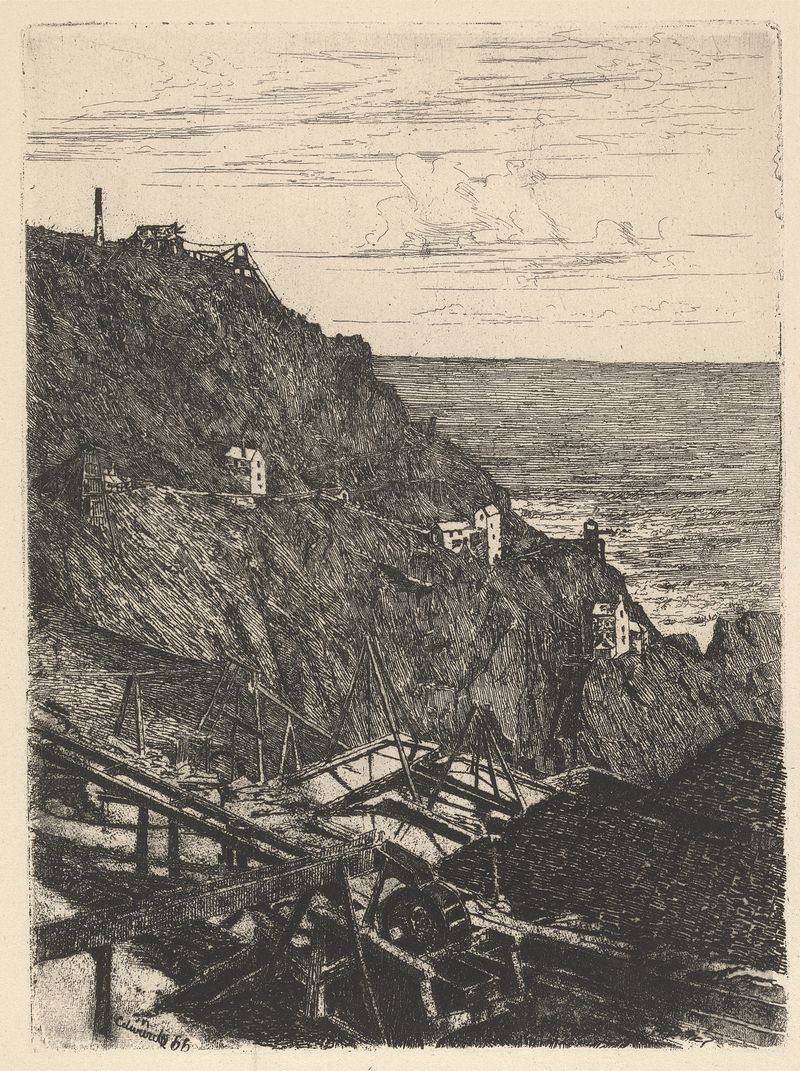
Mines de Botallack
Edwin Edwards
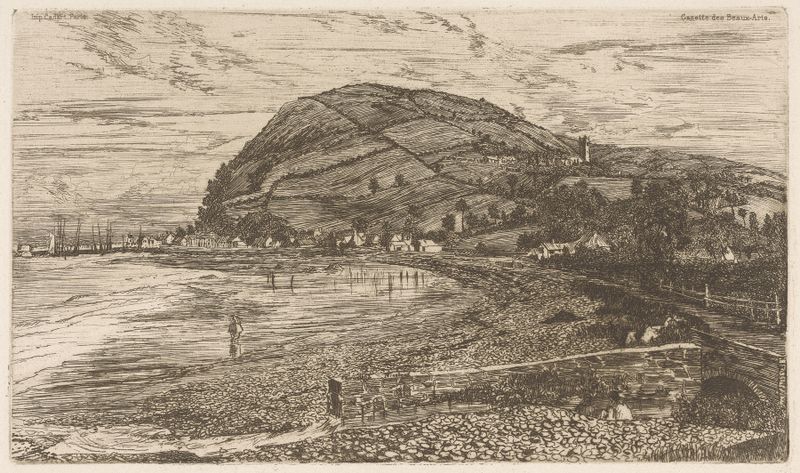
Minehead
Edwin Edwards

Crab Tree Inn, Hammersmith
Edwin Edwards

Bell Inn, Edmonton, Back View – Outer Suburb – North
Edwin Edwards

Bear’s Head
Edwin Edwards

Star and Garter, Putney
Edwin Edwards

Fulham Bridge Tavern
Edwin Edwards

Oxford Arms, Warwick Lane
Edwin Edwards





