
Crags with Snow and Foliage — History & Facts
In the delicate interplay of nature, Hokusai captures a moment that balances permanence and transience, inviting us to contemplate our fleeting existence amidst the grandeur of the world. Look closely at the rugged peaks in the background, where craggy formations rise sharply against a muted sky. Notice how the snow clings to the edges, a stark contrast to the lush greenery below. The artist’s use of color—soft whites and deep greens—draws the eye through the composition, creating a dialogue between the harshness of the mountains and the softness of the foliage.
The intricate brushwork, typical of his style, reveals a reverence for these natural elements, making them feel alive and vital. Hidden within this serene landscape are symbols of life's fragility. The snow may represent time’s passage, slowly covering the landscape like the inevitable weight of mortality. The vibrant foliage in the foreground suggests vitality, yet it stands in the shadow of the enduring crags, reminding us that life persists even as it fades.
This tension between vitality and decay echoes throughout the composition, encouraging deeper reflection on what it means to exist in a world so vast and changing. In the late 18th to early 19th century, Hokusai was based in Edo, amidst Tokyo's burgeoning cultural scene. As Japan began to engage more with the outside world, the artist’s keen observations of nature reflected both personal struggles and broader societal shifts. This period was critical for his development into a master of ukiyo-e, as he explored new techniques and themes that would resonate for generations to come.
More Artworks by Katsushika Hokusai
Browse all →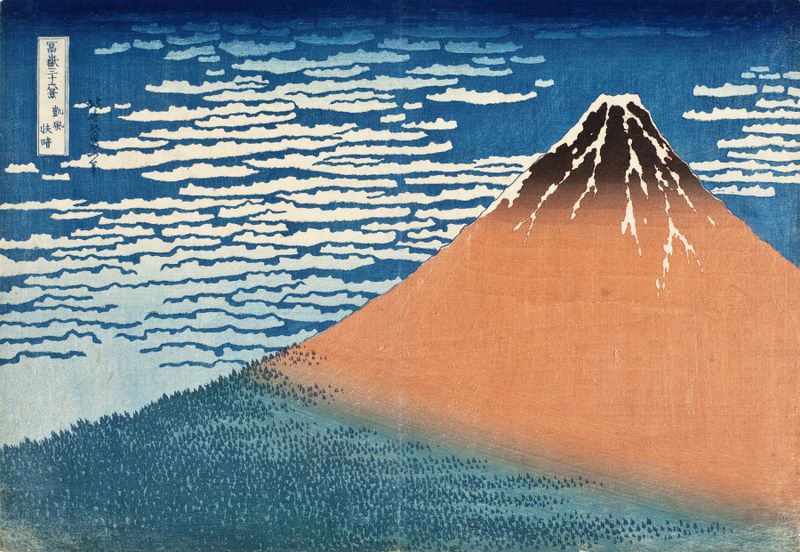
South Wind, Clear Dawn
Katsushika Hokusai

South Wind, Clear Weather
Katsushika Hokusai

Clear Weather with a Southerly Wind
Katsushika Hokusai
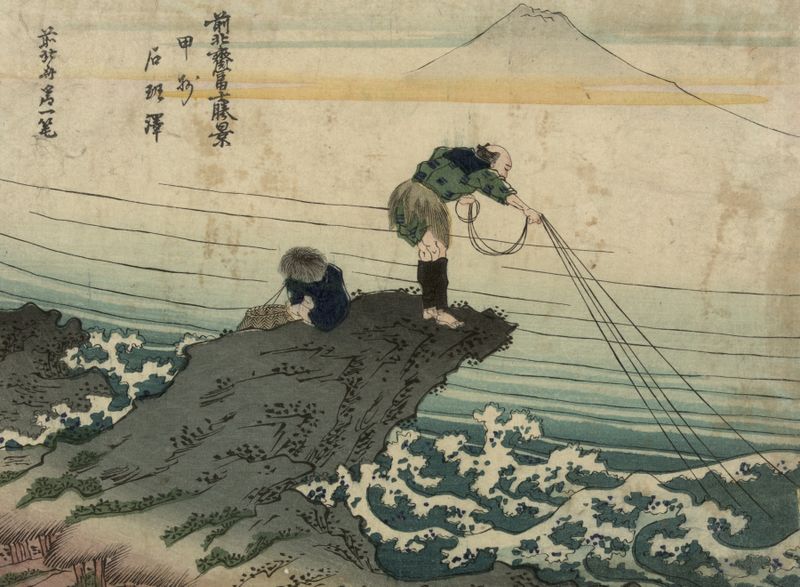
Kōshū kajikazawa
Katsushika Hokusai

Rainstorm beneath the Summit (Sanka Haku-u)
Katsushika Hokusai

Kōshū kajikazawa 2
Katsushika Hokusai
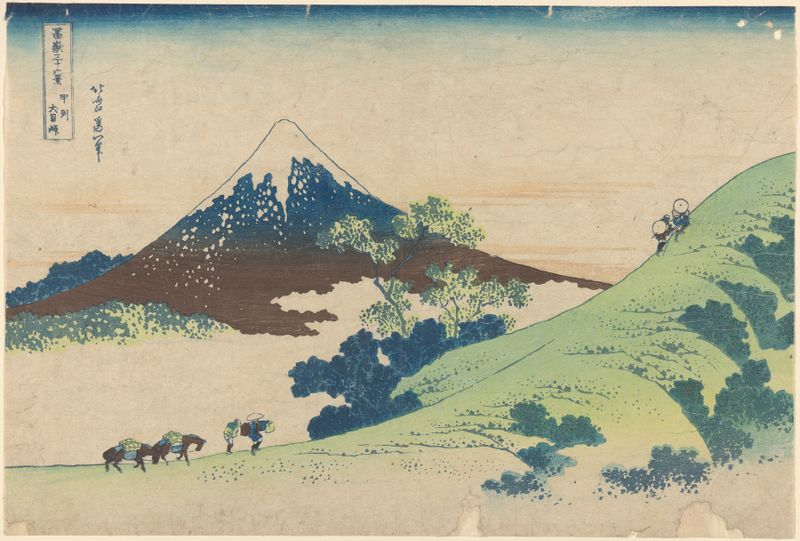
Inume Pass in Kai Province (Kôshû inume-tôge)
Katsushika Hokusai

Yoro Falls in Mino Province (Mino no Yoro no taki), from the series "A Tour of Waterfalls in Various Provinces (Shokoku taki meguri)"
Katsushika Hokusai
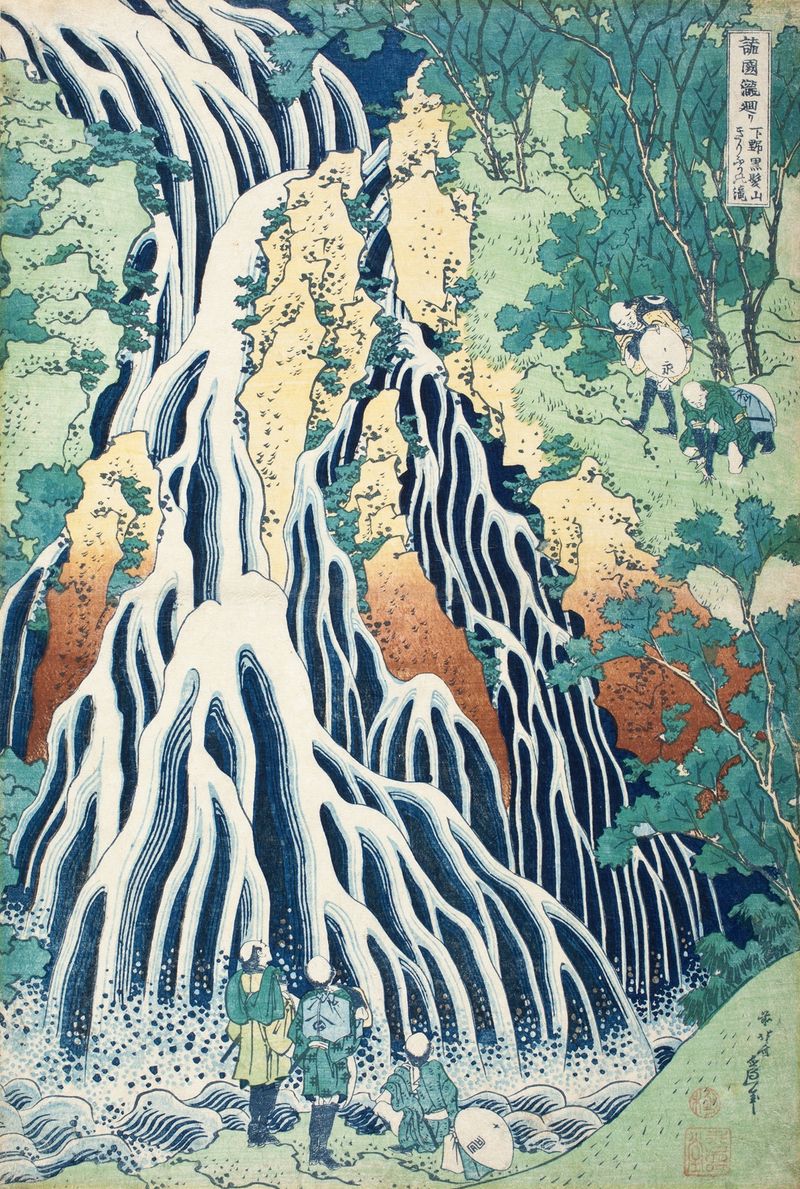
Falls of Kirifuri at Mt. Kurokami, Shimotsuke Province
Katsushika Hokusai
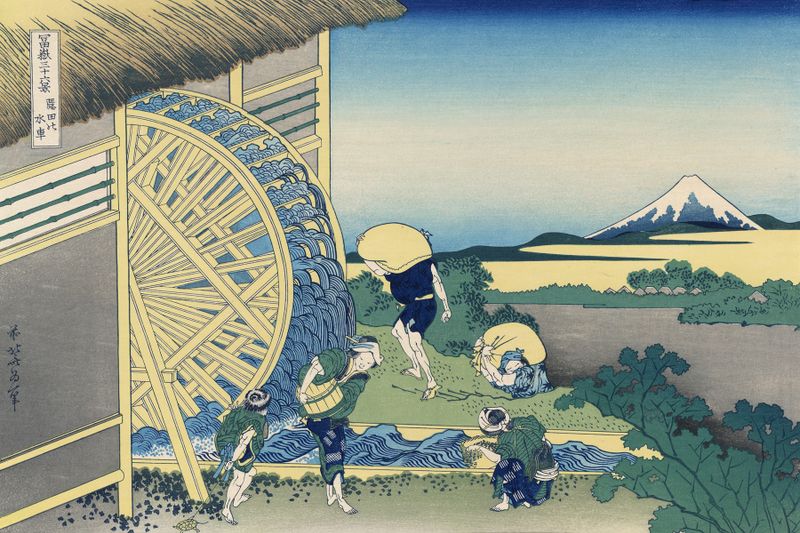
Onden no suisha
Katsushika Hokusai





