
Crete — History & Facts
What if beauty was never meant to be finished? In Crete, Jan Ciągliński invites us to ponder the divine in its fleeting forms, seamlessly blending the earthly with the ethereal. Focus on the vibrant blues and warm ochres that dance across the canvas, drawing your gaze toward the horizon where the sea kisses the sky. Notice how the soft brushstrokes capture the essence of a tranquil landscape, evoking a sense of stillness tinged with reverence. The interplay of light and shadow illuminates the rugged terrain, hinting at both the strength of nature and its delicate beauty. Delve deeper into the subtle contrasts—the harmonious balance between the rugged cliffs and the gentle waves crashing below.
These elements reflect both stability and change, mirroring the fleeting nature of life itself. In the background, wispy clouds echo the soft contours of the land, reminding us of the omnipresent divinity that resides in our surroundings, a universe forever in flux yet eternally beautiful. Ciągliński painted Crete in 1910 while residing in London, during a time when European art was evolving through movements like Impressionism and Post-Impressionism. This period was marked by a growing fascination with impressionistic landscapes and an emphasis on capturing atmospheric light, influencing the artist's approach.
As he explored these themes, Ciągliński sought to convey the sublime quality of nature, grounding his work in the romantic ideal of beauty intertwined with divinity.
More Artworks by Jan Ciągliński
Browse all →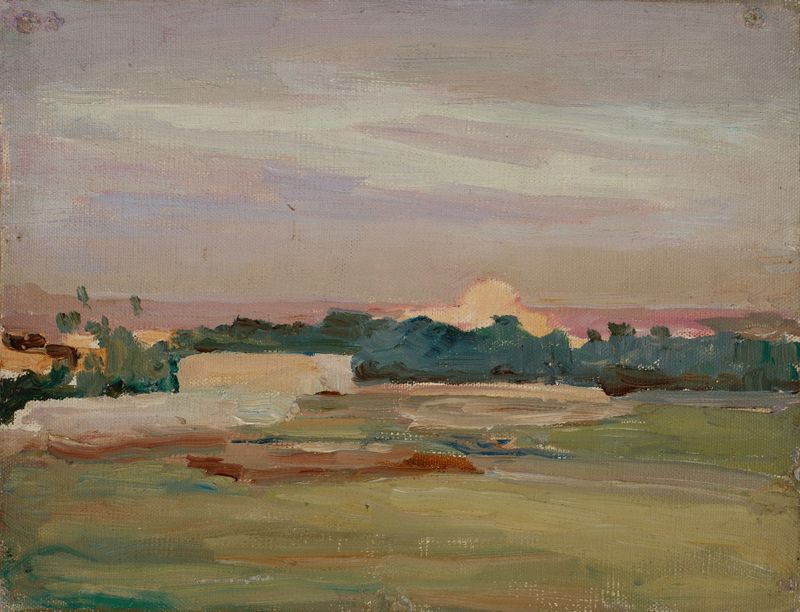
The Sirocco
Jan Ciągliński
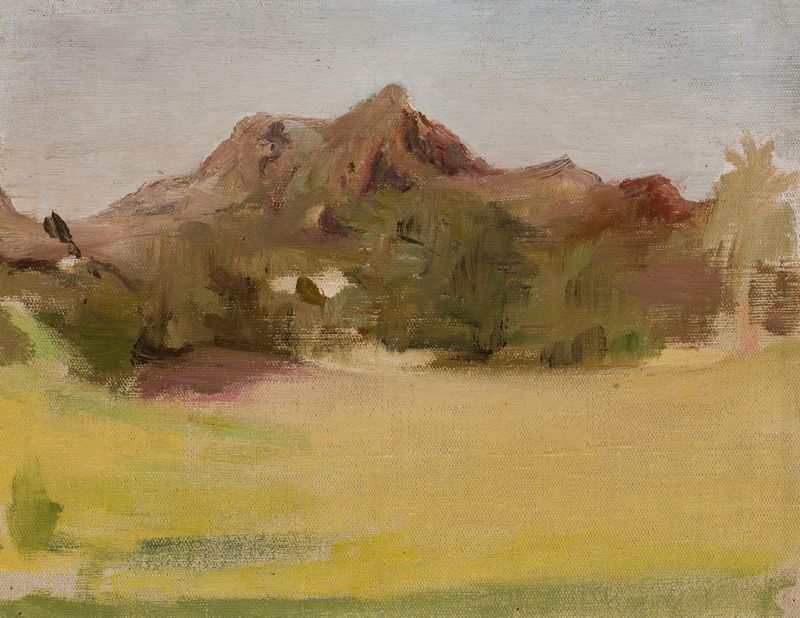
Mountain landscape. From the journey to India
Jan Ciągliński
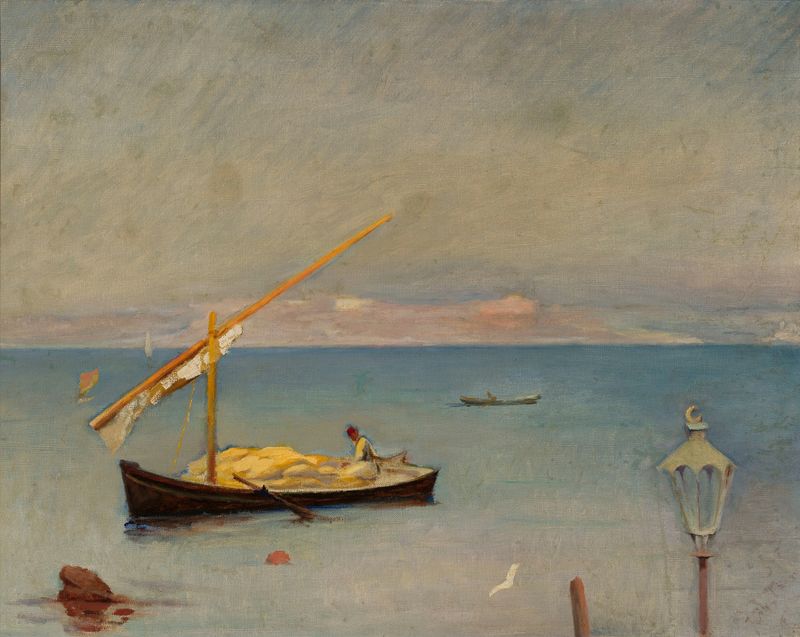
At Bosporus
Jan Ciągliński
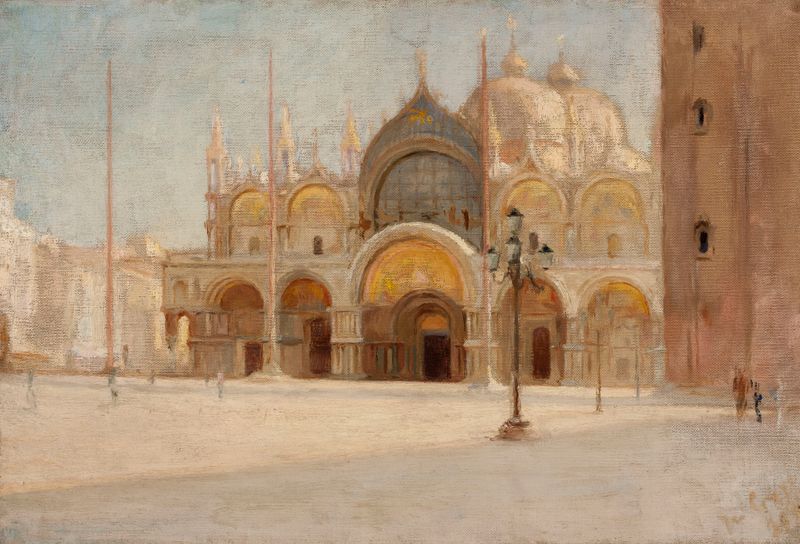
St Mark’s Square in Venice
Jan Ciągliński
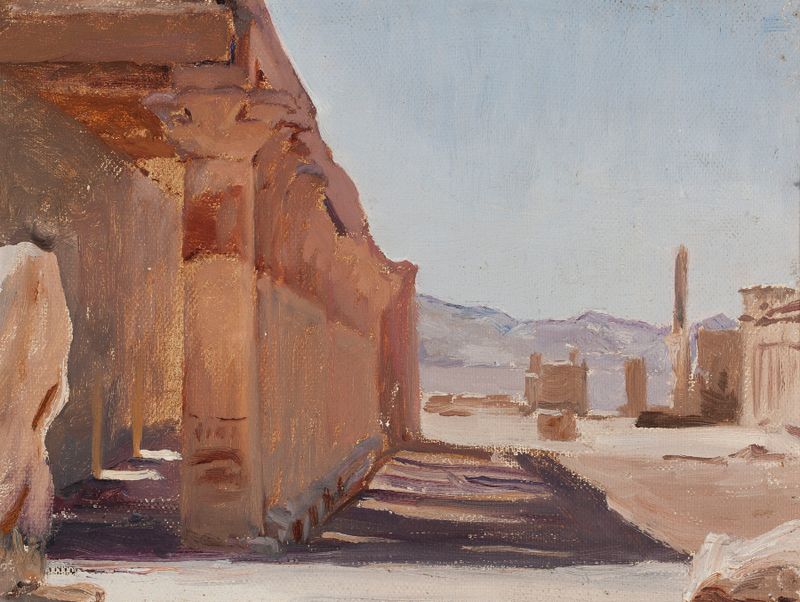
Temple. From the journey to Egypt
Jan Ciągliński
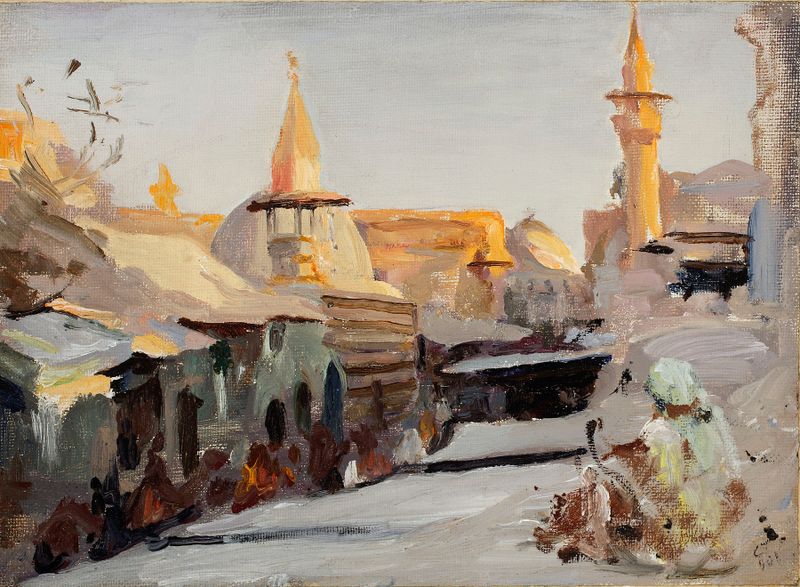
Street in Damascus. From the journey to Palestine
Jan Ciągliński
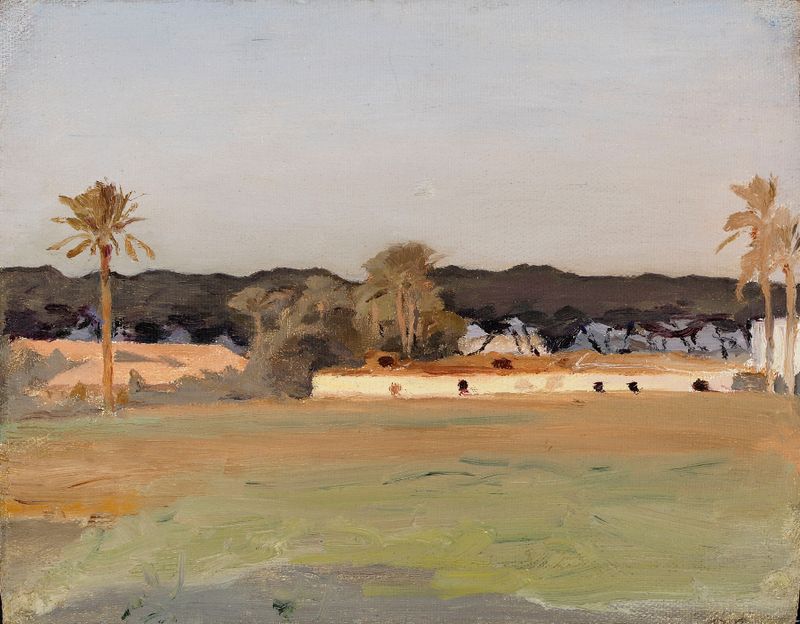
Evening. From the journey to Egypt
Jan Ciągliński
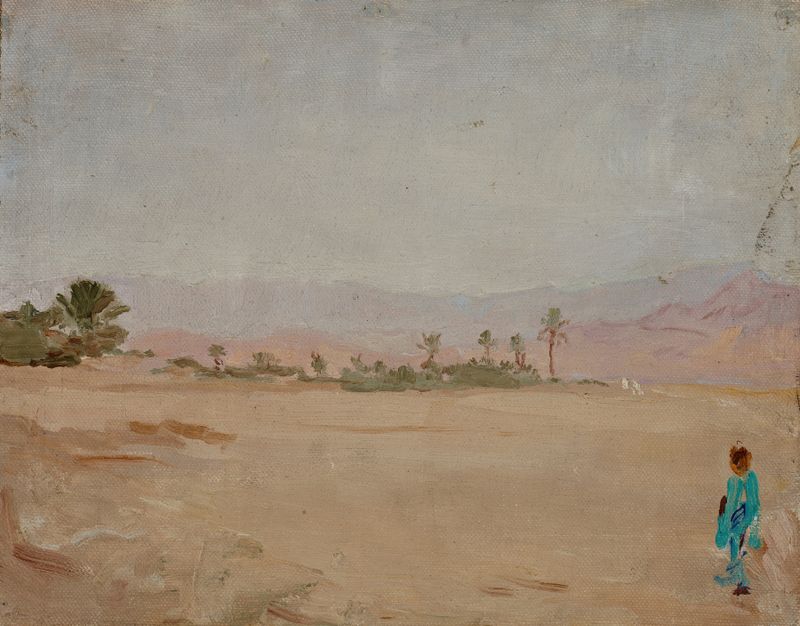
Sahara (Desert)
Jan Ciągliński
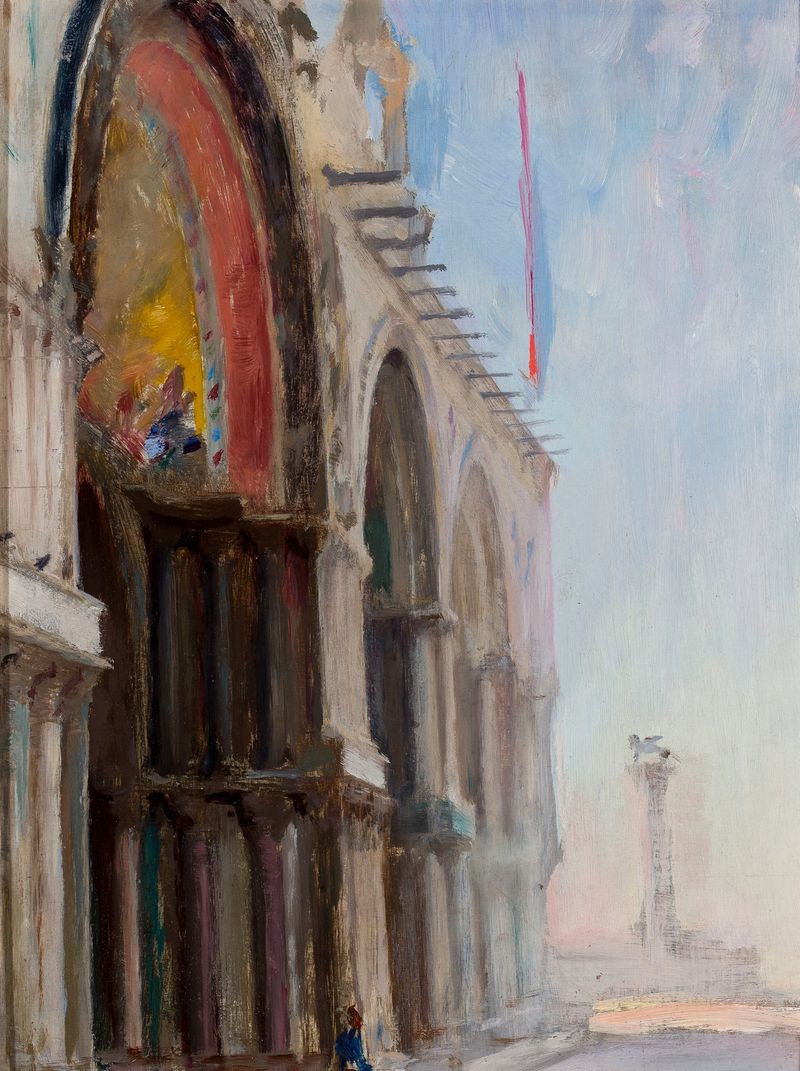
Venice – San Marco. From the journey to Italy
Jan Ciągliński
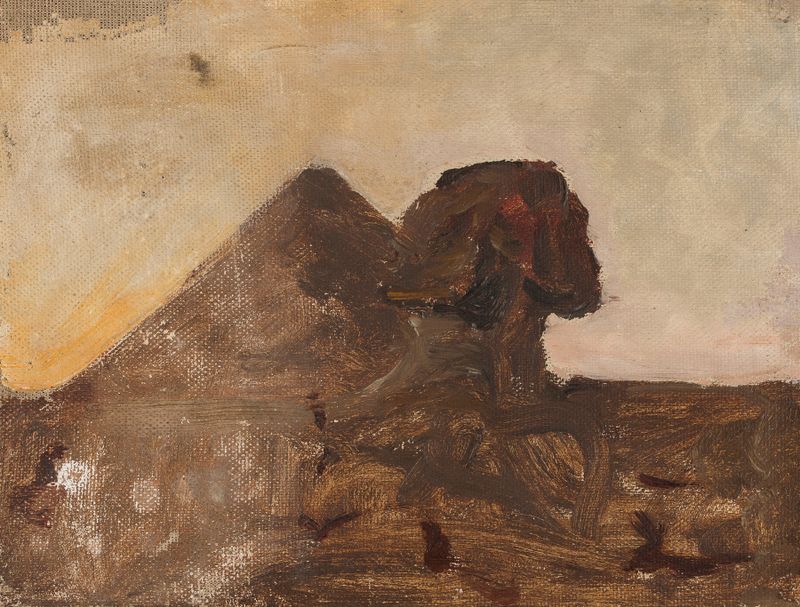
Evening in the desert – Sphinx and pyramid. From the journey to Egypt
Jan Ciągliński





