
Crete — History & Facts
What if beauty was never meant to be finished? In Jan Ciągliński's Crete, we encounter a vision that teeters on the edge of eternity, capturing the divine essence of an unspoiled landscape. Look to the center of the canvas, where vibrant greens and deep blues collide in a symphony of color. The sun-kissed shores and rugged mountains draw the eye, inviting you to explore the untouched beauty of the scene. Notice how the artist employs soft brushstrokes to create a sense of depth, while the deft use of light enhances the mood, suggesting both warmth and mystery. Hidden within this idyllic paradise are deeper reflections on the transient nature of life.
The interplay of light and shadow speaks to a world caught between the sacred and the ephemeral. As viewers, we are reminded that even the most breathtaking vistas can evoke feelings of longing—a desire to hold onto beauty that is, by its very nature, fleeting. The juxtaposition of the eternal landscape against the ephemeral human experience resonates profoundly. Ciągliński painted Crete in 1911, during a period marked by his exploration of color and light while living in Paris.
This era was significant for the artist, as he was immersed in a world that celebrated Impressionism and its quest to capture moments of beauty and emotion. Influenced by the vibrant artistic community around him, Ciągliński sought to reflect his own experiences and visions, creating works that blend the real with the ideal.
More Artworks by Jan Ciągliński
Browse all →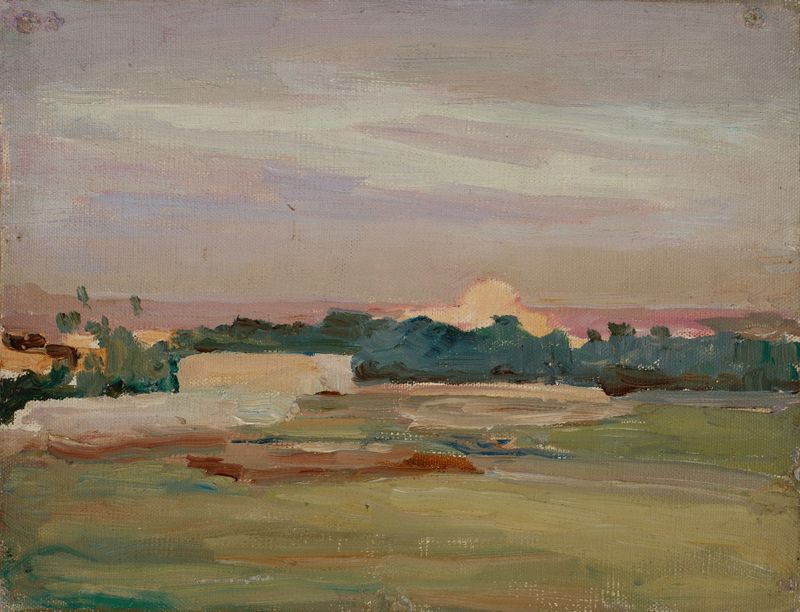
The Sirocco
Jan Ciągliński
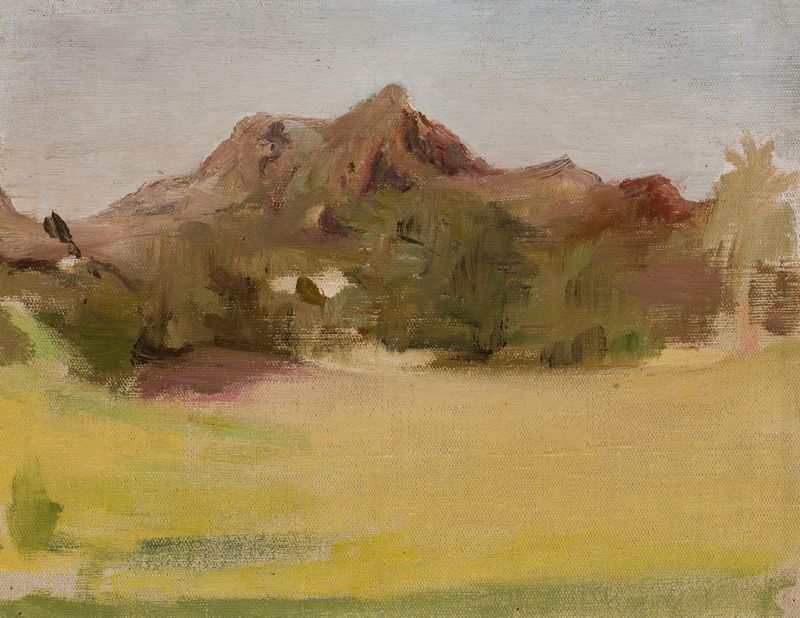
Mountain landscape. From the journey to India
Jan Ciągliński
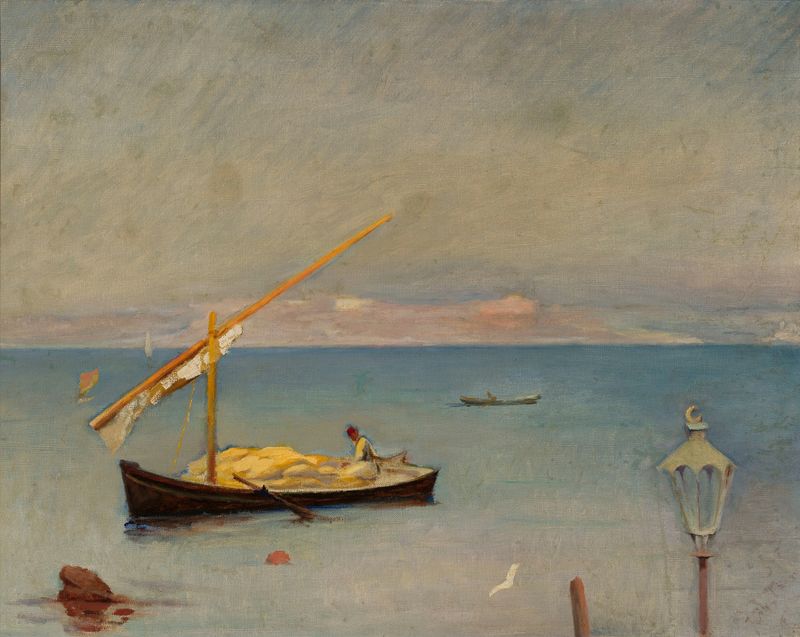
At Bosporus
Jan Ciągliński
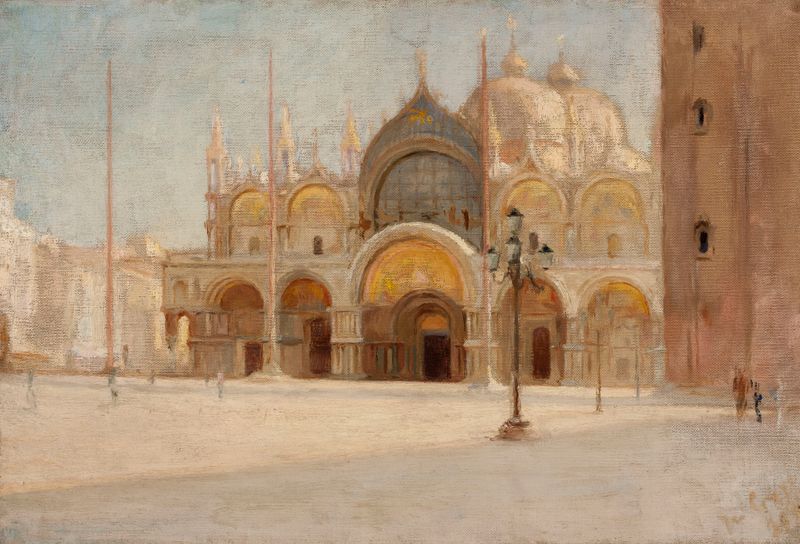
St Mark’s Square in Venice
Jan Ciągliński
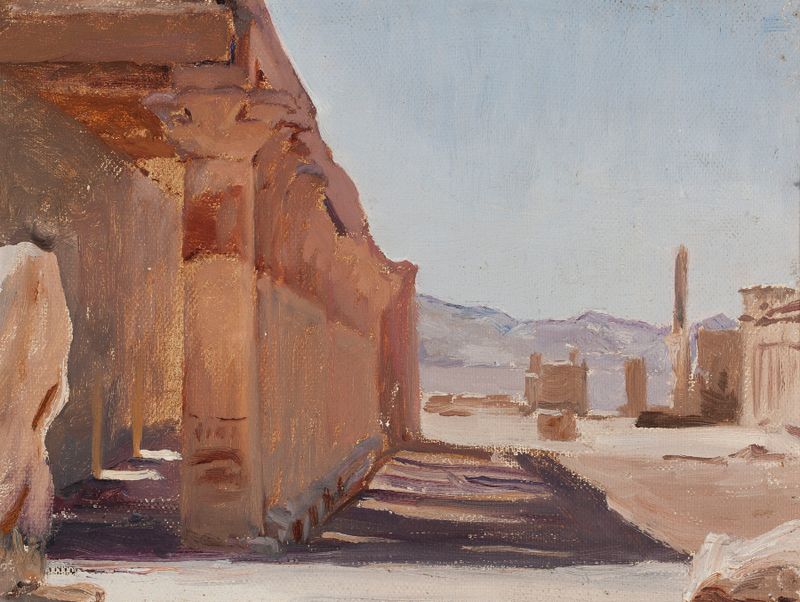
Temple. From the journey to Egypt
Jan Ciągliński
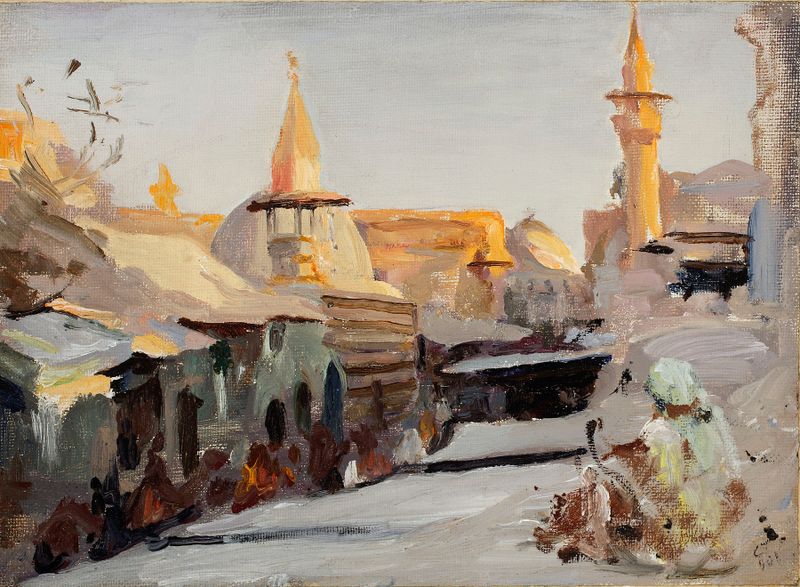
Street in Damascus. From the journey to Palestine
Jan Ciągliński
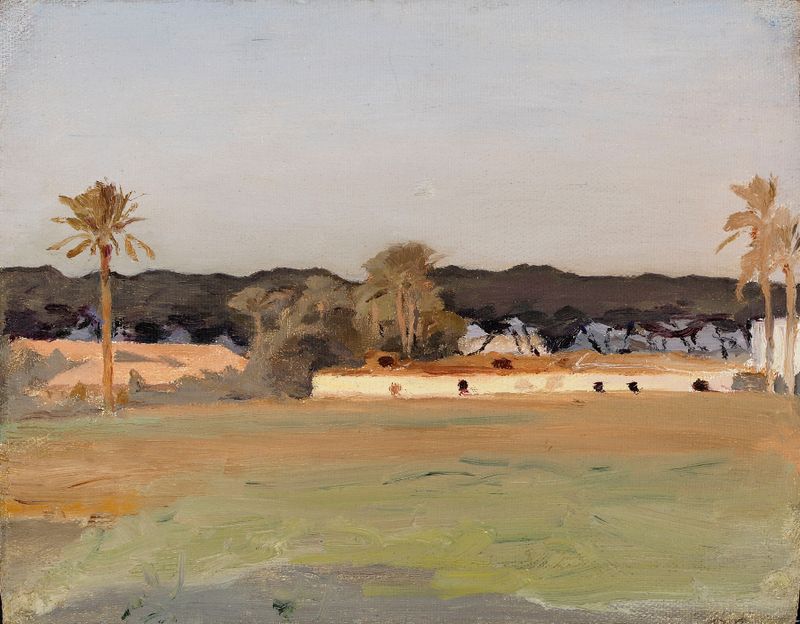
Evening. From the journey to Egypt
Jan Ciągliński
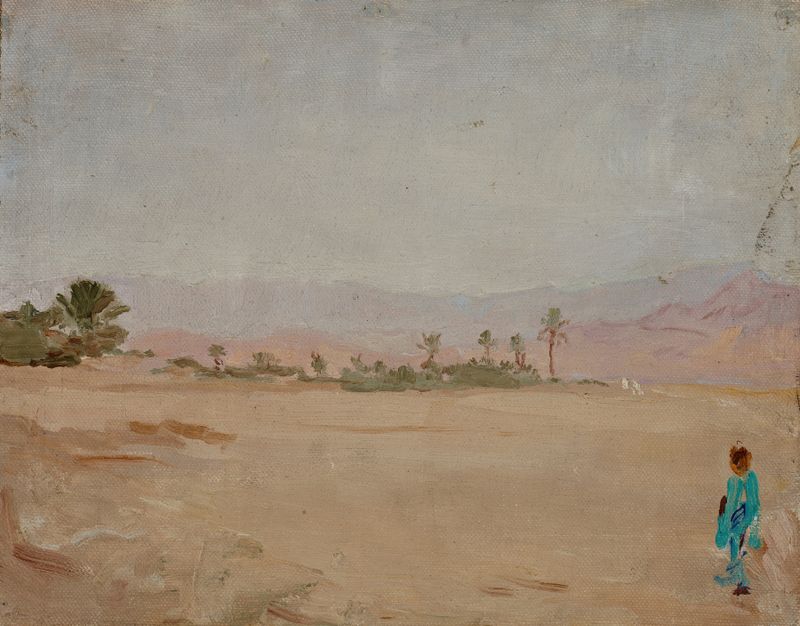
Sahara (Desert)
Jan Ciągliński
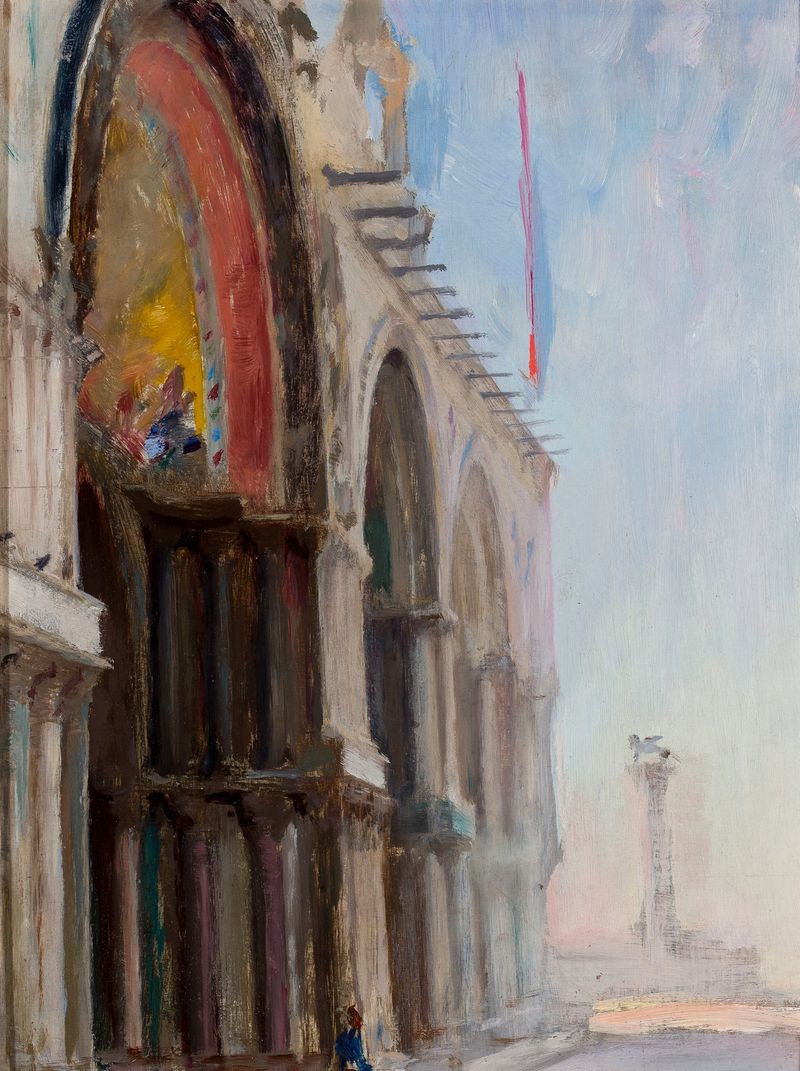
Venice – San Marco. From the journey to Italy
Jan Ciągliński
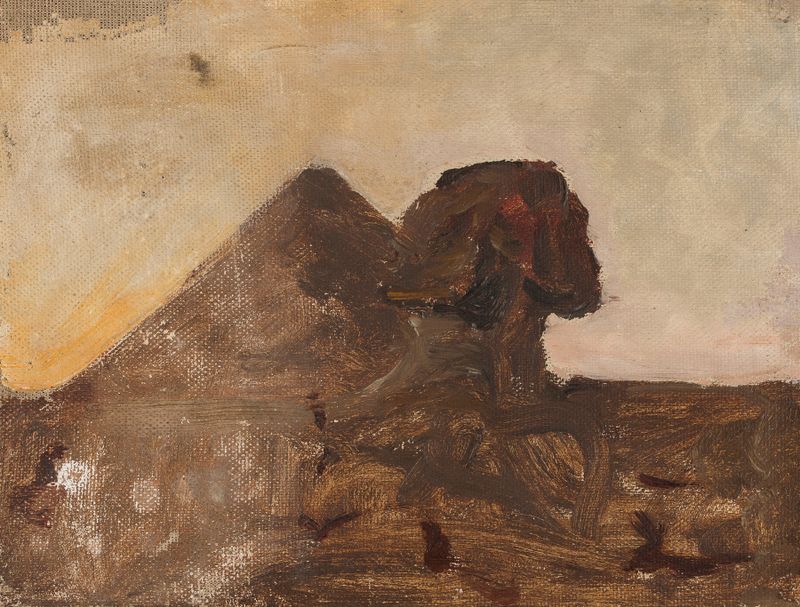
Evening in the desert – Sphinx and pyramid. From the journey to Egypt
Jan Ciągliński





