
Crimson Cliffs — History & Facts
In the stillness of visual representation, fear finds its voice amid the tumult of nature’s majesty. Look closely at the rugged cliffs, their crimson hue radiating a mixture of warmth and foreboding. The brushstrokes suggest a tumultuous wind, as if the very earth quakes under a sky heavy with impending storms. Notice the contrasting shadows that creep into the crevices, evoking a sense of unease, while the vibrant reds seem to pulse with an unspoken energy, a warning of nature’s unpredictable temperament. Within this striking landscape lies the tension between beauty and peril.
The vibrant colors evoke a visceral emotional response, drawing the viewer into a world where the sublime mingles with the dangerous. The cliffs, towering yet fragile, speak of human vulnerability against the vast and untamed wilderness. Each detail, from the gnarled rock formations to the distant horizon, captures a moment steeped in a haunting beauty, reflecting the fear that often accompanies the sublime. During the time Crimson Cliffs was created, Charles Hamilton Smith was deeply engaged with the Romantic landscape tradition, where nature was often portrayed as both awe-inspiring and fearful.
This was a period marked by rapid changes in the world, as industrialization began to reshape natural landscapes. Smith’s work captures these tensions, embodying both the beauty of untouched landscapes and the underlying fear of nature’s power as society grappled with profound transformations in art and life.
More Artworks by Charles Hamilton Smith
Browse all →
Situation of H.M.S. Hecla & Griper
Charles Hamilton Smith
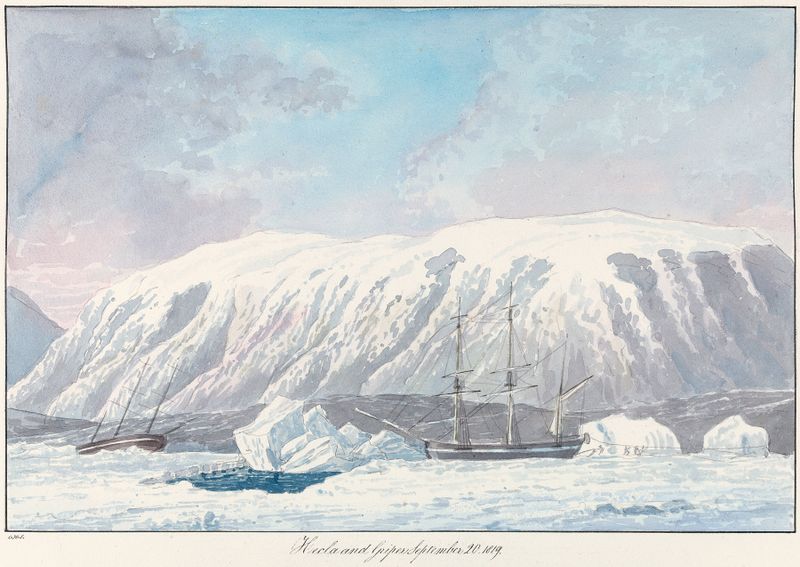
Hecla and Griper
Charles Hamilton Smith

Friendly Cove, Nootka Sound
Charles Hamilton Smith

Iceberg in Baffin’s Bay
Charles Hamilton Smith
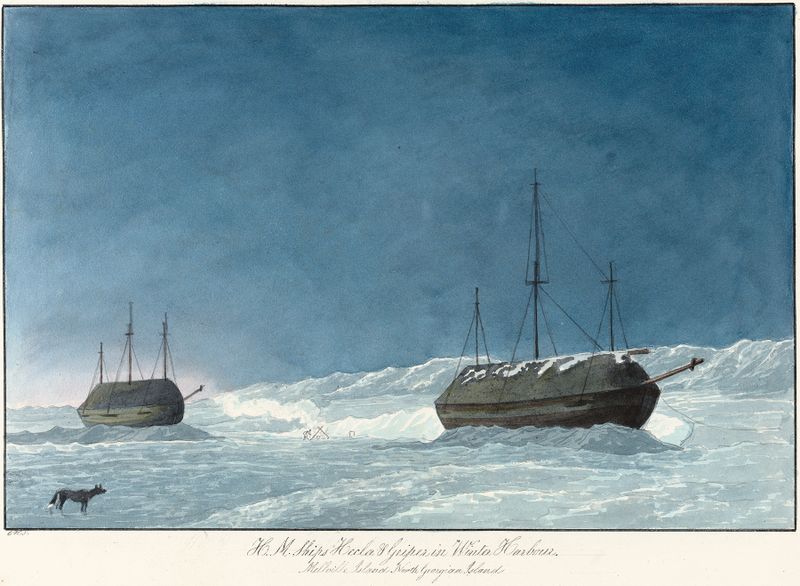
H. M. Ships Hecla and Griper in Winter Harbour
Charles Hamilton Smith

The Erebus & Terror in a Gale in the Pack of the Ice
Charles Hamilton Smith
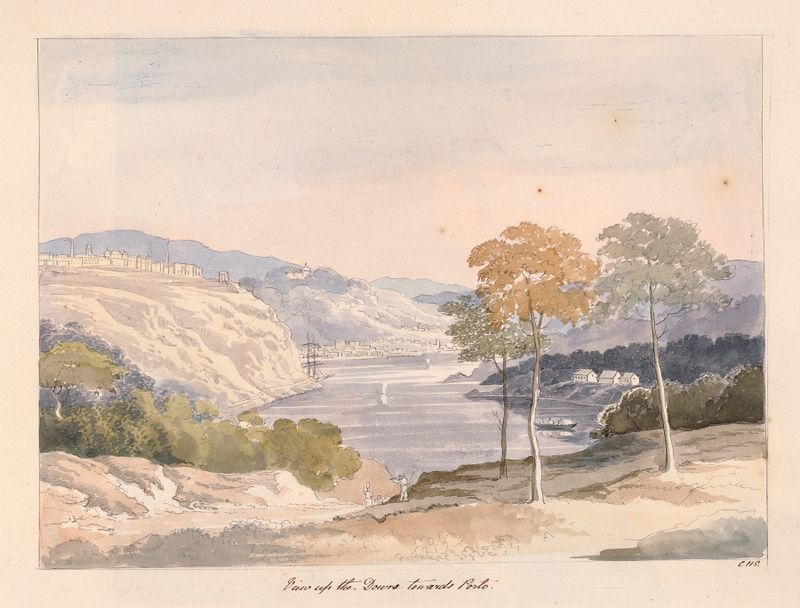
View of the Douro towards Porto
Charles Hamilton Smith
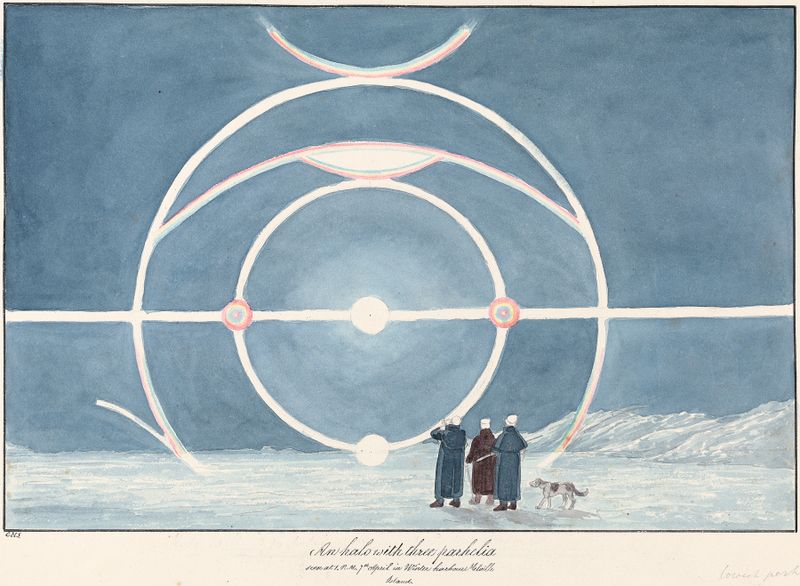
Halo with Three Parhelia, Winter Harbour Melville Island
Charles Hamilton Smith
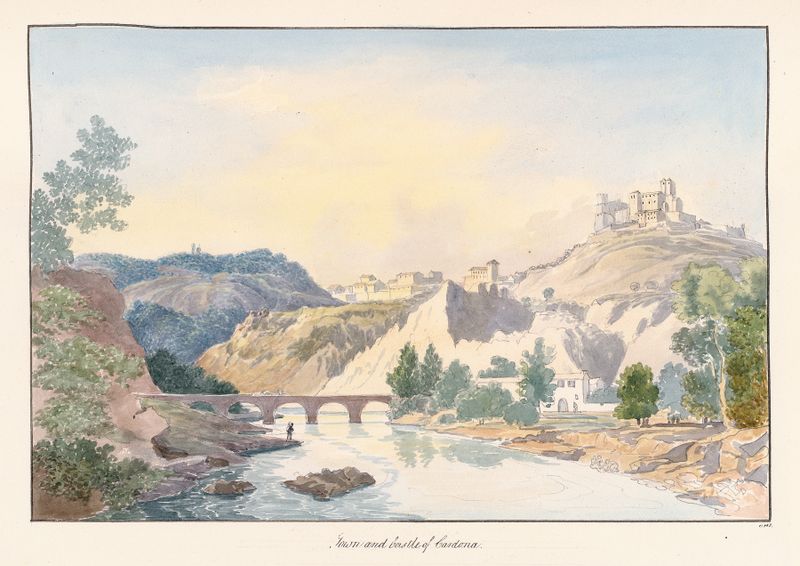
Town and Castle of Cardona
Charles Hamilton Smith
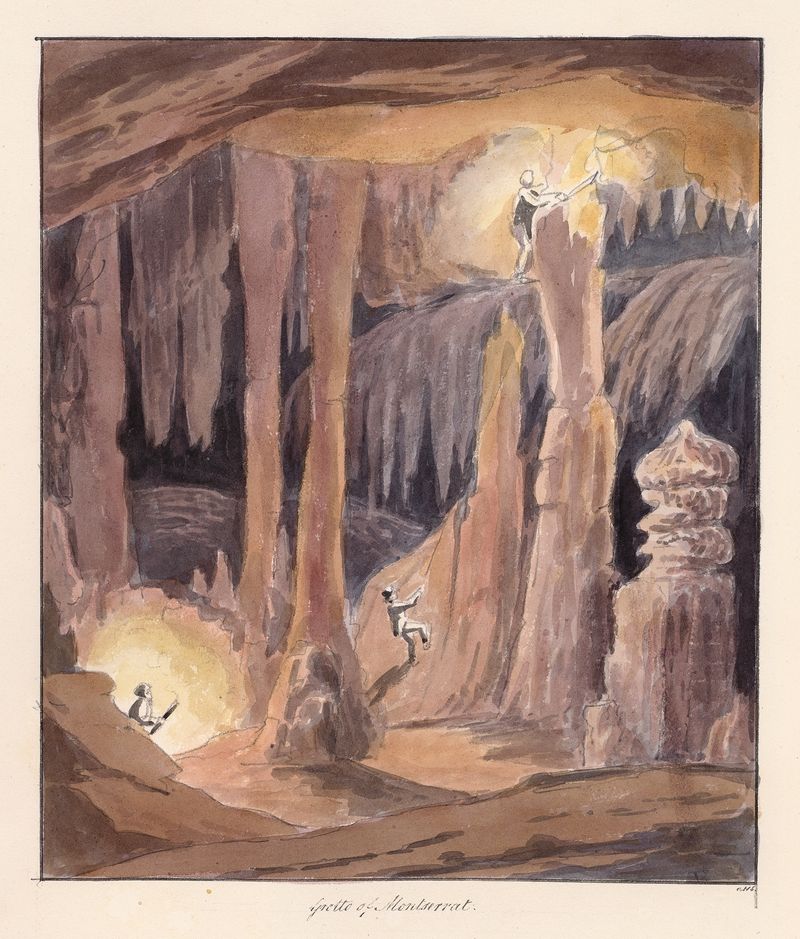
Grotto of Montserrat
Charles Hamilton Smith





