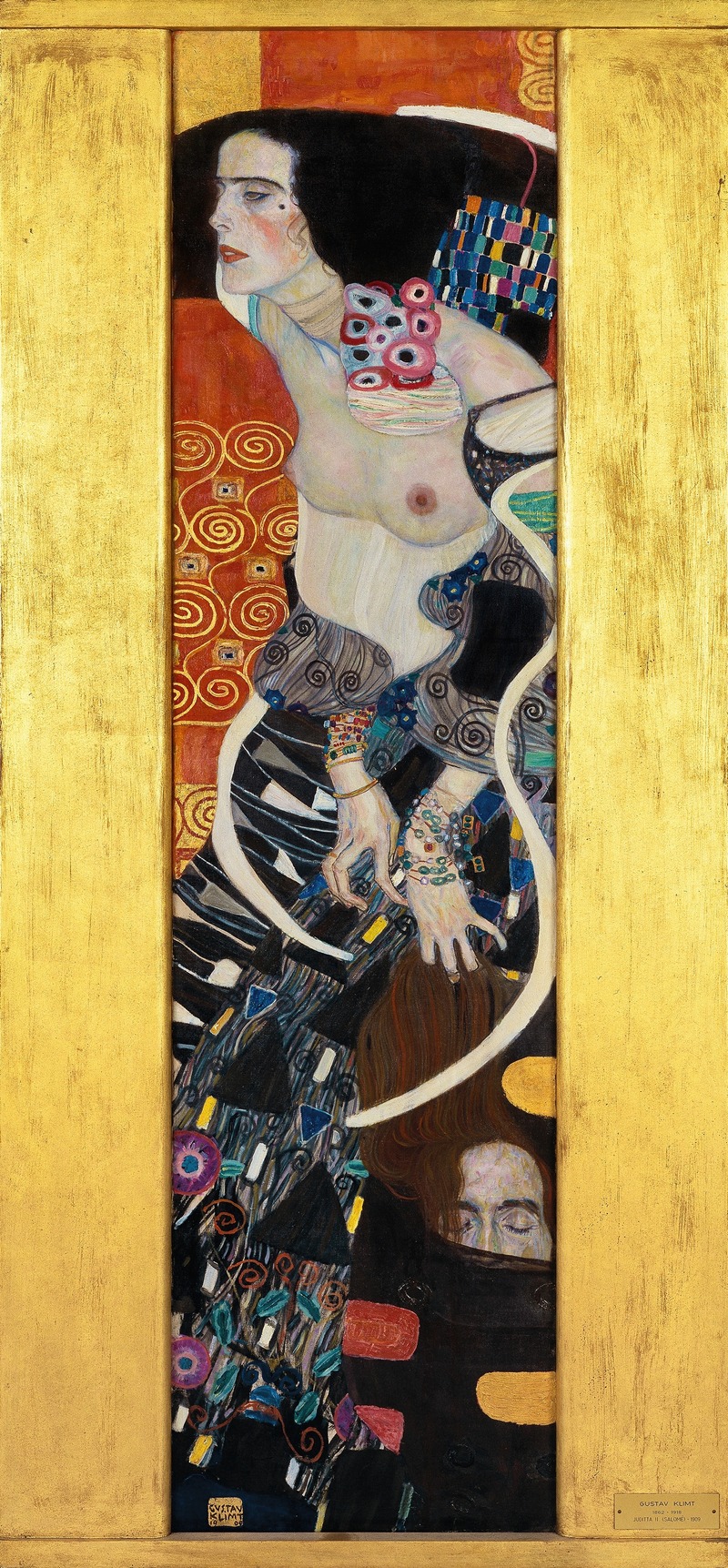
Discover insights about this artwork
Crouching Tahitian Woman — History & Facts
In Crouching Tahitian Woman, Paul Gauguin presents a striking figure of a Tahitian woman crouching on the ground. The painting is characterized by vibrant colors, with rich greens and blues dominating the background. The woman's skin is depicted in warm tones, contrasting with the cooler colors surrounding her.
This composition draws the viewer's attention to her form and posture, creating a sense of intimacy. The painting is executed in oil on canvas, a medium that allows for the rich texture and bold colors that Gauguin is known for. The dimensions are approximately 90 x 70 cm, making it a moderately sized work that invites close viewing. The brushwork is expressive, with visible strokes that add to the overall dynamism of the piece.
The use of color is particularly notable, as Gauguin employs a palette that enhances the emotional impact of the scene. Paul Gauguin was a key figure in the Post-Impressionist movement, known for his explorations of color and form. Crouching Tahitian Woman reflects his fascination with Tahitian culture, which he encountered during his travels to the South Pacific. An interesting fact about this work is that it exemplifies Gauguin's desire to escape European conventions and embrace a more primitive and spiritual approach to art.
This painting is part of a broader series that highlights his interest in the lives of indigenous peoples.
More Artworks by Paul Gauguin
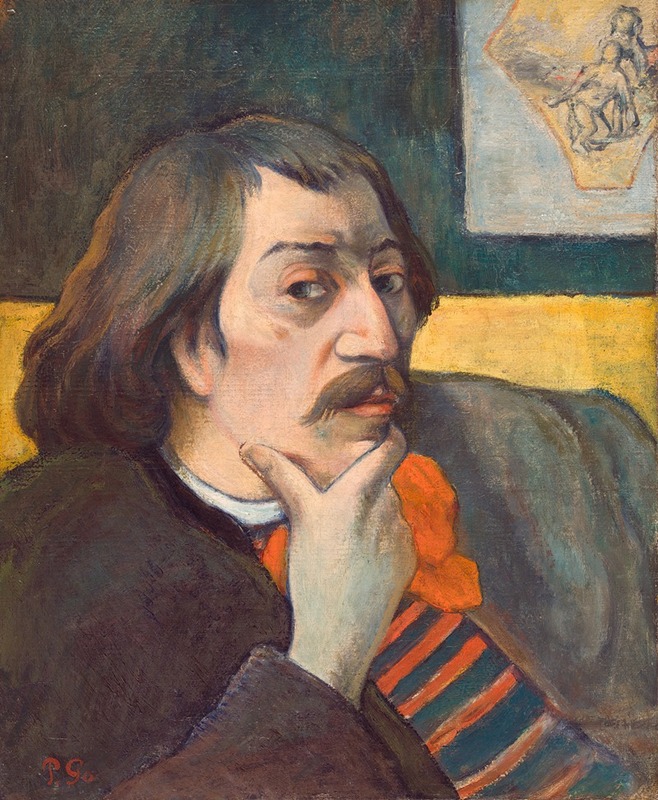
Self Portrait
Paul Gauguin
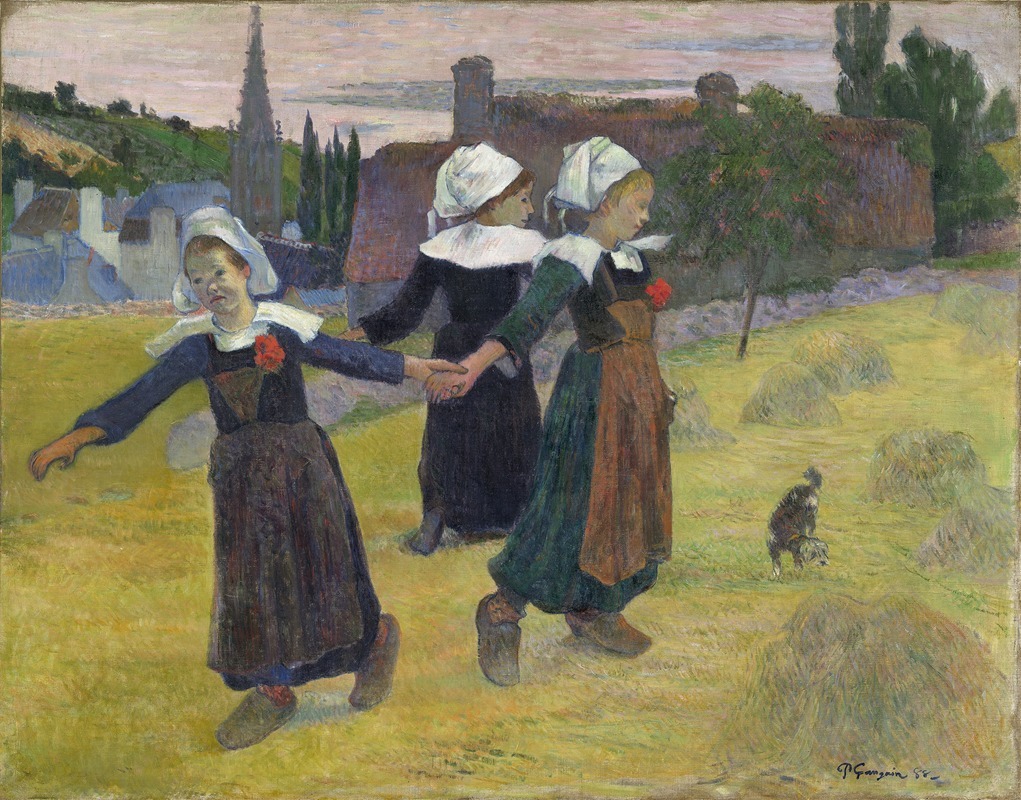
Breton Girls Dancing,Pont-Aven
Paul Gauguin
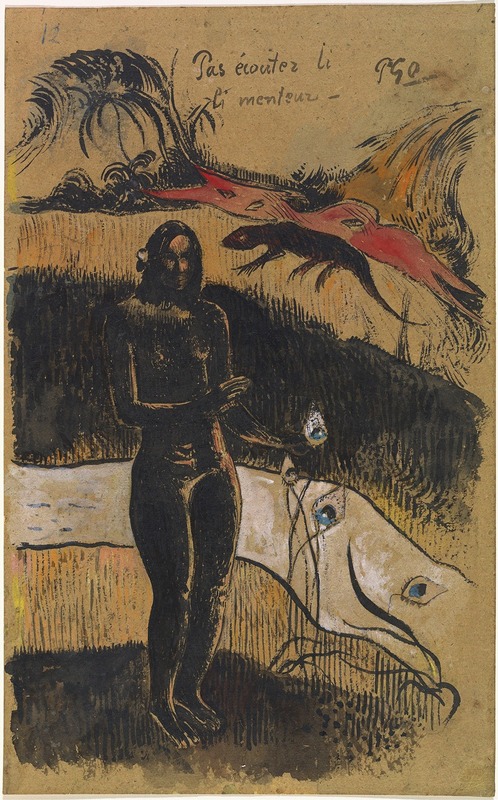
Nave Nave Fenua
Paul Gauguin
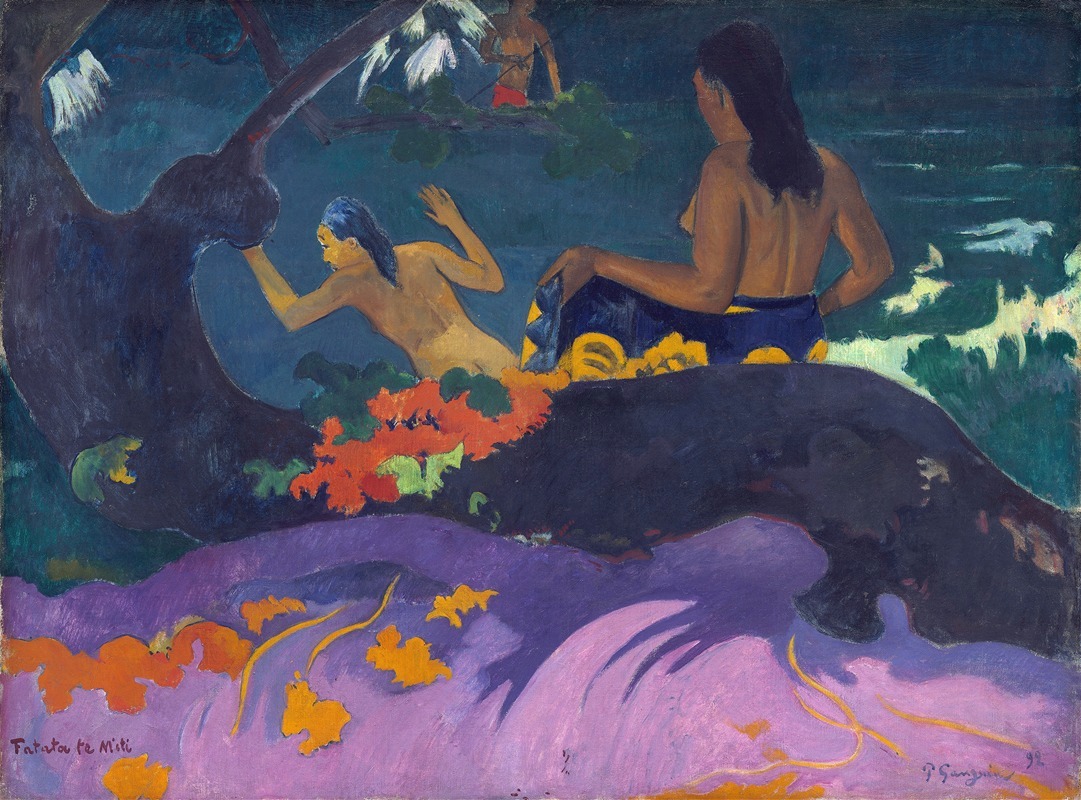
Fatata te Miti (By the Sea)
Paul Gauguin
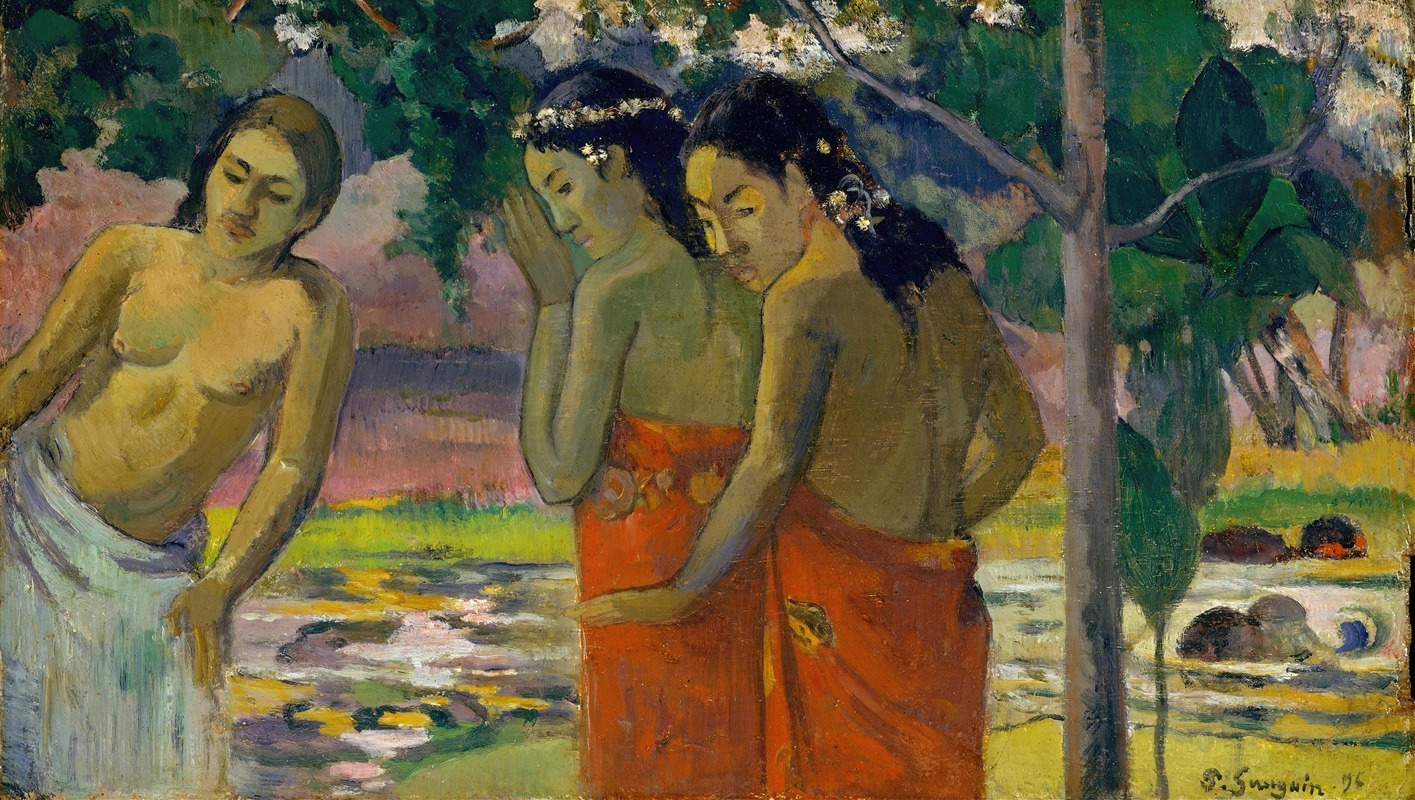
Three Tahitian Women
Paul Gauguin
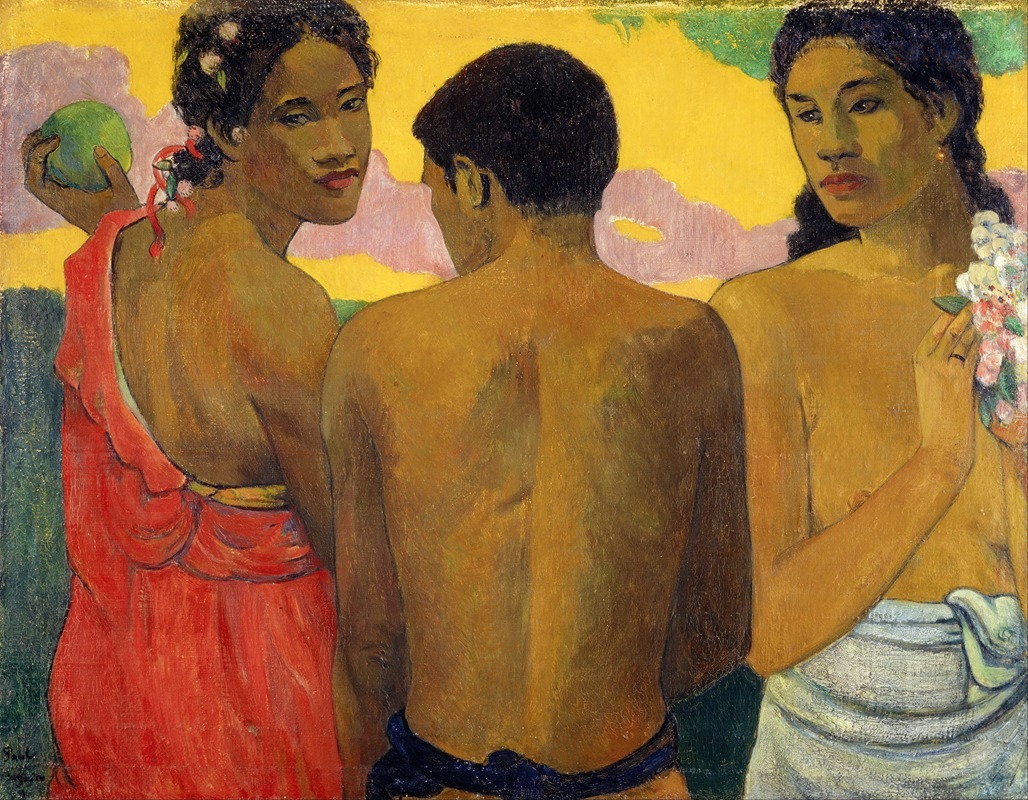
Three Tahitians
Paul Gauguin
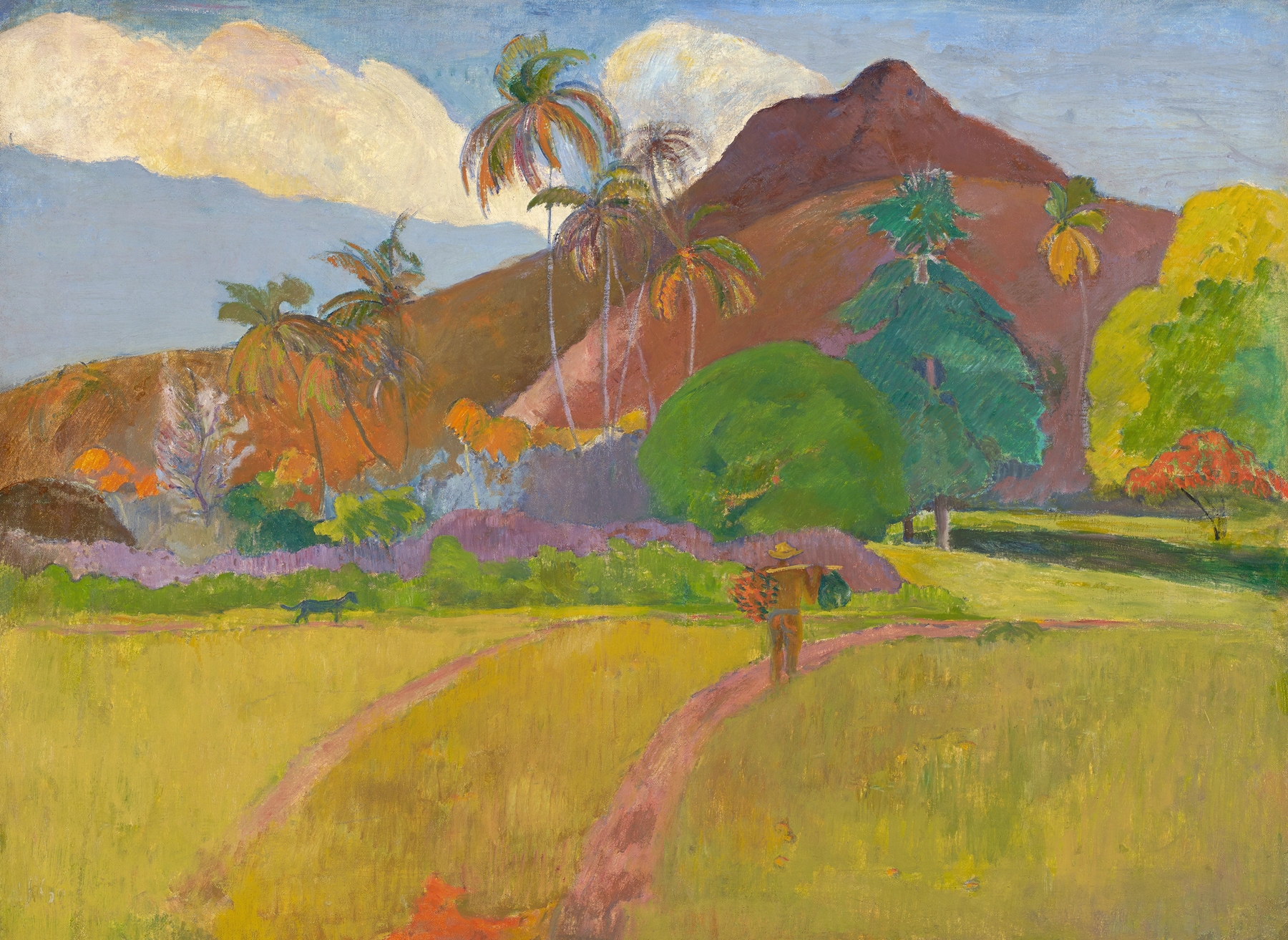
Tahitian Landscape
Paul Gauguin
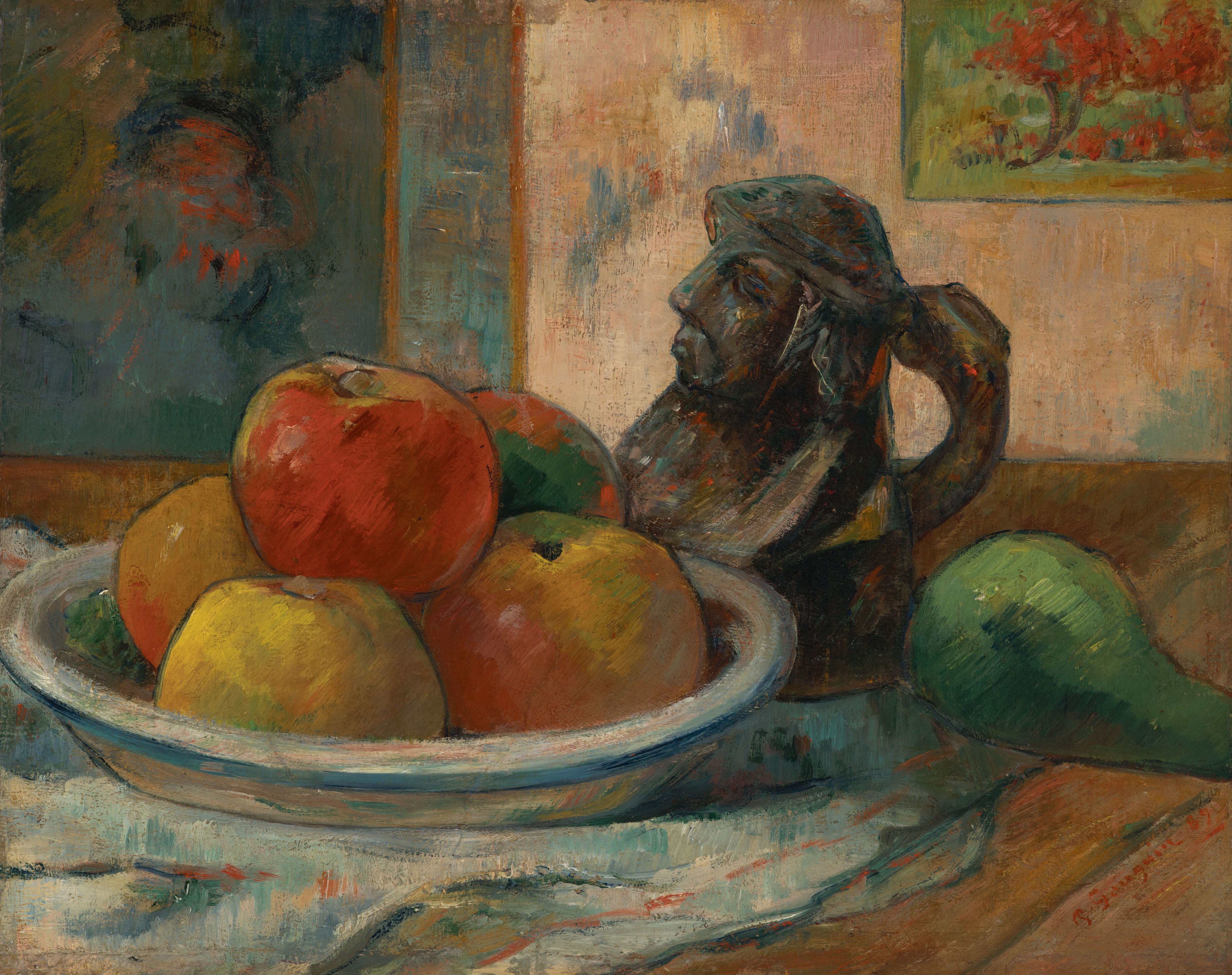
Still Life with Apples, a Pear, and a Ceramic Portrait Jug
Paul Gauguin
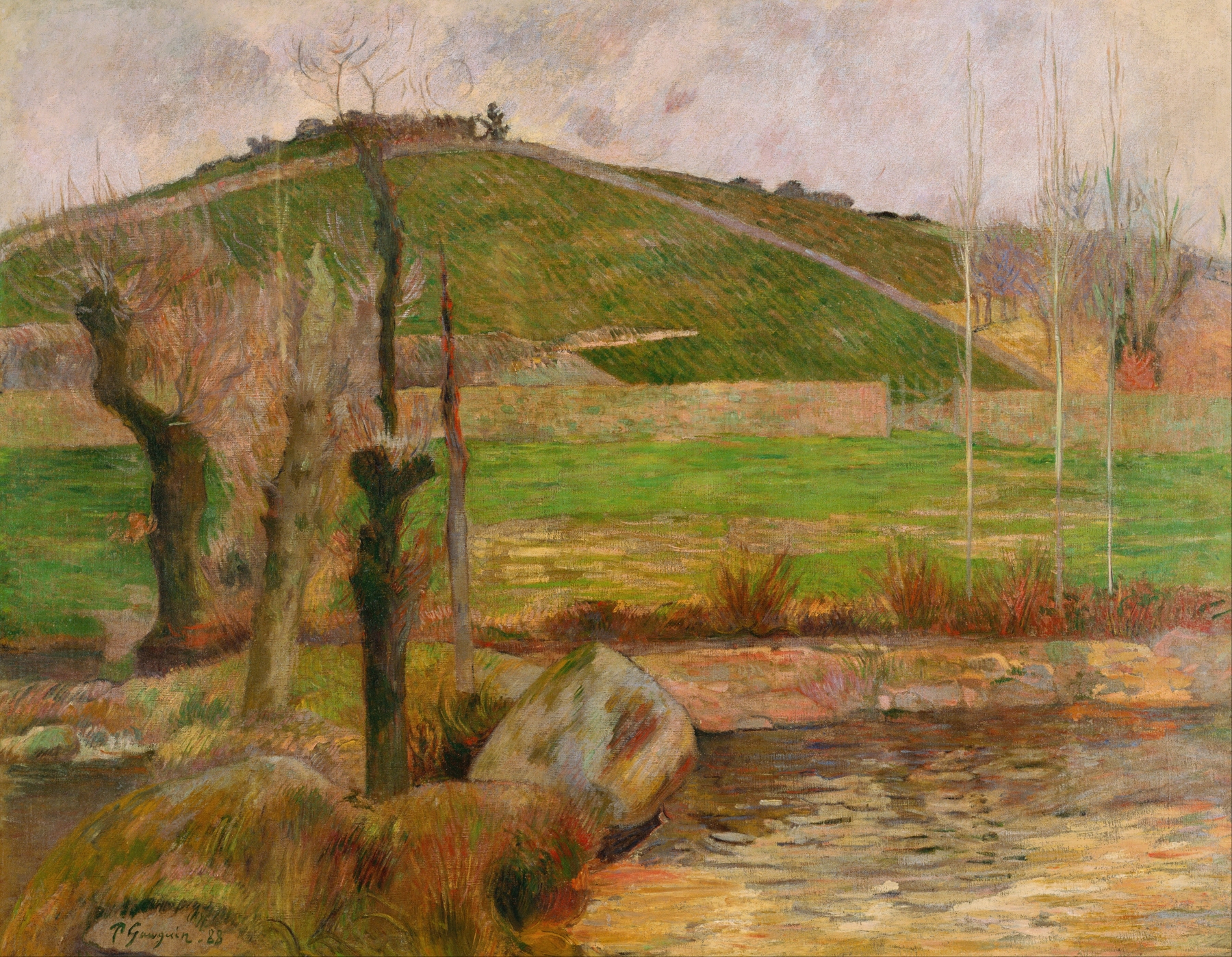
Landscape near Pont-Aven
Paul Gauguin

No te aha oe riri (Why Are You Angry?)
Paul Gauguin