
Crozant — History & Facts
In Crozant, longing permeates the atmosphere, whispering secrets of an unfulfilled yearning that dances between the trees and the river. Look to the left at the delicate interplay of greens and browns, where the foliage shimmers with a golden light, beckoning the viewer into the depth of the landscape. Notice how the brushstrokes flow like the river, each stroke a gentle caress of color that creates a sense of movement and life. The sky, a soft blend of blues and whites, mirrors the serene waters below, inviting contemplation and quiet reflection on the passage of time. Hidden within the tranquil scene lies a tension between nature’s beauty and human absence.
The winding river suggests a journey yet to be taken, while the solitary landscape evokes feelings of nostalgia for moments lost. This sense of solitude is punctuated by the vibrant colors, which seem to pulse with unspoken desires, urging the viewer to connect with their own longing for place and belonging. Armand Guillaumin painted Crozant in 1900 while residing in the tranquil village of Crozant, France, a hub for many Impressionist artists. At this time, he was establishing his unique style, influenced by both the vibrant palette of his fellow Impressionists and the emotional weight of his own experiences.
The world of art was shifting, and Guillaumin’s works began to reflect a deeper exploration of light and color, paving the way for the modernist movements that would soon follow.
More Artworks by Armand Guillaumin
Browse all →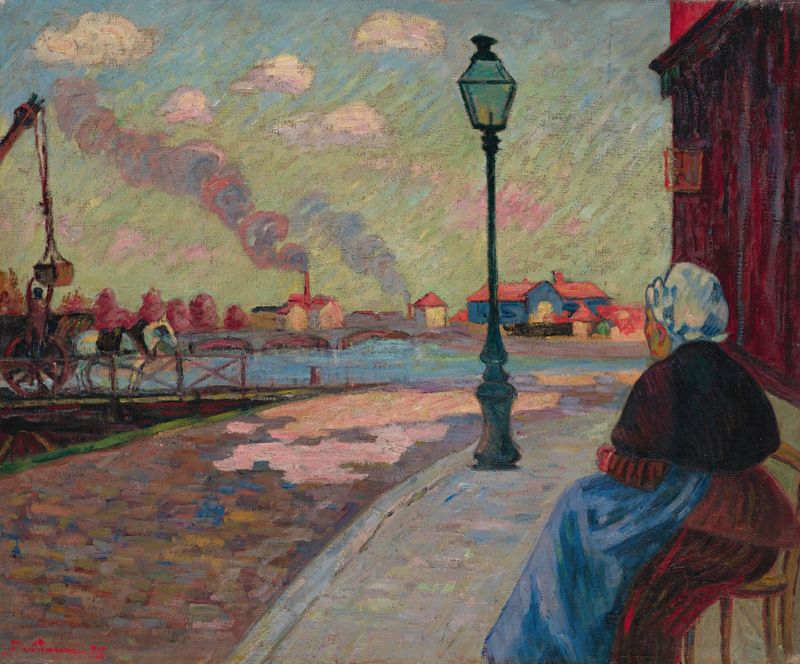
La Seine À Charenton
Armand Guillaumin
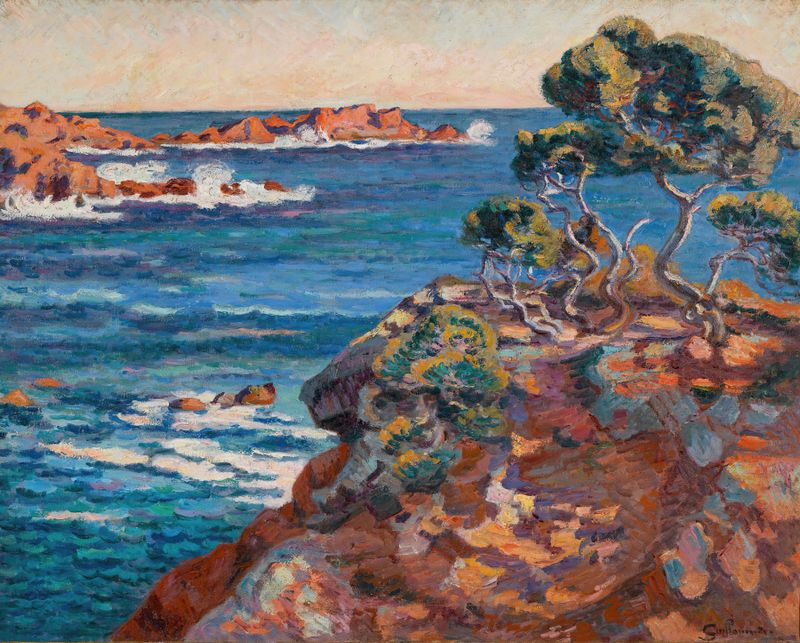
Bord De Mer À Agay
Armand Guillaumin
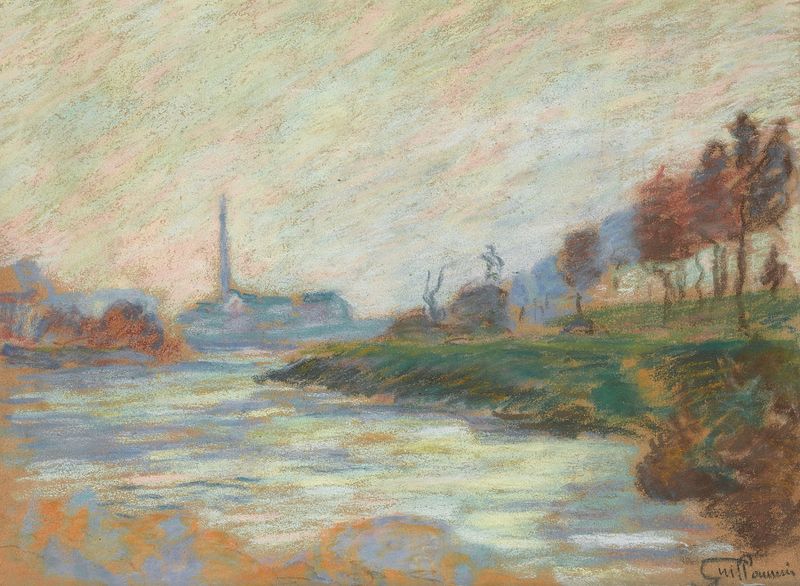
Confluent De La Marne Et De La Seine, Île De La France
Armand Guillaumin

Le Ravin de la folie, vue de Chateau Crozant
Armand Guillaumin
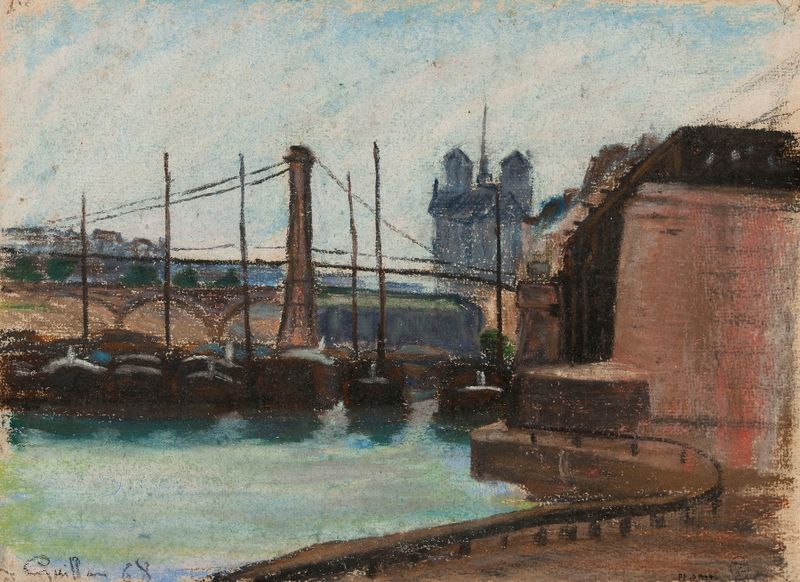
Le Pont d’Austerlitz
Armand Guillaumin

Paysage de Printemps
Armand Guillaumin
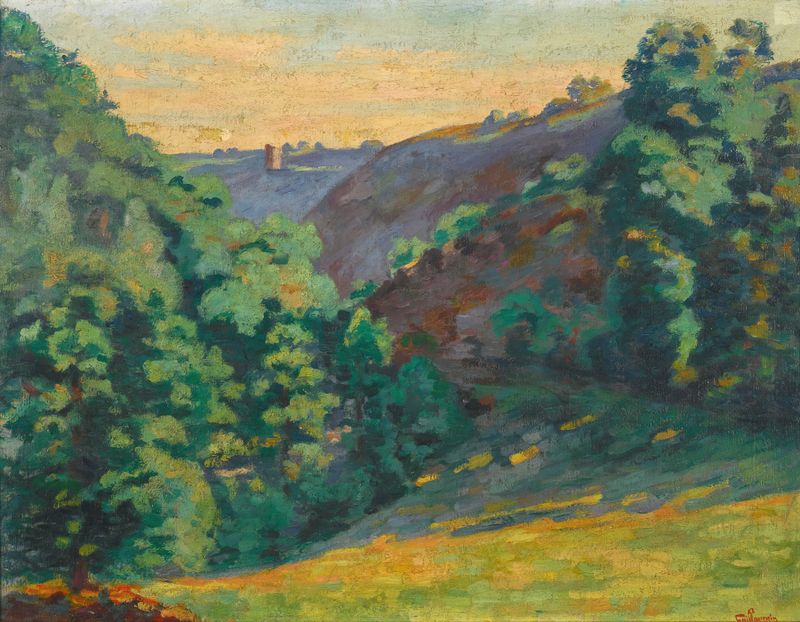
Crozant, Le Ravin De La Sedelle À La Folie
Armand Guillaumin
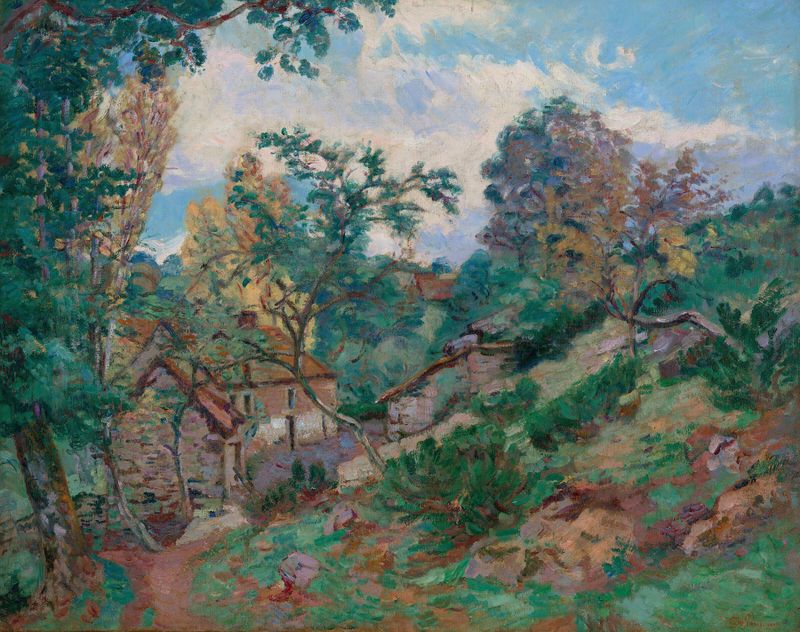
Paysage
Armand Guillaumin

La vallée de la creuse
Armand Guillaumin

L’Eglise Saint-Sulpice, Paris
Armand Guillaumin





