
Crépuscule — History & Facts
Is this a mirror — or a memory? In Crépuscule, a haunting reflection of twilight dances between light and shadow, evoking a deep sense of longing and loss. Each brushstroke seems to whisper secrets of a past, entwined with the present, inviting the viewer to ponder the interplay of grief and beauty. Focus on the gentle hues of blue and gold that fill the canvas, illuminating a serene landscape at dusk. The horizon, a delicate line, subtly blends where the sky meets the earth, suggesting an ethereal transition.
Notice how the soft brushwork creates a layered texture, pulling you into a tranquil yet melancholic atmosphere, as if capturing the moment just before day surrenders to night. Amid the tranquility, hidden tensions emerge. The fading light symbolizes the passage of time, a reminder of what has been lost and the memories that linger in the twilight. Small details, like the flurry of leaves stirred by a whispering breeze, evoke an undercurrent of nostalgia, making the landscape feel alive yet transient.
It is a poignant reminder that beauty often coexists with sorrow, and that each moment of stillness carries the weight of remembrance. Pissarro painted Crépuscule in 1920, a time when he was grappling with personal loss and the changing art world around him. Living in Paris, he faced the aftermath of World War I, which had transformed society and influenced artists worldwide. This painting reflects his enduring commitment to capturing the nuances of life, even amid grief, revealing both his personal journey and his evolution as a pivotal figure in Impressionism.
More Artworks by Camille Pissarro
Browse all →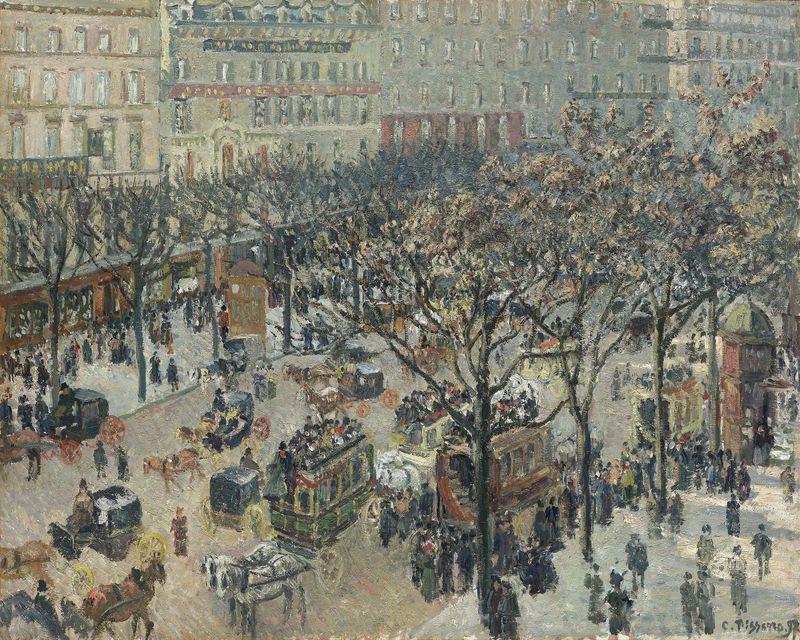
Boulevard des Italiens,Morning_Sunlight
Camille Pissarro
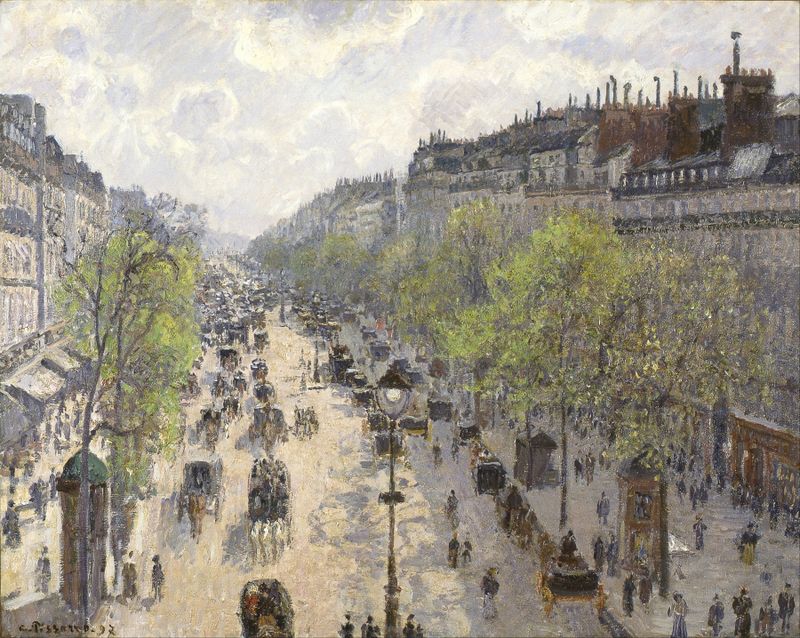
Boulevard Montmartre, Spring
Camille Pissarro
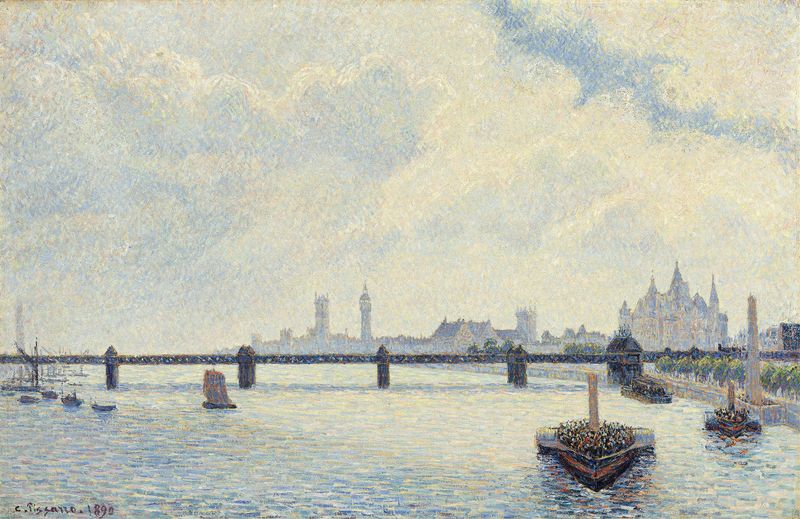
Charing Cross Bridge,London
Camille Pissarro
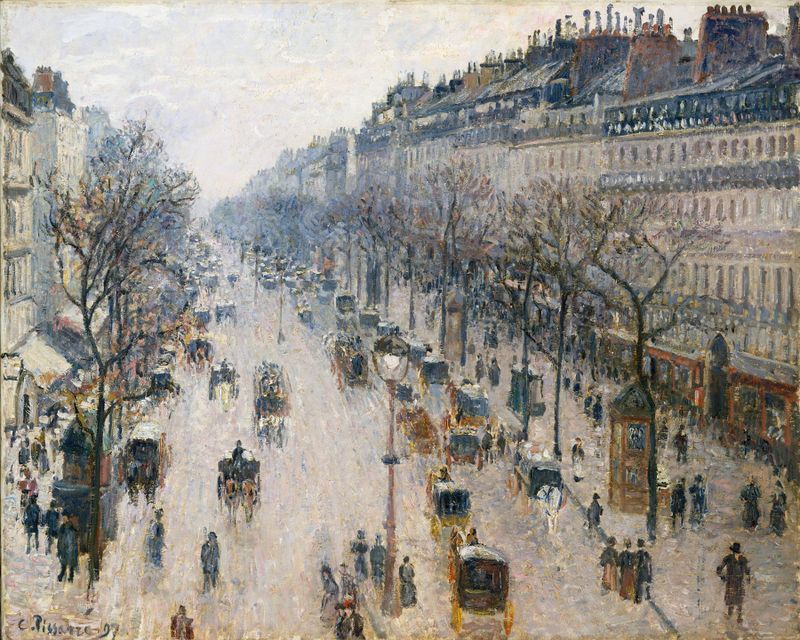
The Boulevard Montmartre on a Winter Morning
Camille Pissarro
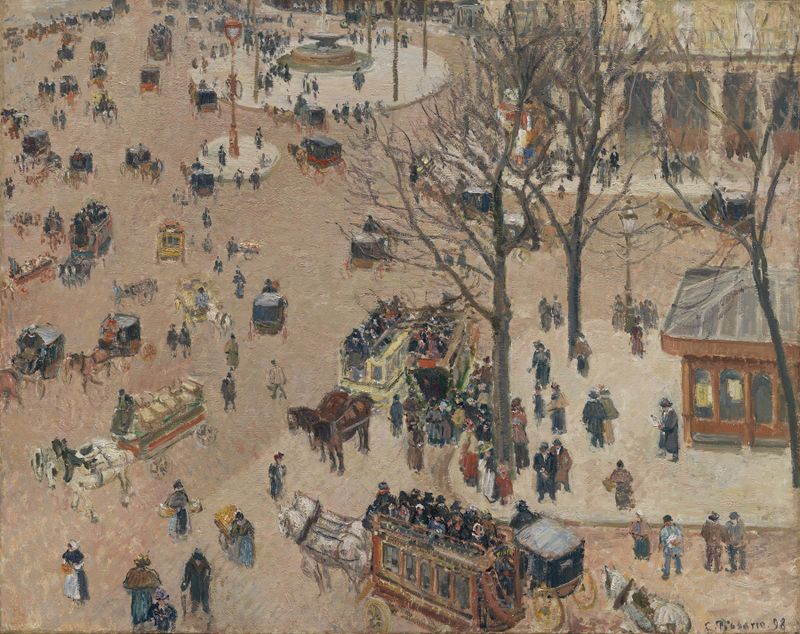
La Place du Théâtre Français
Camille Pissarro

Rue Saint-Lazare, Paris
Camille Pissarro
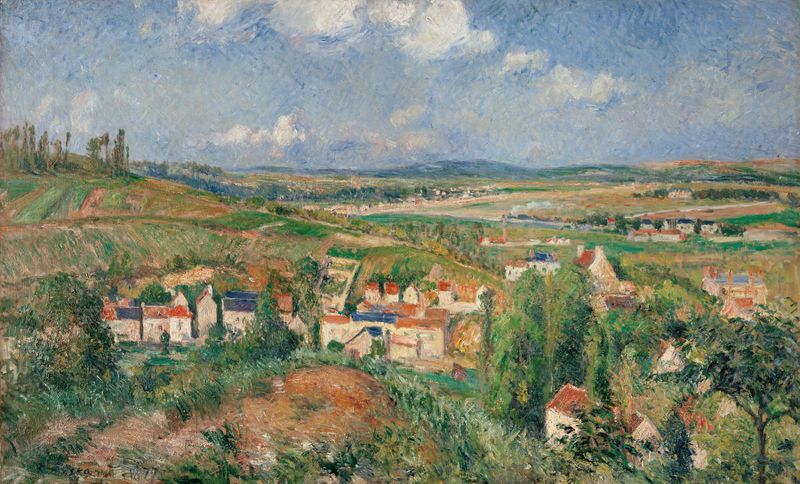
L’hermitage En Été, Pontoise
Camille Pissarro

Place du Theatre Francais,Fog Effect
Camille Pissarro
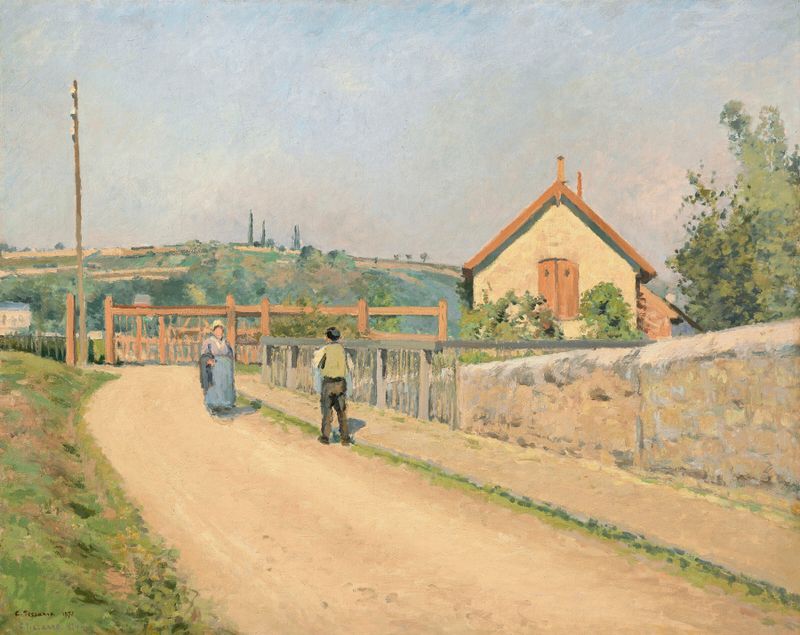
La barrière du chemin de fer, aux Pâtis près Pontoise
Camille Pissarro
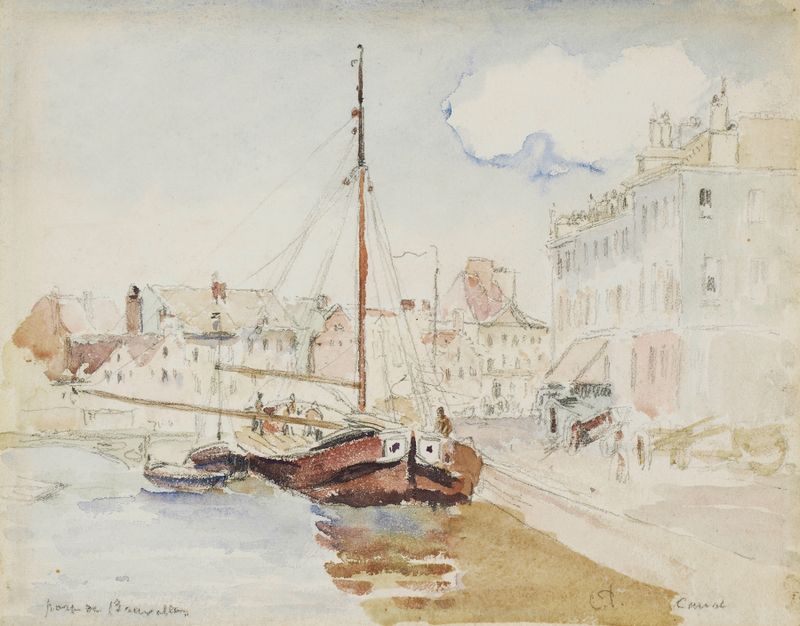
Port de Bruxelles
Camille Pissarro





