
Crucifixion with the Virgin and Saint Mary Magdalene — History & Facts
The sky hangs heavy with ominous clouds, a silent witness to the pivotal moment unfolding below. A figure, suspended in agony, embodies both suffering and transcendence, flanked by two stoic figures who are enveloped in sorrow. The Virgin’s gaze, piercing yet gentle, seems to search for solace amid despair, while Mary Magdalene’s outstretched hand trembles with grief, creating an electric tension that fills the air. Look to the central crucifix, where the muted tones of the figure contrast starkly with the vivid reds and deep blues of the surrounding garments.
Notice the intricate detailing on the drapery, the way light dances across the faces, illuminating their expressions, and how shadow cloaks the lower half of the canvas, evoking a sense of impending darkness. The composition draws the eye upward, urging the viewer to contemplate the juxtaposition of life and death, hope and despair. Beneath the surface lies a profound exploration of faith and sacrifice. The sorrow etched in the Virgin’s features speaks not only of personal loss but hints at a broader resonance of maternal grief.
Mary Magdalene’s close proximity to the crucifix suggests an intimate connection to the divine tragedy, embodying love and loyalty amidst suffering—inviting an emotional dialogue on the essence of devotion and redemption. This work, created by an unidentified artist in the 18th to 19th century, reflects a period rich with religious fervor and artistic experimentation. During this time, many artists sought to depict deep spiritual narratives, often influenced by the Baroque style, which emphasized dramatic emotion and stark contrasts. Amidst a backdrop of evolving approaches to faith in art, this piece stands as a timeless testament to the enduring human experience of loss and the quest for transcendence.
More Artworks by Unidentified artist
Browse all →
Self-portrait with a Bandaged Ear and Pipe
Unidentified artist

Feast in the House of Levi
Unidentified artist
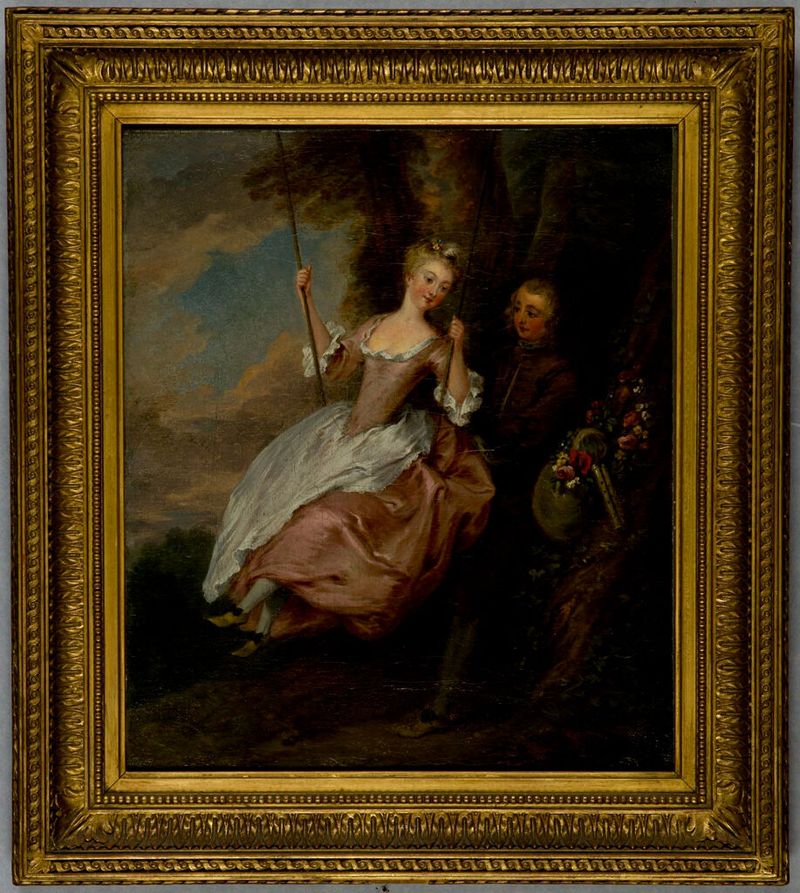
The Swing
Unidentified artist

Geoffrey Chaucer (1340?-1400)
Unidentified artist

Portrait of Michelangelo after the "Strozzi" original in the Uffizi Gallery
Unidentified artist
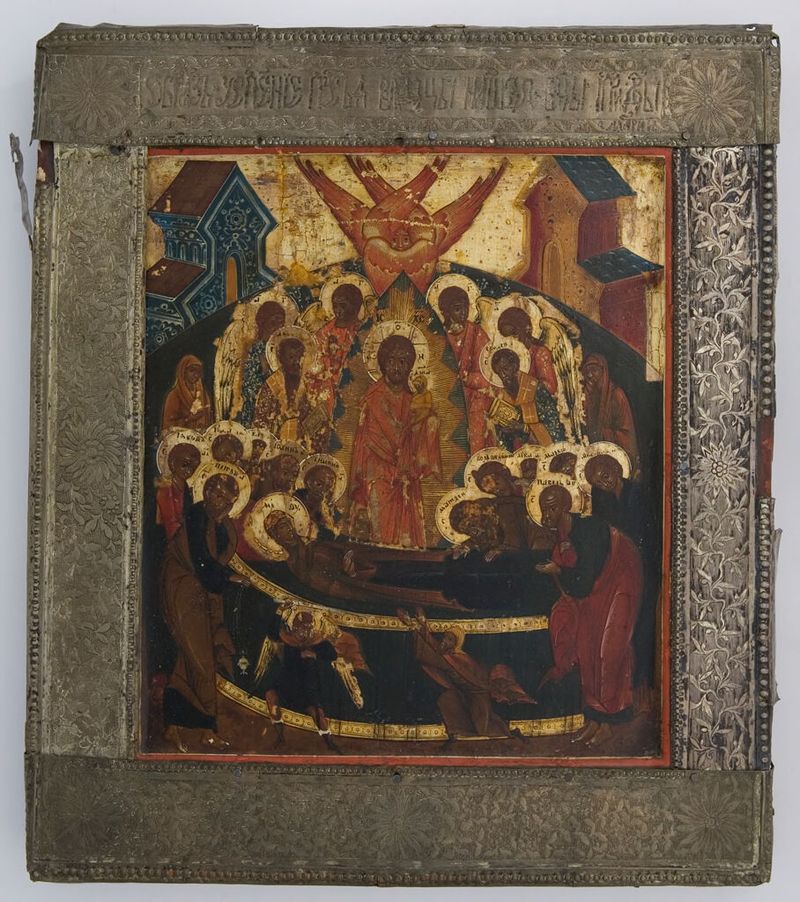
Dormition of the Virgin
Unidentified artist

Charles I (after a van Dyck painting in the Staatliche Museen, Gemaldegalerie, Dresden)
Unidentified artist

Madonna and Child
Unidentified artist

John Winthrop, the Younger (1606-1676)
Unidentified artist

Crucifix with the Virgin and Saint John the Evangelist, Christ the Redeemer, and a Praying Woman
Unidentified artist
More Religious Art
Browse all →
The Return of the Prodigal Son
Rembrandt van Rijn

The Garden of Earthly Delights
El Bosco

Count Orgaz’ funeral
El Greco

The Hundred Guilder Print: the central piece with Christ preaching, the plate arched
Rembrandt van Rijn

The Descent from the Cross
Rogier van der Weyden

The return of the prodigal son
Rembrandt van Rijn