Culver Cliff, Sandown Bay, Isle of Wight — History & Facts
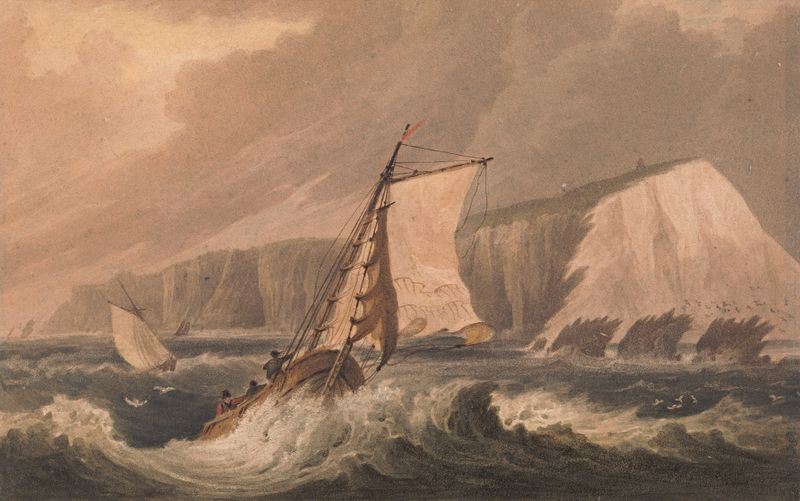
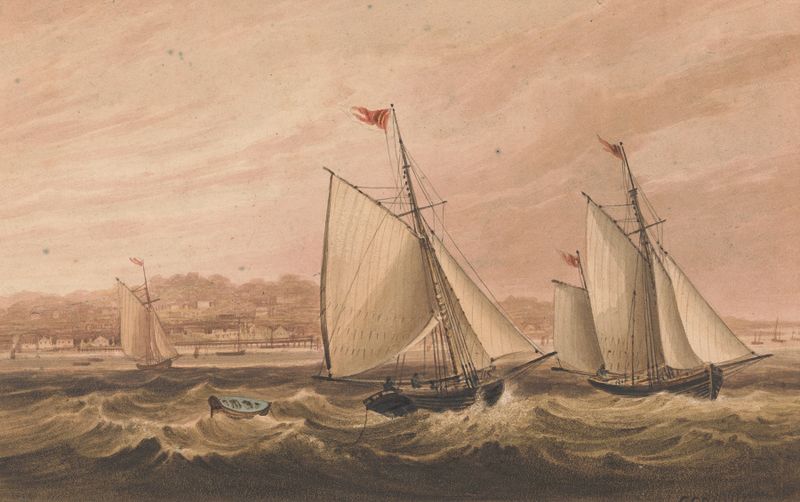
What if silence could speak through light? The gentle interplay of shadow and illumination whispers the legacy of the land, capturing moments suspended in time. Look to the horizon where the azure sea kisses the soft, golden sands. The cliffs rise majestically, painted in soft pastels that evoke a sense of nostalgia and serenity. Focus on the delicate brushstrokes that define the rugged texture of the cliffs, giving them a tangible presence, while the shimmering surface of the water reflects a palette of blues and greens, suggesting both tranquility and depth.
Calvert’s choice of soft, diffused light bathes the landscape in a dreamlike quality, inviting viewers to linger, lost in thought. Beneath the surface beauty lies an emotional tension between the fleeting nature of moments and the enduring qualities of the land. The cliffs, ancient and steadfast, juxtapose the ephemeral waves that lap at their base, embodying the passage of time. This interplay between permanence and transience evokes a meditation on legacy—what is left behind and what fades away.
The way light dances across the scene suggests the profound connection between memory and landscape, where every brushstroke carries the weight of history. Frederick Calvert created this work during an era marked by a growing appreciation for natural beauty in art, particularly in the mid-19th century. Although the exact date of this piece remains unknown, it reflects the influences of the Romantic movement, where artists sought to express emotion through nature. Living and working on the Isle of Wight, Calvert was surrounded by the serene landscapes that would inspire his art, capturing the essence of a legacy intertwined with the beauty of the British coastline.