Undercliff, Isle of Wight — History & Facts
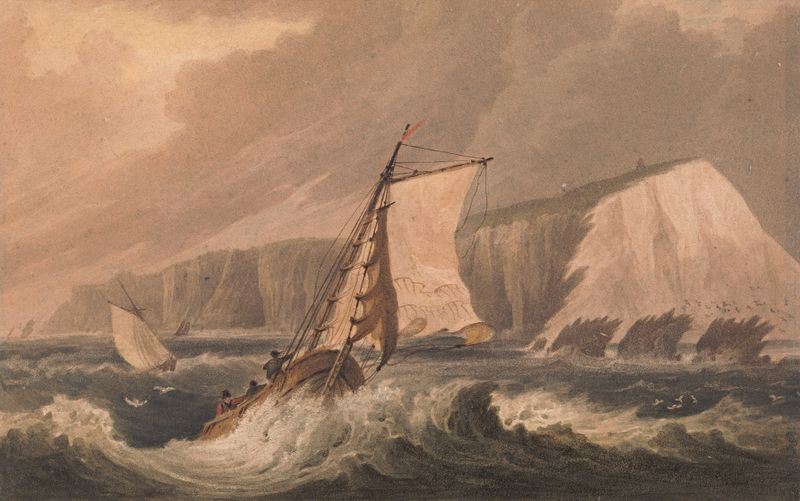
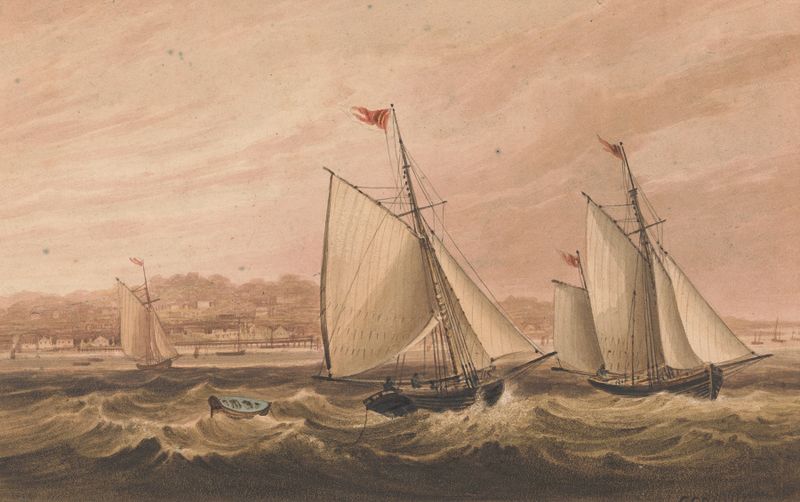
What if beauty was never meant to be finished? The delicate interplay of nature and illusion in Undercliff, Isle of Wight invites us to ponder the transient essence of the landscape, where the boundaries between reality and imagination blur. Look closely at the sweeping horizon where the sky meets the sea; the vibrant blues and greens create a harmonious dance of color. Notice how the light bathes the cliffside, casting shadows that evoke depth and texture. The meticulous brushstrokes lead the eye across the canvas, guiding us from the lush foreground, with its rich foliage, to the ethereal clouds, suggesting a world both tangible and dreamlike. Hidden within this serene vista are echoes of isolation and contemplation.
The cliffs, majestic yet imposing, symbolize the barriers between man and nature, while the gentle waves whisper of a distant freedom. As the viewer connects with these tensions, they may sense the ephemeral beauty that lingers just out of reach, challenging the notion of permanence in both art and life. Frederick Calvert created this work during a time when the Romantic movement was influencing artists to explore nature's beauty and its emotional resonance. Although the exact date remains unknown, Calvert's focus on the Isle of Wight reflects a period of personal exploration and artistic growth.
The tranquil scenery offers a striking contrast to the tumultuous changes occurring in the art world, as artists began to embrace impressionism and new forms of expression.