Ryde, Isle of Wight — History & Facts
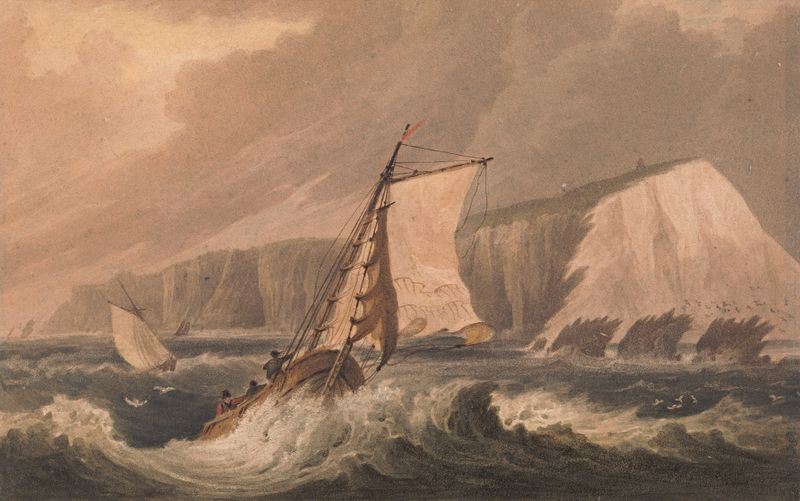
Did the painter know this moment would outlive them? In Ryde, Isle of Wight, the essence of movement captures not just a scene, but a fleeting heartbeat of life that invites us to linger. Focus first on the vibrant strokes that delineate the water, where the waves undulate in rhythm with the wind. Look closely at the boats, their sails billowing, painted in crisp whites and soft blues that vibrate against the sunlit backdrop. The scene breathes with energy, as the brushwork conveys not merely the appearance of the moment but its very pulse, a dynamic dance between sky and sea. Beneath this vibrant surface lies a contrast between tranquility and motion.
The stillness of the shoreline, where figures dot the sand, juxtaposes the active chaos of the boats swirling on the water. This tension evokes a deeper emotional resonance: the eternal pull of adventure against the comfort of home. There’s a whisper of nostalgia here, a reminder that every fleeting moment holds the potential for memory, and each brushstroke becomes a story suspended in time. Created during a period of burgeoning interest in maritime subjects, the artist painted this scene in a time where coastal towns were transforming into leisure destinations.
Frederick Calvert’s work reflects the aspirations of a Victorian society eager to capture beauty in everyday life, navigating the intersection between nature and human experience. The era, marked by rapid industrial change, infused his landscapes with both reverence and the spirit of progress, an invitation to embrace the movement of time itself.