The Needles, Isle of Wight — History & Facts
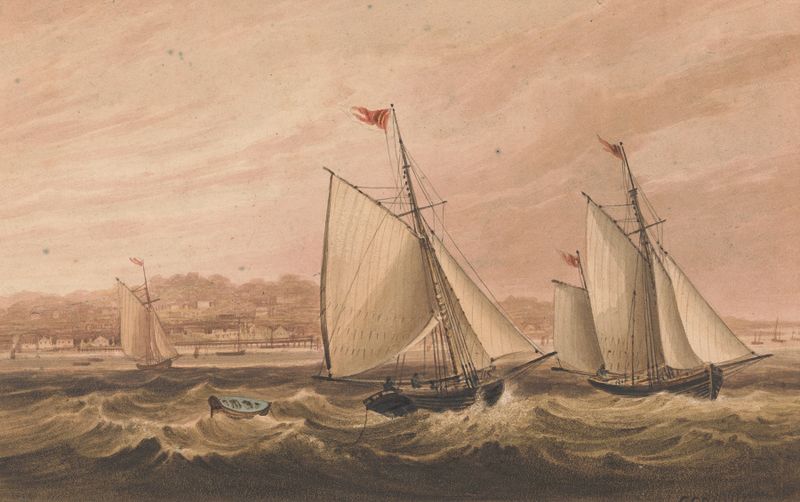
What lies beneath the surface of beauty? In the delicate strokes of this landscape, the viewer is beckoned to explore the depths of betrayal hidden in the tranquil hues of nature. Look to the horizon where the jagged cliffs of the Isle of Wight rise sharply against the soft embrace of the sea. A muted palette of blues and greens sweeps across the canvas, inviting the eye to linger on the contrasting textures of the rugged rocks and the gentle waves lapping at their base. The sunlight, dappled and fleeting, plays upon the water, creating a shimmering dance that captures a fleeting moment in time, yet hints at a deeper, unsettling calm beneath the surface. The juxtaposition of the serene landscape against the formidable cliffs serves as a metaphor for unspoken turmoil.
The stillness of the water belies the strength of the rocks, suggesting hidden conflicts within nature itself. As the viewer immerses themselves in the scene, they may sense a feeling of isolation, as if the beauty before them is both a refuge and a reminder of nature’s indifference to human vulnerability and betrayal. At an undetermined time, Frederick Calvert captured this scene, likely influenced by the Romantic era’s fascination with the sublime power of nature. His work resonates with the artistic milieu of the late 19th century, a period marked by dramatic shifts in both art and society, where the natural world often reflected human emotions and struggles.
Calvert’s ability to convey complex feelings through landscape painting speaks to the rich undercurrents of his artistic journey amidst the changing tides of his era.