Discover insights about this artwork
Cushion of an Armchair — History & Facts
In Cushion of an Armchair, Paul Cézanne presents a close-up view of a plush armchair adorned with a vibrant cushion. The colors are rich and varied, featuring deep reds, greens, and browns that create a warm atmosphere. The setting is intimate, inviting the viewer to appreciate the details of domestic life.
The brushstrokes are visible, adding texture and depth to the fabric of the cushion. Cézanne employs oil on canvas for this work, a medium that allows for both vivid color and intricate detail. The dimensions of the painting are approximately 65 x 81 cm, making it a substantial piece that commands attention. The composition is carefully arranged, focusing on the interplay of light and shadow across the cushion's surface.
This technique is characteristic of Cézanne's style, emphasizing form and structure. Created in the late 19th century, Cushion of an Armchair reflects Cézanne's interest in still life and interior scenes. This work is part of a broader exploration of everyday objects, showcasing his ability to transform the mundane into something visually compelling. An interesting fact about this painting is that it exemplifies the transition from Impressionism to Post-Impressionism, highlighting Cézanne's unique approach to color and composition.
More Artworks by Paul Cézanne
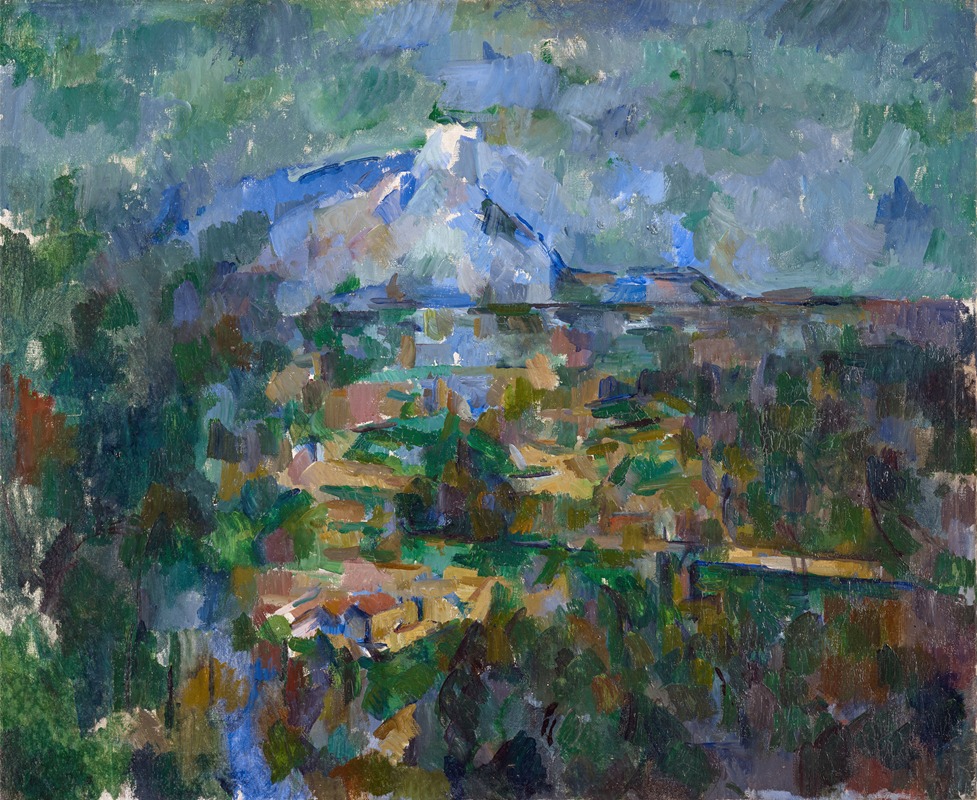
The Mont Sainte-Victoire Seen From Les Lauves
Paul Cézanne
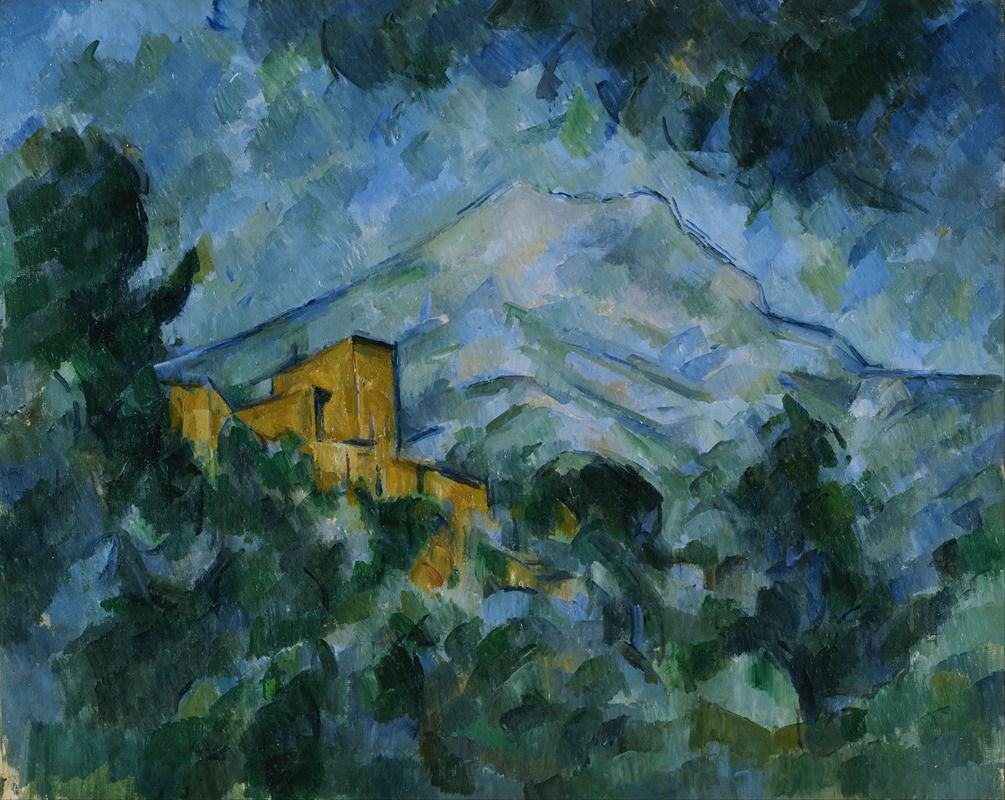
Mont Sainte-Victoire and Château Noir
Paul Cézanne
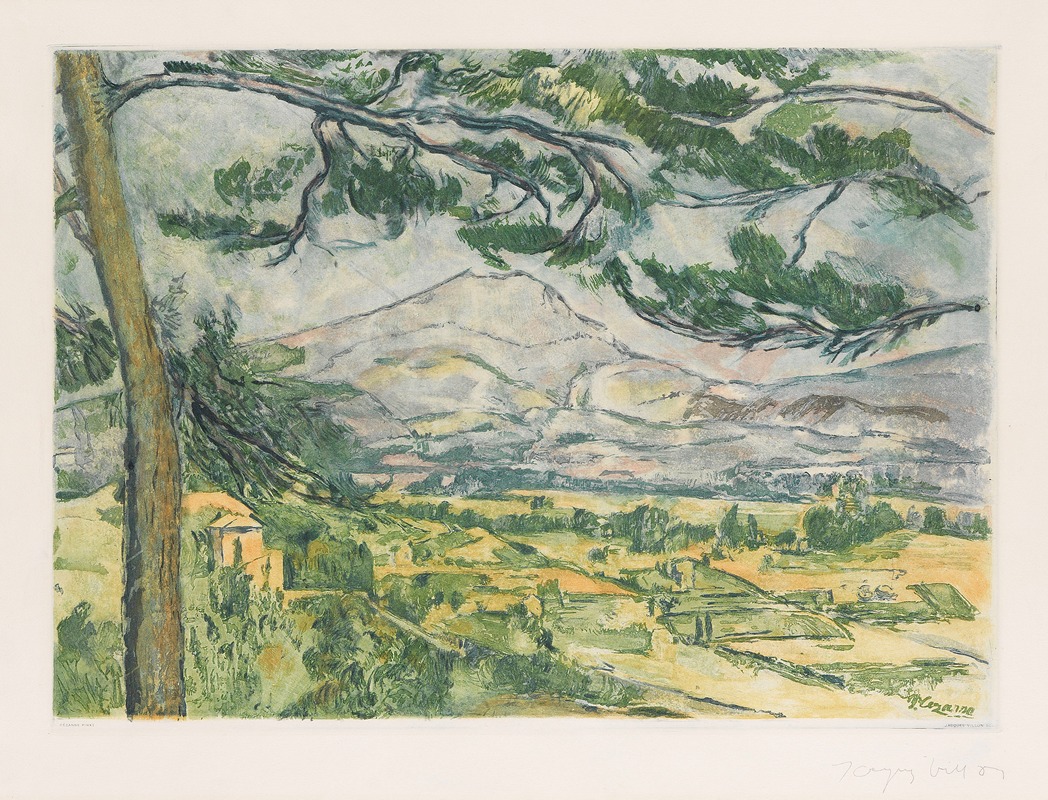
La Montagne Sainte-Victoire
Paul Cézanne
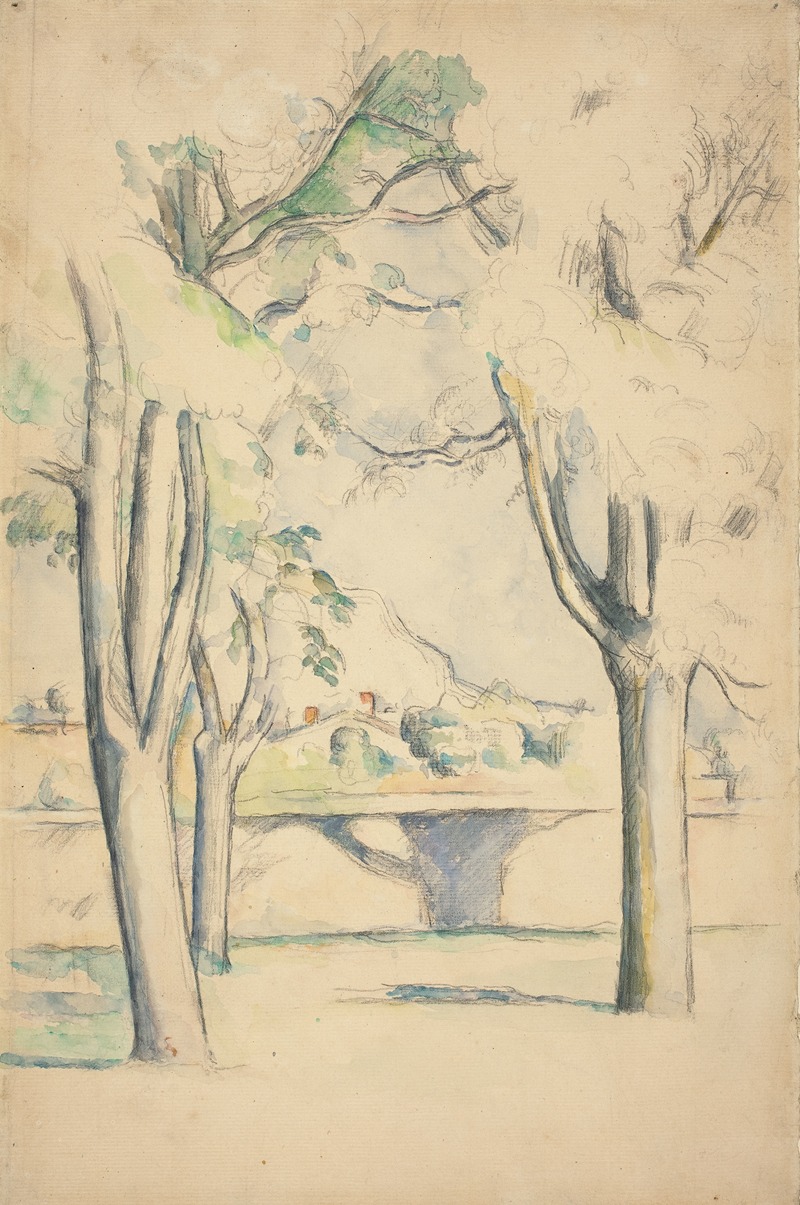
Mont Sainte-Victoire Seen beyond the Wall of the Jas de Bouffan
Paul Cézanne
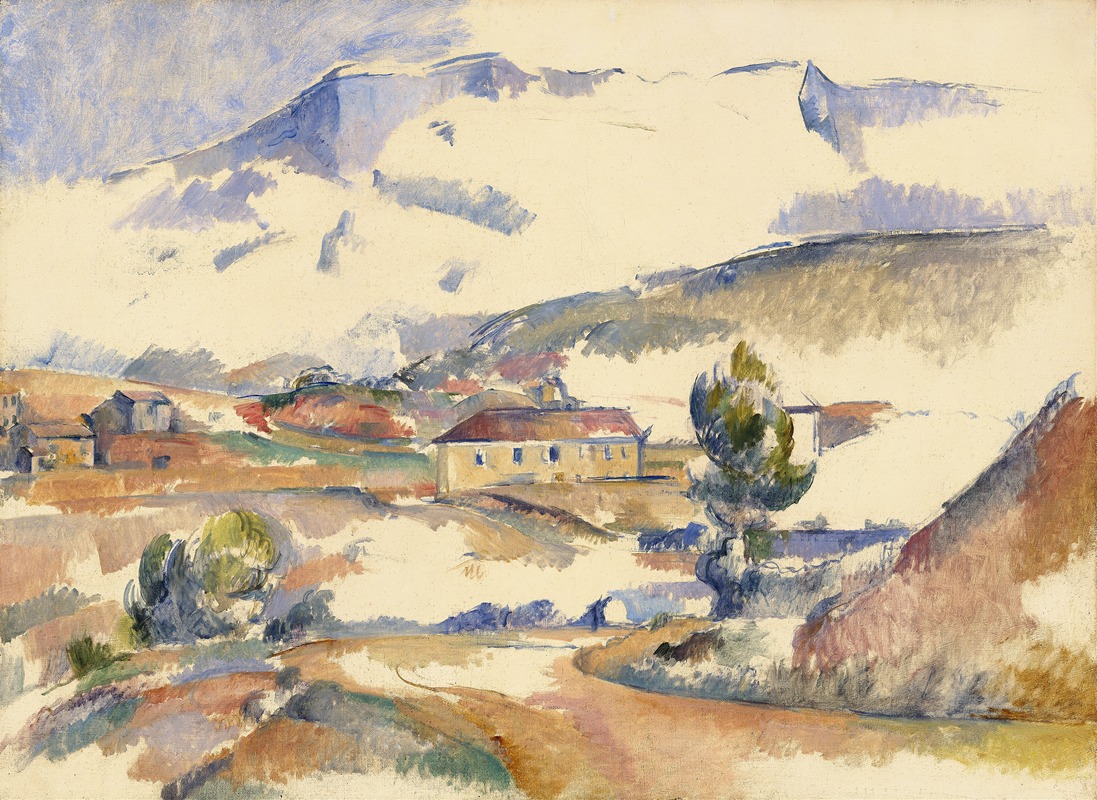
Montagne Sainte-Victoire,from near Gardanne
Paul Cézanne
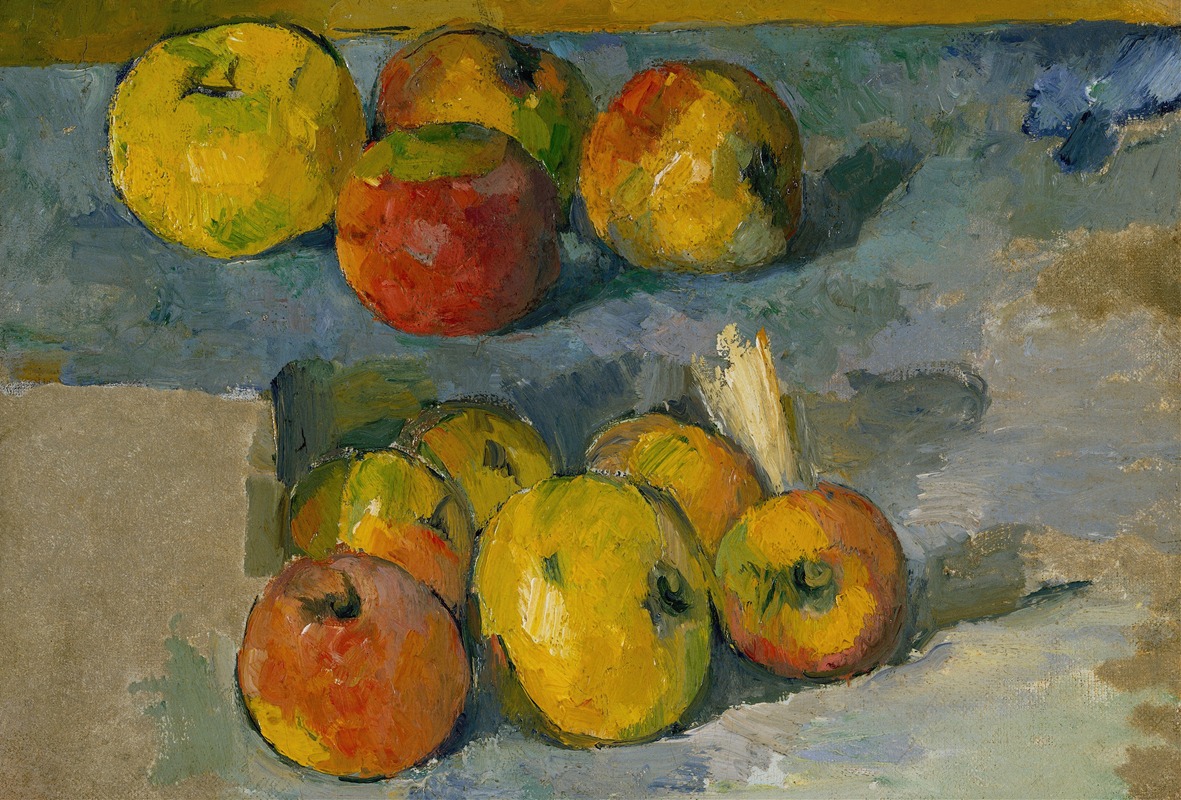
Apples
Paul Cézanne
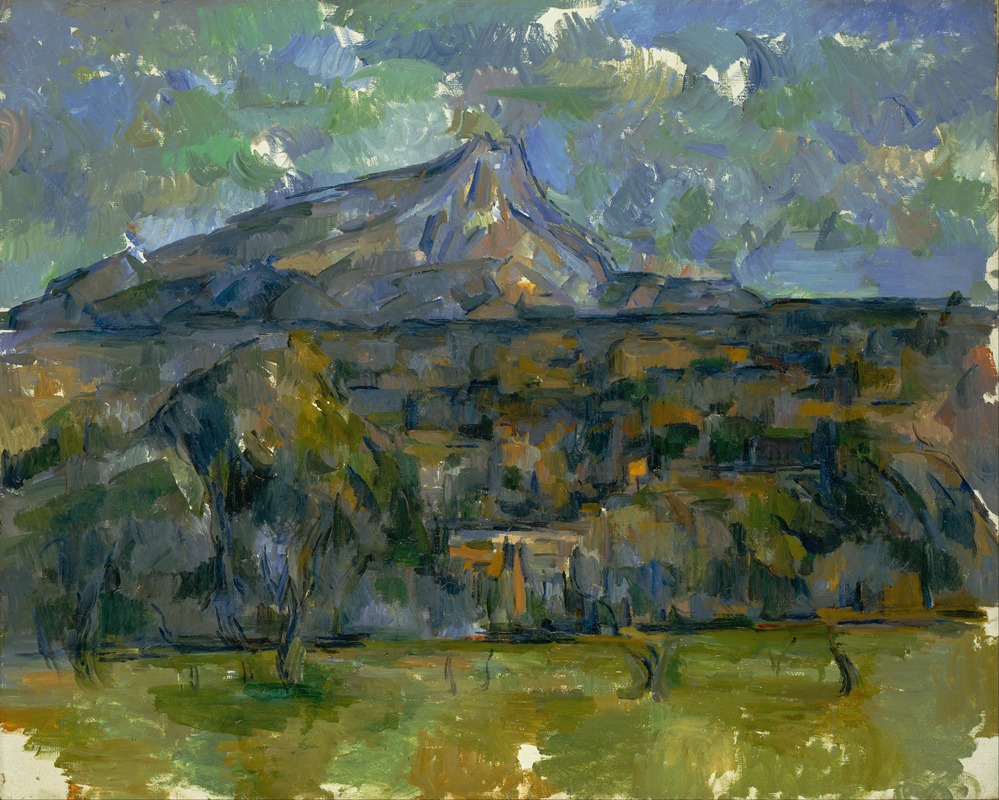
Mont Sainte-Victoire
Paul Cézanne
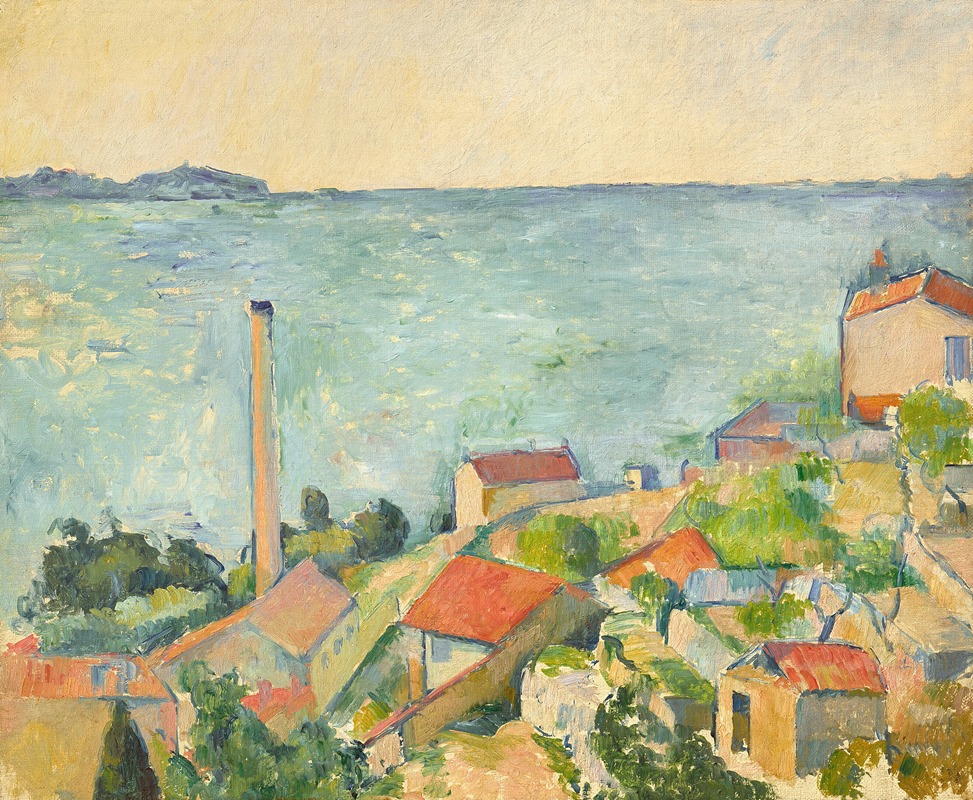
La mer à l’Estaque
Paul Cézanne
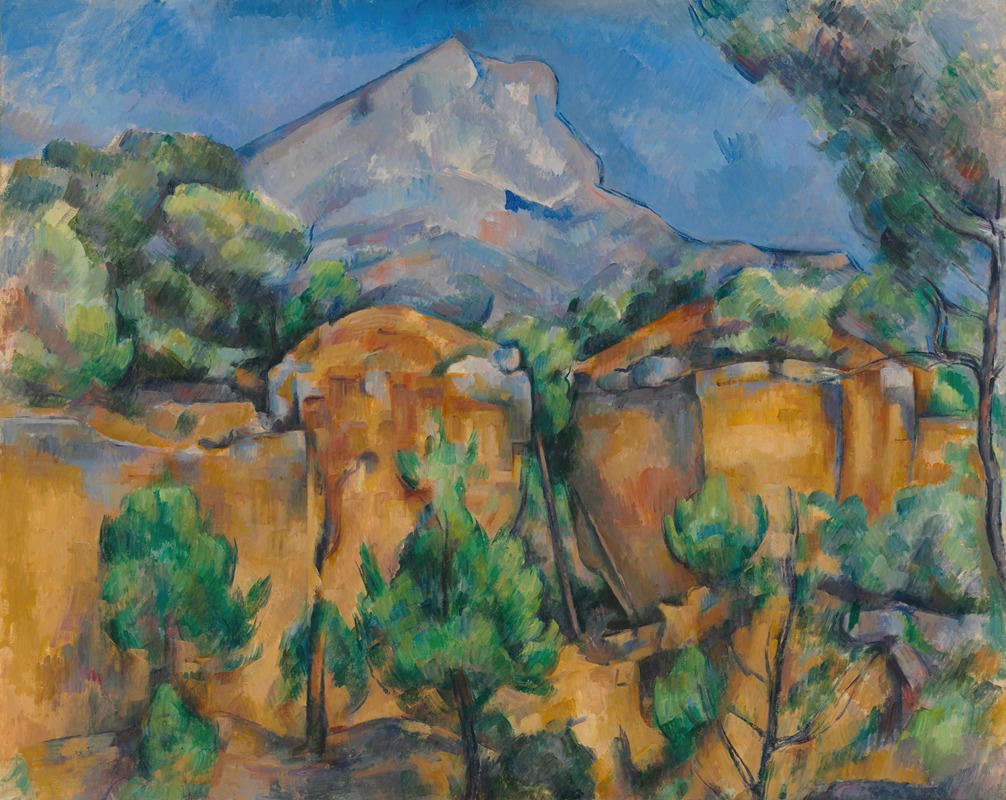
La Montagne Sainte-Victoire vue de la carrière Bibémus
Paul Cézanne
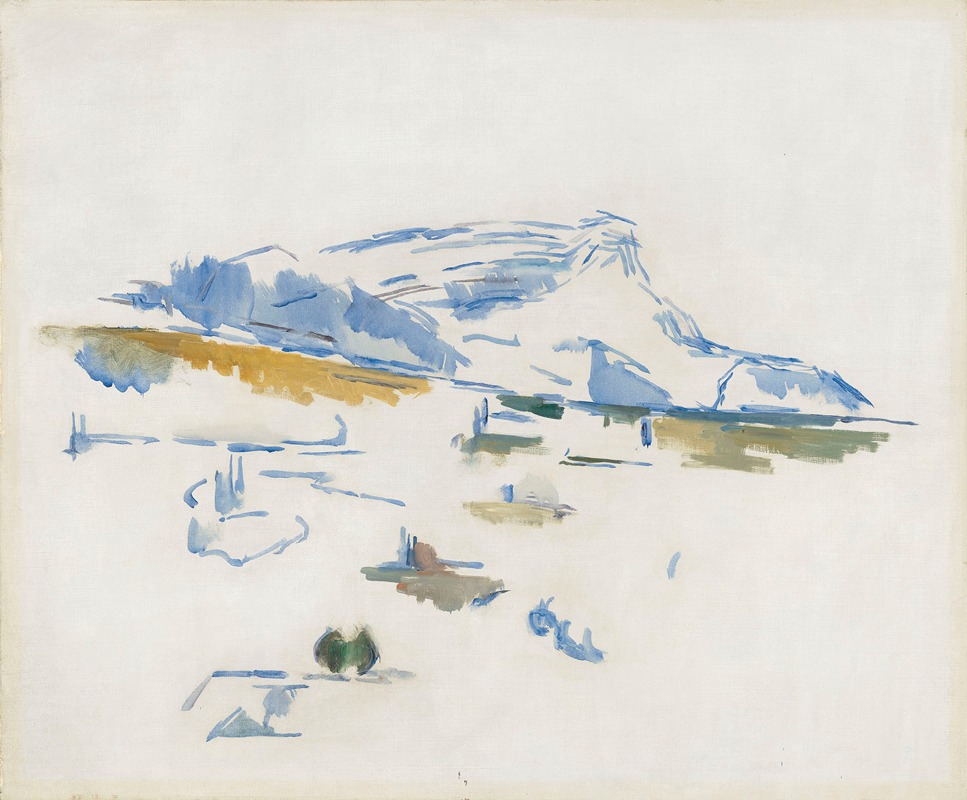
La Montagne Sainte-Victoire vue des Lauves
Paul Cézanne