
Cut down oak — History & Facts
What if silence could speak through light? In Cut down oak, the haunting emptiness of a felled tree resonates deeply, challenging us to confront loss and absence. Look to the left at the gnarled stump, its jagged edges contrasting with the smooth, fallen trunk. Notice how the dappled sunlight filters through the surrounding foliage, illuminating the scene with a soft, ethereal glow. This interplay of light and shadow reveals the intricate textures of the wood and the lush greenery that encircles it, hinting at life persisting amidst destruction.
The composition, carefully balanced, draws the eye to the stark central subject while the surrounding trees stand sentinel, their presence a reminder of what once was. Within this serene yet somber landscape lies a poignant commentary on nature’s fragility. The fallen oak, once a towering symbol of strength, now lies vulnerable, evoking a profound sense of loss. Shishkin’s choice of palette, predominantly earthy tones with hints of vibrant greens, underscores the contrast between life and death, renewal and decay, inviting viewers to reflect on our relationship with nature.
The stillness of the moment captures the emotional weight of transformation, infusing the scene with a contemplative depth. In the 1890s, Shishkin was deeply engaged in capturing the essence of the Russian wilderness, creating works that celebrated the beauty and complexity of nature. During this period, he was grappling with both personal challenges and the burgeoning art movements in Russia that sought to redefine artistic expression. Cut down oak stands as a testament to his dedication to portraying the natural world, while simultaneously addressing the inevitable cycle of life and the beauty found within its quiet, unspoken moments.
More Artworks by Ivan Ivanovich Shishkin
Browse all →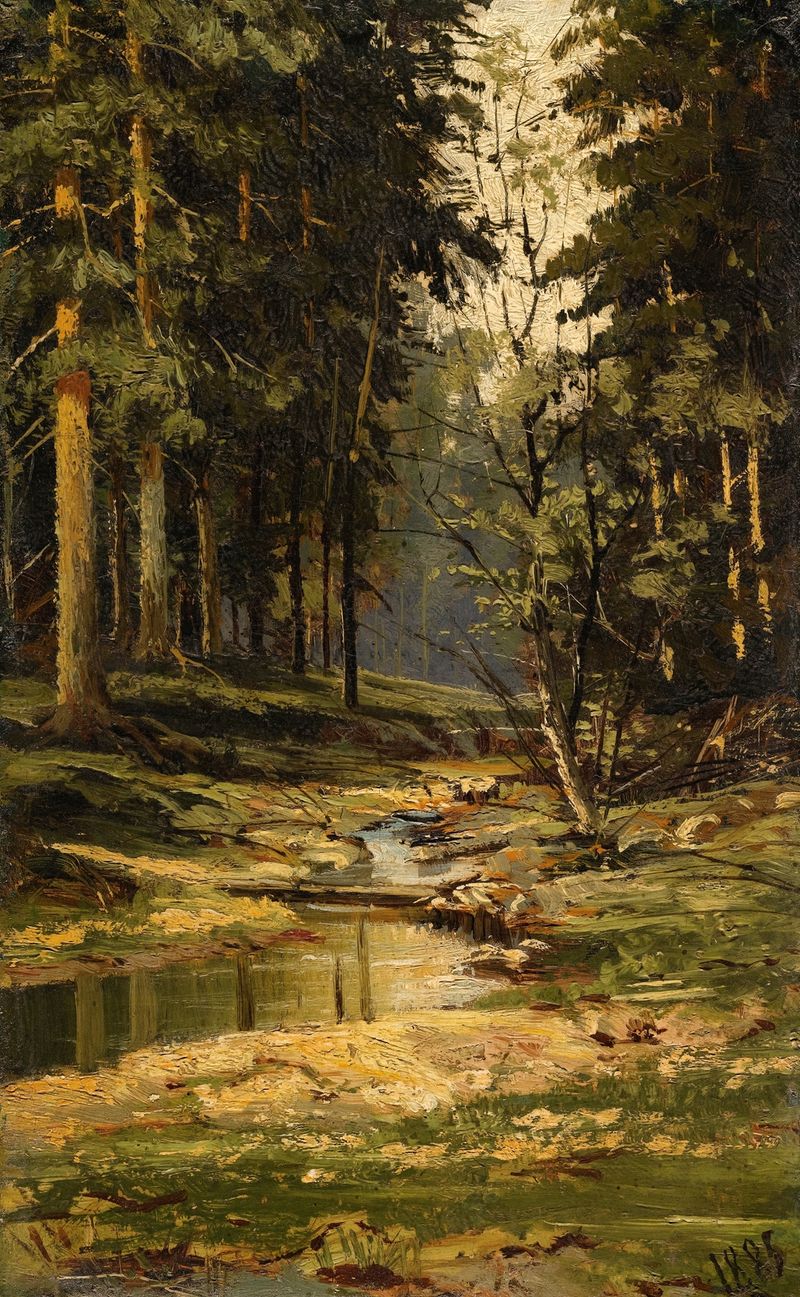
Forest Brook
Ivan Ivanovich Shishkin
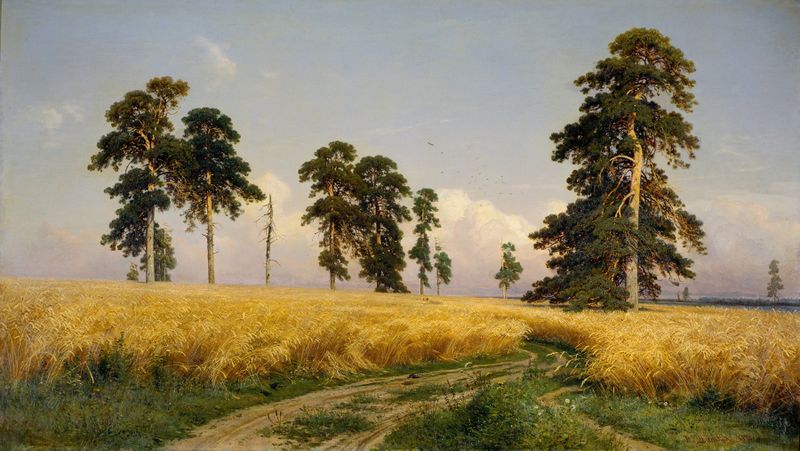
Rye Fields
Ivan Ivanovich Shishkin
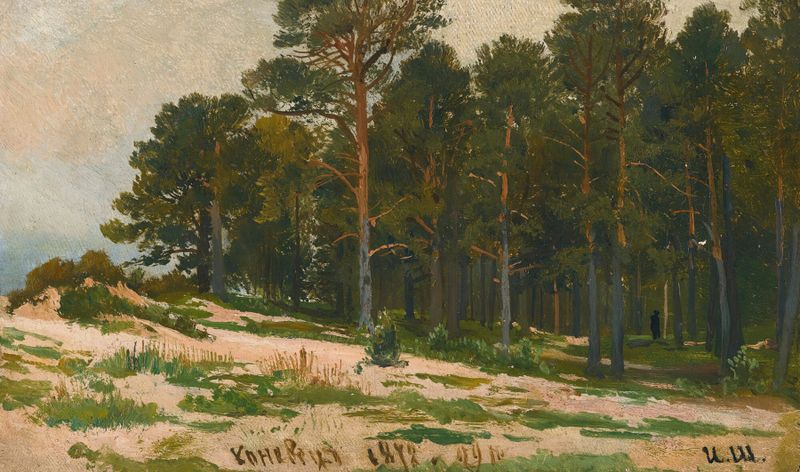
Pine Forest
Ivan Ivanovich Shishkin
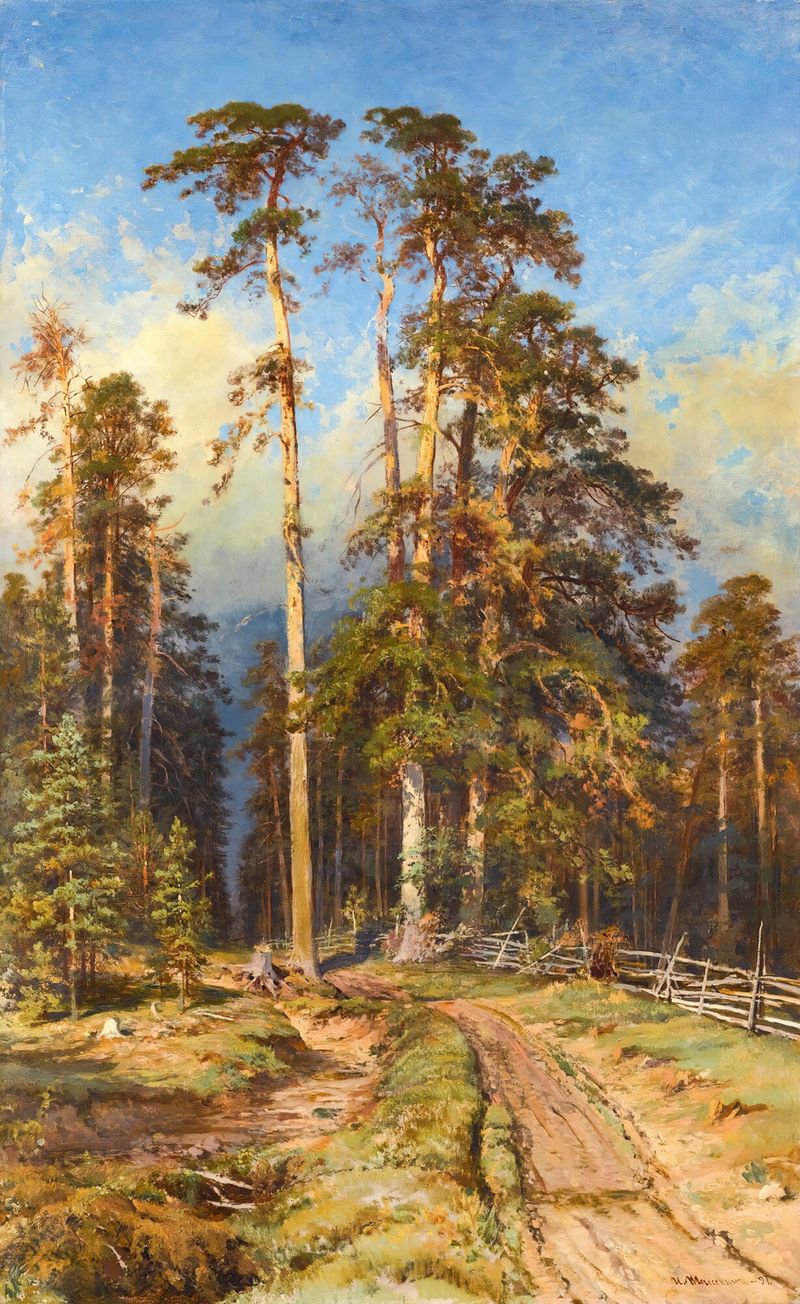
Pine Forest
Ivan Ivanovich Shishkin
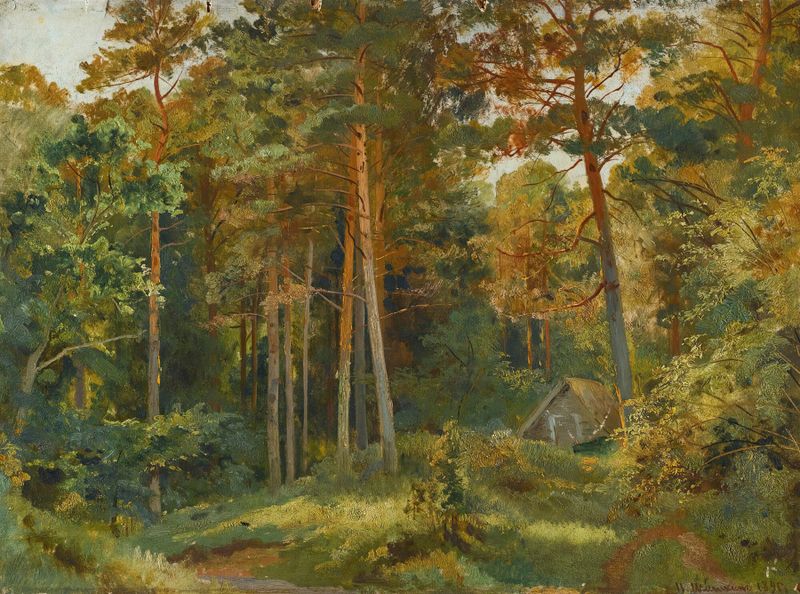
The Mill In The Forest
Ivan Ivanovich Shishkin
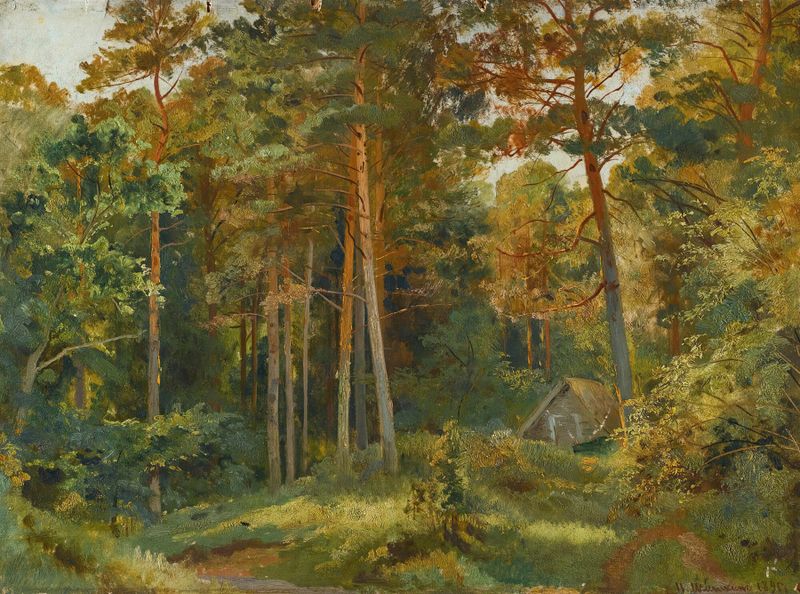
The Mill In The Forest
Ivan Ivanovich Shishkin
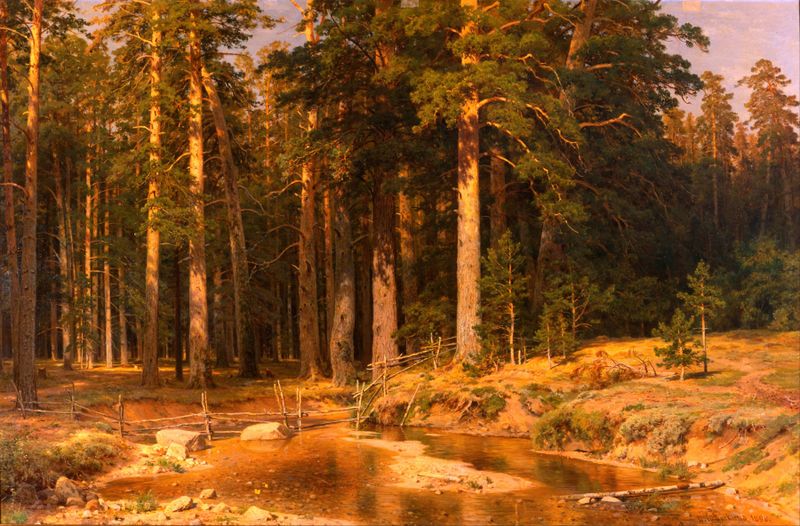
Mast-Tree grove
Ivan Ivanovich Shishkin
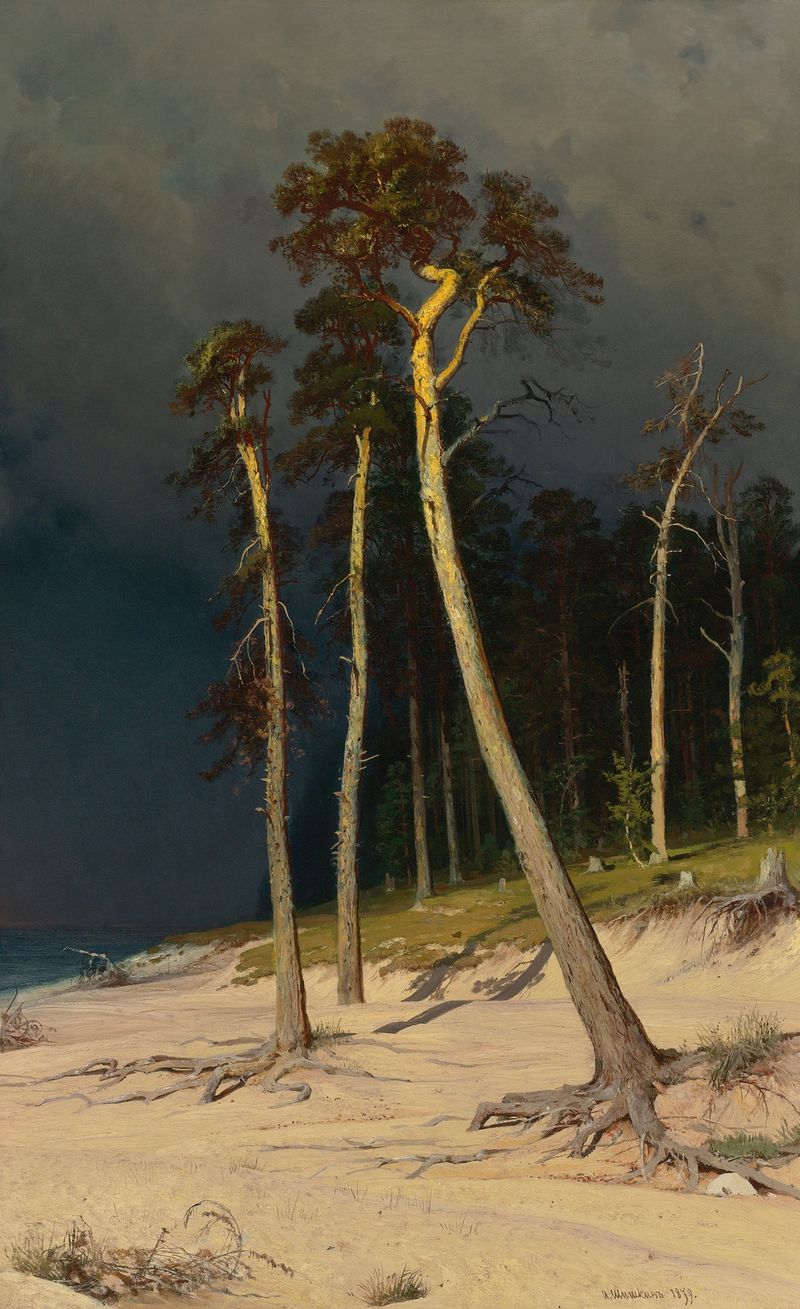
Sandy Coastline
Ivan Ivanovich Shishkin
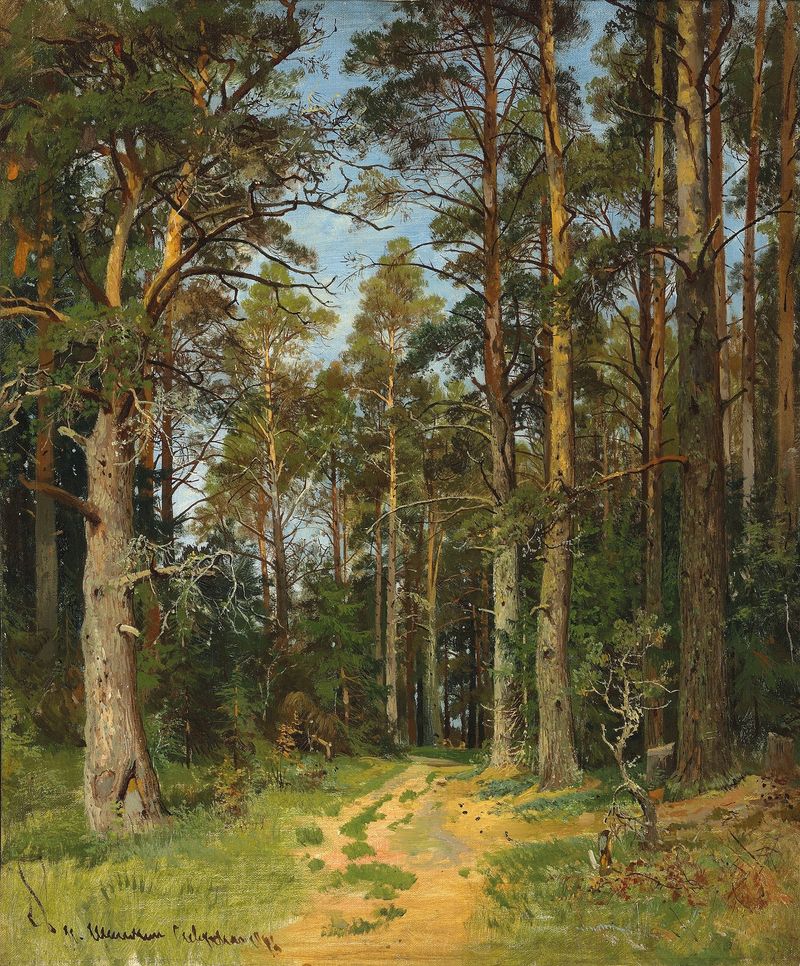
Siverskaya
Ivan Ivanovich Shishkin
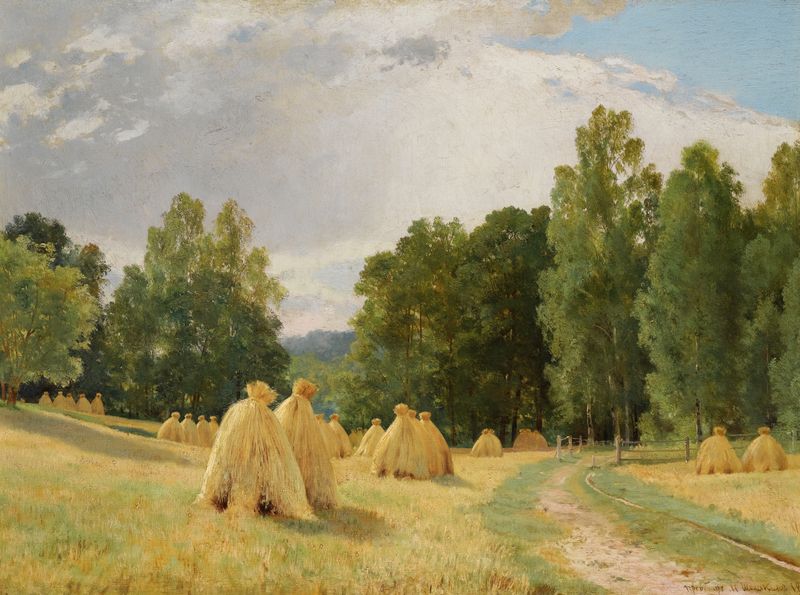
Haystacks, Preobrazhenskoe
Ivan Ivanovich Shishkin





