
Siverskaya — History & Facts
Could beauty survive in a century of chaos? In Siverskaya, the answer seems to linger in the quiet whispers of nature, where solitude nestles within the embrace of towering trees. Focus on the dense forest that envelops the composition, where majestic trunks rise and intertwine like sentinels guarding a hidden world. Notice how the interplay of light and shadow creates a tapestry of greens and browns, inviting the viewer to wander deeper into the foliage. The meticulous brushwork captures every leaf and blade of grass, instilling a sense of stillness that contrasts sharply with the turmoil one might expect from the world beyond the canvas. The painting encapsulates a profound tension between beauty and isolation.
Each element, from the soft curves of the landscape to the distant, almost ghostly hints of a human presence, evokes an overwhelming sense of loneliness. The tranquil waters reflect not only the serene sky but also the poignant idea that nature, in its splendor, stands resilient, untouched by the chaos of human existence. There’s a story of survival here, a reminder that even in solitude, beauty perseveres. Ivan Ivanovich Shishkin painted Siverskaya in 1896, during a period marked by both artistic innovation and societal upheaval in Russia.
Engaged in the burgeoning landscape movement, he sought to capture the essence of the Russian wilderness, influenced by his deep reverence for nature. At this time, Shishkin was solidifying his reputation as a master of realism, emphasizing the intricate relationship between humanity and the natural world amid the changes sweeping his homeland.
More Artworks by Ivan Ivanovich Shishkin
Browse all →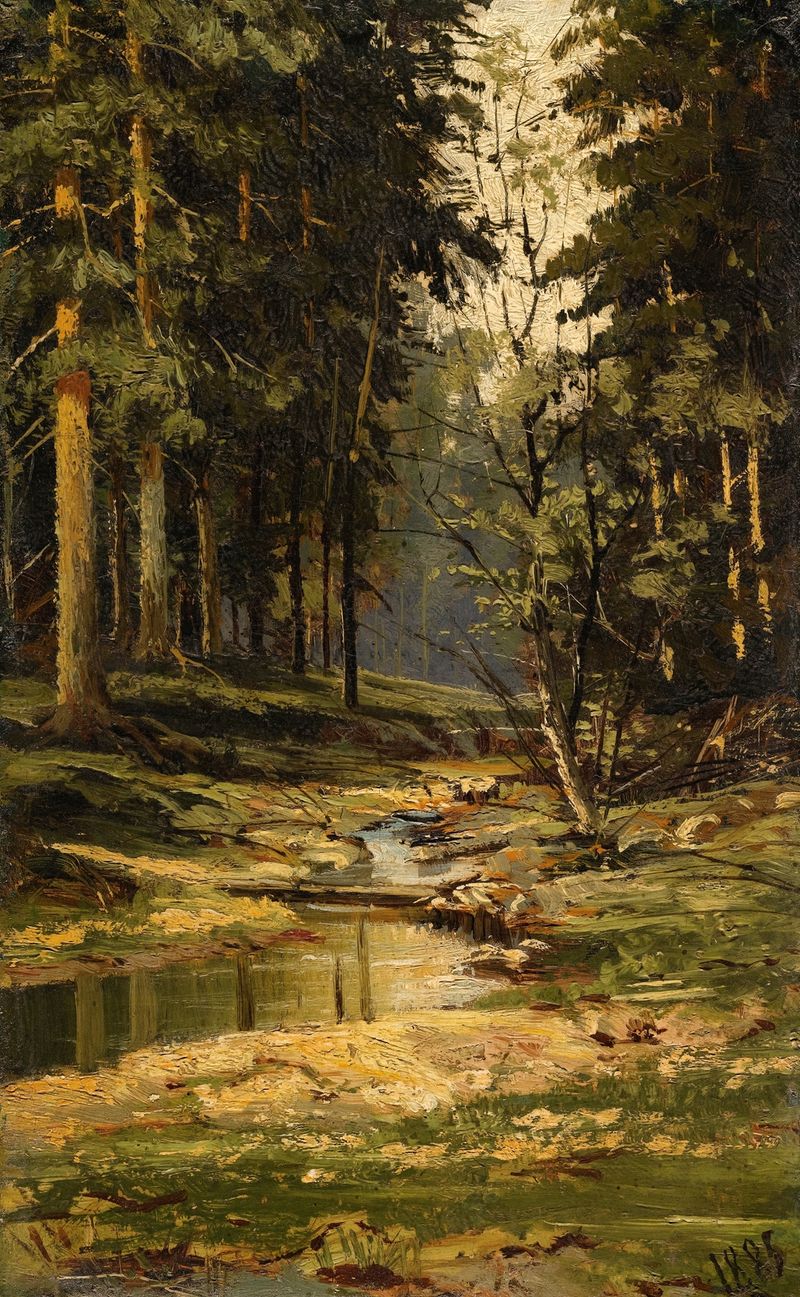
Forest Brook
Ivan Ivanovich Shishkin
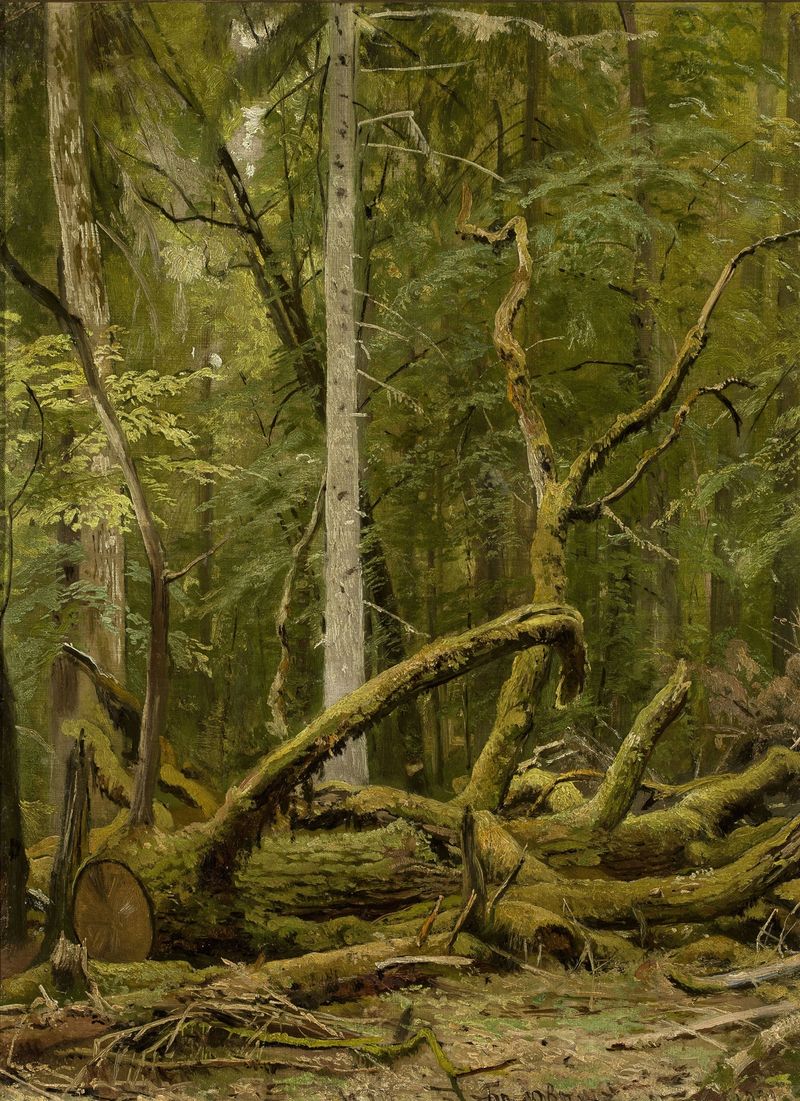
Cut down oak
Ivan Ivanovich Shishkin
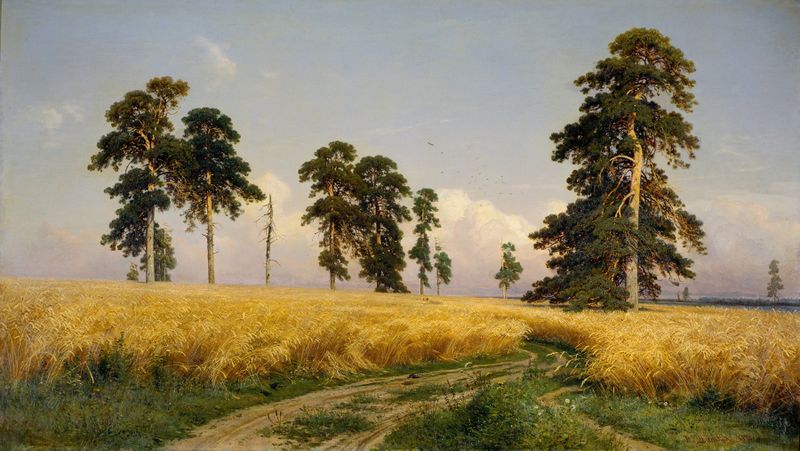
Rye Fields
Ivan Ivanovich Shishkin
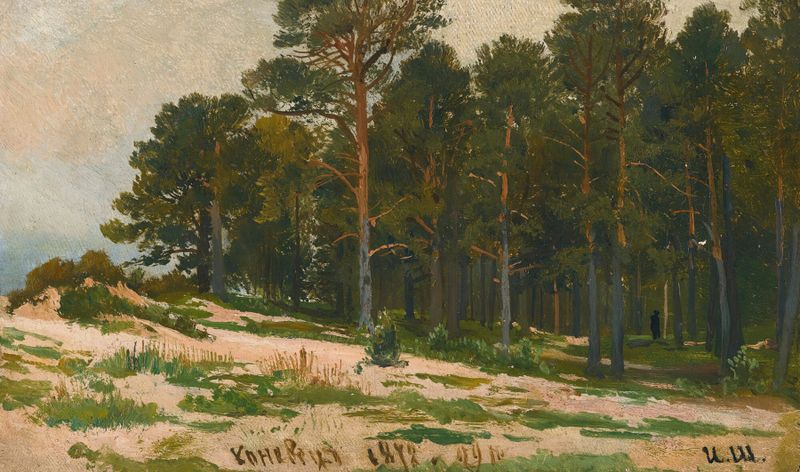
Pine Forest
Ivan Ivanovich Shishkin
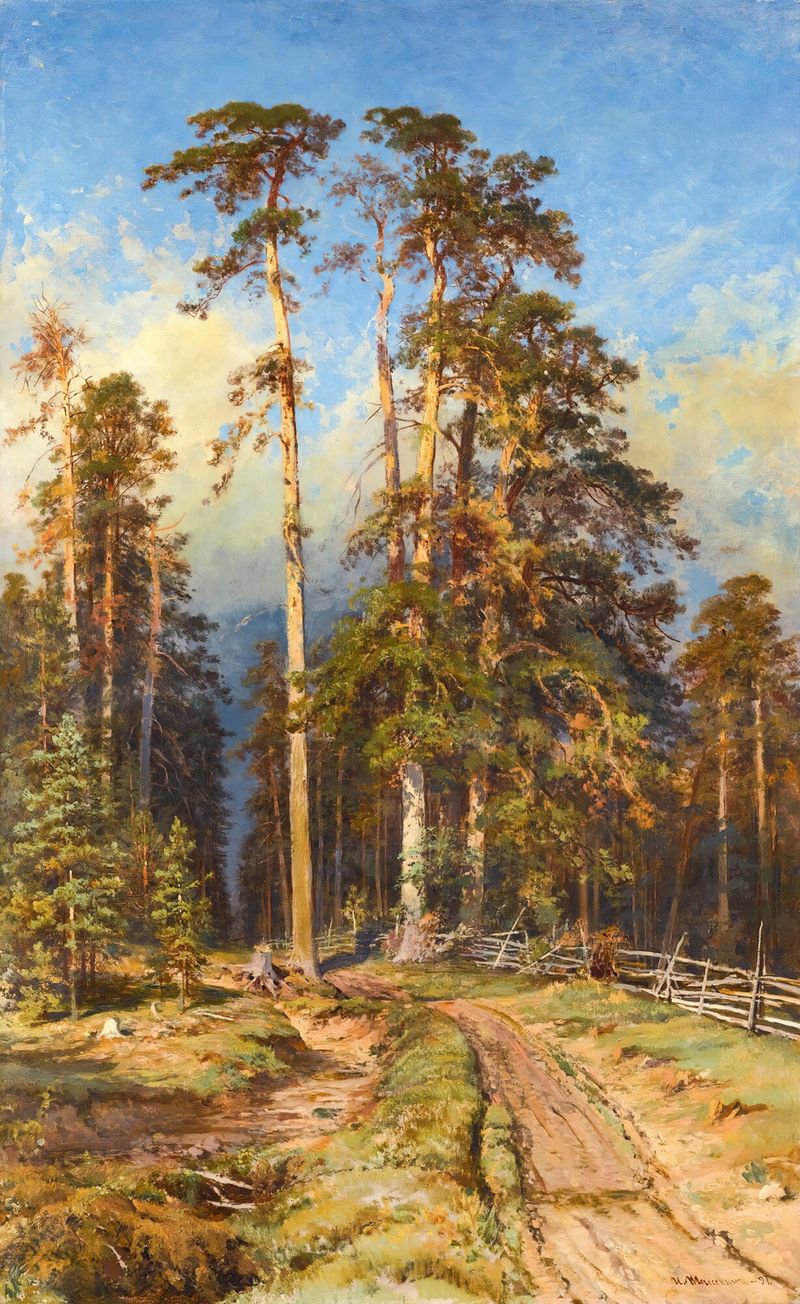
Pine Forest
Ivan Ivanovich Shishkin
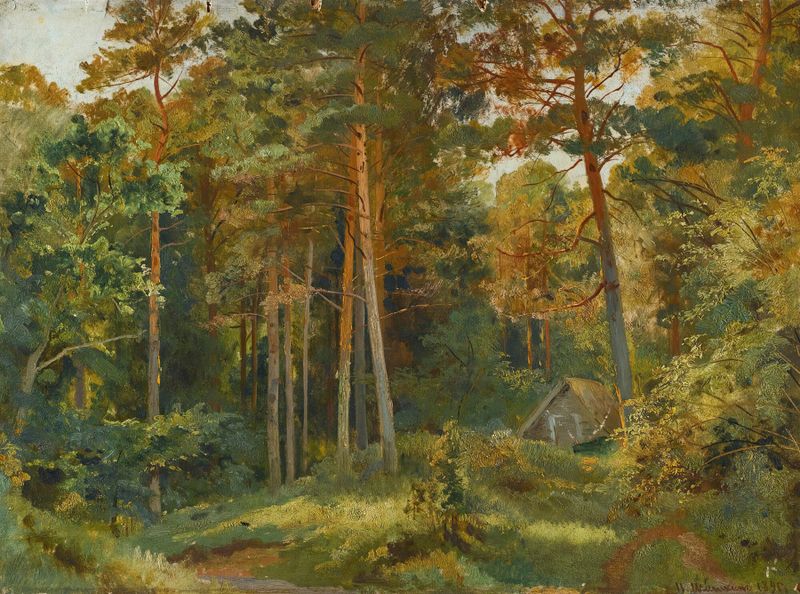
The Mill In The Forest
Ivan Ivanovich Shishkin
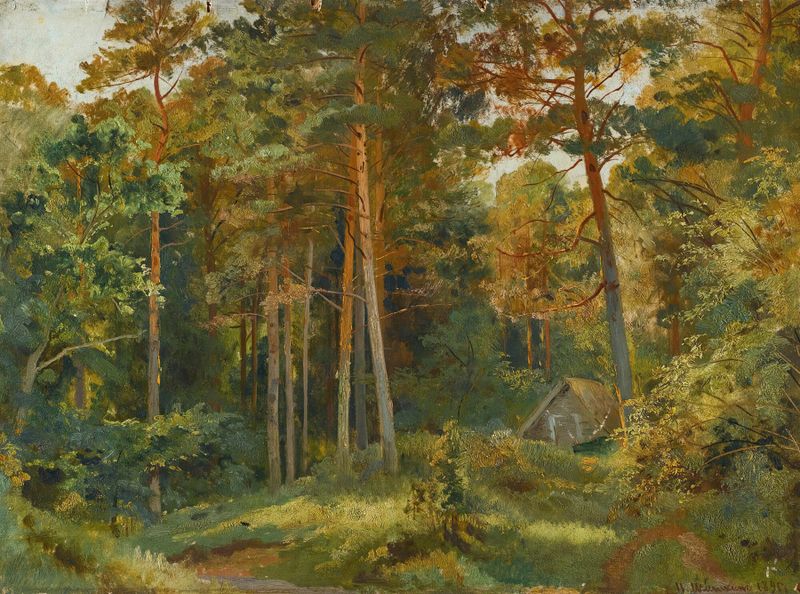
The Mill In The Forest
Ivan Ivanovich Shishkin
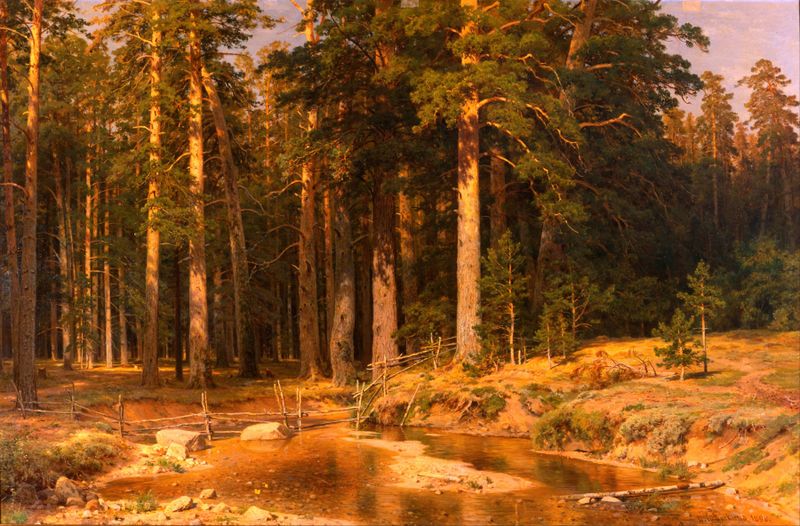
Mast-Tree grove
Ivan Ivanovich Shishkin
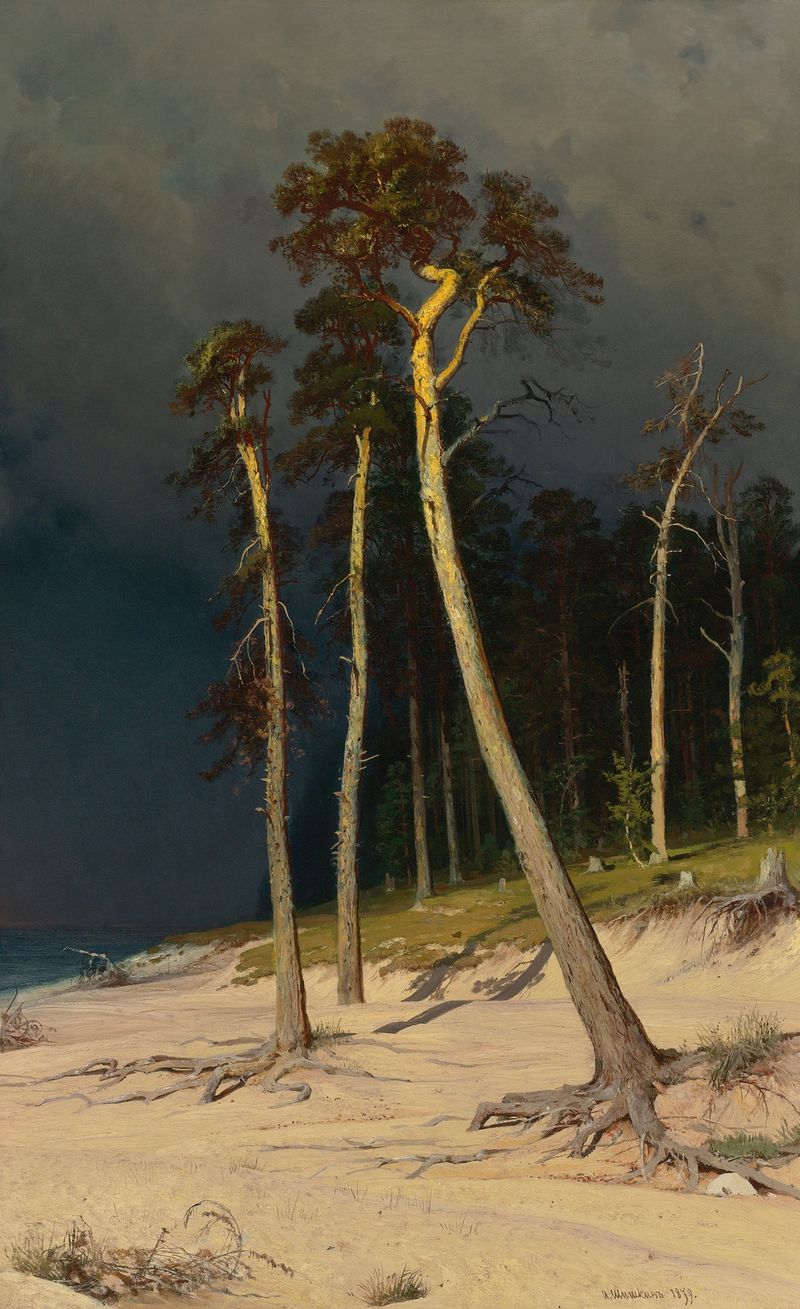
Sandy Coastline
Ivan Ivanovich Shishkin
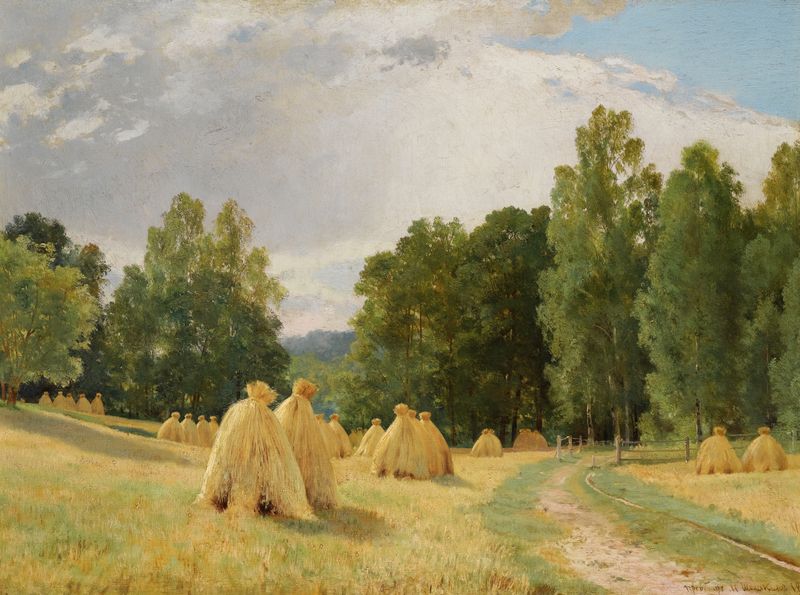
Haystacks, Preobrazhenskoe
Ivan Ivanovich Shishkin





