
The Mill In The Forest — History & Facts
In The Mill In The Forest, viewers are drawn into an illusionary world where nature intertwines seamlessly with human enterprise, challenging our perceptions of the natural and the constructed. Look to the left at the rustic mill, nestled among the towering trees. Its wooden structure, weathered and robust, seems to breathe with the surrounding landscape, as dappled sunlight filters through the canopy above, casting gentle shadows on the earth. Notice how the vibrant greens of the foliage contrast with the earthy browns of the mill, creating a harmonious balance that invites contemplation of coexistence.
The artist’s meticulous attention to detail reveals the texture of the bark and the delicate play of light, giving life to the scene. Within this picturesque composition lies a tension between tranquility and industriousness. The flowing river symbolizes the passage of time, yet it also whispers of erosion and change, emphasizing the fragility of both nature and man's creations. Small figures at the mill, perhaps workers or passersby, hint at life’s rhythm amidst the stillness, evoking a sense of nostalgia for a simpler existence.
The illusion of depth created by the layered trees draws the viewer into a meditative state, reflecting on our relationship with the environment. In 1896, when this work was completed, Shishkin was firmly established in the Russian art scene, known for his masterful landscapes that celebrated nature. At this time, the country was experiencing significant social and political changes, moving towards a more modern era. This backdrop influenced his desire to capture the essence of the natural world, highlighting the delicate balance between humanity and the wilderness that both sustains and inspires us.
More Artworks by Ivan Ivanovich Shishkin
Browse all →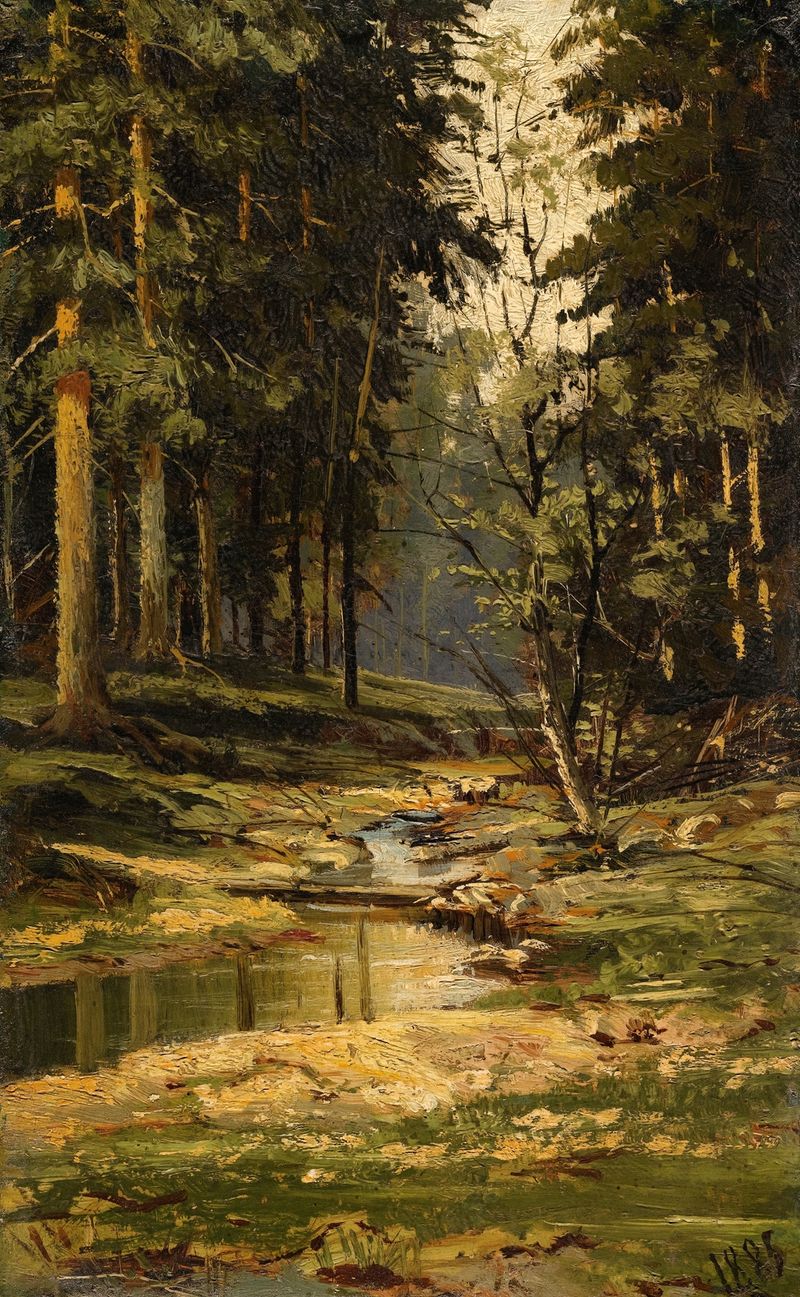
Forest Brook
Ivan Ivanovich Shishkin
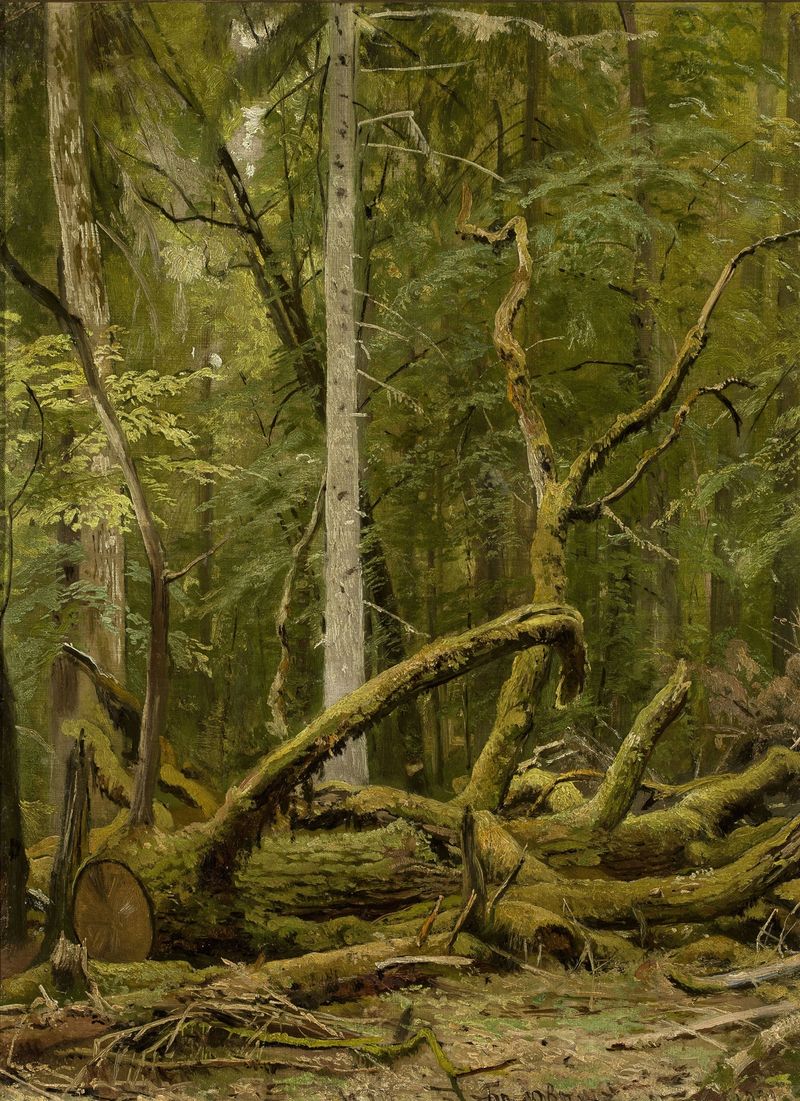
Cut down oak
Ivan Ivanovich Shishkin
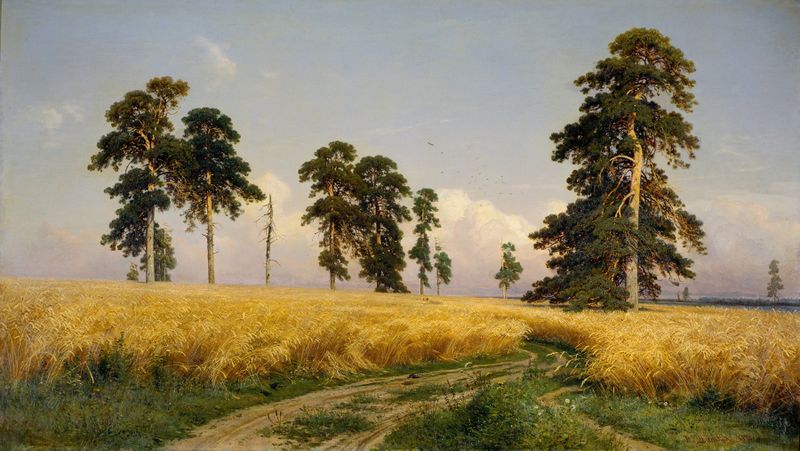
Rye Fields
Ivan Ivanovich Shishkin
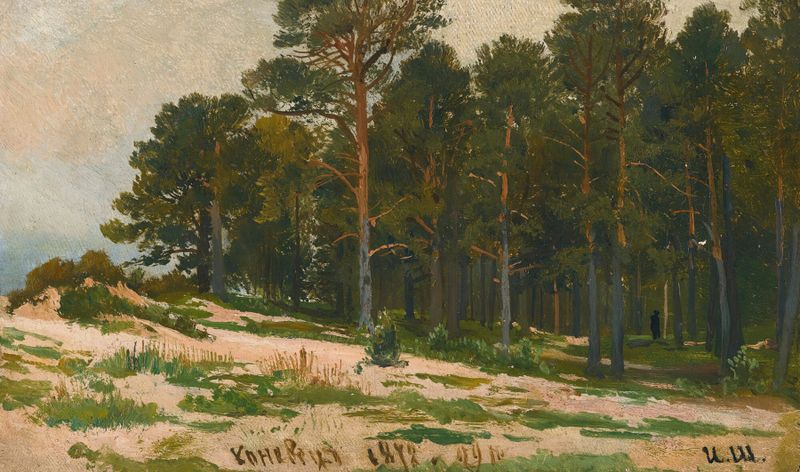
Pine Forest
Ivan Ivanovich Shishkin
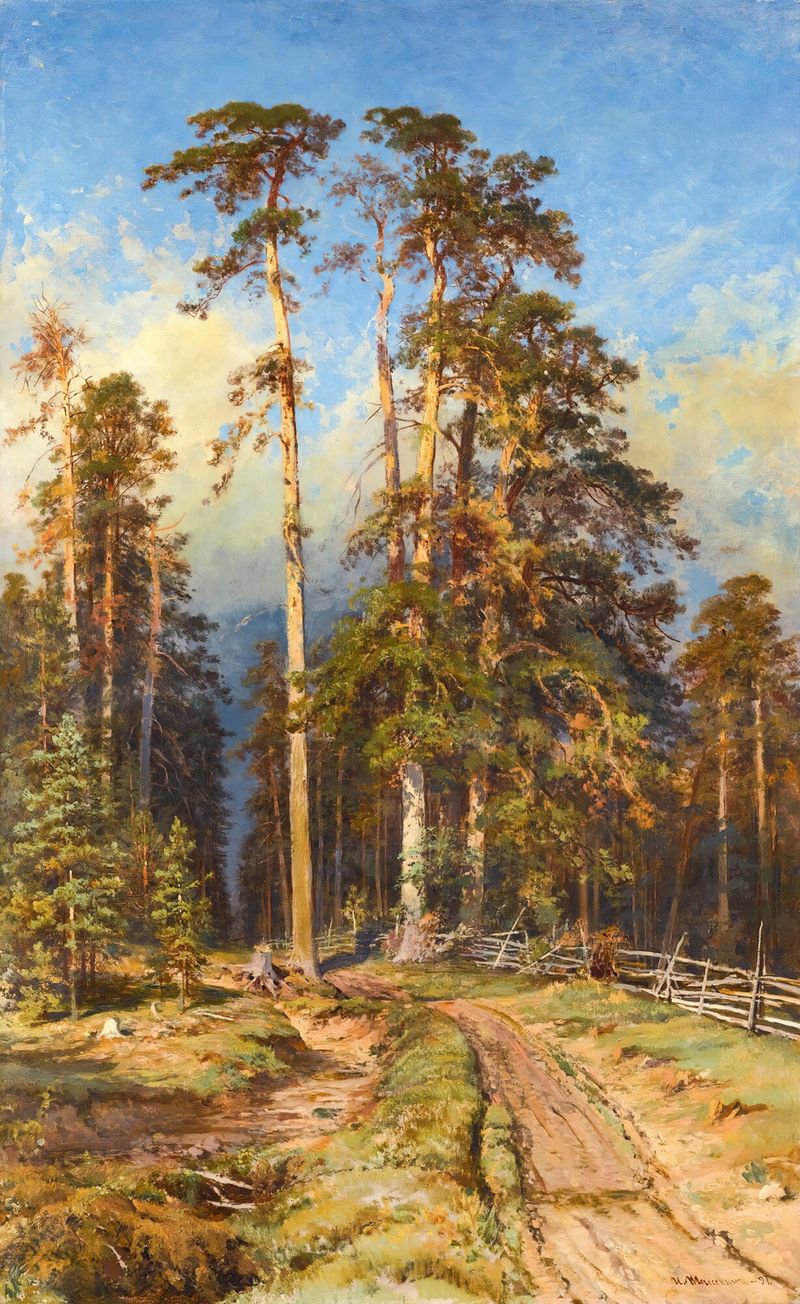
Pine Forest
Ivan Ivanovich Shishkin
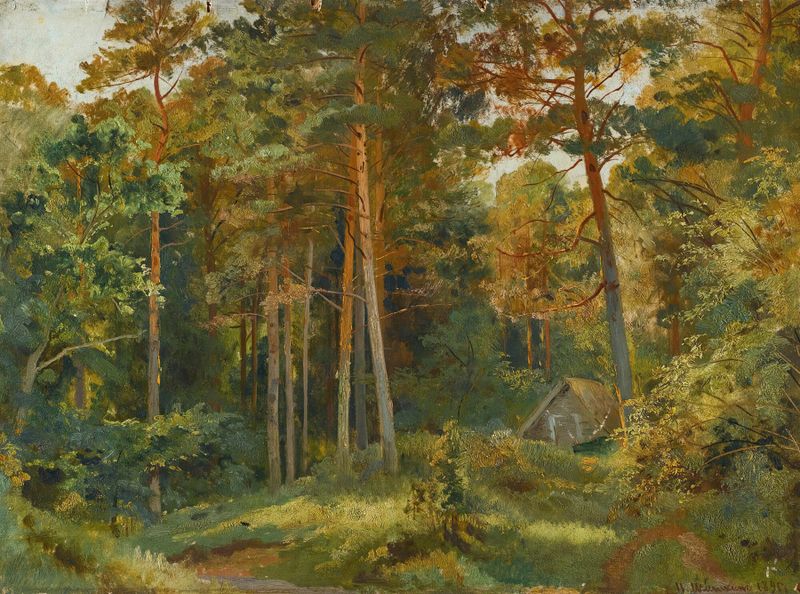
The Mill In The Forest
Ivan Ivanovich Shishkin
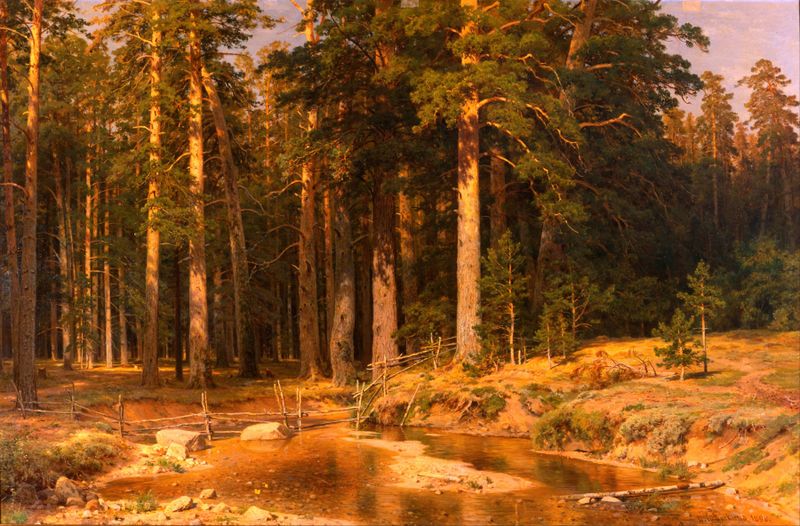
Mast-Tree grove
Ivan Ivanovich Shishkin
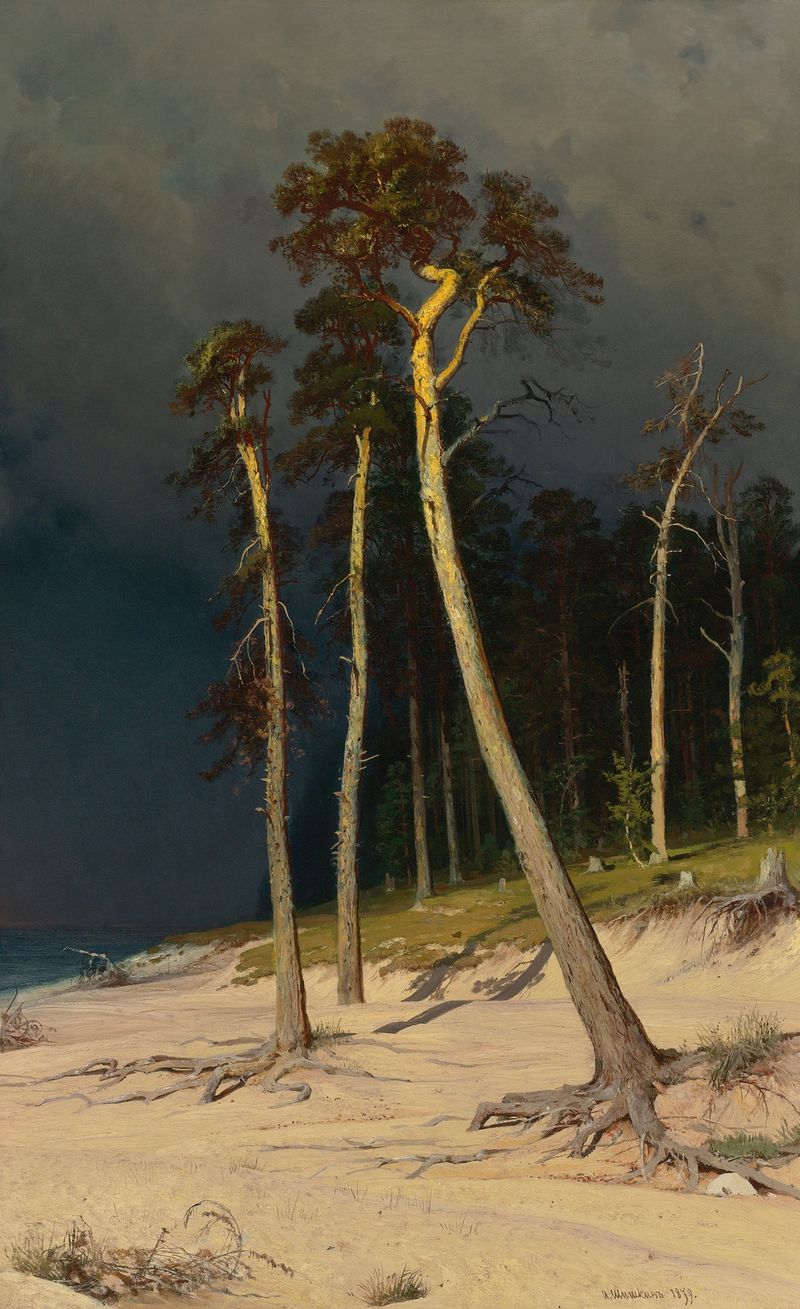
Sandy Coastline
Ivan Ivanovich Shishkin
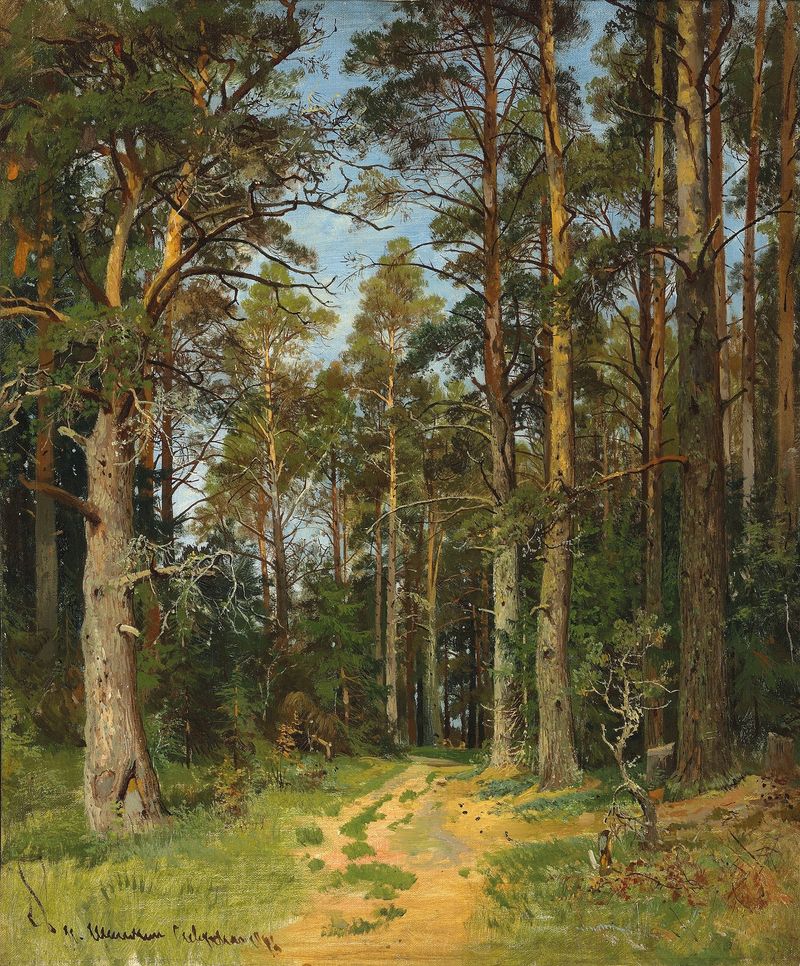
Siverskaya
Ivan Ivanovich Shishkin
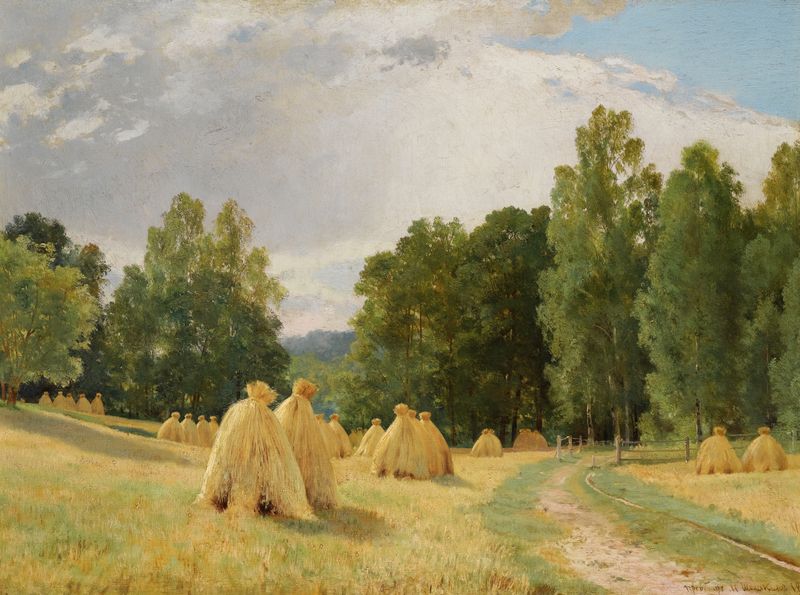
Haystacks, Preobrazhenskoe
Ivan Ivanovich Shishkin





