
The Mill In The Forest — History & Facts
This thought captures the essence of nature's duality, where every serene view may conceal a deeper sorrow. Look to the left at the grand oak trees, their sturdy trunks rising like guardians of the forest, while the delicate interplay of light and shadow creates a translucent veil over the landscape. Notice how the warm tones of sunlight filter through the leaves, illuminating the rich earth below and guiding your gaze toward the tranquil mill nestled among the foliage. The intricate brushwork evokes a sense of harmony, blending the mill’s sturdy structure seamlessly with the verdant surroundings, bridging the human and natural worlds. Yet, in this idyllic setting, a poignant tension simmers beneath the surface.
The mill, often a symbol of industriousness, stands solitary, suggesting the isolation that accompanies the toil of labor, while the exuberant greens and radiant sunlight point toward the ephemeral beauty of life. The contrast between the vibrant natural world and the quiet presence of human intervention hints at a delicate balance — one that invites contemplation of humanity's role within the wild. Created in the late 19th century, this piece emerged during a period of significant evolution in Russian art, where the focus began shifting toward realism and the exploration of national identity. Shishkin, a prominent figure in the landscape tradition, painted it amidst a burgeoning appreciation for the Russian countryside, which offered both inspiration and reflection on the complexities of existence.
The serenity captured here speaks to a longing for connection, despite the artist's own struggles with societal expectations and artistic recognition.
More Artworks by Ivan Ivanovich Shishkin
Browse all →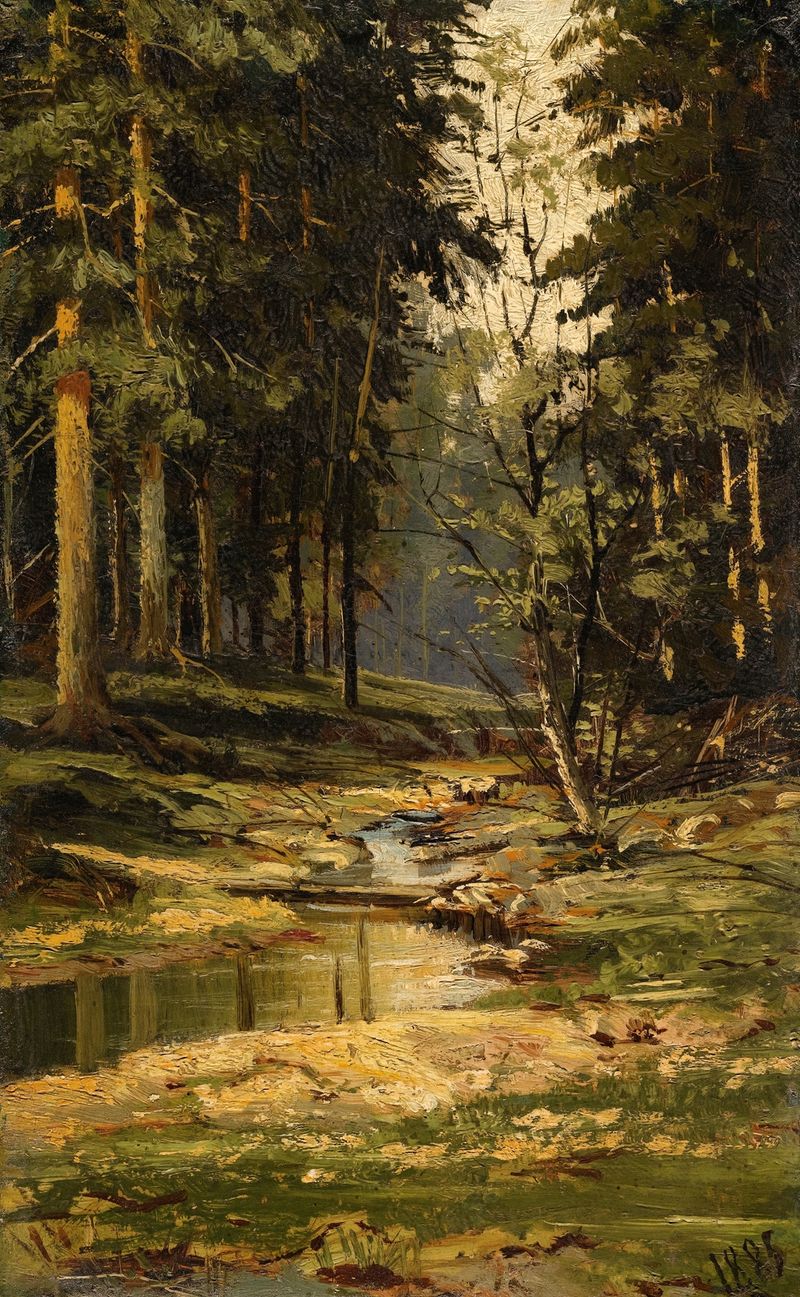
Forest Brook
Ivan Ivanovich Shishkin
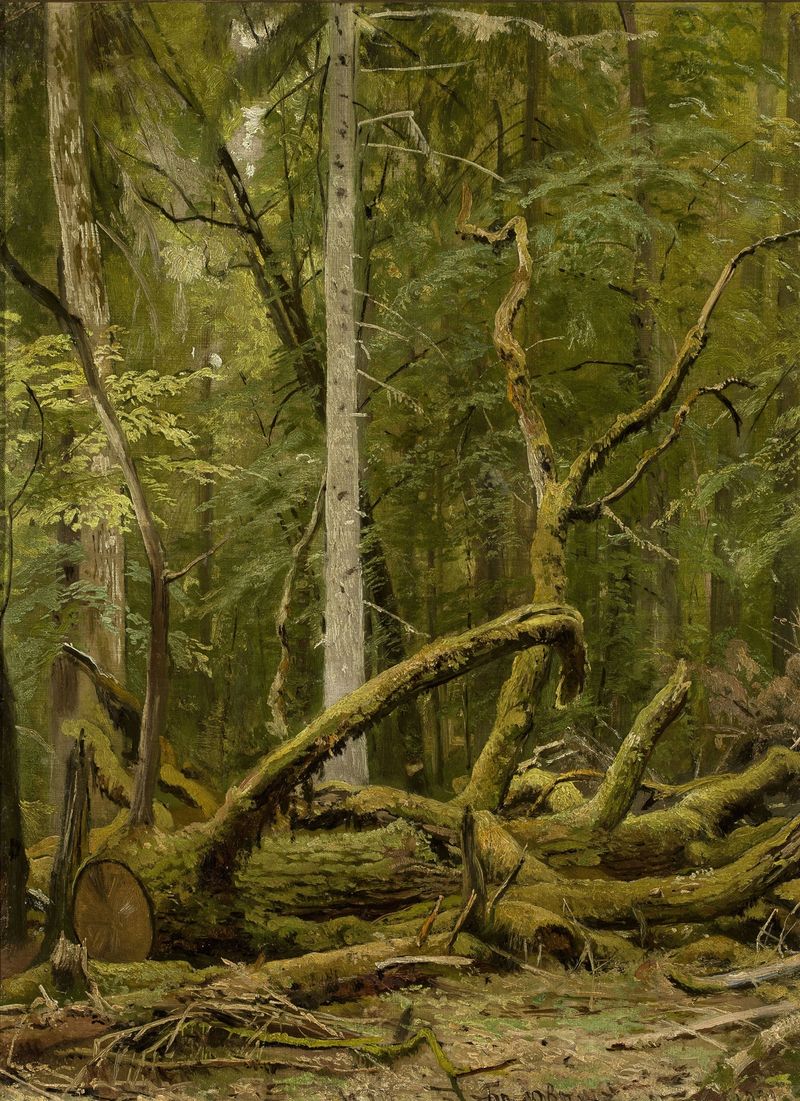
Cut down oak
Ivan Ivanovich Shishkin
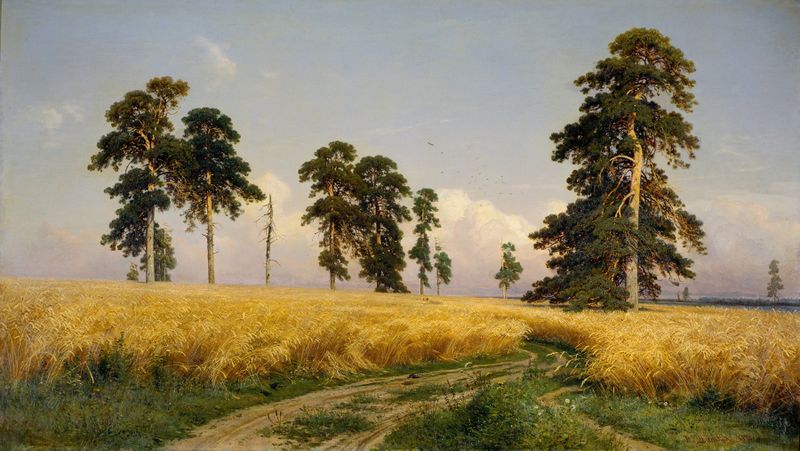
Rye Fields
Ivan Ivanovich Shishkin
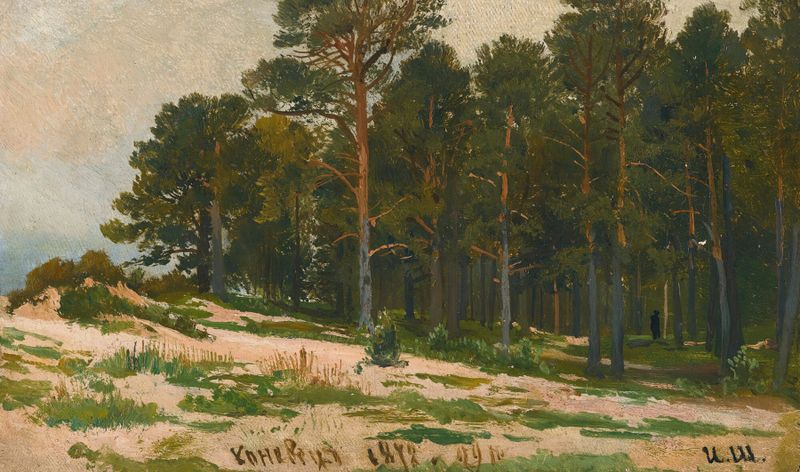
Pine Forest
Ivan Ivanovich Shishkin
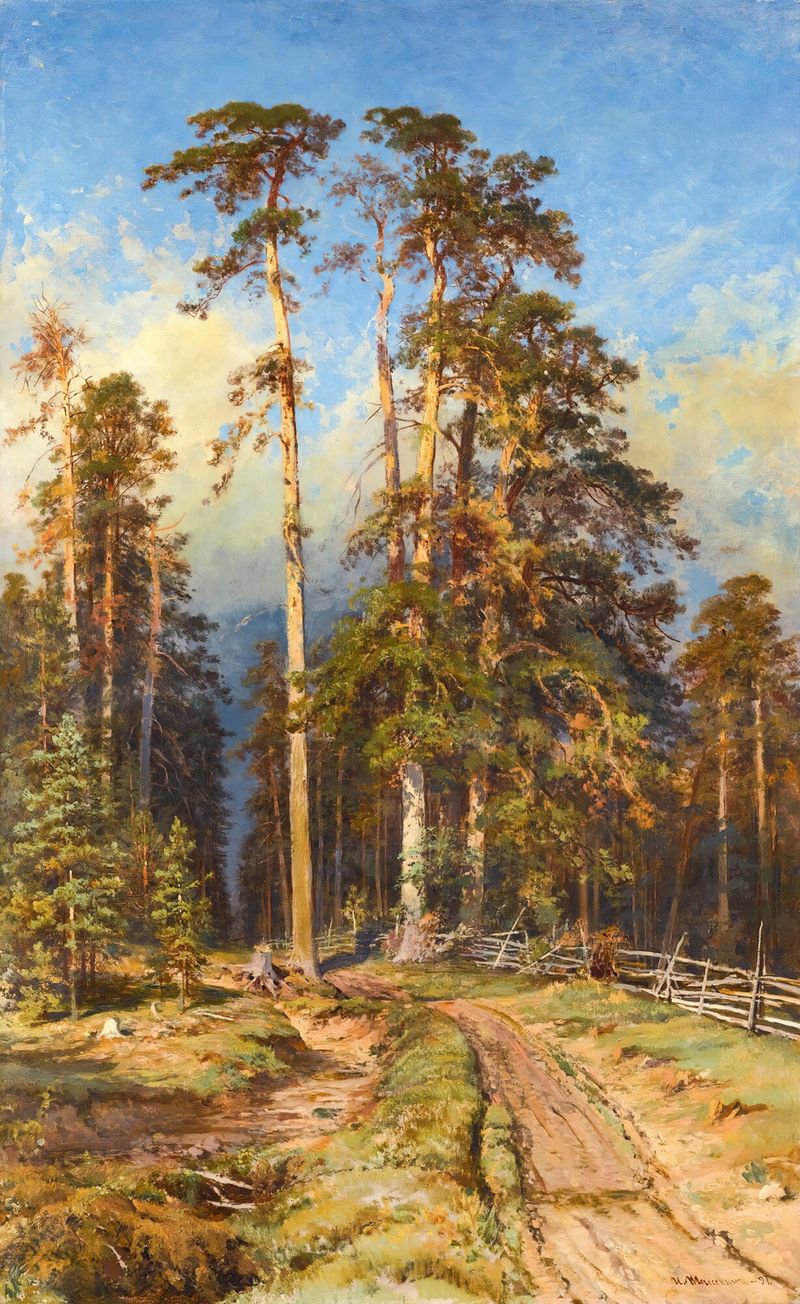
Pine Forest
Ivan Ivanovich Shishkin
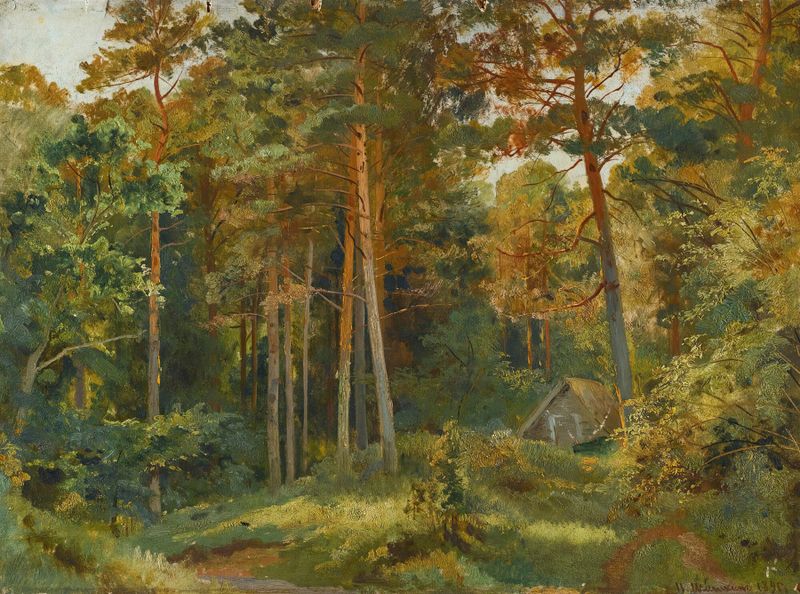
The Mill In The Forest
Ivan Ivanovich Shishkin
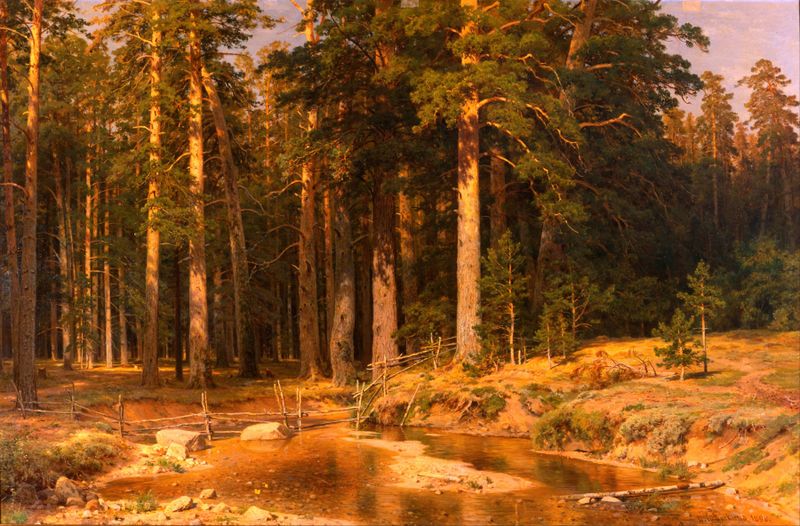
Mast-Tree grove
Ivan Ivanovich Shishkin
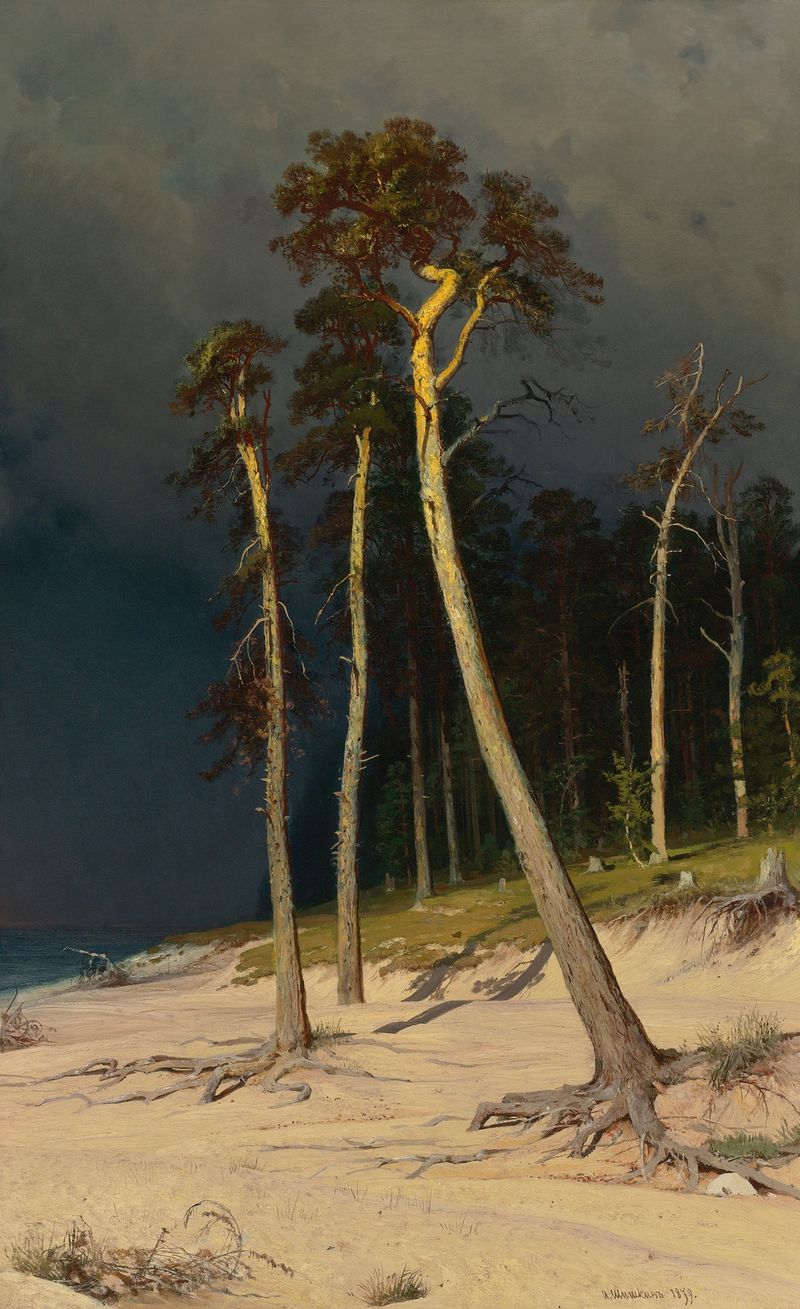
Sandy Coastline
Ivan Ivanovich Shishkin
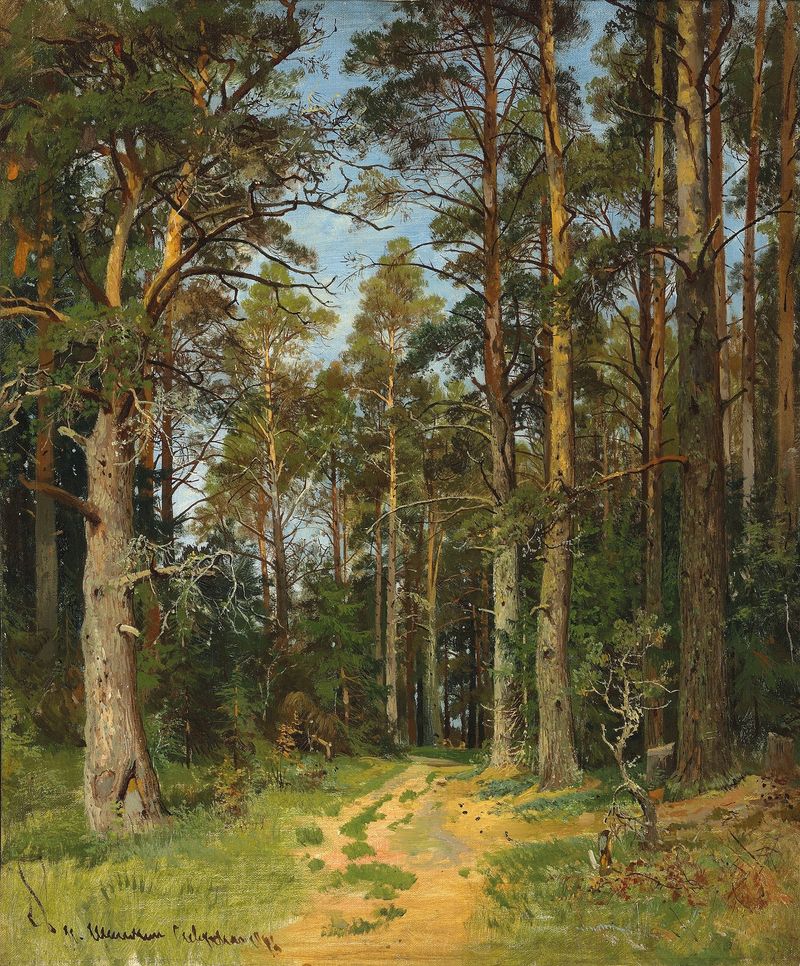
Siverskaya
Ivan Ivanovich Shishkin
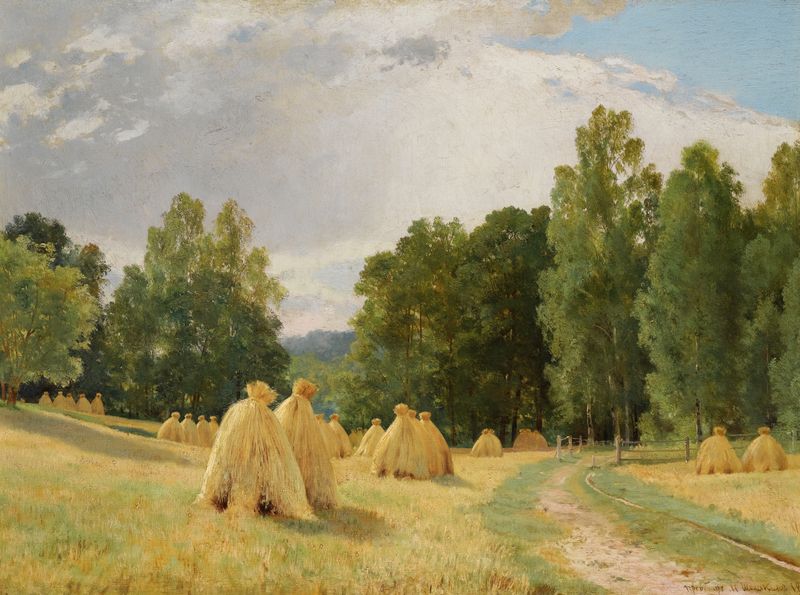
Haystacks, Preobrazhenskoe
Ivan Ivanovich Shishkin





